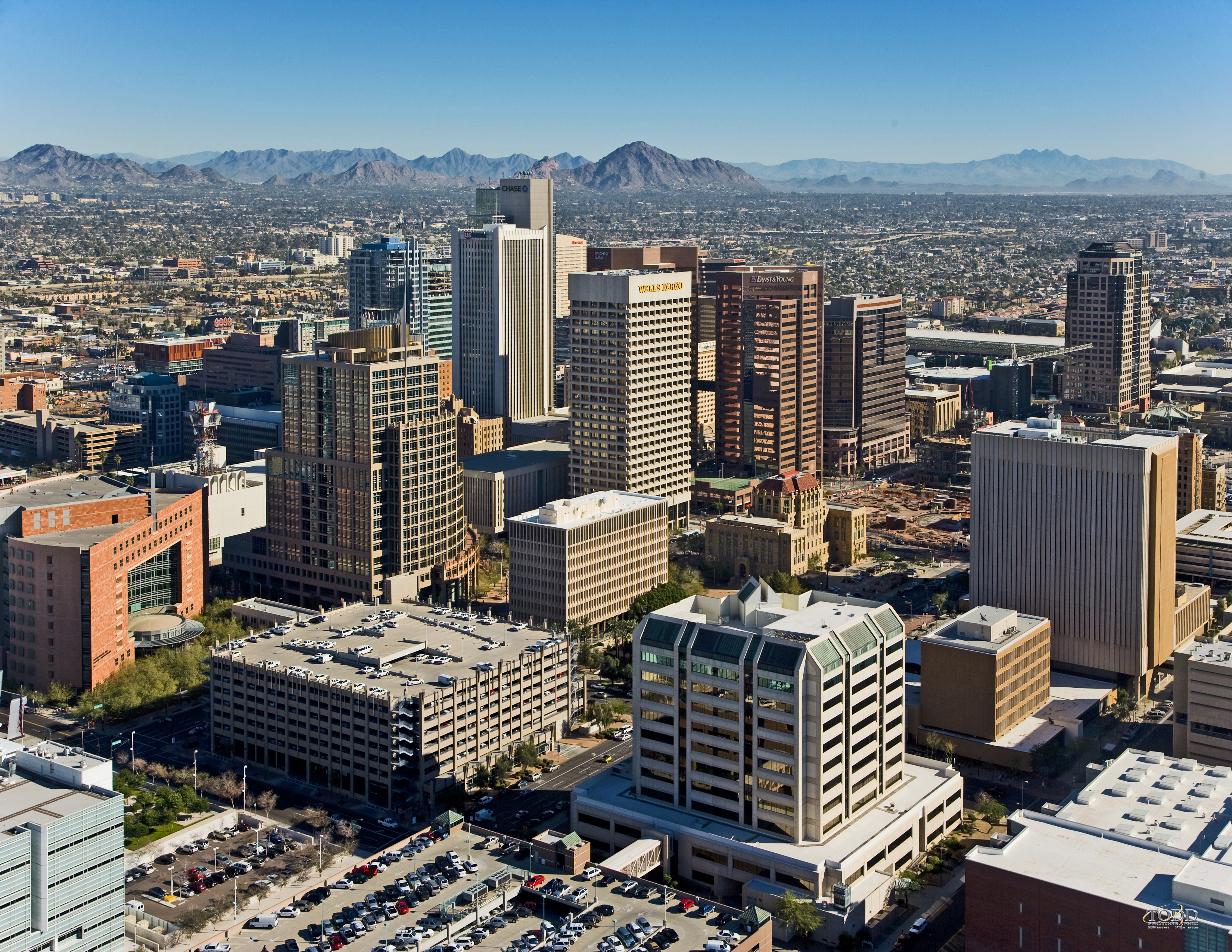
PHOENIX — Republican Jay Feely and Democrat Dr. Amish Shah faced off Wednesday night in an hour-long televised debate in Arizona’s 1st Congressional District — one of the most competitive House races in the country — on the very day early voting began across Arizona. The forum, hosted by the state’s Citizens Clean Elections Commission and carried at 6 p.m. MST, was described by the Arizona Republic as cordial, even as the two candidates drew sharp contrasts on the Trump administration’s agenda, health care and the future of data centers in the Valley.
The stakes are difficult to overstate. The 1st District seat is open after seven-term Republican Rep. David Schweikert declined to seek reelection to the House, opting instead to run for Arizona governor — a bid that ended when he lost the GOP gubernatorial primary to U.S. Rep. Andy Biggs in July, according to FOX 10 Phoenix. Schweikert previously defeated Shah in a close 2024 general election contest. Most election analysts now rate the district a toss-up, though some have given Shah an edge, the Republic reported.
The contrastTrump loyalty vs. independence
The central tension of the night was how closely each man would tie himself to — or distance himself from — President Donald Trump. Feely, a former NFL placekicker who played 14 seasons including four with the Arizona Cardinals before a decade as an Emmy Award-winning NFL analyst for CBS, is Trump-endorsed and won the Republican primary, per FOX 10. He defended the administration at length: saying there was no good alternative to escalating the conflict in Iran, blaming former President Joe Biden for rising prices, and warning that Democrats would roll back the Trump-led package of tax cuts, the Republic reported.
“If Democrats get back in control, they will open the borders again,” Feely said, according to the Republic.
Shah, an emergency medicine and sports medicine physician who served five years in the Arizona House of Representatives from 2019 to 2024, went after what he framed as Feely’s reflexive deference to the president. The Democrat reminded viewers that he won his party’s nomination even after national party groups spent millions of dollars opposing him, then turned the contrast into the night’s most quoted exchange: “When he says, ‘back the war,’ you say ‘yes.’ When he says, ‘back the tariffs,’ you say ‘yes.’ When he says, ‘One Big, Beautiful Bill,’ you say ‘yes.’”
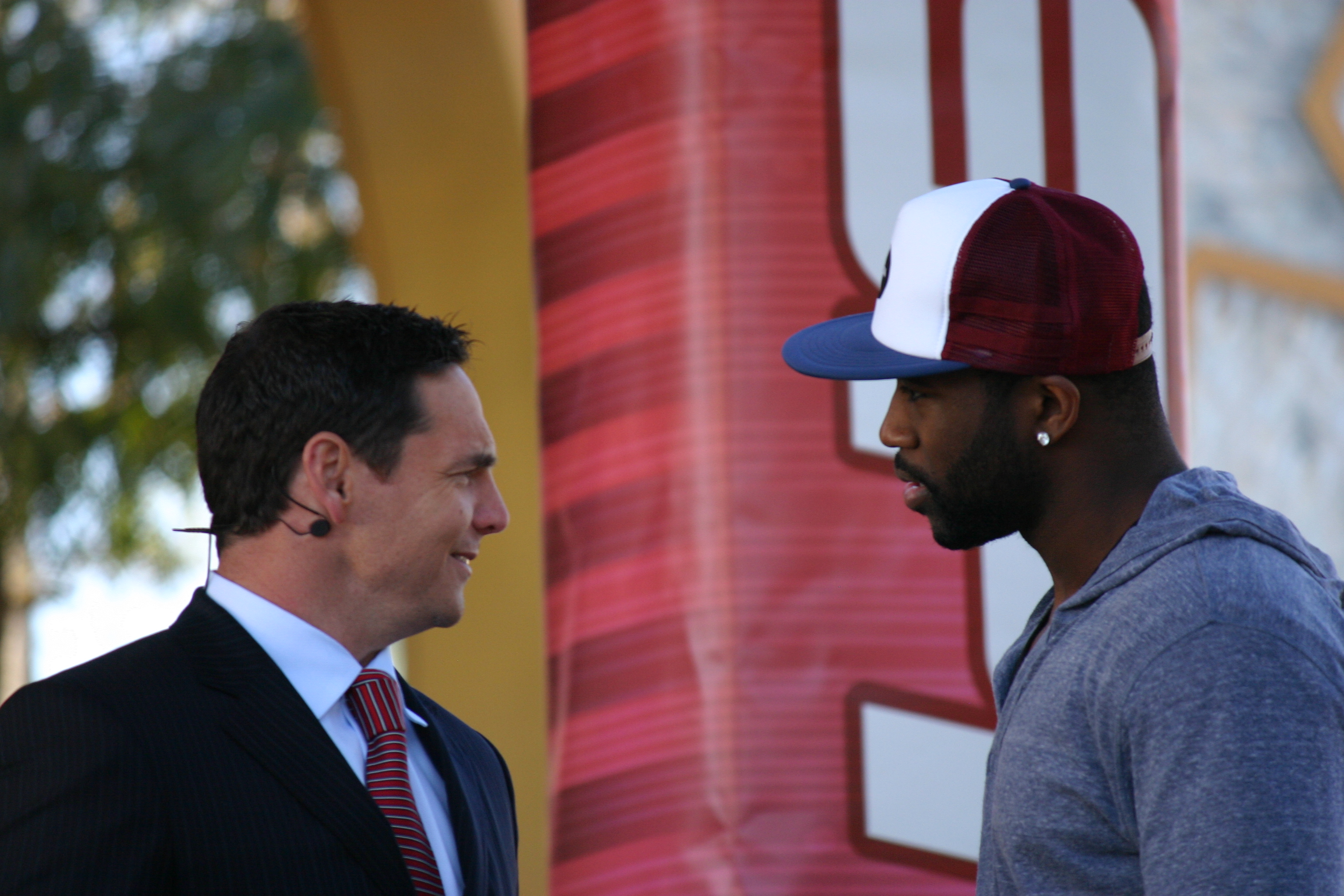
The two men have an unusual shared history. Feely kicked for the New York Jets in the 2008 and 2009 seasons; Shah worked Jets home games during those same years as an airway management physician on the team’s medical staff, according to published reports on the race. Shah also led the Jets’ Airway Management Team during his medical career, per FOX 10. Raised in Chicago by immigrant parents from India, Shah earned his bachelor’s and medical degrees from Northwestern University and a master’s in public health from UC Berkeley, and he served on the faculty at Mount Sinai Medical Center, FOX 10 reported. Feely, a University of Michigan graduate, worked as a financial advisor before his football career, served more than a decade on the NFL Players Association executive committee, and runs the Feely Family Foundation alongside his wife, Rebecca, focused on youth, education and faith-based community service.
The flashpointHealth care and the single-payer walk-back
Health care became the sharpest exchange of the night. Shah, campaigning as an ER doctor, hammered the Trump-led cuts to Medicaid, arguing they would push more patients into expensive emergency room visits and drive up health care premiums across the board, the Republic reported. He argued the health care cuts were part of a tax cut package that also increased the nation’s deficit, accusing Republicans of abandoning the fiscal responsibility they campaign on while, as he put it, kicking people off Medicaid.
Feely defended the Medicaid work requirements and argued the package simply “reduced the gain” in Medicaid spending — “That’s not unreasonable to me,” he said, according to the Republic. He also reminded viewers of Shah’s past support for Sen. Bernie Sanders’ presidential campaigns and Sanders’ health care platform.
That history put Shah on the defensive. In 2019 he spoke in support of a single-payer health care model, and in 2024 he campaigned on “universal health care,” saying he would be open to a single-payer or multi-payer model, the Republic reported. At Wednesday’s debate his tone had shifted: asked by reporters about single-payer, he said it was an option that “doesn’t fit the district” and has drawbacks, adding that what he cares about is that everybody gets covered and that it’s affordable.
Common ground and frictionWater, markets and data centers
Amid the sparring, the two men found genuine common ground. Both emphasized their free-market values and both criticized the recently announced cuts to Arizona’s share of Colorado River water, the Republic reported — an issue with direct consequences for the Valley’s growth and its farms.

Data centers, a topic that has rapidly come to dominate Arizona politics this year, produced one of the night’s liveliest back-and-forths. Shah said he does not want data centers within the district, citing concerns about water and electricity usage, and predicted a “difference of opinion” with Feely, per the Republic. Feely shot back that Shah, as a state lawmaker, had voted to extend a data center sales tax break when it came up for renewal in 2021 — a vote the Republic noted came as pro-AI groups spent large sums supporting Feely during the Republican primary.
Feely touted the economic upside, arguing the industry can bring wealth to the state and create jobs if it is done right and locals are protected. Shah countered that the landscape has changed since 2021: AI data centers now use far more water and power, while the state’s data center tax write-off back then was a fraction of its current size. “People are worried,” he said, arguing for putting human dignity and safety first rather than treating it as merely a corporate problem, the Republic reported.
What’s nextA toss-up with ballots already out
The debate aired on the first day of early voting in Arizona — meaning voters could literally cast ballots while the candidates were still making their closing arguments. The Clean Elections Commission forum was the highest-profile event so far in a race that will help decide control of the U.S. House, and with most analysts calling it a toss-up, the final four weeks figure to be among the most expensive and closely watched of the cycle.
Election Day is Nov. 3, 2026. For more on Arizona’s debate season, see our recap of the gubernatorial debate and Monday’s debate-day roundup, plus the Arizona attorney general’s suit against pharmacy benefit managers.
Sources
- Arizona Republic — Amish Shah, Jay Feely make plays for swing voters in high-stakes forum, October 7, 2026
- FOX 10 Phoenix — 2026 Election: CD1 debate features Dr. Amish Shah, Jay Feely in key Arizona congressional race, October 7, 2026