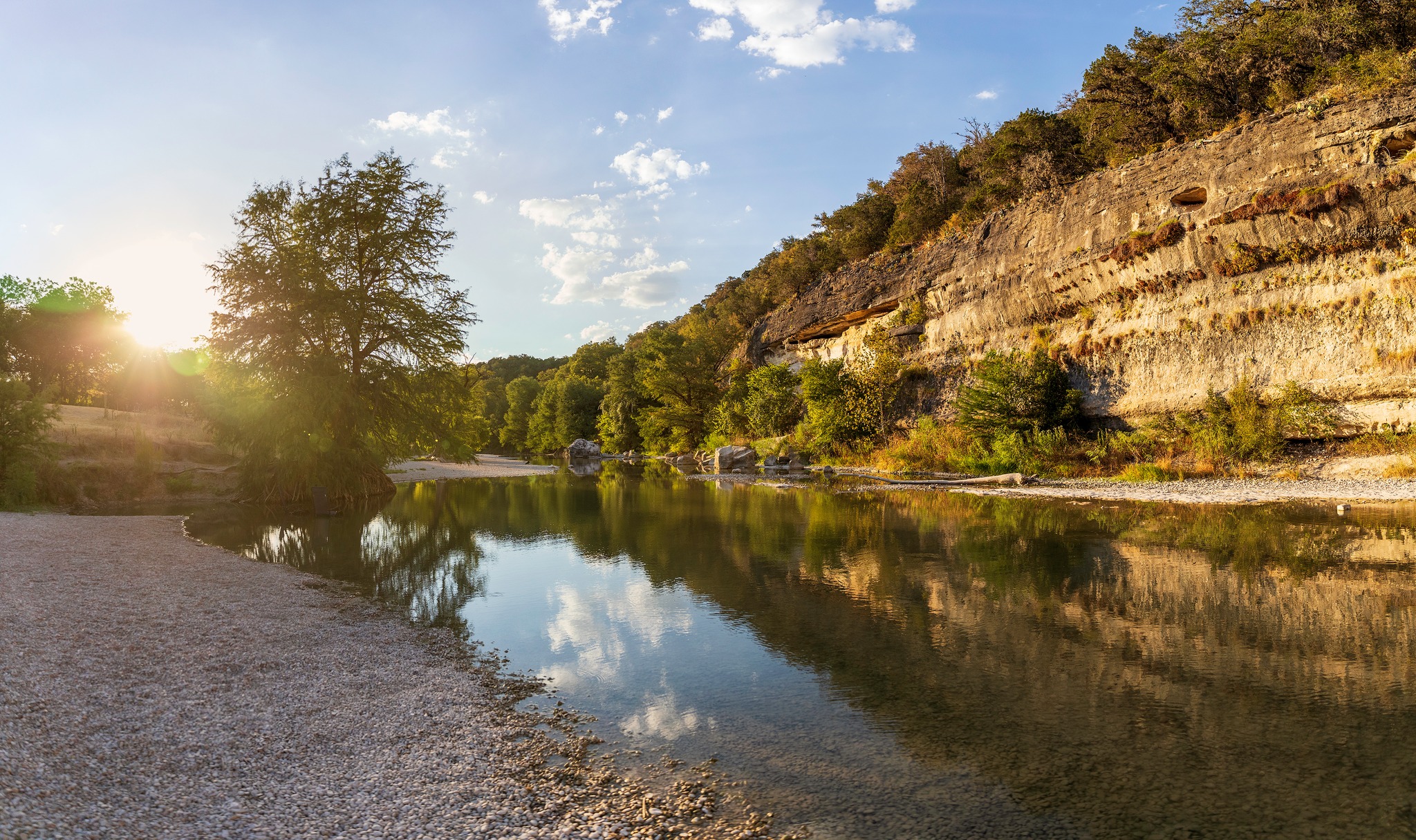
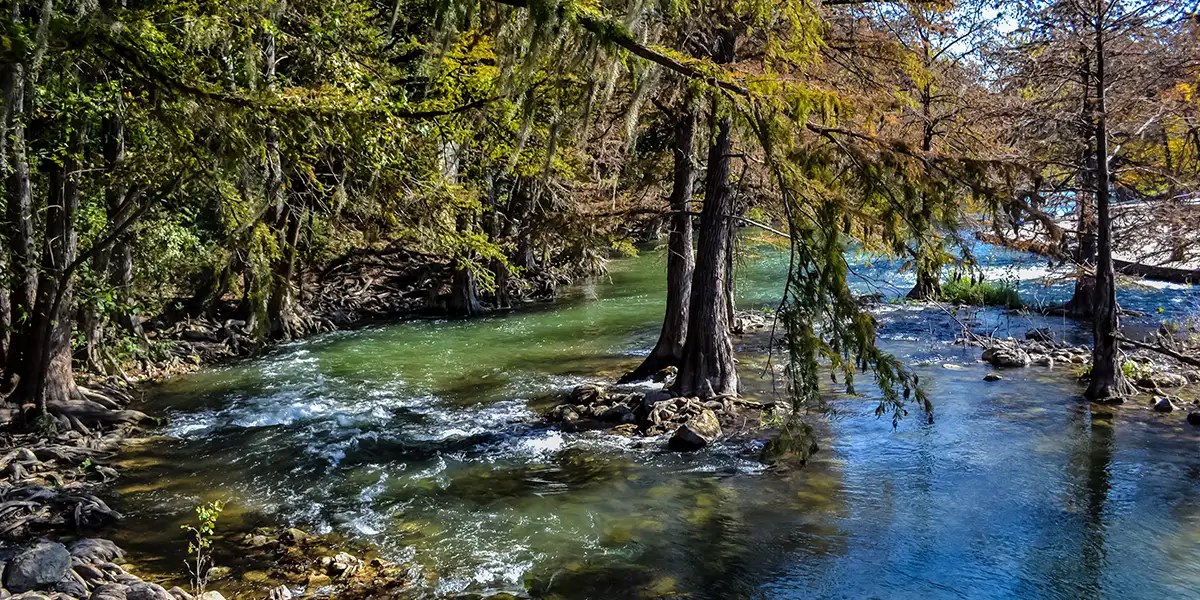
HUNT, Texas — The Texas Rangers' Camp Mystic probe reached two legal flashpoints this weekend: the county's district attorney sought her office's recusal from the criminal investigation, and the Eastlands — the family that runs the camp — moved to challenge the 14 search warrants under which investigators seized months of their iCloud and phone data. The camp is where 27 campers died in last summer's Guadalupe River flood.
The district attorney wants out
On Friday, Kerr County District Attorney Lucy Wilke asked the court to allow her and her office to recuse themselves from the Texas Rangers' criminal investigation of Camp Mystic and to appoint an attorney pro tem, according to reporting by The Kerr County Lead carried in the Texian Partisan's Sunday daily briefing. In the filing, Wilke cited her ties to the Hunt area — the small Hill Country community where the camp sits — and the fact that her office is down an assistant district attorney, leaving it too thin to handle a case of this size and sensitivity.
Wilke asked that a special prosecutor from the Texas Attorney General's Office be appointed to take over. Recusal in a case this large is a structural move, not a verdict on the investigation: it would hand charging decisions to an outside prosecutor with no local ties and no staffing shortfall. No criminal charges have been filed in the investigation, so an attorney pro tem would arrive before any charging decision is made. The judge has not yet ruled on the request.
The Eastlands ask a judge to wall off the digital evidence
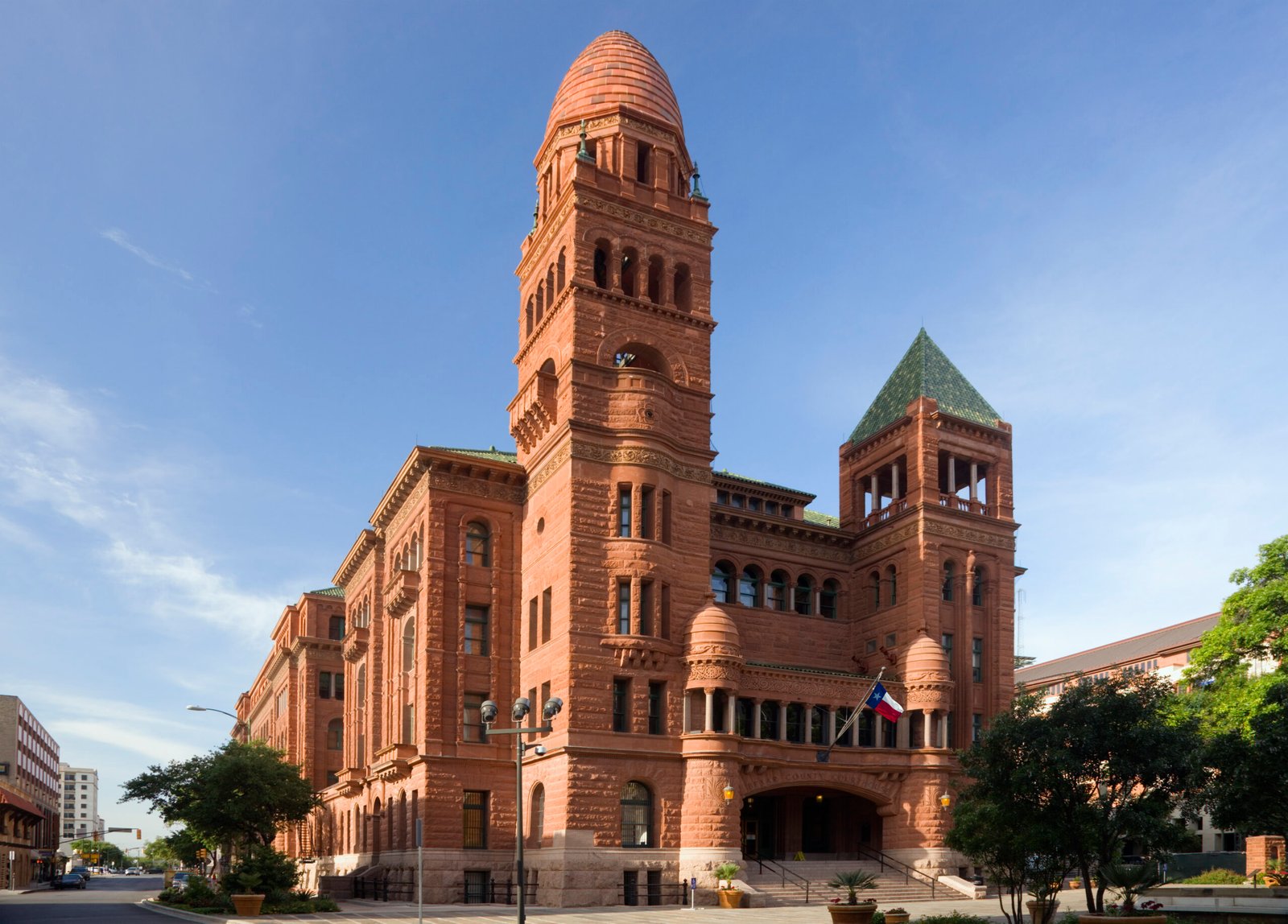
In the second filing, six members of the Eastland family, which runs Camp Mystic, asked Judge Kirsten Cohoon to stop investigators from reviewing data seized under the Rangers' 14 search warrants, according to KSAT reporting carried in the same briefing. The family's argument is that the warrants are overbroad and reach privileged communications with their lawyers — material that, under the law, investigators are not supposed to be able to see.
The timing matters. The camp is defending itself in wrongful-death litigation at the same time it faces a criminal investigation, and defense lawyers say the data seizure sweeps in privileged materials from the civil cases. If the judge agrees, the Rangers could lose access to a trove of digital evidence they have already obtained. If she does not, investigators will be able to review months of the family's and the camp's emails, messages, photos, and location records.
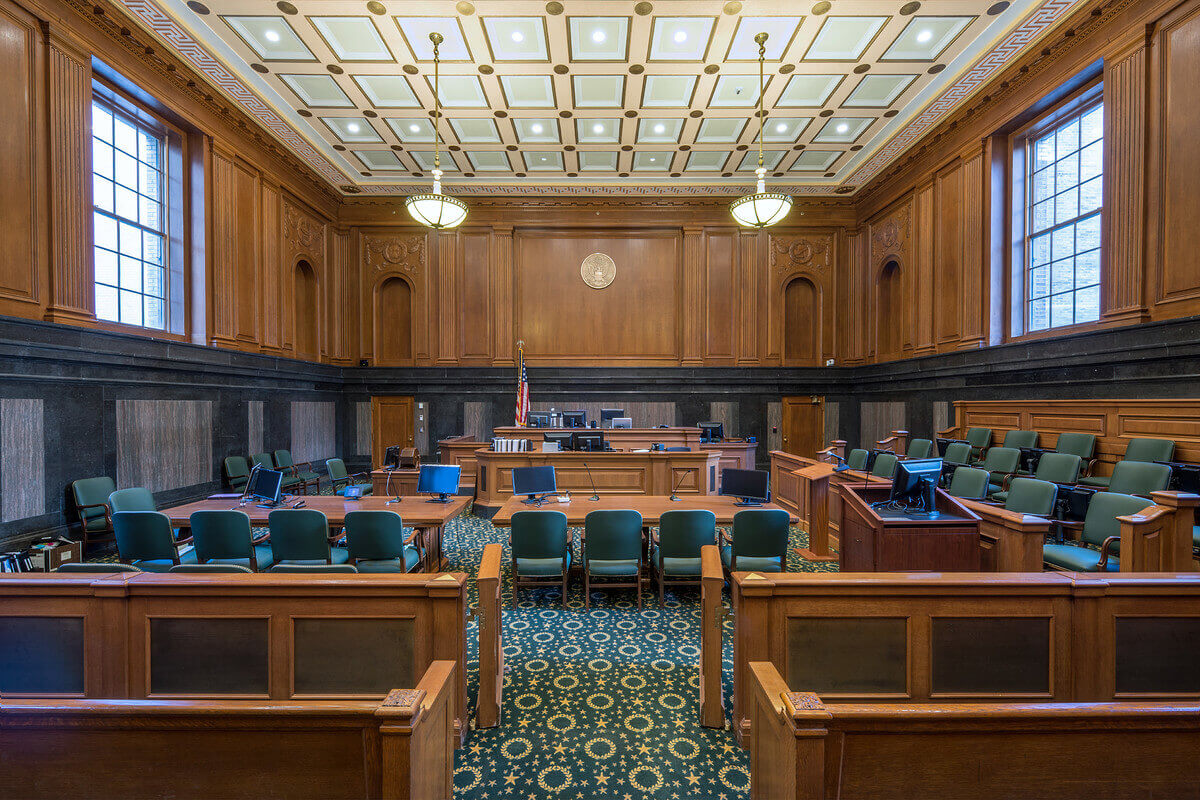
What the warrants reach
The 14 warrants were approved last month and ordered Apple and others to produce iCloud and phone data covering more than three months: July 3, 2025 through Oct. 17, 2025. That window reaches back to the days before the flood, covers the disaster itself and its immediate aftermath, and runs deep into the fall, when the civil litigation was taking shape.
The scope is wide by design and by dispute: emails, text messages, photos, location information, and even deleted files. The defense's objection is not to the fact of a search but to its breadth — that in gathering everything from the camp's digital life across that stretch, the warrants inevitably pulled in conversations between the Eastlands and their attorneys. Courts treat attorney-client privilege as a hard boundary, and challenges to warrants on privilege grounds can lead to special review procedures, where an independent party screens the material before investigators see it, or to outright suppression of what was taken.
Neither side's underlying claim has been adjudicated. The motion before Judge Cohoon is about access to evidence, not about what happened on the night of the flood.
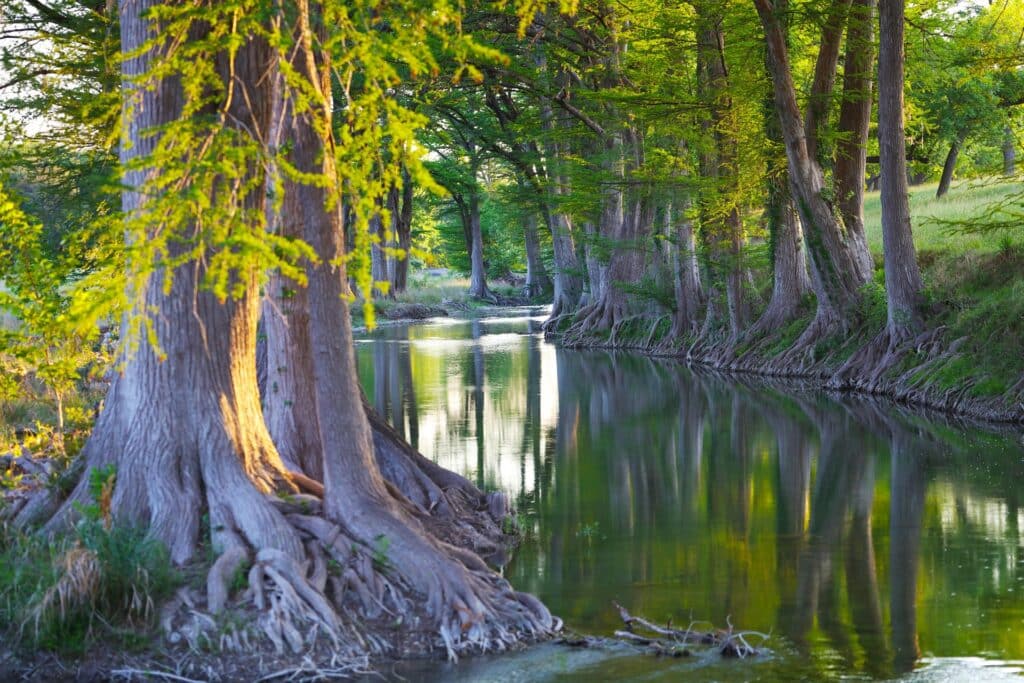
What the Ranger alleged in the affidavits
The warrants did not come from nowhere. In 14 supporting affidavits, Texas Ranger Brant C. Johnston laid out the investigative case for the searches, according to a report on Particle. In those affidavits, Johnston alleged that Camp Mystic managers repeatedly treated the rising waters as a logistics problem rather than an emergency, delayed emergency actions as the Guadalupe River rose, and operated without a written evacuation plan.
Those alleged failures, Johnston wrote, could support criminal charges such as manslaughter and criminally negligent homicide. That is the investigator's stated theory of the case — not a finding, and not a charge. Every allegation in an affidavit is the Ranger's assertion, made to justify a search; it has not been tested in court, and the people it concerns have not been charged with anything.
The distinction is the most important fact in this story. Affidavits describe what an investigator believes can be proved, in the language most favorable to a search. A charging decision, whenever it comes, will belong to a prosecutor — possibly, given Friday's filing, a special prosecutor from the Attorney General's Office — weighing the evidence under a different and higher standard. Until then, the affidavits are allegations, and only allegations.
The parallel civil battles
The criminal investigation is only one front. Wrongful-death suits arising from the July 2025 flood are proceeding through the civil courts, and the camp itself is in bankruptcy proceedings — filings that, as the Texian Partisan briefing notes, are pushing toward either a court-supervised sale of the camp or the appointment of a Chapter 11 trustee or a conversion to liquidation. In plain terms, the camp's future as a going concern is being decided in bankruptcy court at the same time its past is being investigated by the Rangers and litigated by grieving families.
That collision is what makes the privilege fight so consequential. When a single set of facts is being probed by criminal investigators, civil plaintiffs' lawyers, and bankruptcy trustees at once, the boundaries between one proceeding's evidence and another's privileged material get thin. The Eastlands' motion to Judge Cohoon is an attempt to re-draw one of those lines before the Rangers cross it.
What comes next
Two judges now hold the next moves. One will decide whether District Attorney Wilke and her office may step aside and whether an attorney pro tem from the Attorney General's Office takes over the investigation. The other — Judge Cohoon — will decide whether investigators may review the iCloud and phone data seized under the 14 warrants, or whether the Eastlands' privilege claims keep that material sealed.
Neither ruling has a public timetable, and the Rangers' investigation continues regardless. What is certain is the sequence: evidence first, then a prosecutor's decision about charges, then — only then — anything resembling a trial. The Camp Mystic case is still in its earliest legal chapter.
Elsewhere in the newsroom this weekend
The weekend's other courtroom and investigation stories include the Lindsay Clancy proceedings, where a mistrial has left a retrial pending; arson charges filed against a Charleston TikTok couple; and a developing story out of Paradise Cove in Malibu, where officials have yet to confirm details.