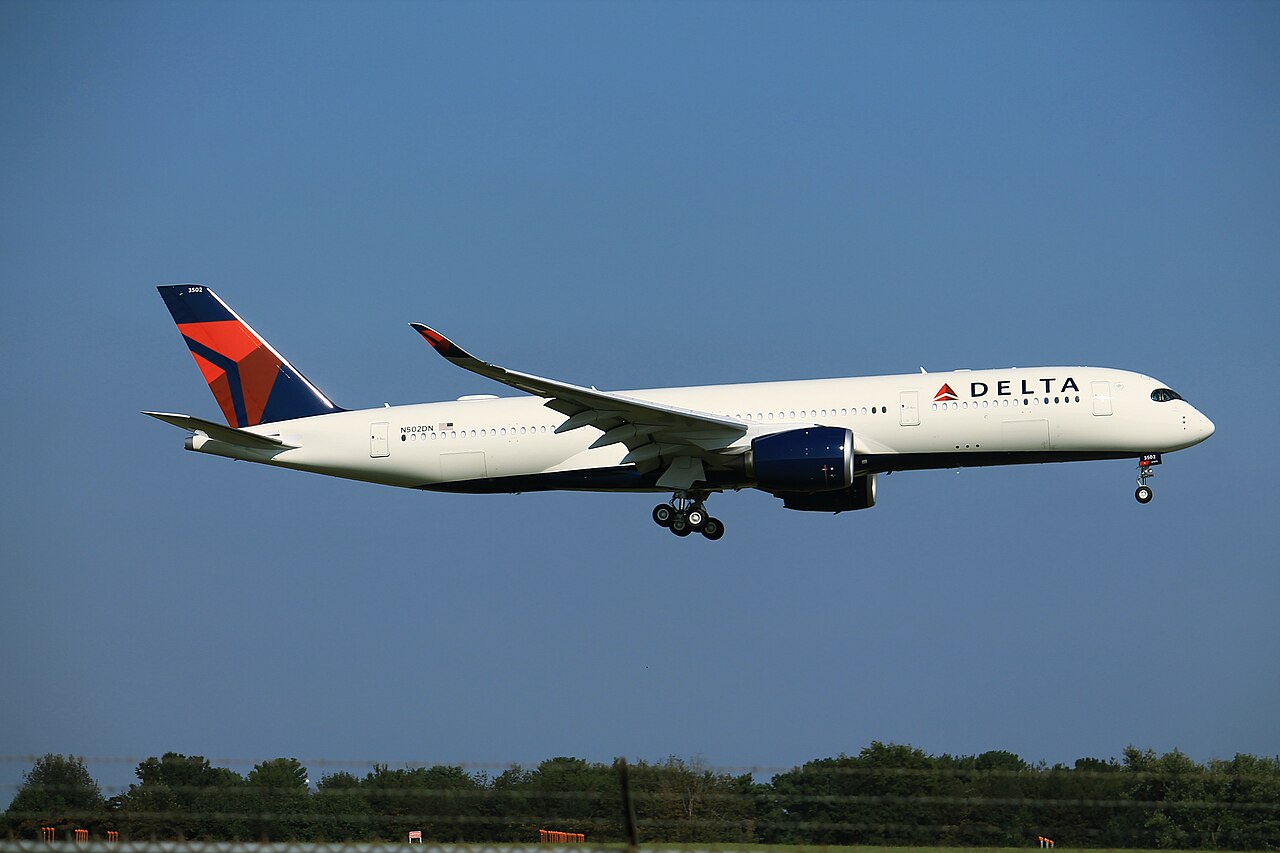
ATLANTA — FRIDAY, OCTOBER 9, 2026 — Delta Air Lines walked into earnings season Friday morning as the first major carrier to report, and walked out with its first earnings miss in two years. The airline posted adjusted third-quarter earnings of $1.72 a share, just under the $1.77 analysts expected, as revenue came in light at $17.59 billion. The stock slipped about 1.5% in early trading and dragged other airlines down with it. If you're looking for the reason, it's a single word with a very large number attached: fuel.
01 The numbers, and why they sting
Let's put the quarter in context before we get to the fireworks. Revenue surged nearly 16% year over year — this is not a demand story. CEO Ed Bastian said demand "remains strong," supported by consumer preferences for travel and experiences, and the airline held capacity flat while still forecasting 20% revenue growth for the fourth quarter. That is an airline that is filling planes just fine.
The problem is what's happening on the cost side of the ledger. Fuel expenses spiked 69% in the quarter to $4.35 billion, with the average fuel price per gallon up 68% to $3.80. Bastian said Delta expects to absorb roughly $6 billion in increased fuel costs for the full year. When your single biggest variable cost nearly doubles in a quarter, it doesn't matter how full your planes are — the math stops cooperating. Per FactSet data, it's the first time Delta has missed earnings since the third quarter of 2024.

02 The guidance cut is the real story
Misses happen. Guidance cuts of this size are what move markets. Delta now expects full-year earnings of $5.10 to $5.60 a share, down sharply from its previous range of $6.50 to $7.50 — that's a haircut of more than 20% at the midpoint. Free cash flow is now seen around $2.5 billion, versus a prior forecast of $3 billion to $4 billion.
For the fourth quarter, Delta guided EPS of $1.15 to $1.65, against a FactSet consensus of $1.43. The Wall Street Journal's market briefing on Friday flagged the cut as one of the session's key movers, and Barron's noted the miss came as the Iran war sparked a surge in jet fuel prices that drove up costs across the sector. Other airlines followed Delta lower Friday morning — when the industry's most consistent operator resets expectations this hard, nobody gets to pretend they're immune.
03 The Musk subplot, because of course there's a Musk subplot
Here is where it gets interesting. SpaceX CEO Elon Musk has been taking aim at Bastian and Delta after the airline decided in March to go with Amazon's Leo (the Project Kuiper constellation) as its in-flight Wi-Fi provider instead of Starlink. That's the kind of vendor decision that would normally live and die in a procurement memo. Instead it became a public feud — because in 2026, every corporate contract decision is content.
And the timing of Musk's pile-on matters. Just this week, SpaceX bought wireless spectrum from Grain Management, and SpaceX said the deal would "pave the way for Starlink Mobile to become a major mobile carrier in the U.S." — a move that sent AT&T and Verizon tumbling 10% and T-Mobile down 12% on Friday morning, as our markets desk covered. So the guy needling Delta's CEO over a Wi-Fi contract is simultaneously building a business that could reshape the entire telecom industry. The Wi-Fi spat is the sideshow; the spectrum deal is the main event.

04 What to watch from here
Delta's 10 a.m. ET earnings call on Friday is the first real test of how airline executives talk about this environment. The bigger question for investors: whether fuel stays elevated long enough to force capacity cuts across the industry, or whether this quarter is the trough. Delta still expects 20% revenue growth in Q4, which is either admirable confidence or the setup for another reset in January.
The broader market, for what it's worth, shook off the morning's nerves — the Nasdaq rebounded about half a percent Friday morning even as some AI names stayed red after yesterday's OpenAI-driven selloff. But airlines don't get to hide in an index. Their margins live and die on a commodity they can't control, and this morning Delta just told everyone exactly how exposed that leaves them.