Tuesday, October 6, 2026 — Here is a riddle for the beverage industry: the dirty soda trend is cooling, and the dirty soda business has never been hotter. Search interest in “dirty soda” has fallen 45% over the last three months, according to October 2026 data from Rising Trends — and yet Swig, the Utah chain built on the stuff, is now a 150-store empire, and a national burger chain just launched its own Dirty Dr Pepper. The fad is fading. The category is just getting started.
Both things are true at once, and the tension between them is the whole story.
The numbers, because they’re delicious
Start with the cooling. “Dirty soda” drew about 165,000 monthly searches as of August 2026 — up 50% year over year, but down 45% over the last three months. That is the classic viral arc: explosive peak, cooling tail, the sugar-rush comedown every TikTok trend eventually gets.
Now the heat underneath. “Dirty Dr Pepper” is up 309% at 74,000 searches. “Dirty soda recipe” is at 40,500, up 82% year over year. “Mountain Dew Trolli” is up 123% at 135,000. “Ghost YooHoo” is up 814% over three months at 74,000. And “Swig” — the chain, not the verb — pulls a full 1,000,000 searches, up 22% year over year. Yelp’s data tells the same two-sided story: dirty soda searches there climbed 600% year over year to an all-time high in May 2026. The generic term is cooling. The specific drinks, the recipes, and the stores are still climbing.
Read that pattern again, because it’s the tell: when the category name fades but the SKUs surge, a trend isn’t dying. It’s maturing.
A quick primer, for the uninitiated
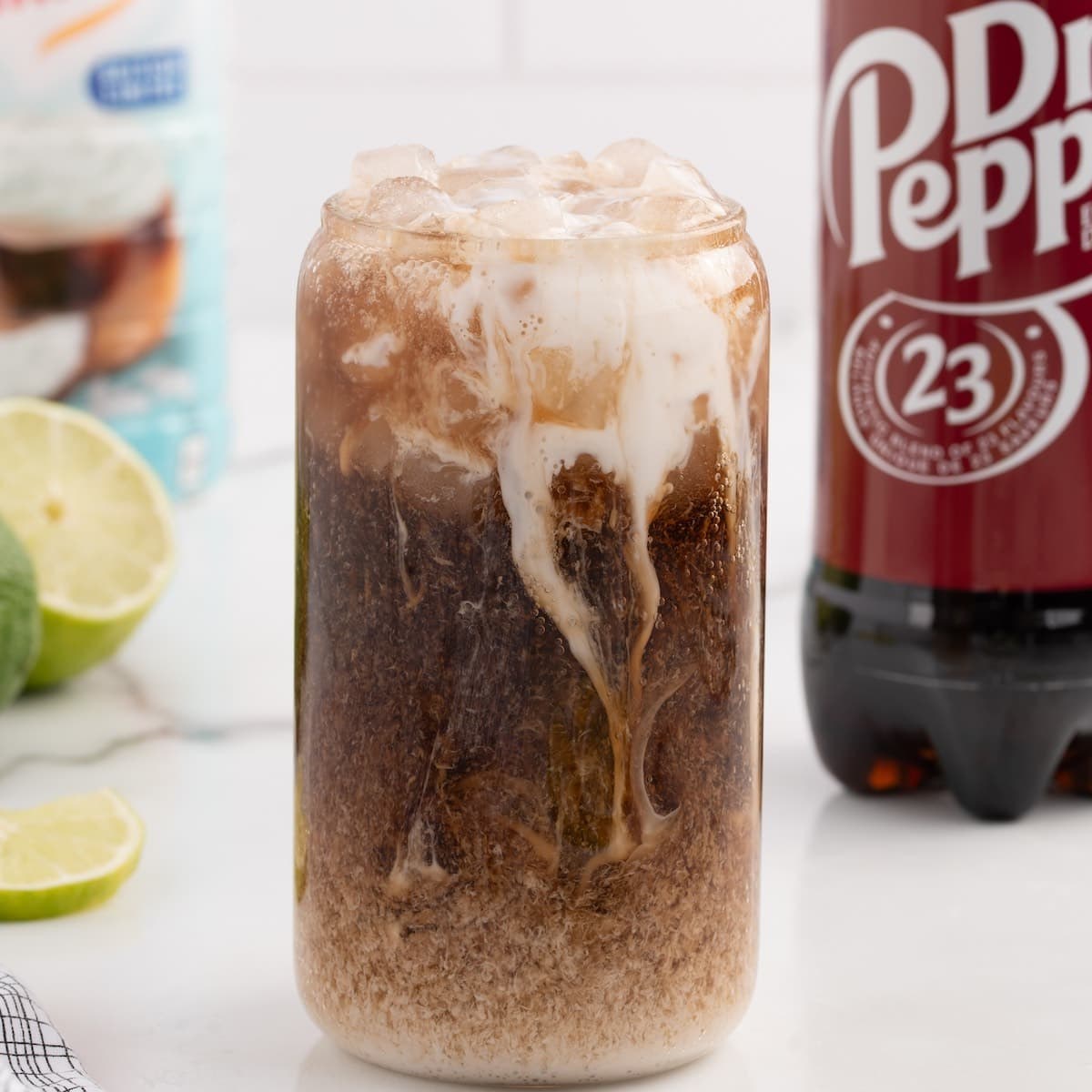
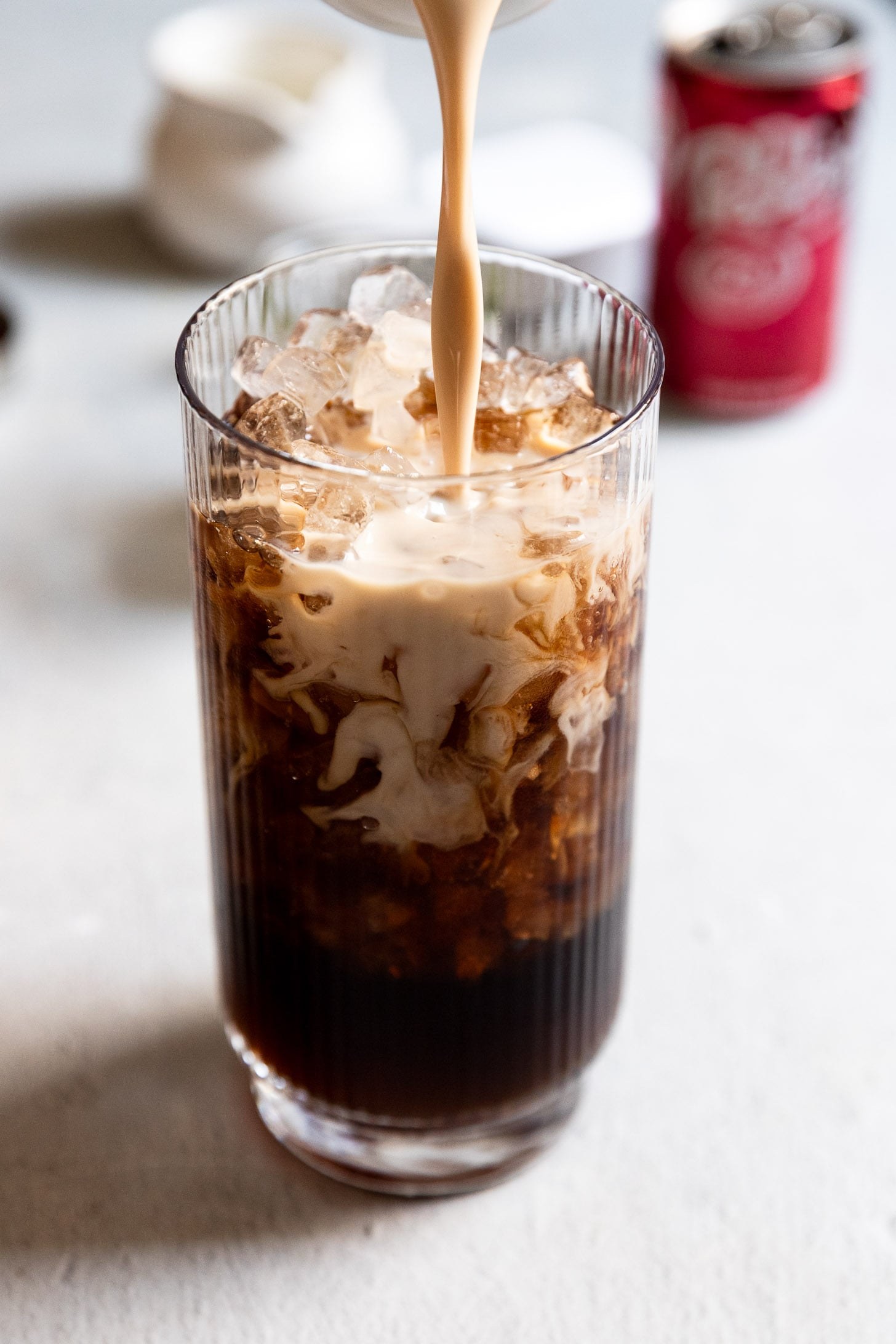
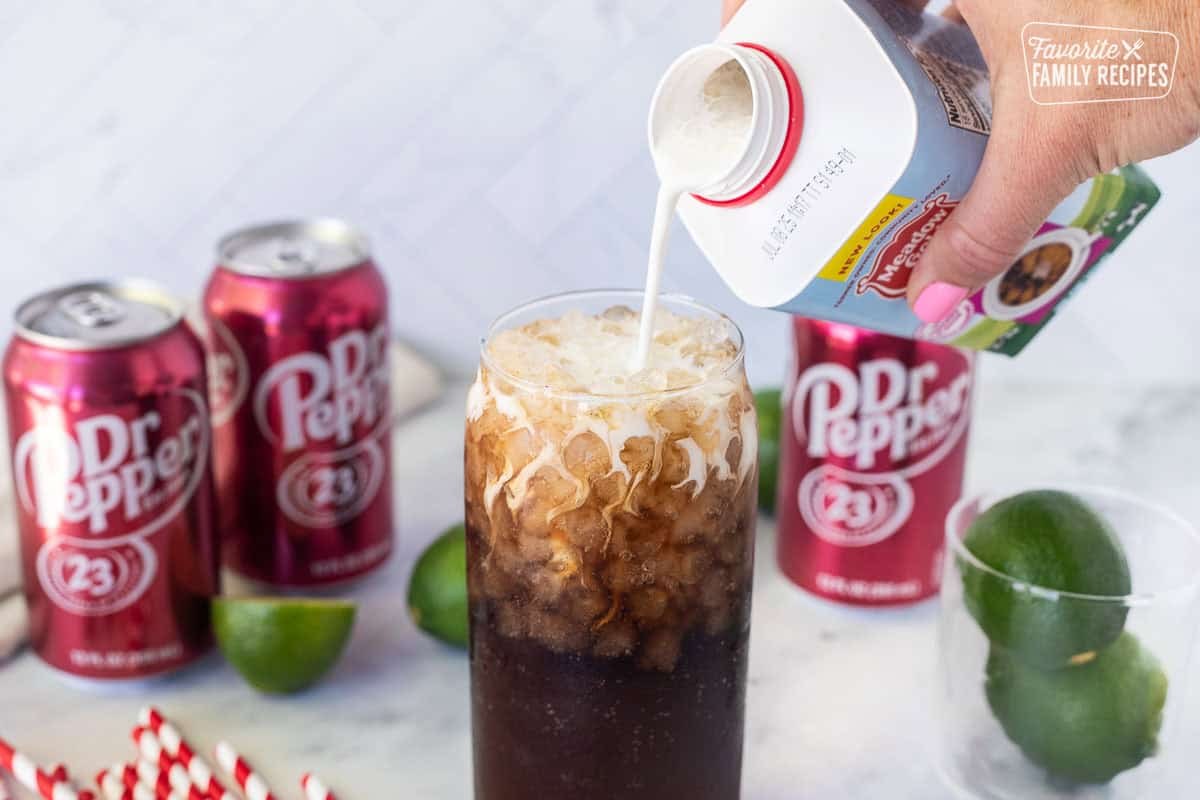
A dirty soda is soda plus cream plus flavored syrups and/or fruit, built over a mountain of ice. It started as a Utah drive-thru ritual — the state’s famous soda shops, a whole regional culture of customized carbonation — and blew up on short-form video for the most obvious reason imaginable: it is a drink you film while making. The pour, the swirl, the cream blooming through the ice like a weather system. Every order is an ad, and the ad is genuinely fun to watch.
That filmability is the engine of the entire category. A drink you can watch being mixed doesn’t need a marketing budget; it needs a phone pointed at the cup. Which is exactly why the search data and the business data are telling different stories.
The industry grows up
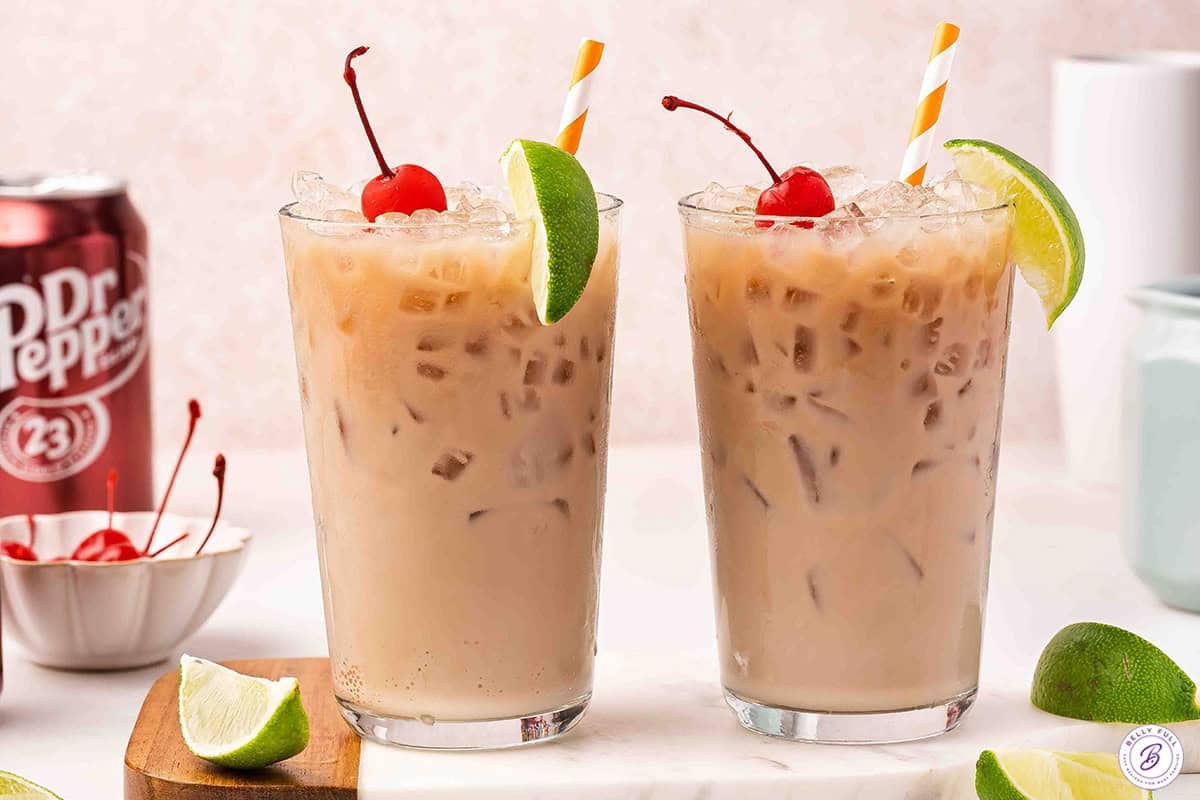
Swig, the chain that turned Utah’s soda-shop ritual into a franchise model, is now at 150 locations, according to GenZ NewZ — a genuine empire built on cream and carbonation. And the big brands have stopped watching from the sidelines. Smalls Sliders just brought back its Dr Pepper Swirl milkshake and launched a brand-new Dirty Dr Pepper — Dr Pepper with real strawberry puree and vanilla cream — at its Cans (that’s what the chain calls its locations) nationwide through October 11, explicitly to tap the trend.
“Guests talk about the Dr Pepper Swirl all year, so we are excited to bring it back and give guests a second way to sip. The Swirl is creamy, nostalgic and hand-spun, and the Dirty Dr Pepper arrives right as guests are chasing dirty sodas everywhere they go.”— Michael Alberici, CMO of Smalls Sliders, said in the announcement
That quote is doing a lot of quiet work. “Guests are chasing dirty sodas everywhere they go,” as Alberici said, is not the language of a fad — it’s the language of a menu category. When a national chain builds a limited-time product around your trend, the trend has become infrastructure.
The pattern: filmable drinks become ecosystems
Here’s the thing the search chart misses. A drink you can film mixing doesn’t just become a menu item — it becomes an ecosystem. Ninja Creami recipe searches are up 50% while dirty soda cools, which is the same phenomenon one step downstream: the appliance-ification of a viral drink. First the videos, then the home recipes (“dirty soda recipe,” +82%), then the machines, then the chains, then the national limited-time offers. The trend doesn’t die at the end of that chain. It just stops being a trend and starts being a habit.
We’ve seen this movie before, in this very newsroom: the workplace war over iced coffee wasn’t really about coffee, it was about the drink as identity. Dirty soda is following the same arc from novelty to personality trait to permanent fixture. And it fits the broader moment — Americans pouring money into home leisure instead of plane tickets — a $4 customized soda is the affordable luxury that survives a tight budget.
So what gets the treatment next?
The data has a strong hint. “Dirty Dr Pepper” tripling while the generic term cools means the action has moved from the category to the SKU — from “dirty soda” the idea to specific, nameable drinks. “Mountain Dew Trolli” at 135,000 searches and “Ghost YooHoo” up 814% suggest the growth edge is the weird collaboration, the limited flavor, the drink that sounds like a dare.
So the question isn’t whether dirty soda survives its search cooldown. It’s which base soda gets the full treatment next, which regional chain builds the next 150 stores on cream and carbonation, and which national brand blinks first and puts a dirty line on the permanent menu. The search chart says cooling. The store count says otherwise. Trust the stores.
If you’re in Vegas and want to taste where the trend is heading, October is eating season in the city — plenty of debuts, and somebody’s bound to be pouring cream into something fizzy.
Sources
- Beverage Trends 2026 Rising Trends · Oct 2026
- Dirty Soda Trend Turns TikTok Craze Into a 150-Store Empire GenZ NewZ
- Smalls Sliders Brings Back Dr Pepper Swirl and Launches Dirty Dr Pepper Miami Metro Wire