
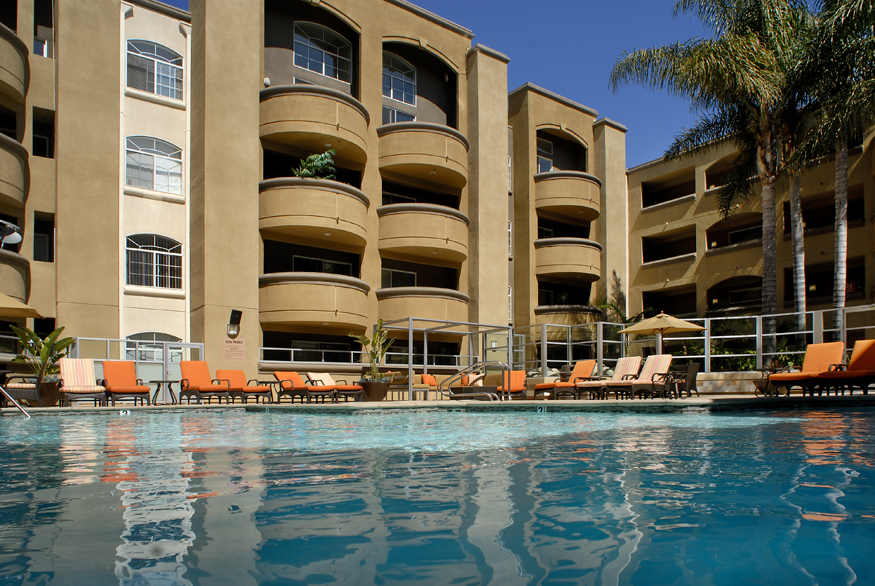
GLENDALE, ARIZ. — The letters arrived like a landlord’s version of a ransom note, at least according to the people who received them. Tenants at the Buenas Apartments near 67th Avenue and Maryland in Glendale say they opened their mail to find that their rent and fees had suddenly jumped — by hundreds of dollars in some cases, by more than $1,000 in others — and that the letter came with a five-day deadline: pay the new amount, or face eviction. The residents, many of whom told FOX 10 they are on Social Security or government-funded programs, say the increase is simply unaffordable — and that they don’t know what comes next if they can’t pay.
Everything in this story starts from what the tenants and the station’s reporting say. We weren’t shown the letters ourselves, and the complex’s management and owners haven’t publicly responded to the accounts — an absence we’ll come back to. But the paper trail FOX 10 describes is unusually specific, and the residents the station spoke with are naming names, waving their leases, and asking a question that keeps echoing through the piece: why?
What the letters say — according to the tenants
According to FOX 10’s reporting, the letters told tenants who were current on their rent that their rent and fees had increased, and warned that failing to pay the new amount within five days would result in eviction. Resident Autumn Toms showed the station her paperwork: under her original lease, her rent and fees totaled $1,198, she said. The new letter, she said, demanded $1,618 — an increase of more than $400. Other residents at the complex displayed letters, the station reported, indicating they owed at least $1,000 more than their usual payment amounts.
That’s the number that stops you cold. A $400 jump on a fixed income isn’t a budget adjustment; it’s a cliff. And residents told FOX 10 that a lot of the people in the complex live exactly that kind of budget — many are on Social Security or government-funded programs, the station reported, making an unexpected increase of this size not just painful but mathematically impossible. “Devastated” is the word the station used to describe the mood, and it’s not hard to see why: five days is barely enough time to make a phone call, let alone restructure your life.
The residents’ accounts, in their own words
Toms, who appears to have become the tenants’ most visible voice, didn’t hedge her language when FOX 10 put her on camera. “My message to the owners is they better fix this because what they’re doing is illegal, and you’re hurting so many people by just….I don’t even know what the motive is. How could you have so little empathy,” she said, according to the station. The word “illegal” is hers, not ours — no court or regulator has ruled on these letters — and we’re quoting it as her characterization of what the tenants are experiencing. But the rest of the sentence is pure human math: people are hurting, the motive is unclear, and the empathy deficit feels enormous.
Another resident, Shannon Price, went somewhere more philosophical, and honestly, it landed harder. “The problem is you have good people here right now, and if you help, we help. Why would you do that? Why? That’s my answer the whole way through. Why?” he said, according to FOX 10. There’s no accusation in that, really — just bafflement. These are people who say they pay on time. They want to keep paying. And they’re being told, in effect, that playing by the rules got them an invoice they can’t cover and a five-day clock.
It’s not just the money — it’s the living conditions
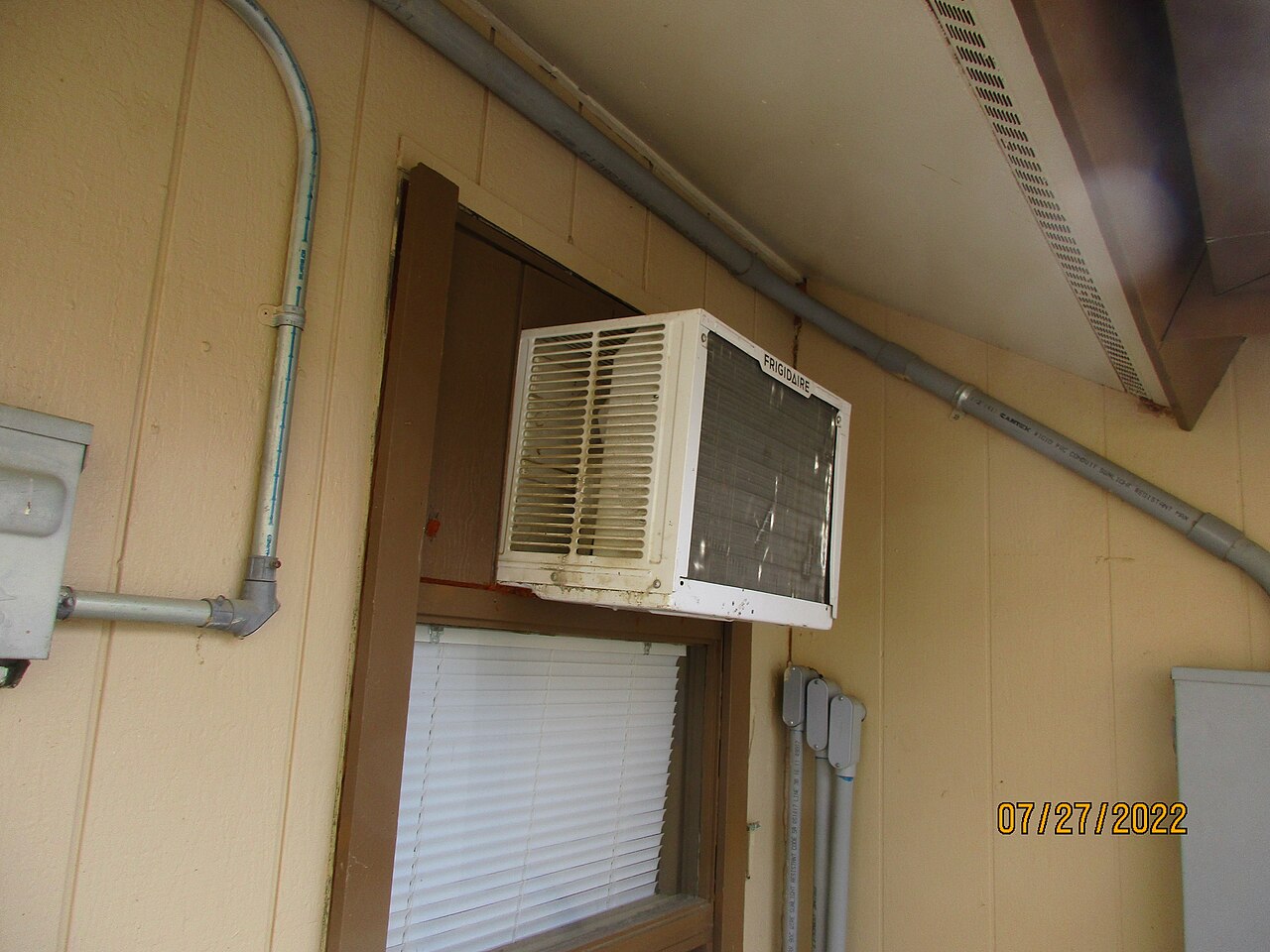
The rent letters may be the spark, but they landed on a pile of dry kindling. According to FOX 10’s reporting, a lot of the neighbors also say they have gone months without air conditioning — in Arizona, which is not a footnote, it’s the headline of a second crisis — while some who do have AC report leaking vents. Residents are also dealing with roaches, toilet issues, and brown water, the station reported, and said that management either ignores the problems or fails to fix them adequately.
Read that list again slowly, because it’s the kind of inventory that shows up in government complaints, not just news stories. No cooling for months in the Phoenix metro. Brown water. Plumbing that doesn’t work. Pest infestations. Each item is a maintenance problem on its own; together, they’re the profile of a complex where the day-to-day operation has broken down — which is exactly why the Attorney General’s office had this landlord in its sights before any of this weekend’s letters were written.
A landlord the state already sued
FOX 10’s report noted that Attorney General Kris Mayes announced a lawsuit against Buenas Communities LLC in August 2024, alleging the company “willingly” neglected to provide habitable living conditions for its residents and citing patterns of neglect and deception from the corporate landlord. We verified that lawsuit independently, and here’s the important nuance: the August 2024 case did not concern the Glendale complex at 67th and Maryland. According to contemporaneous reporting from the USA Today network’s Beacon Journal and the Rental Housing Journal, Mayes sued over a different Buenas Communities property — Buenas on 32nd, at 32nd Avenue and Indian School Road in Phoenix — where the state alleged failing air conditioning (a portable chiller installed after a July demand letter wasn’t enough for all tenants), broken windows, faulty plumbing, bed bug infestations, and crumbling infrastructure, and where residents who complained allegedly faced eviction threats and retaliation. The state sought a permanent injunction, restitution, and civil penalties, including a request to bar the company from renting to Arizona consumers in the future.
That distinction matters, and we’re being precise about it: same corporate landlord, different complex. But it also explains why this weekend’s story feels less like a bolt from the blue and more like a pattern being tested in a second building. When a company has already been sued by the state’s top law-enforcement officer over habitability failures at one complex, tenants at a second complex under the same ownership reporting the same categories of problems — dead AC, unaddressed maintenance, eviction pressure — is going to get the state’s attention again. Mayes’s office has made tenant protection a visible priority; earlier this month the AG filed a major consumer-fraud suit against two pharmacy benefit managers, and her office has repeatedly gone to court over housing conditions.
What “five days” actually means in Arizona
A note on the mechanics, because this is where tenants need real information, not vibes. Under Arizona’s landlord-tenant law (A.R.S. §33-1368), a five-day notice to pay or vacate for nonpayment of rent is a standard legal instrument — not an instant eviction. If rent goes unpaid, the landlord must give written notice and five days to pay; only after that can the landlord file a special-detainer eviction action in court, and even then the agreement is reinstated if the tenant tenders all past-due rent (plus any reasonable late fee in the written lease) before the filing. An actual eviction requires a judge’s order — a landlord can’t change the locks or shut off utilities to force someone out.
The harder truth is what Arizona law does not do. State law preempts local governments from enacting rent control — cities and towns can’t cap rents or limit increases the way some coastal cities do — which means there’s no legal ceiling on what a landlord can ask, only on how the process must work. Disputes about whether a mid-lease hike or a fee increase is actually permitted generally come down to the lease terms and the statute, which is why the paperwork Toms showed FOX 10 — her original lease, the new letter — is the evidentiary core of this story. Tenants who believe a demand is improper can file a complaint with the Attorney General’s office and seek free or low-cost legal aid in Maricopa County; nothing here is legal advice, but the options exist and they’re free to pursue.
The missing half of the story
Every tenant-versus-landlord story has two sides, and this one is visibly missing one. As of publication, no public statement from the complex’s management or owners had appeared in the available reporting — no explanation of the letters, no comment on the conditions residents describe, no response to the state’s earlier lawsuit. That silence leaves a lot of legitimate questions unanswered: Are these letters rent increases, or are they notices of previously agreed fees coming due? Were they sent to all tenants or a subset? And if the conditions residents describe are accurate, what is the plan to fix them?
We’re also noting what the reporting doesn’t establish. FOX 10’s story doesn’t say how many residents received letters, whether any tenant has filed a court challenge, or what the management company’s position is. The eviction clock described in the letters is ticking while those questions stay open — which is precisely why we’re publishing what’s verifiable and attributing the rest. If the owners have an explanation, we’ll publish it.
Sources
- Glendale apartment residents face sudden rent increases and eviction threats FOX 10 Phoenix (KSAZ) · Oct 4, 2026
- Arizona Attorney General Kris Mayes sues Phoenix apartment complex Beacon Journal (USA Today Network) · Aug 2, 2024
- Arizona AG Sues Big Apartment Complex Over Air Conditioning Rental Housing Journal · Aug 2024
- Arizona Revised Statutes §33-1368 — Noncompliance with rental agreement; failure to pay rent Justia · 2025 Arizona Revised Statutes
- State Law Barriers to Implementation of Rent Control ASU Morrison Institute · Nov 2021