WEDNESDAY, OCTOBER 7, 2026 — Here’s a sentence that would have sounded strange five years ago: Google is now one of the biggest forces in the American nuclear industry. On Tuesday, Alphabet’s Google inked a 20-year agreement to buy 890 megawatts of electricity from Constellation Energy’s nuclear plants, which will be upgraded to produce more power from their existing reactors, Reuters reported. And on Wednesday, half a world away, uranium miners woke up to their best trading day in weeks.
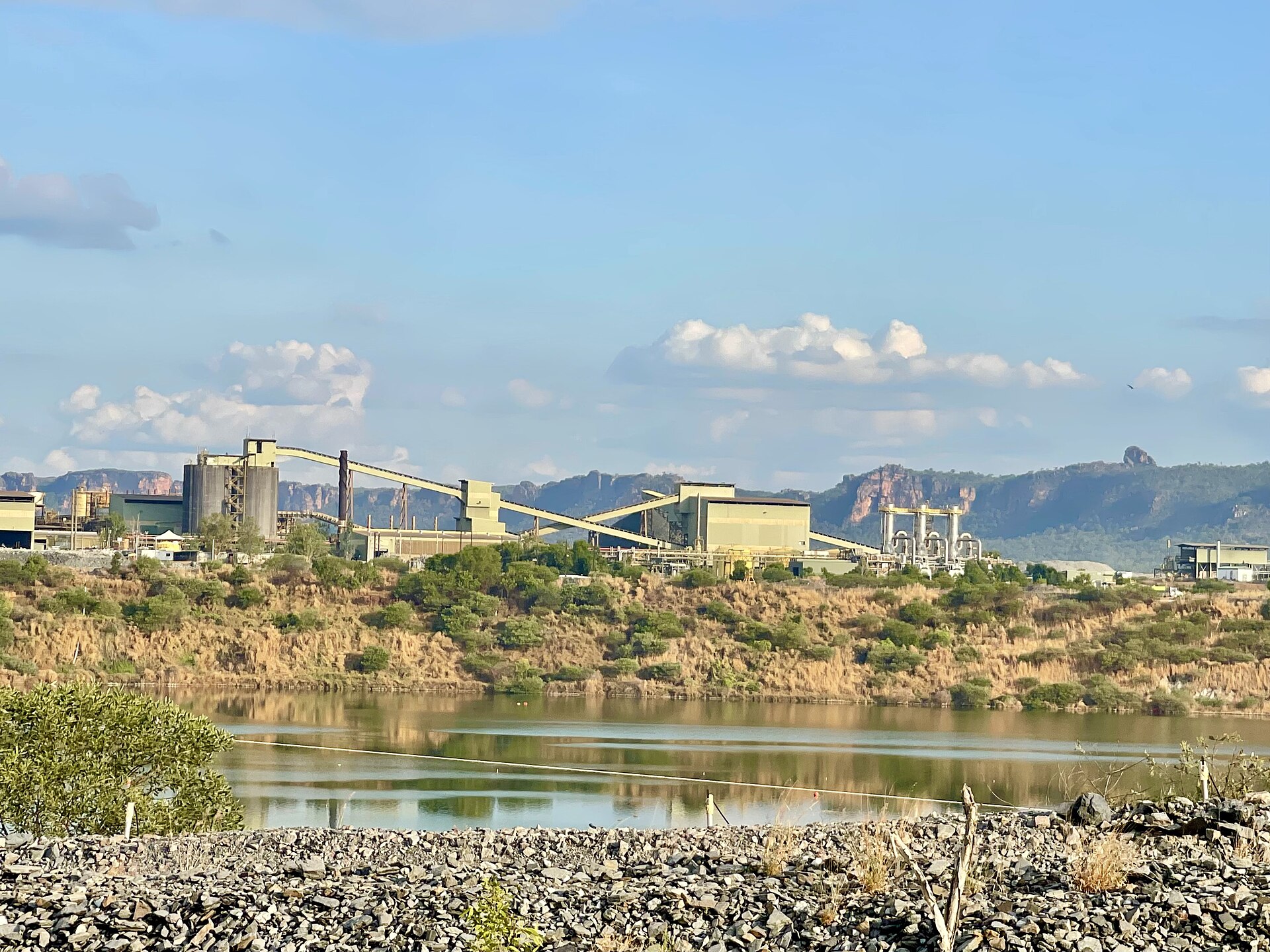
The numbers tell the story. Boss Energy jumped 4.6%, its biggest intraday gain in more than a week. Deep Yellow also rose 4.6% — its best session since September 3. Paladin Energy climbed 2.5%, its strongest day in over two weeks. All three are Australian uranium miners, and all three are riding the same wave: the conviction that the AI data-center buildout means a lot more yellowcake getting dug out of the ground. “The Google-Constellation Energy deal is giving the entire uranium complex a spike,” said Luke Winchester, portfolio manager at Merewether Capital.
The deal itself is bigger than the 890-megawatt headline. According to Reuters, Google contracted for 3,590 megawatts of power from Constellation in total — the largest power deal in the PJM grid, the giant wholesale market serving 67 million people across 13 states and Washington, D.C. Beyond the 20-year nuclear uprate agreement sits a separate 15-year supply agreement for another 2,700 megawatts from Constellation’s existing PJM fleet, giving the utility long-term revenue certainty for plants already running.
Uprates, Not New BuildsThe clever part of the engineering
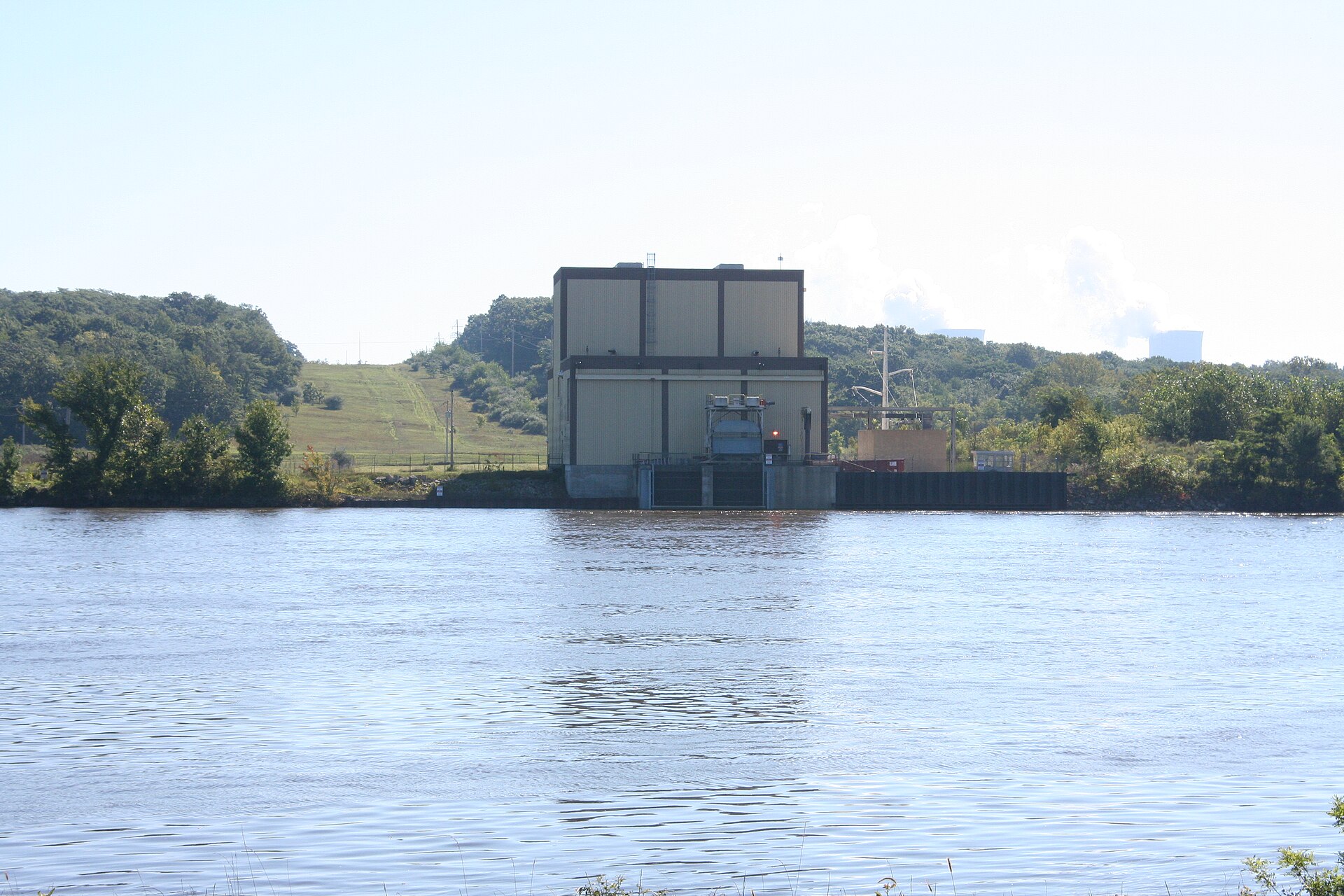
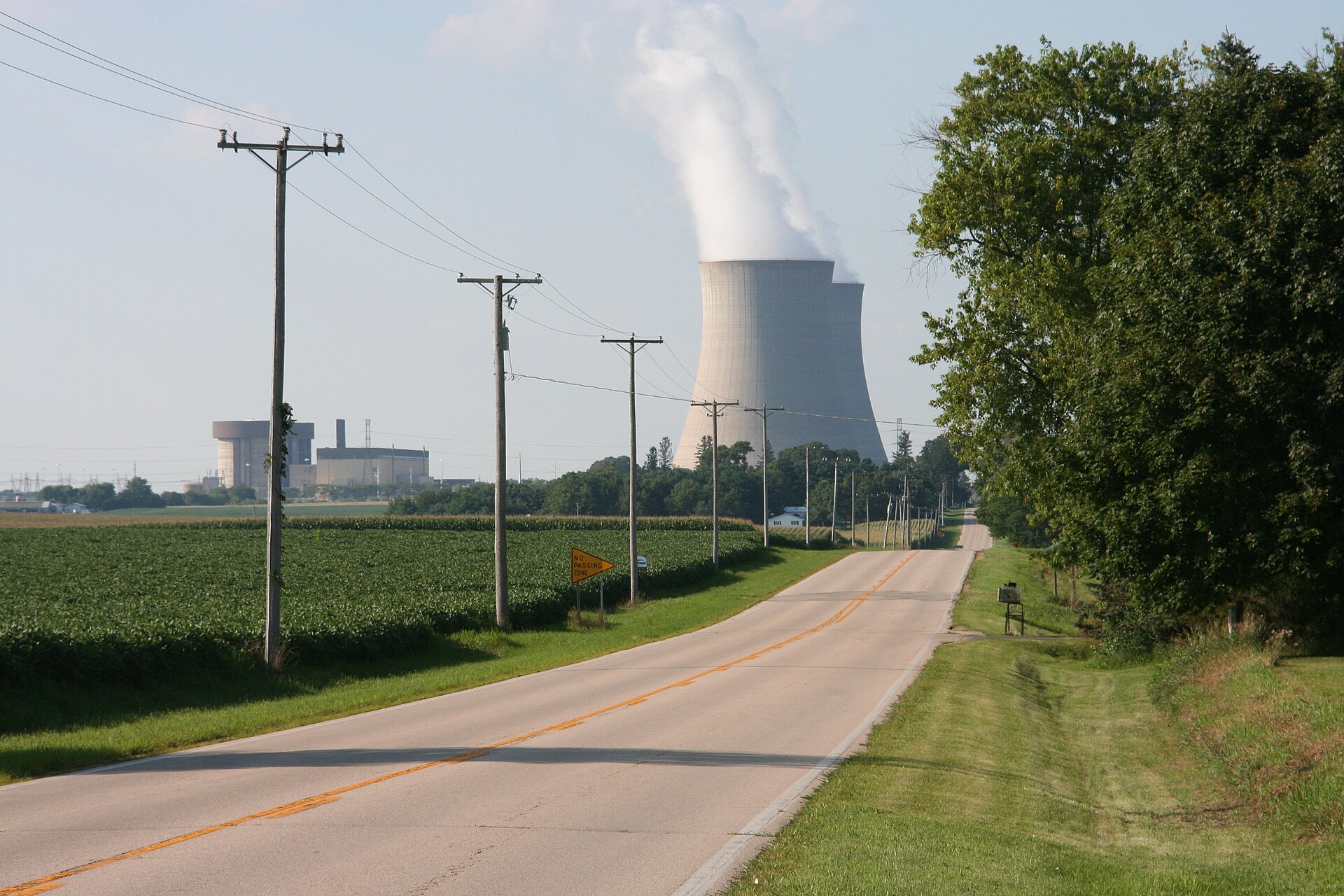
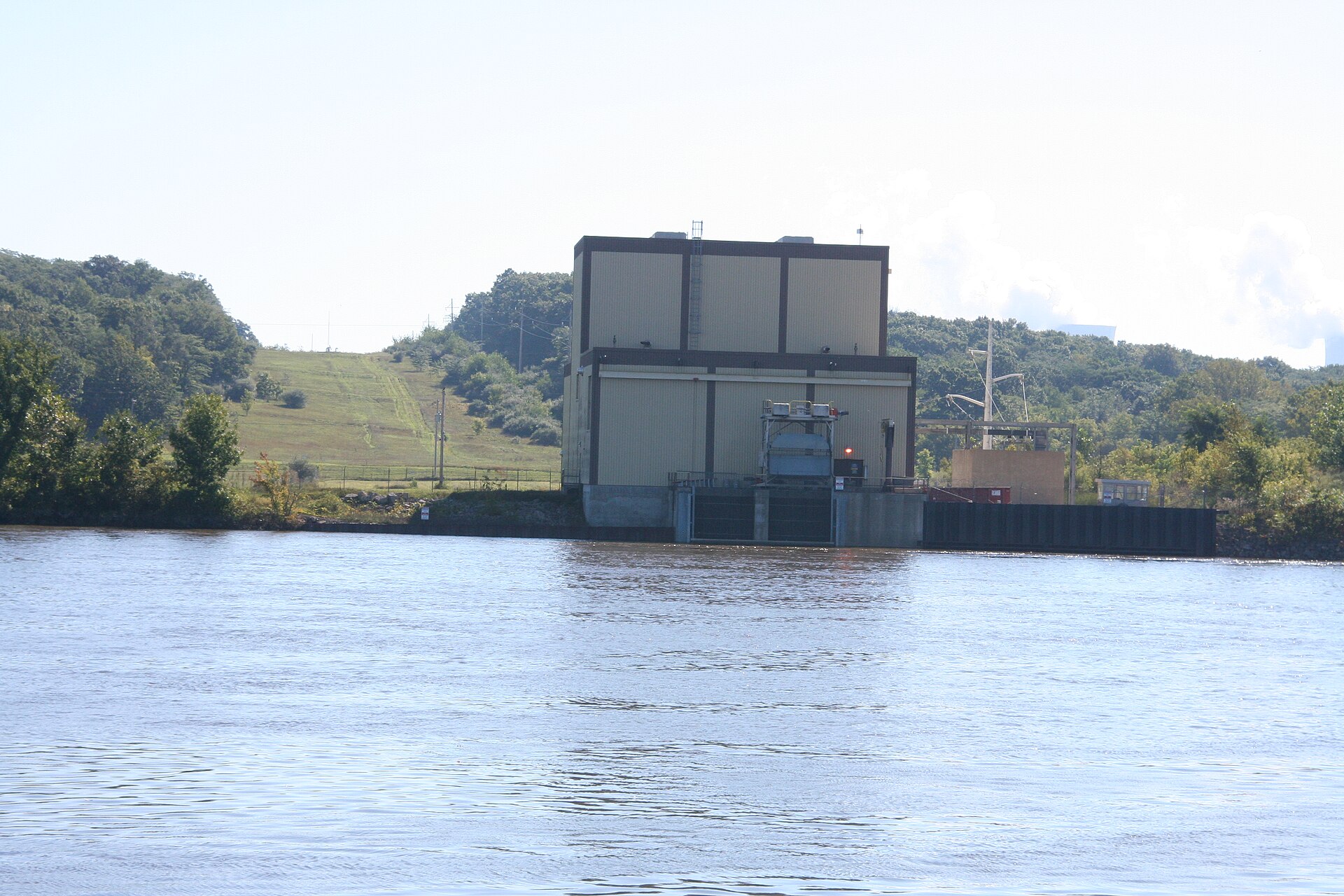
The elegant thing about this deal is what Google isn’t doing: building a reactor. Instead, Constellation — America’s largest nuclear operator, based in Maryland — will spend more than $4.3 billion replacing turbines, steam generators and digital control systems at 11 reactor units across six sites: Braidwood, Byron, LaSalle and Quad Cities in Illinois; Limerick in Pennsylvania; and the Salem plant in New Jersey, which Constellation partly owns. The industry calls these “uprates,” and the added 890 megawatts is roughly what an entirely new large reactor would deliver, according to the companies.
First increments of the new power are expected in 2028, with the full 890 MW online by the end of 2032. Google is covering Constellation’s costs for the new capacity, transmission upgrades and ongoing operations, a Google spokesperson told the Daily Caller News Foundation — meaning ratepayers in the three states aren’t footing the bill for a tech company’s electricity. “Under these nuclear uprate agreements, Google is covering Constellation’s costs to invest in new capacity, make necessary transmission upgrades, and manage ongoing operations,” the spokesperson said. “This ensures Google pays the full cost of the new generation required to meet its demand, while also supporting the ongoing operations of Constellation’s existing assets — costs that might otherwise be passed on to local ratepayers.”
There’s an AI angle too, because of course there is: Constellation selected Google Cloud and Gemini Enterprise under a five-year technology alliance the company calls an “AI for energy” blueprint — using Google’s tools to plan the uprates, optimize plant dispatch and protect critical infrastructure. (We’ve been tracking Google’s AI push separately: see our story on Gemini 4’s new flagship model.) The deal is also a jobs story: roughly 4,400 existing positions sustained and about 7,200 construction jobs during the build, the companies said.
The Bigger PictureWhy hyperscalers keep going nuclear
Zoom out and the pattern is unmistakable. The global data-center boom is straining power and water infrastructure, pushing operators and hyperscalers to prioritize sustainability while somehow finding staggering amounts of electricity, Reuters reported. Nuclear is the rare source that is both reliable and low-carbon — and Big Tech has been circling it for two years. Constellation unveiled an agreement to restart its Three Mile Island reactor in Pennsylvania to serve Microsoft data centers, while Google separately contracted to restart NextEra Energy’s nuclear plant in Iowa. Tuesday’s deal is the biggest yet between a nuclear provider and a tech company, according to The Wall Street Journal.
“We’re committed to meeting our growth responsibly by actively investing in clean, reliable power that brings new capacity to our nation’s grids,” said Amanda Peterson Corio, Google’s global head of energy and power, in a statement. For the uranium market, the validation matters as much as the megawatts. As Winchester put it, the uranium bulls have argued for years that nuclear should be the primary energy source for power-intensive data centers — and one of the world’s largest hyperscalers just gave that argument real legitimacy.
No prices were disclosed — not per megawatt-hour, not in total. Investors didn’t wait for one. Alongside the Australian miners’ rally, Constellation shares jumped roughly 14% on Tuesday, with the enthusiasm spreading to Talen Energy, Vistra and NRG Energy, according to market reports. When the grid needs 6.8 gigawatts it doesn’t have, as PJM reportedly does, the companies that can conjure new electrons out of old reactors are going to get paid. Google just decided it would rather be the one writing the check than the one waiting in line.