DUBAI — Just as Middle Eastern oil exports clawed their way back toward prewar levels, a new wave of attacks on shipping around the Strait of Hormuz is threatening the fragile recovery — and the White House has shut the door, for now, on Iran's offer to end the crisis.
01The Attacks Are Back
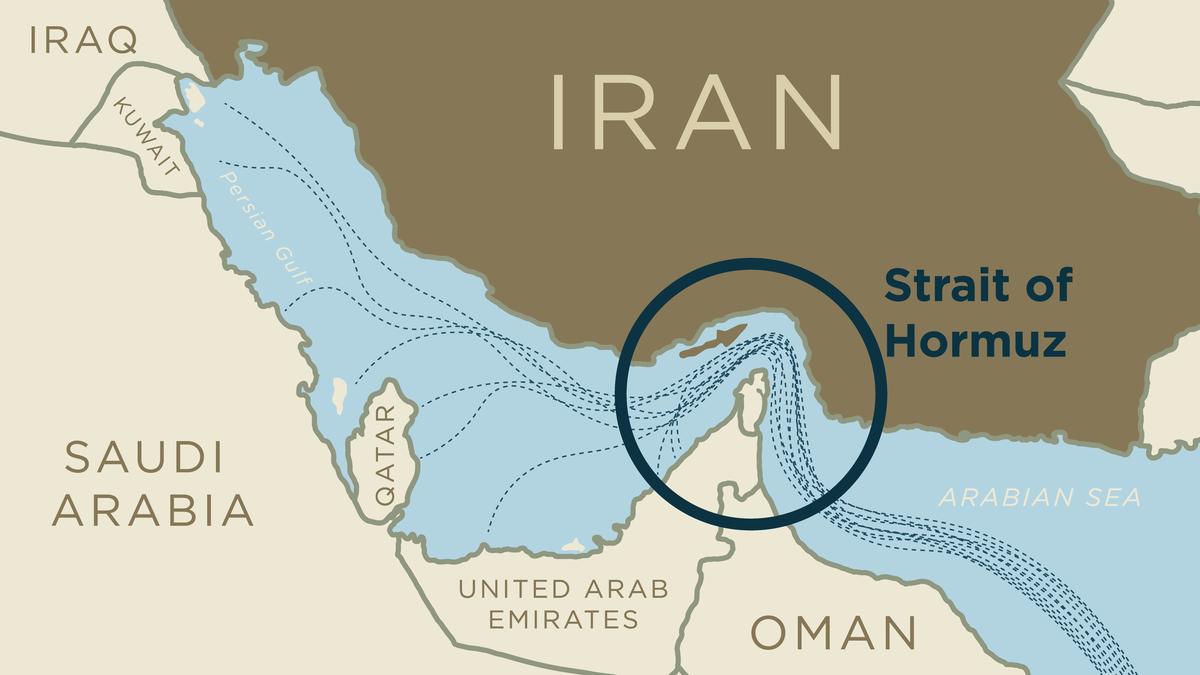
After several days without reported attacks toward the end of last month, the U.K. Maritime Trade Operations — affiliated with the Royal Navy — has reported seven strikes on vessels around the waterway since September 28, according to an exclusive report in The Wall Street Journal updated Monday morning, European time. On Sunday, UKMTO reported another strike, though it did not specify when the incident happened. All seven vessels were attacked near the narrowest part of the Hormuz strait, according to UKMTO.
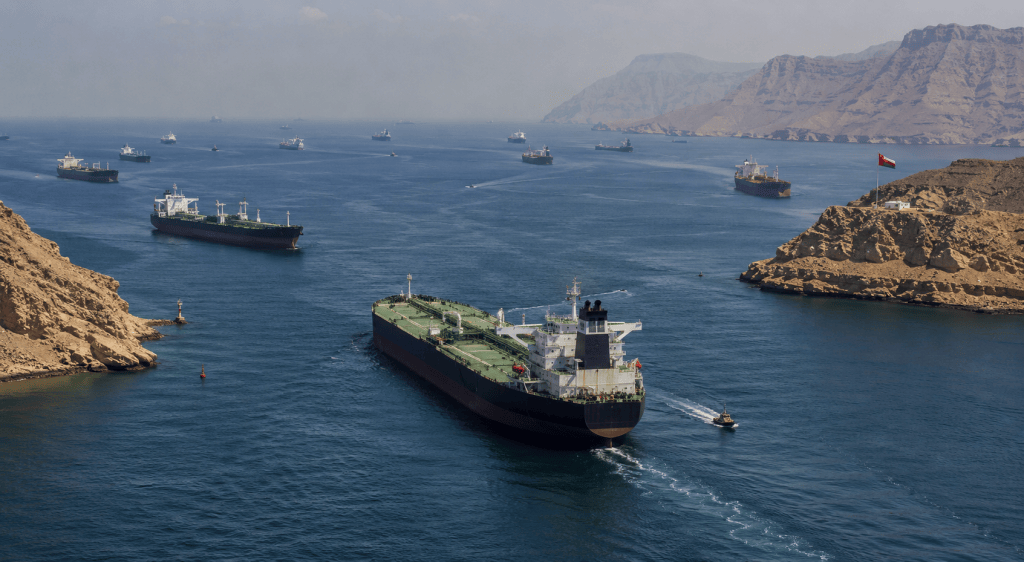
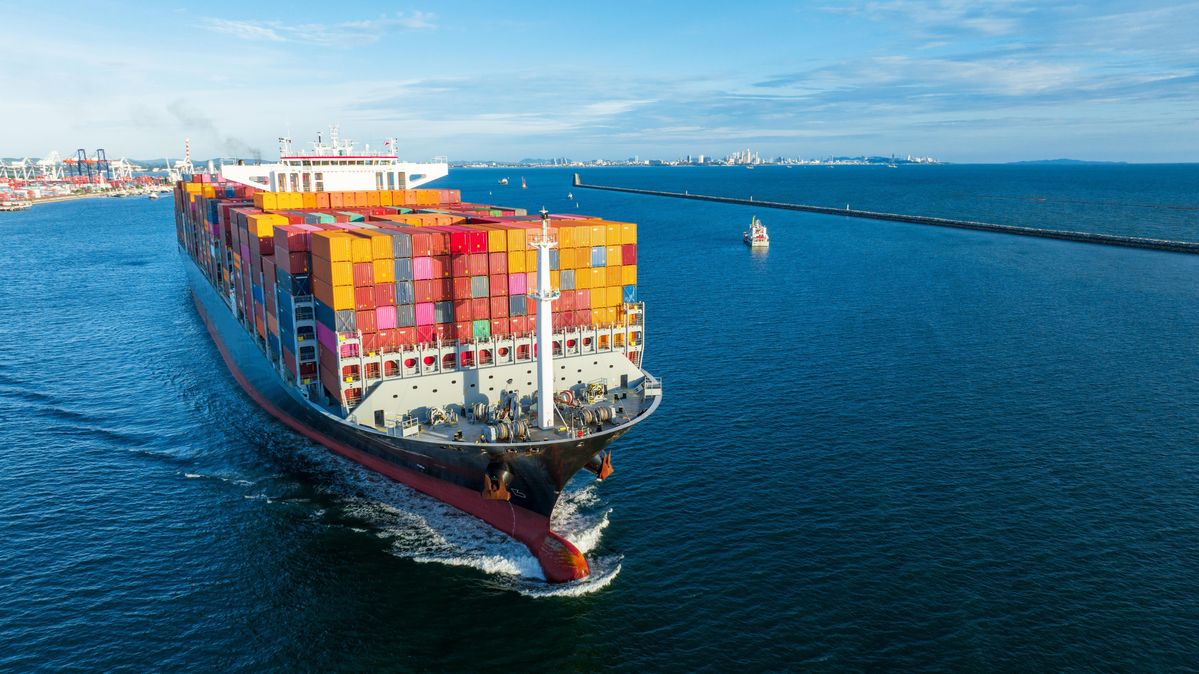
The renewed campaign arrives after a swift rebound in shipments in recent weeks, driven by U.S. naval protection and earlier waves of strikes that knocked out Iranian radar and communications along the contested strait, The Wall Street Journal reported. The United Arab Emirates and other producers have set up an elaborate system of shuttle runs in which tankers load inside the Persian Gulf, exit Hormuz and transfer the crude to vessels waiting outside the waterway.
Separately, a tanker was struck on October 1 by an unknown projectile, starting a fire aboard the vessel; the crew was reported safe, The Wall Street Journal reported. The incident underscores how quickly the shipping lane — through which roughly a fifth of the world's petroleum liquids consumption flows — can turn hazardous again.
02The Radio Warning
Iran's Islamic Revolutionary Guard Corps navy issued a warning Saturday to ships planning to use the U.S.-backed route through the strait, saying they would be targeted and destroyed, The Wall Street Journal reported.
"Don't trust U.S. Navy and don't use south corridor at all and don't put your life in danger," said a radio message transmitted on a public shipping channel and reviewed by The Wall Street Journal.
The warning targets the southern corridor along the Omani coast — the route that much of the recovering Gulf traffic now uses under American naval cover. Tehran has long pressed shippers to avoid that lane and instead use a northern path it controls, a demand that ship operators and insurers have treated as a nonstarter.
03Flows Begin to Slow
The renewed attacks may already be taking a toll, with early signs that oil flows are beginning to slow, analysts told The Wall Street Journal. Firm data comes with a lag, because many ships are operating without their transponders switched on to avoid becoming targets — the maritime equivalent of going dark.
That opacity cuts both ways in the political fight over the strait. President Trump has claimed a "record amount of oil" is moving out of the waterway, while Iran's leadership has dismissed the recovery as overstated. Treasury Secretary Scott Bessent said Sunday on Fox that current flows are "averaging now 15 to 22 million barrels a day," compared with about 20 million barrels a day before the conflict began.
Before the U.S.-Israel war on Iran began, exports averaged 18 million barrels a day between March 2025 and February 2026, according to ship-tracking firm Kpler data cited in reporting on the region. Kpler's provisional figures showed crude exports from the Middle East rising above prewar levels on four of the seven days in the last week of September — a recovery the new attacks now put at risk.
04Trump Says No to Tehran
On Sunday, President Trump rejected Iran's proposal for a ceasefire and a full reopening of the Strait of Hormuz in exchange for sanctions relief and the release of frozen Iranian funds, he told Axios.
"They want to make a deal but it is not the deal that I want to make… They overplayed their hand," Trump told Axios, dismissing the offer outright. He also said he expects talks to resume this week, leaving the diplomatic door ajar even as he spurned the current terms.
Iran's parliament speaker, Mohammad Bagher Ghalibaf, said Sunday that Tehran will not fully reopen Hormuz until Washington meets seven conditions laid out in an earlier memorandum of understanding, per reporting on his remarks. "The era of wasting time and dictating unilateral demands is over," he said. Foreign Minister Abbas Araghchi echoed the position: "Our conditions are clear, and any move toward reopening the Strait of Hormuz is contingent on these conditions being met."
The standoff leaves the waterway in the worst of both worlds: partially open, persistently dangerous, and without a diplomatic off-ramp either side currently accepts. As The Wall Street Journal noted in earlier reporting on the crisis, with its own oil income dwindling under the U.S. naval blockade and its neighbors finding workarounds, Tehran may see renewed attacks as its best remaining means of applying pressure — even at the risk of American retaliation.
05The Wider Region Heats Up
The Hormuz escalation is not happening in isolation. Saudi-backed Yemeni forces seized the Dhubab district near the Bab el-Mandeb strait with coalition air support, Reuters reported — a development at the Red Sea's own chokepoint that compounds the pressure on global shipping lanes at both ends of the Arabian Peninsula.
For energy markets, the arithmetic is grim: two of the world's most critical maritime corridors are now active conflict zones at once. The G7 nations have agreed to a coordinated release of crude and diesel from strategic reserves to blunt elevated fuel prices, but analysts cautioned that successful hits on tankers could quickly send prices higher again.
"In the absence of a decisive end to the conflict, the balance of risks to oil prices will remain skewed to the upside," Hamad Hussain, a senior economist at Capital Economics, told The Wall Street Journal. With Trump expecting talks to resume this week and Iran holding firm on its seven conditions, the strait — and the world's oil supply — remains hostage to a negotiation neither side is currently willing to close.
Sources
- Oil Was Pouring Out of Hormuz Again. Then Attacks on Ships Resurged.
Wall Street Journal — 2026-10-05 - Oil Was Pouring Out of Hormuz Again. Then Attacks on Ships Resurged
The Times (WSJ reprint) — 2026-10-05 - Reuters — Middle East coverage
Reuters — 2026-10-05