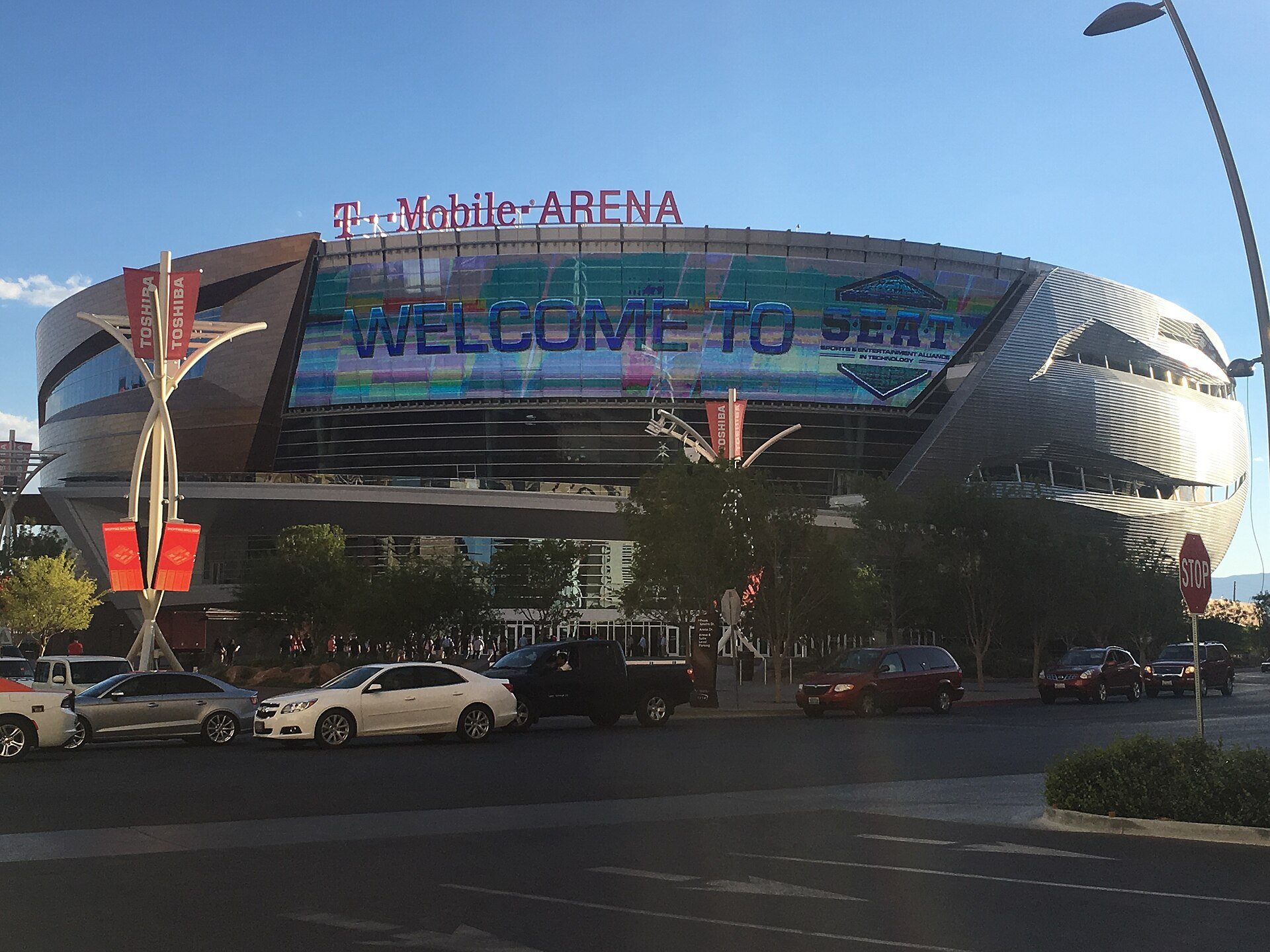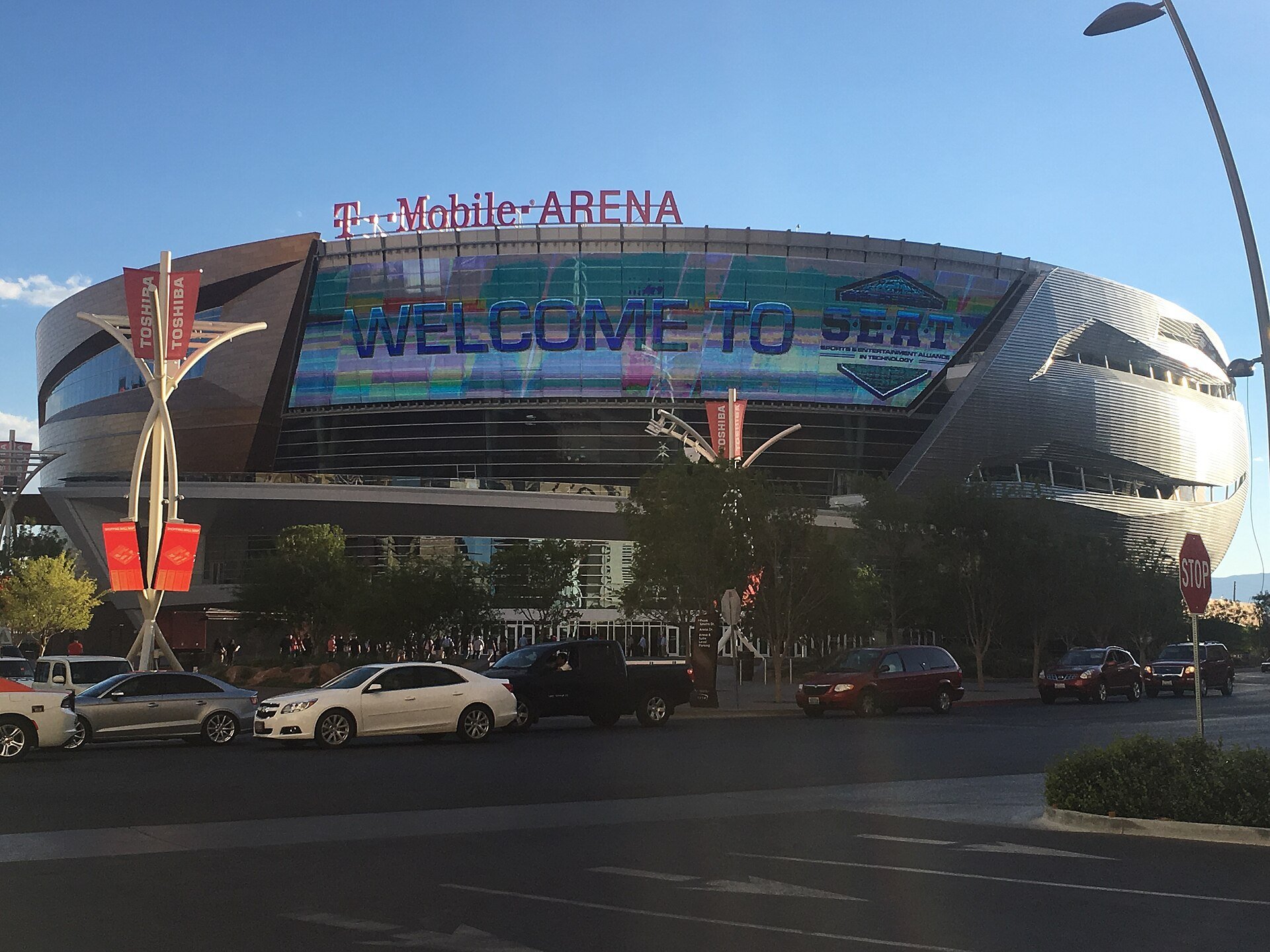
LAS VEGAS — For three years, the NBA Cup belonged to Las Vegas. The semifinals, the championship game, the trophy presentation, the confetti — all of it happened at T-Mobile Arena, and the city was starting to feel like the tournament’s permanent home. That era is over. The NBA has announced that the 2026 Emirates NBA Cup championship will be played Friday, December 11 at Hinkle Fieldhouse in Indianapolis — the first time the final has been staged anywhere but Las Vegas.
And it isn’t just the final. Starting this season, the semifinals are leaving Vegas too. Instead of the neutral-site final four the tournament has used since its debut, the higher-seeded team in each conference will host its semifinal game on December 8 and 9. The quarterfinals on December 4 and 5 move to home markets as well. After three years of the whole knockout stage converging on the Strip, the Cup is scattering to the winds — and landing, for its biggest night, in a 9,100-seat college fieldhouse in Indiana.
To understand why this stings a little in Las Vegas, rewind the tape. In December 2023, LeBron James and the Lakers beat the Indiana Pacers 123–109 to win the inaugural Cup, with James named the tournament’s first MVP after averaging 26.4 points, 8.0 rebounds and 7.0 assists. In 2024, Giannis Antetokounmpo put up a 26-point, 19-rebound, 10-assist triple-double as the Bucks throttled the Oklahoma City Thunder 97–81. And last December, Jalen Brunson led the Knicks past the San Antonio Spurs 124–113 for New York’s first trophy of any kind since 1973 — a win that turned out to be a preview of the NBA Finals, where the same two teams met with the same result.
Every one of those nights happened in the same building, in the same city, in front of crowds that were learning in real time what this tournament was supposed to feel like. Vegas didn’t just host the Cup. Vegas helped invent it.
So why leave? The league’s answer is about atmosphere and identity. Commissioner Adam Silver has said the NBA was searching for “storied college arenas” to host the Cup final, and the league says it intends to bring the championship to “distinctive stages that honor the sport’s history.” Hinkle Fieldhouse, the longtime home of Butler University, is about as storied as it gets.
“Hinkle Fieldhouse offers a special setting to capture the excitement and drama of the Emirates NBA Cup Championship. Playing the championship in an iconic basketball environment like this will further establish it as a signature moment on the NBA calendar.”— Kelly Flatow, the NBA’s head of global events, in the league’s announcement
She’s not wrong about the building. Hinkle is one of the oldest arenas in the country, and its résumé reads like a museum of American basketball: it hosted at least six U.S. presidents, the first U.S. vs. Soviet Union basketball games, the Indiana High School Boys Basketball Tournament for decades, the WNBA’s Indiana Fever, and the NBA’s Indianapolis Olympians back in the league’s early years. It was used as a barracks for the U.S. military during World War II. And it was the site of the 1954 state championship game that inspired the movie Hoosiers — the single most mythologized night in Indiana basketball history.
“Hinkle Fieldhouse gets loud, and it gets as loud as loud gets.”— Brad Stevens, Boston Celtics basketball operations president, from his years coaching at Butler
The NBA is leaning all the way into the heritage play. Earlier this month the league launched its official countdown with tickets on sale for the December 11 final — streaming exclusively on Prime Video — and rolled out a citywide Indianapolis fan activation: a larger-than-life Emirates NBA Cup trophy and countdown clock outside Hinkle, plus branded basketballs hidden at five landmarks celebrating Indiana’s basketball heritage. The spots tell you everything about the pitch: Plump’s Last Shot, the restaurant honoring Hoosiers inspiration Bobby Plump; the John Wooden statue on Georgia Street; the Butler Bulldog statue outside Atherton Union; the Sports Legends Experience at the Children’s Museum; and the NDY sculpture on Massachusetts Avenue. Find a ball, bring it back to Hinkle, win championship tickets.
That’s the vision: the Cup as a traveling celebration of basketball’s holy places, not a permanent Vegas residency. And there’s a real argument for it. A 9,100-seat bandbox with a century of ghosts will sound and feel nothing like a 20,000-seat NHL arena on the Strip — and for a tournament still building its mythology in only its fourth year, mythology is the whole product.
But the timing is brutal for Las Vegas, because of what else is happening here. The city is on the verge of landing an actual NBA franchise — three billionaire groups are in the final running for a Las Vegas expansion team at a $12–13 billion price tag, with a league decision expected in the near future. Vegas spent years proving it could be a basketball town: Summer League, the Cup, All-Star weekend energy every December. Now, just as the city is about to get its own team, the league’s signature December event is moving out.
There’s a case that this is actually the compliment. The Cup doesn’t need Vegas as a neutral-site crutch anymore — the tournament has enough juice that home crowds will show up for quarterfinals and semifinals in their own buildings, and the final can sell out a cathedral in Indianapolis on reputation alone. The league is treating the Cup like a real championship now, with real home-court stakes, instead of a made-for-TV Vegas showcase. That’s growth.
Still. For three Decembers, when the final four teams in the NBA Cup were left standing, they all got on planes to Las Vegas. The Lakers’ first banner. Giannis’s triple-double. Brunson holding the trophy, the Knicks’ first in 53 years — and then, in a move that said plenty about how the Cup’s prestige is still being negotiated, the Knicks declined to raise a Cup banner at Madison Square Garden, breaking with what the Lakers and Bucks had done. All of it happened here.
What’s at stake this year: the defending champion Knicks are back, sitting in East Group B alongside the Cavaliers, 76ers, Heat and Pacers, trying to become the first repeat winners in tournament history. Group play tips off October 30 and runs through November 27, with all 30 teams split into six groups of five. The six group winners plus one wild card per conference advance to the single-elimination knockout rounds — and for the first time, the road to the trophy runs through home arenas, not the desert.
On December 11, somebody will lift the NBA Cup in a building where Hoosiers was born. It’ll be loud — as loud as loud gets. Las Vegas will be watching from 1,700 miles away, the city that built the tournament’s first three chapters and doesn’t get to host the fourth. The Cup grew up here. Now it’s leaving home.
The Short Version
Reporting this story is based on
- Butler's Hinkle Fieldhouse to host this year's NBA Cup final
ESPN News Services — 2026-07-01 - NBA Cup title game headed to Indy's Hinkle Fieldhouse in December
Reuters (Field Level Media) — 2026-07-01 - When does 2026 NBA Cup start? League unveils full tournament schedule
USA Today — 2026-08-12 - NBA launches countdown to Emirates NBA Cup with fan activation and championship tickets on-sale
Indiana Sports Corp — 2026-10-01 - NBA Cup championship game moves to Hinkle Fieldhouse in December
Eurohoops — 2026-07-01 - How past NBA Cup champions went on to finish the season
Sports Illustrated - Knicks won't raise banner after winning Emirates NBA Cup like Lakers & Bucks did
Lakers Nation (via ESPN's Shams Charania) — 2025-12-17
Championship venue, dates and format via the NBA's July 1, 2026 announcement as reported by ESPN and Reuters; group details via Eurohoops; schedule via USA Today; fan activation and ticket on-sale via Indiana Sports Corp (Oct. 1, 2026); past champions' results via Sports Illustrated; Knicks banner decision via ESPN's Shams Charania.