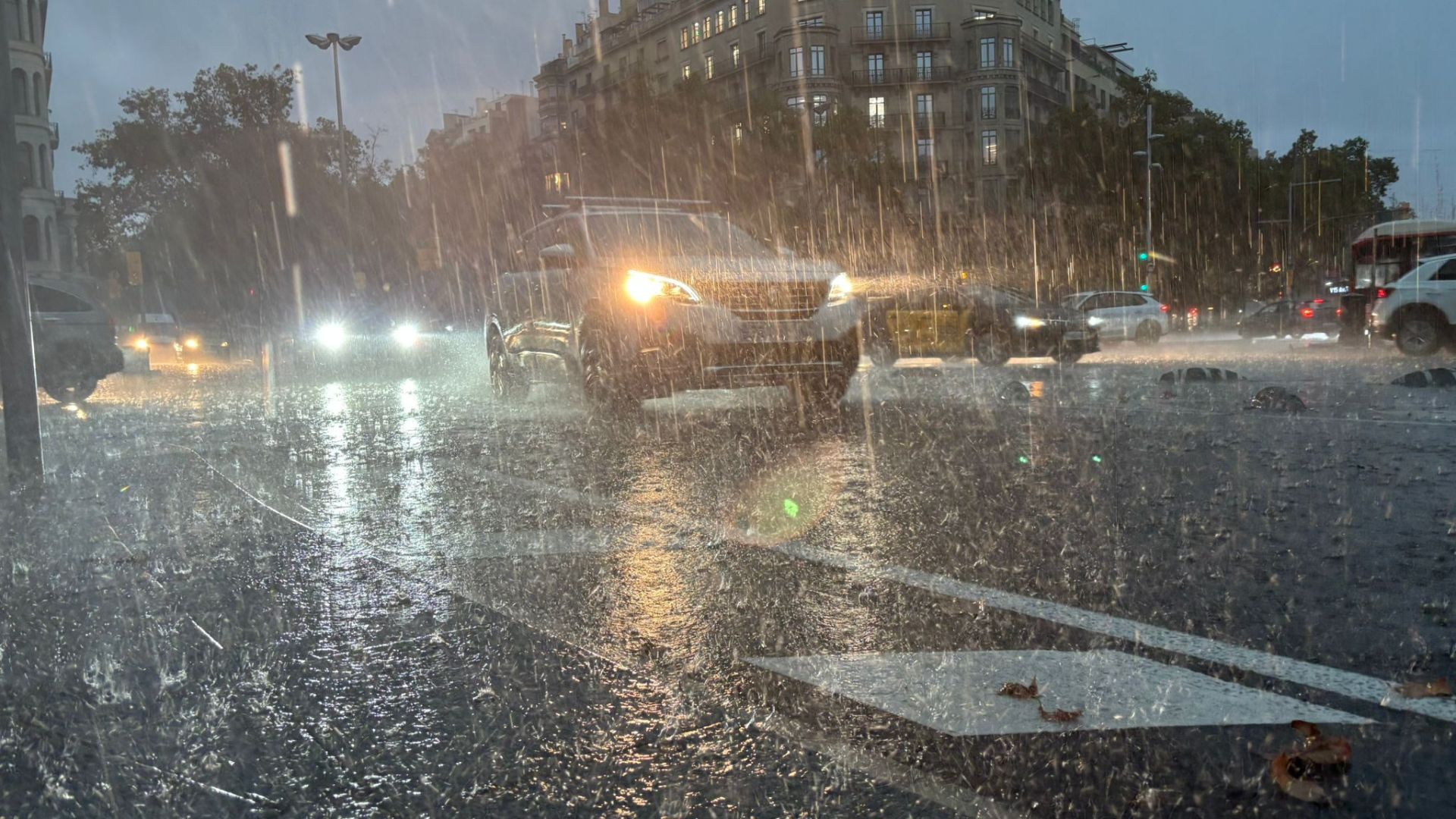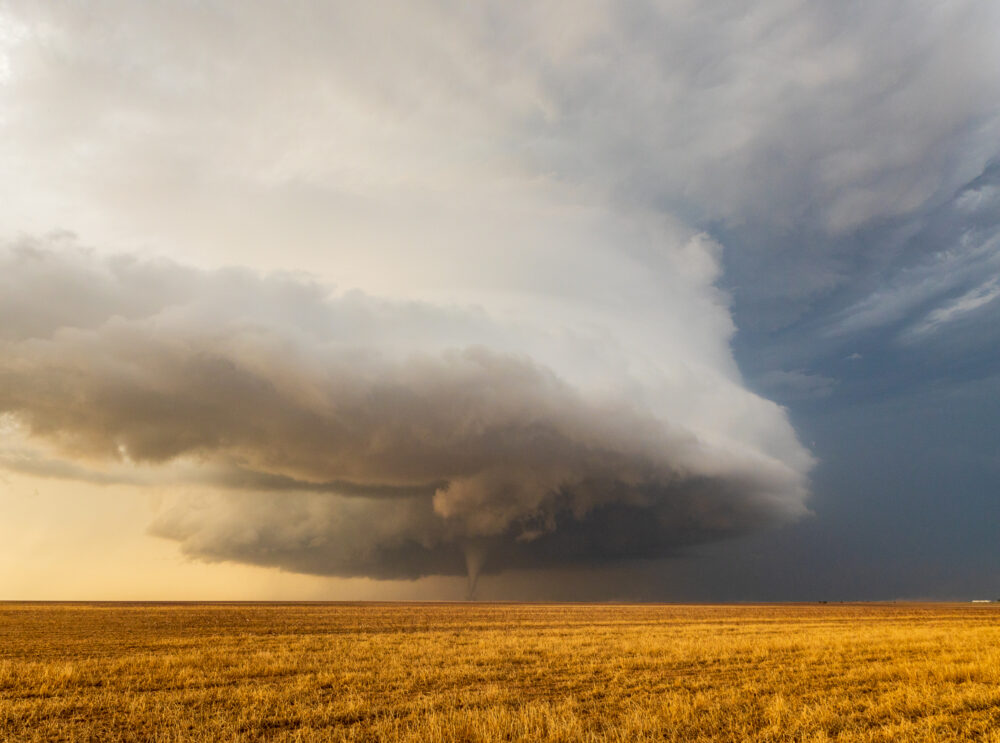
DALLAS — A sprawling storm system dragged its way across the South and Midwest on Wednesday, dropping torrential rain and flooding across Texas while spinning up multiple tornadoes in the Plains — and the ripple effects reached far beyond the weather map. ABC News reported that more than 750 flights were canceled and 8,600 were delayed nationwide as the system churned over some of the country's busiest air corridors.
The system is the midweek punch of a storm episode that began with the remnants of Hurricane Polo, which peaked as a Category 5 in the eastern Pacific — tying a record — before making landfall in Baja California Sur as a Category 2. What made it so destructive over land was the pileup of ingredients: a Pacific cold front stalled over Central Texas for days, acting as a lifting mechanism that wrung moisture out of the atmosphere repeatedly over the same areas, while southerly winds ahead of the front pulled additional moisture off the Gulf of Mexico and layered it on top of the Pacific tropical moisture already in place.
Texas took the heaviest water. Dallas-Fort Worth ended a 67-day dry streak with nearly six inches of rain in some locations, marking the airport's ninth-wettest October day on record. Stretches of Interstates 30 and 35E closed with stranded vehicles, several homes flooded near Amarillo, and basements flooded in the north Houston suburb of The Woodlands. In Central Texas, the Hill Country received more than 7 inches of rain by the end of the week, with Junction recording 9 inches. That much of it matters more because of what came before: nearly 92% of Texas was in at least moderate drought before the event, and dry, compacted soil can't absorb heavy rain — water runs off immediately, turning manageable rainfall into dangerous flash flooding.
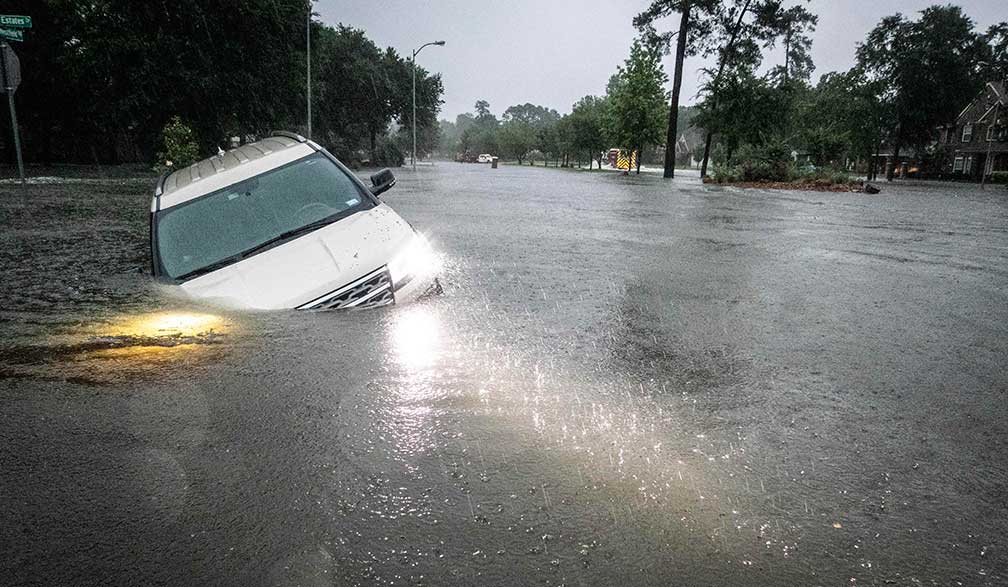
The flooding stretched far beyond Texas. In Kansas, vehicles were stuck on city streets in Wichita, multiple water rescues were needed in Dodge City, and approximately a dozen bridges in Jewell County needed repair after the flooding. In Nebraska, torrential rain in Lincoln stranded numerous vehicles and required water rescues — and Lincoln set its all-time wettest single-day record with 6.15 inches from the same system. In Iowa, landslides and road washouts were reported in Harrison and Shelby counties, and one person was injured when a section of road washed out in Persia.
The tornadoes came in two waves. Spotters sighted multiple tornadoes in the Texas Panhandle and western Kansas, including one that damaged outbuildings near Susank, Kansas. Two tornadoes near Amarillo — one near Claude that crossed nearly a mile of open country, another near Canyon — were both rated EFU, the designation survey crews use when a twister crosses open land without striking anything that would let them measure its strength. No injuries were reported from either, and Palo Duro Canyon State Park closed trails and bridges while it assessed storm damage. Governor Greg Abbott had warned ahead of the storms of winds up to 60 mph and the potential for tropical tornadoes with winds up to 80 mph.
The travel impact compounded fast. Beyond the national figures ABC News reported, Dallas-Fort Worth — American Airlines' largest hub — logged more than 200 flight cancellations, and the FAA issued ground stops at four Texas airports as thunderstorms moved through North Texas. Because so much of the country's fleet routes through DFW and Dallas Love Field, the regional backlog rippled into hubs across the country, turning a Texas weather day into a national schedule problem.

On the ground, the outages stacked up: more than 12,600 customers lost power statewide at the peak, with 7,500 of those across the Dallas-Fort Worth metro alone. Fort Worth fire and rescue crews fielded more than 400 emergency calls, dozens of water rescues were carried out, and sewer systems overflowed under the volume. Through it all, there were no reported fatalities in Texas — the rare bright line in a week of bad water.
Relief, at least from the severe side, arrives tonight. The National Weather Service's Storm Prediction Center said in its Wednesday evening outlook that no severe thunderstorm areas are forecast overnight, with no severe threat expected across the continental U.S. through daybreak Thursday. A moist airmass remains along the Gulf Coast, where isolated thunderstorms are possible — mainly across the Florida Peninsula — with scattered storms also possible ahead of a shortwave trough in the Northeast and across the Four Corners region. For the Midwest and Texas, the flooding cleanup now becomes the main event: standing water, washed-out roads and compromised bridges don't drain on the same schedule as the radar clears.
Standard safety guidance still applies across the flood zones. Never drive through flooded roads — the National Weather Service's “Turn Around Don't Drown” rule exists because most flood deaths happen in vehicles, and just a foot of moving water can sweep a car off a road. If a tornado warning sounds, shelter in an interior room on the lowest floor of a sturdy building, away from windows. And keep phone alerts on overnight: nighttime tornadoes are roughly 2.5 times more likely to kill than daytime ones, because people are asleep and don't hear warnings.
Wednesday's storm caps one of the most active October weather weeks Texas has seen in years — a week that opened with drought, broke records in Nebraska, and ended with the busiest travel day in weeks snarled from Dallas to Chicago. For more on how flooding is hitting communities worldwide this week, see our report on Catalonia's “mini-hurricane” and the deadly floods in Barcelona.
Reporting this story is based on
- ABC News — “Millions in the path of powerful storms”; torrential rain and flooding in Texas, multiple tornadoes in the Plains, 750+ flight cancellations and 8,600+ delays nationwide · 2026-10-07
- The Weather Channel — “Polo's remnants brought record rain to Plains, Southwest”; DFW flooding, Kansas/Nebraska/Iowa impacts, tornadoes in the Texas Panhandle and western Kansas · 2026-10-02
- ElectricChoice.com — Hurricane Polo Texas impacts; outage totals, DFW cancellations, FAA ground stops, tornadoes near Amarillo and Claude, rainfall totals · 2026-10-04
- National Weather Service Storm Prediction Center — Day 1 Convective Outlook; no severe thunderstorm areas forecast overnight · 2026-10-07