Monday, October 5, 2026 — Supermassive Games lays off more than 70 staff, less than six months after Directive 8020 shipped — and the news broke the way it so often does now: in a LinkedIn post from someone who was let go. Frank Tindle, the studio’s IT & Facilities Director and a member of its senior leadership team, wrote on Monday that he was leaving after sixteen years — and that he wasn’t leaving alone. “More than 70 brilliant people are leaving Supermassive: developers, artists, producers, QA, operations and more,” he wrote, adding the line that now appears in every one of these posts: “Any studio would be lucky to have them. If you’re hiring, DM me and I’ll make the introduction.”
Quick note on sourcing before we go on: the layoff count comes from Tindle’s own LinkedIn post, first surfaced by Insider Gaming and reported by Kotaku on Monday. Supermassive itself has not commented on the completed cuts. We’re treating the number as confirmed through the staff, the same way the industry has learned to read these announcements.
How we found out
Tindle’s post is the kind you read twice. He joined in 2010, he wrote, when he was the entire IT department — “all of it” — and he leaves as IT & Facilities Director and a member of the senior leadership team. In between, he watched the studio grow “from a handful of us to more than 400 people.” What he’s proudest of, he said, is the people: “Past and present, sixteen years of the best people I’ve worked with.”
“And it isn’t just me leaving today. More than 70 brilliant people are leaving Supermassive: developers, artists, producers, QA, operations and more. Any studio would be lucky to have them. If you’re hiring, DM me and I’ll make the introduction.”— Frank Tindle, former IT & Facilities Director, Supermassive Games, on LinkedIn, Oct. 5, 2026 (via Insider Gaming)
That a member of the senior leadership team is among the cuts tells you something about the depth of this one. These aren’t just junior roles and contractors. When the people running the building are out, it’s a restructuring, not a trim. And per Insider Gaming’s reporting, Tindle had been told several weeks ago that his position was at risk — the end of the consultation process the studio opened in August.
The August warning
This didn’t come out of nowhere. On Aug. 11, Supermassive announced it was beginning a redundancy consultation process, telling staff that up to 75 positions could be made redundant. The studio’s statement at the time was the industry boilerplate we’ve all memorized by now: “We have made the difficult decision to begin a redundancy consultation process, which we anticipate will result in the loss of up to 75 of our colleagues. This is a necessary step to help ensure the sustainability of the company.” It added that it would prioritize supporting those affected throughout the process.
U.K. employment law means these processes play out slowly and publicly — consultation first, then the cuts. That’s the same legal machinery currently grinding through the proposed closure of Ninja Theory, the Cambridge studio we covered earlier today. Two beloved British studios, two redundancy rounds, one Monday. It’s a bleak day for U.K. game development.
There were other tremors. Insider Gaming reported back on June 29 that Supermassive CEO Robert Henrysson stepped down from the studio following the launch of Directive 8020. A CEO exit right after a release is rarely a coincidence, and in hindsight it reads as the first visible crack.
Directive 8020, the game at the center of it
Here’s the hard part of this story, because I’ve got genuine affection for what this studio does when it’s firing. Directive 8020, the sci-fi horror game that shipped earlier this year, contained some of the studio’s best horror set-pieces to date — and then kept shooting itself in the foot. The writing didn’t land. The online co-op that these games are basically built for — playing a branching horror story with friends, yelling at each other’s choices — was missing at launch. Supermassive only announced last week that online multiplayer would finally be patched in sometime in October, nearly five months after the game released. Five months is an eternity in a launch window.
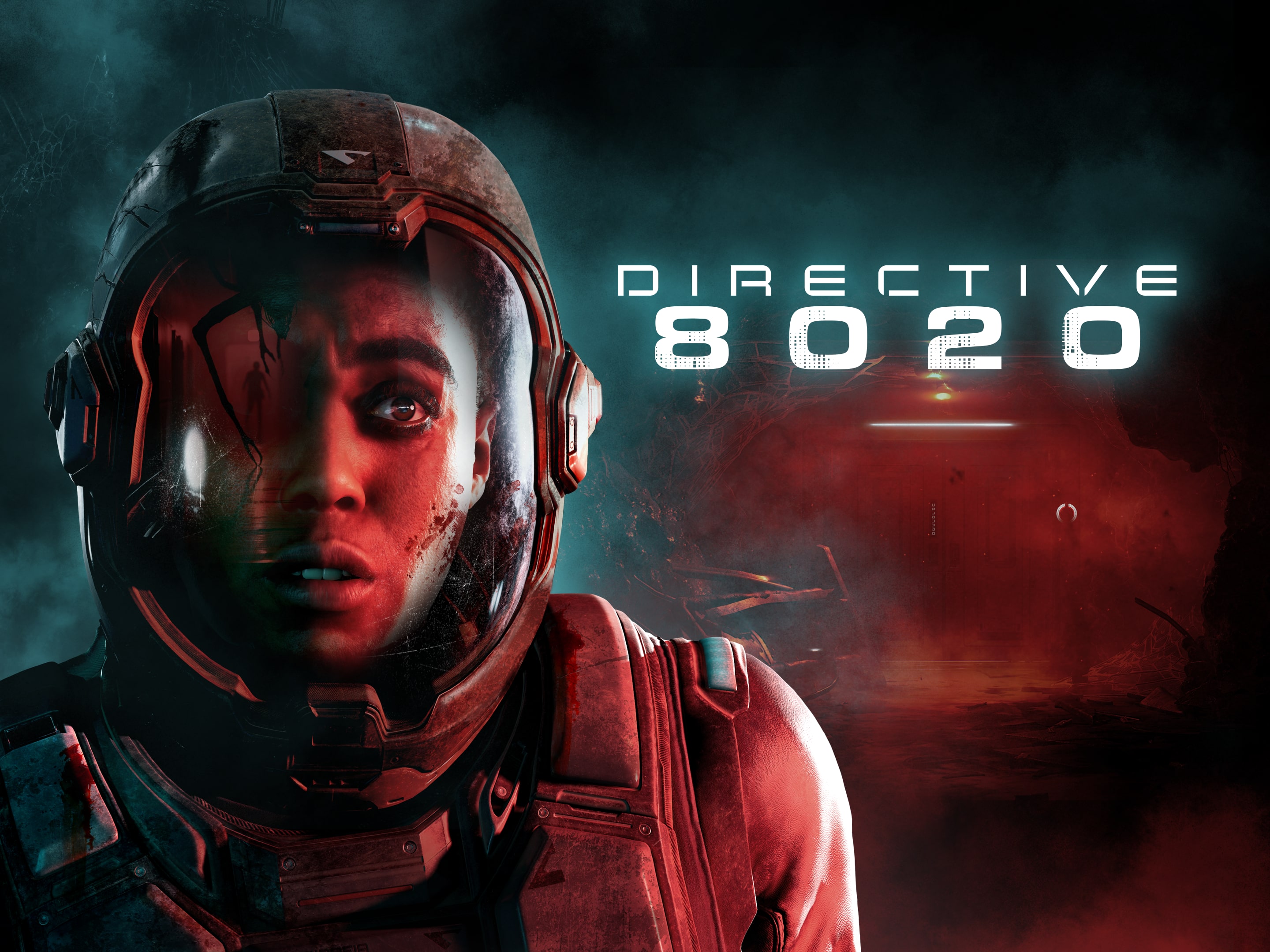
The reviews told the story: not mega-hits, never reviewed great, but always finding an audience among horror enthusiasts. That’s been Supermassive’s whole career in one sentence — a mid-tier studio surviving on a loyal niche. The problem is that the niche doesn’t pay for 400-person studios anymore, not when every release has to fight for attention against free-to-play everything and a GTA VI launch 45 days out. A delayed co-op patch isn’t what killed these jobs. But it’s the kind of self-inflicted wound a studio in Supermassive’s position can’t afford.
The studio’s legacy
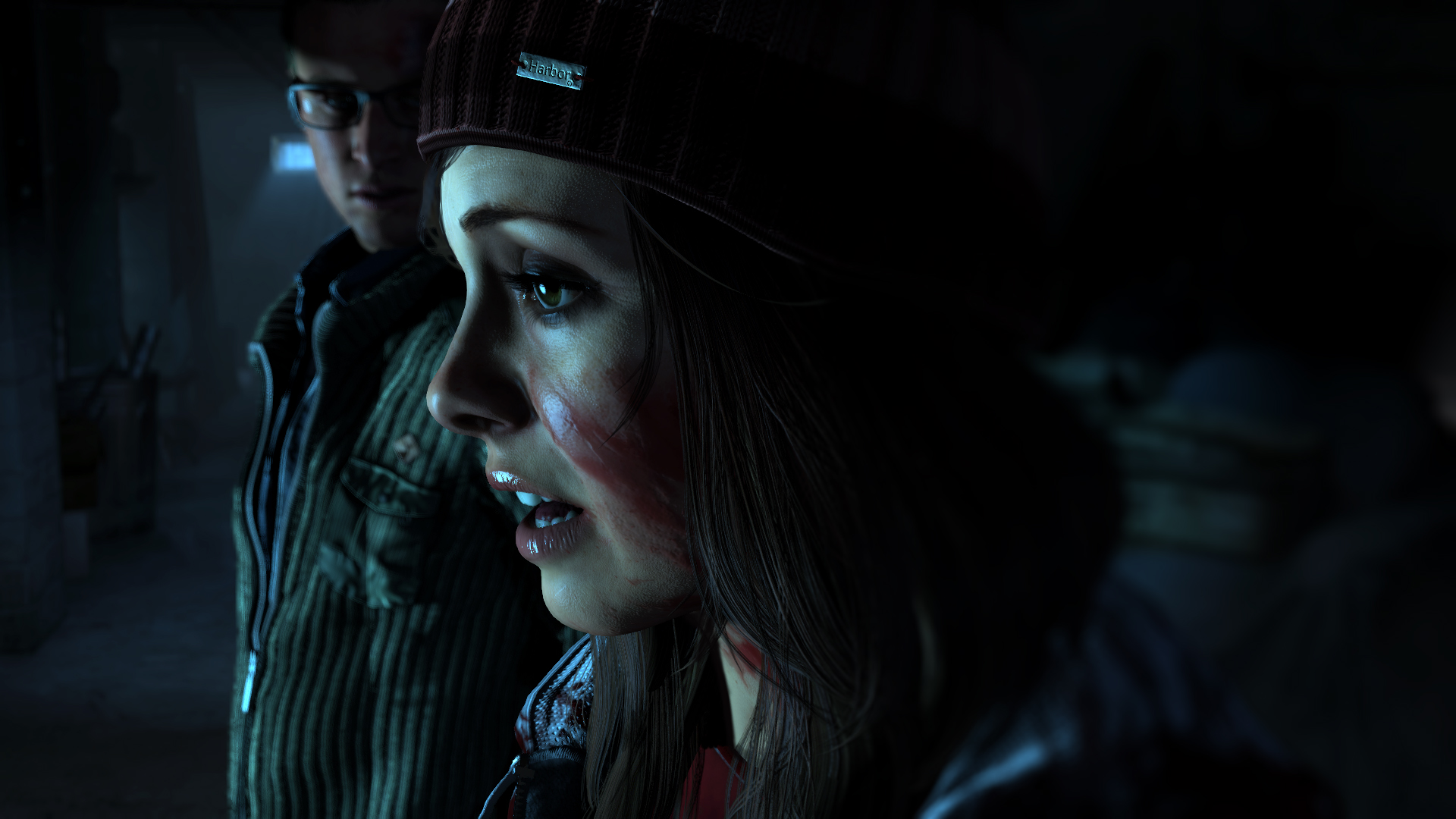
Let’s talk about what we’re actually losing here, because this studio mattered. Supermassive basically invented — or at least perfected — the modern choice-driven horror game. Until Dawn (2015) turned the butterfly-effect slasher into a cultural moment. The Quarry (2022) gave the formula a summer-camp upgrade with a genuinely stacked cast. The Dark Pictures Anthology kept the lights on with reliable, smaller-scale scares, and The Casting of Frank Stone (2024) took the studio’s storytelling into the Dead by Daylight universe.
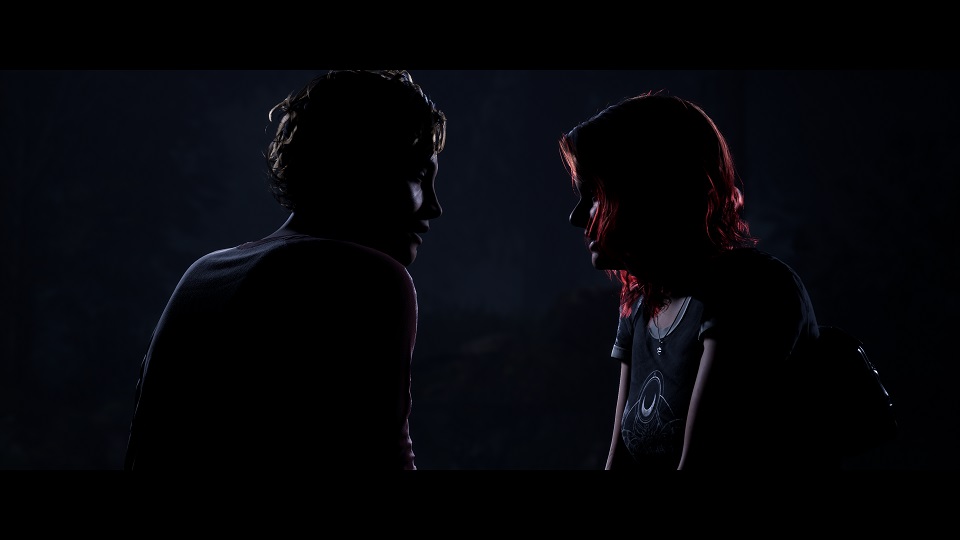
None of them were mega-hits. None of them reviewed great. But if you’ve ever stayed up until 3 a.m. with a controller in your hand screaming at a friend for opening the wrong door — you know. There’s nothing else that does what these games do.
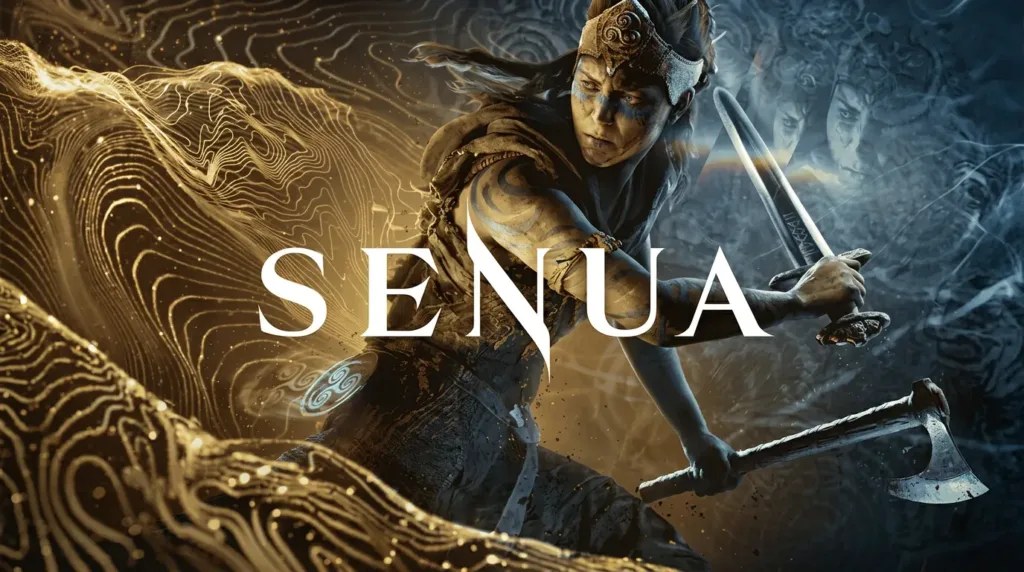
Which makes the Until Dawn situation sting in a particular way. The franchise is getting a sequel in 2027 — but Sony has farmed it out to Firesprite, a PlayStation studio, not Supermassive. The studio that built the thing won’t be the one carrying it forward. That’s the industry in miniature: the IP survives, the people don’t. We saw the same pattern this morning with Xbox keeping the Senua trademark while Ninja Theory faces closure. The names live on. The teams don’t.
The wider pattern
I keep writing versions of this sentence, and I’m tired of it, but here it is again: Supermassive is not an outlier. It’s the pattern. Mid-tier studios with loyal audiences and 400-person headcounts are getting squeezed from both ends — development costs keep climbing, and the hits-driven economics of the business mean a solid 7-out-of-10 game no longer covers the payroll. The same day’s news brought the Ninja Theory layoffs, Xbox’s ongoing restructuring, and a consultation process that could erase a studio outright.
What’s next for Supermassive is an open question. The studio hasn’t commented on the completed layoffs, and there’s been no word on what happens to its development pipeline — including the rest of the Dark Pictures slate that Directive 8020 was meant to kick off. For now, more than 70 people are updating their portfolios, and a 16-year veteran is offering to make introductions. If you’re hiring, you know where to find him. We’ll keep tracking this story, and if you want the full rundown of everything landing on Xbox Game Pass this month while the industry reshuffles around it, we’ve got that too.
Sources
- Supermassive Lays Off 70 People Less Than Six Months After Releasing Its New Sci-Fi Horror Game Kotaku · Oct 5, 2026
- Supermassive Games Layoffs Arrive With Over 70 People Let Go Insider Gaming · Oct 5, 2026
- Supermassive Games Archives Insider Gaming · Aug 2026 (consultation announcement), Jun 2026 (CEO departure)