THURSDAY, OCTOBER 8, 2026 — One of the oldest diplomatic outposts in the Middle East survived Thursday - barely. Israel’s deadline to close Britain’s nearly 200-year-old consulate in Jerusalem expired, but a last-minute compromise kept the facility open under a new name, the ’UK Mission,’ with its staff slashed to seven diplomats. Twenty diplomats, including the Consul General, will leave.
02 Seven Diplomats and a New Name
The deal, confirmed Thursday by both sides, is a study in diplomatic face-saving. Israel gets the optics of a downgrade: the word ’consulate’ disappears, the flag complement shrinks, and the Consul General - the personal embodiment of the mission - departs with nineteen colleagues. Britain gets the substance it cared about: an independent, operational presence in Jerusalem, still serving Palestinians, still flying the flag.
Foreign Secretary Ed Miliband framed it as a win for function over form. The mission, he said, remains independent and operational, continuing to serve Palestinians in Jerusalem and the West Bank. The renaming is real, and the staff cut is deep - but the alternative was a shuttered building and a diplomatic rupture with no channel left open.
Crucially, London held its nerve on retaliation. There will be no reciprocal expulsions of Israeli diplomats from Britain while talks continue - a restraint that kept a bilateral spat from becoming a full diplomatic breach. In the current climate, that counts as statesmanship.
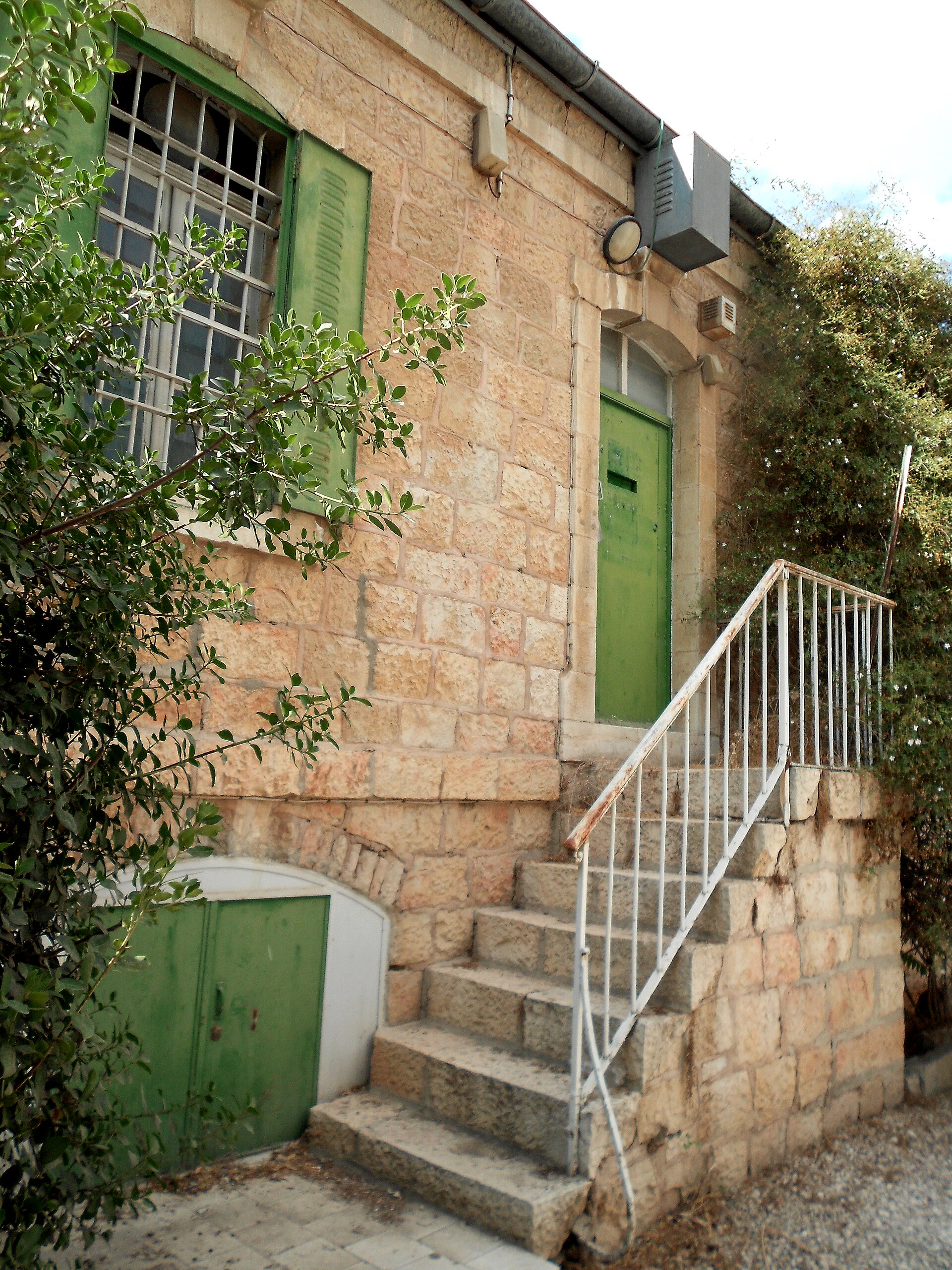
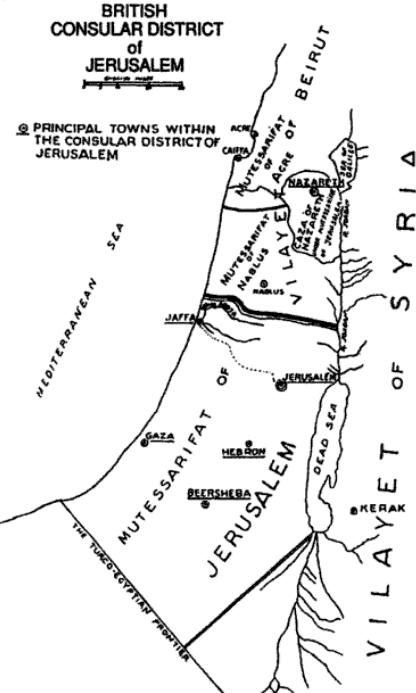
The building at the center of this is older than most of the states arguing about it. Britain’s consular presence in Jerusalem dates back nearly two centuries - the photograph from 1907 shows a mission already decades old - and its modern role has been specific: an independent British presence serving Palestinians in Jerusalem and the West Bank, distinct from the embassy in Tel Aviv. That independence is the point London keeps stressing. A consulate that answers to Tel Aviv is a different institution; a mission that stands apart, even with seven diplomats, preserves the distinction Britain has maintained for generations.
03 A Month in the Making
The row began a month ago, and it began with trade. On September 8, Israel ordered the consulate’s closure in retaliation for Britain’s planned ban on trade in goods from West Bank settlements - a British policy move that Jerusalem treated as a hostile act against its sovereignty. The closure order was the retaliation; Thursday was the deadline.
That sequencing matters. This was never really about a building. It was about whether European governments can use economic policy to express opposition to settlement activity without triggering diplomatic punishment - and about how far Israel will go to make that punishment hurt. A 190-year-old consulate is a pointed thing to close: it says the relationship itself is the leverage.
The compromise suggests both sides found the leverage uncomfortable. Israel gets to show domestic audiences it doesn’t tolerate the settlement-goods ban quietly. Britain gets to show its own that it doesn’t abandon its Jerusalem presence under pressure. The seven remaining diplomats are the physical evidence of a deal neither side wanted to have to make.
The September 8 closure order gave both sides a month to find the compromise they have now found, and the choreography of that month matters. Israel’s move was retaliation with a message: economic pressure on settlements would be met with diplomatic consequences, and the most symbolically loaded consequence available was a 190-year-old consulate. Britain’s response was patience with a message of its own: no reciprocal expulsions, no escalation, just steady insistence that the mission would continue in some form. A month later, both messages have been delivered, and the institution survives - smaller, renamed, but open.
04 What Happens Now
What happens now is talks - the open-ended kind diplomats love and everyone else finds maddening. The ’UK Mission’ operates, the expelled diplomats leave, and the underlying dispute over settlement-goods trade remains exactly where it was: unresolved, but no longer expressed through closure orders.
The episode is a small window into a larger realignment. European governments are testing how far economic and diplomatic pressure can go on the settlement question; Israel is testing how much pressure it can absorb before responding in kind. Jerusalem’s consulate - or Mission, now - sits at the exact intersection, a 19th-century institution arbitrating a 21st-century argument.
Seven diplomats, a new name, and no reciprocal expulsions. In a week of carrier groups and strike options, it’s the quietest kind of news: a crisis that didn’t happen. Those are worth noting too.
Seven diplomats is a rump by any measure - down from a staff of more than twenty, and without the Consul General who embodied the mission’s standing. But rump missions have a way of mattering disproportionately: they keep the flag flying, the channel open, and the legal and consular machinery running for the Palestinians who depend on it. The alternative - a shuttered building and no British presence at all - would have been a rupture with no easy repair. In a week of carrier groups and strike deliberations, the survival of seven diplomats in Jerusalem is the quietest kind of news. It is also, in its way, the most hopeful: a crisis that didn’t happen, because two governments decided it wouldn’t.
Sources
- Reuters — Britain says consulate in Jerusalem to remain open as ’UK Mission’: compromise terms, 7 diplomats, Miliband quote. Oct 8, 2026
- Reuters — Explainer: what’s happening with Britain’s Jerusalem consulate. Oct 8, 2026
- The Times — Jerusalem consulate compromise coverage. Oct 8, 2026