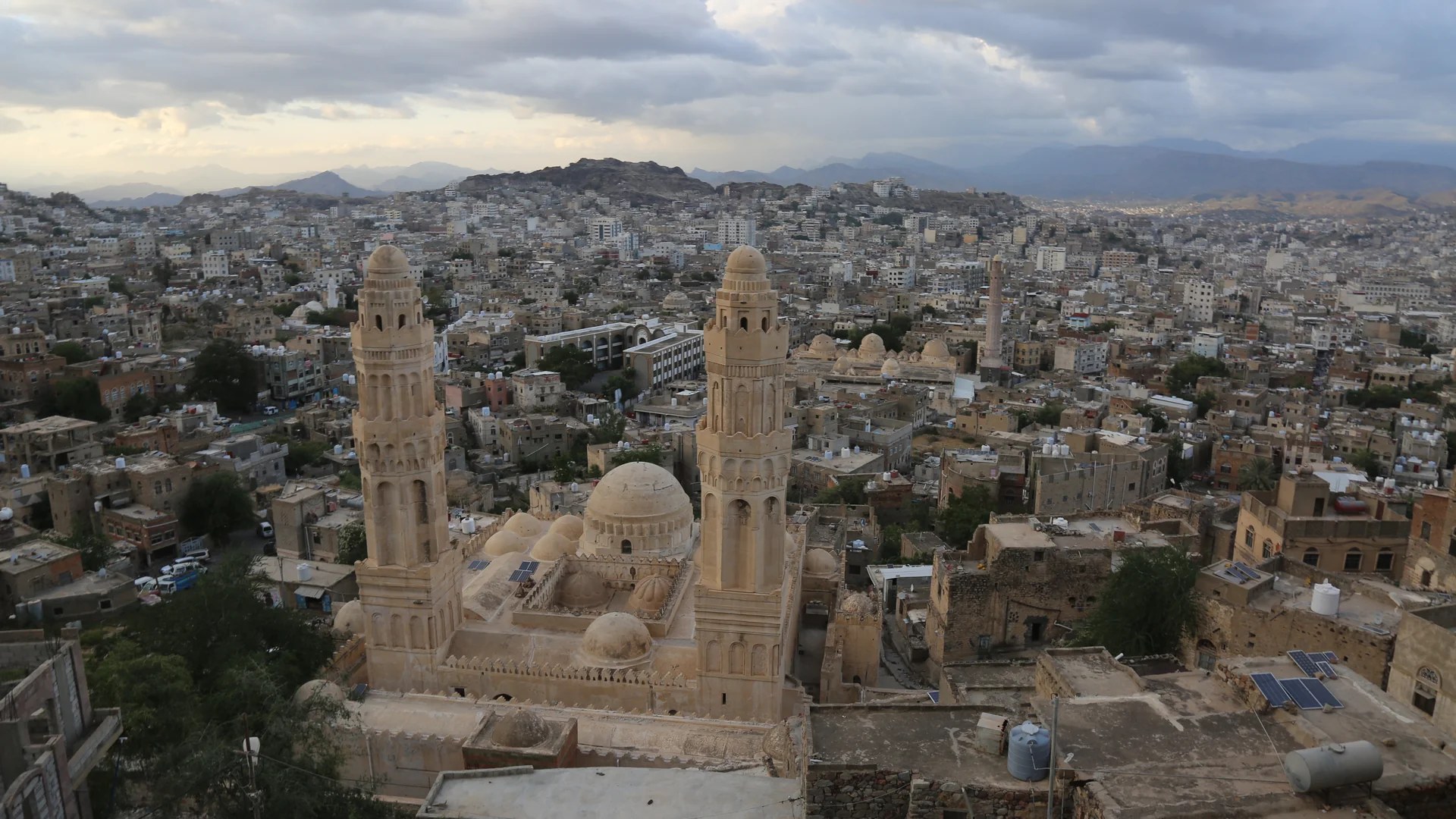
SUNDAY, OCTOBER 4, 2026 — The leader of Yemen's internationally recognized government announced the start of a major military offensive on Sunday aimed at retaking every inch of territory held by Houthi forces — a sweeping declaration that landed on the same day Houthi fighters severed the vital supply road linking the besieged city of Taiz to the interim capital, Aden.
Rashad al-Alimi, who heads Yemen's Presidential Leadership Council, issued the directive calling on the armed forces to execute their assigned missions under established plans to liberate the country from Houthi control and restore the authority of the state and its institutions across the entire nation. The announcement, reported by multiple international outlets, marks the government's most ambitious stated war aim since fighting reignited in July after years of relative calm.
But even as al-Alimi spoke of reclaiming territory, the Houthis were taking it. According to four security and military sources cited by Agence France-Presse, Houthi fighters seized control of the al-Safiya area south of Taiz — including a local police station — and cut the main road connecting Taiz to Aden, halting all traffic along the critical artery. Three Yemeni military sources confirmed Houthi control over the area and the supply route, with fighting in the vicinity reported as ongoing.
A city effectively encircled
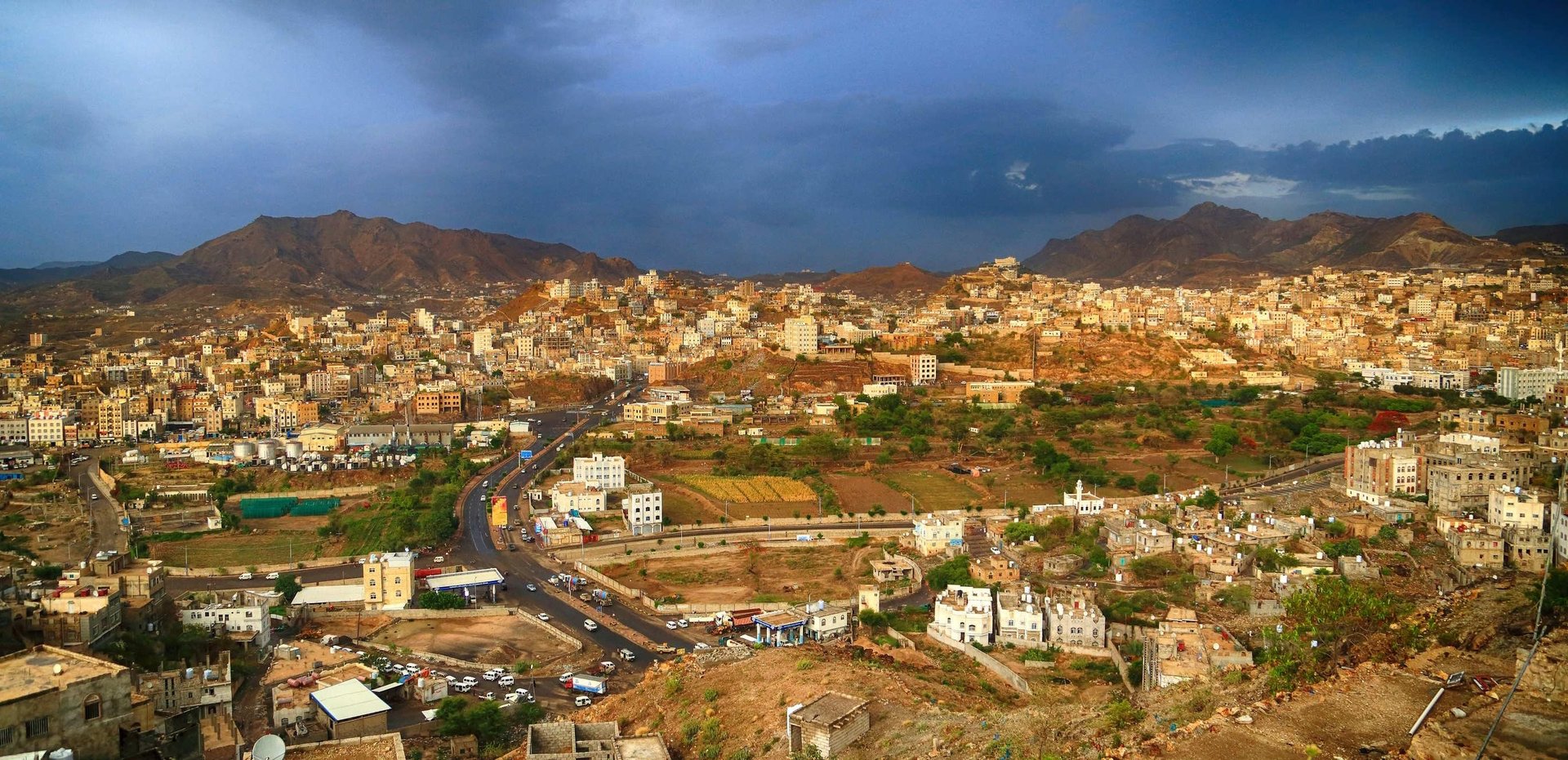
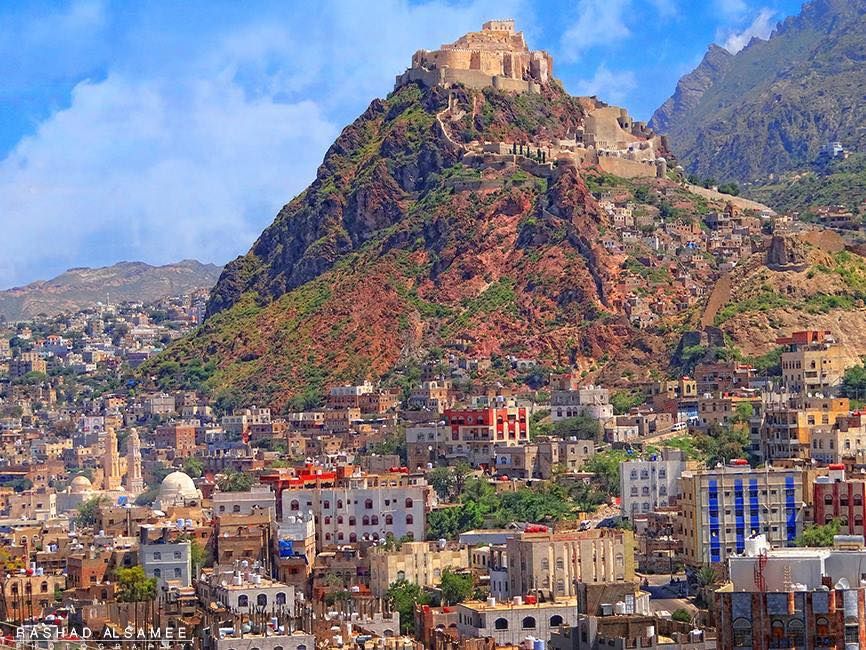
Taiz itself remains under the administration of government forces. But the city has endured a grinding siege for years, with Houthi fighters pressing in from the north, east, and west — making it one of the principal and most punishing fronts of Yemen's civil war. Analysts say that by severing the link to Aden, the Houthis have achieved a significant tactical objective even without fully occupying the city: Taiz is now effectively encircled, its lifeline to the government's seat of power cut.
The road is more than a military supply line. It is the artery through which goods reach Taiz and its surrounding rural areas, and for many residents it has been a critical connection to the outside world. Its closure compounds what the United Nations and aid agencies describe as one of the world's worst humanitarian crises, with civilians already facing rising casualties and displacement as the fighting intensifies.
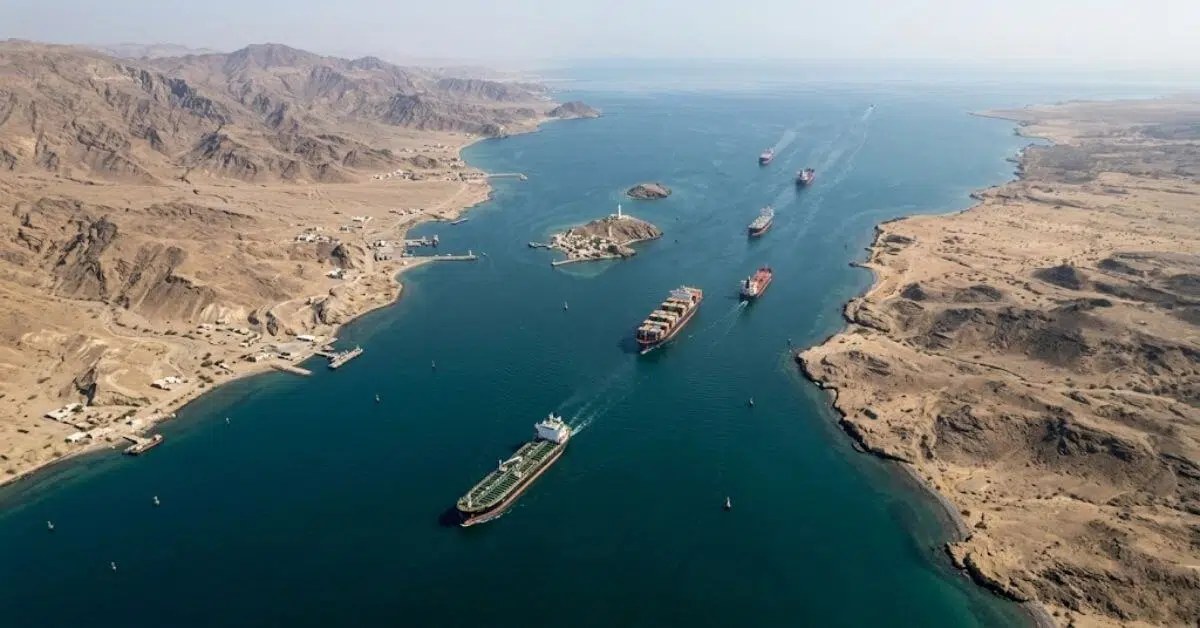
The Houthi advance around Taiz follows days of heavy combat in the region between the group and government forces. It also follows a far larger Houthi gain last month: a lightning September offensive in which the group seized Yemen's entire Red Sea coastline, including the port of Mocha and the strategic Bab al-Mandab Strait — the narrow waterway at the mouth of the Red Sea through which a significant share of global maritime trade passes.
Missiles, airstrikes, and a widening regional war
The ground fighting is only one dimension of a conflict that has widened well beyond Yemen's borders. On Sunday, Houthi military spokesman Yahya Saree claimed the group had launched ballistic missiles and drones against facilities belonging to the Saudi energy giant Aramco, specifically citing sites in Riyadh and the Khurais region.
In response, the Yemeni government reported conducting its own operations against Houthi positions in the capital Sanaa, in Saada, and near Taiz. Because the government's own air capabilities are constrained, most aerial operations in the country are attributed to the Saudi-led coalition, which intervened in the war in 2015. Local media reported Saudi-led airstrikes in the northern governorates of al-Jawf and Saada that allegedly resulted in two injuries.
The Houthis have in parallel launched a blockade on Saudi energy exports — a pressure campaign unfolding even as Iran's closure of the Strait of Hormuz squeezes global energy markets from another direction. Yemeni officials, meanwhile, claimed their forces had killed or wounded more than 2,300 Houthi fighters in a 72-hour span and that airstrikes had killed four Iranian specialists allegedly linked to missile and drone operations. Those figures, attributed to Yemeni government officials, could not be independently verified.
A war reignited
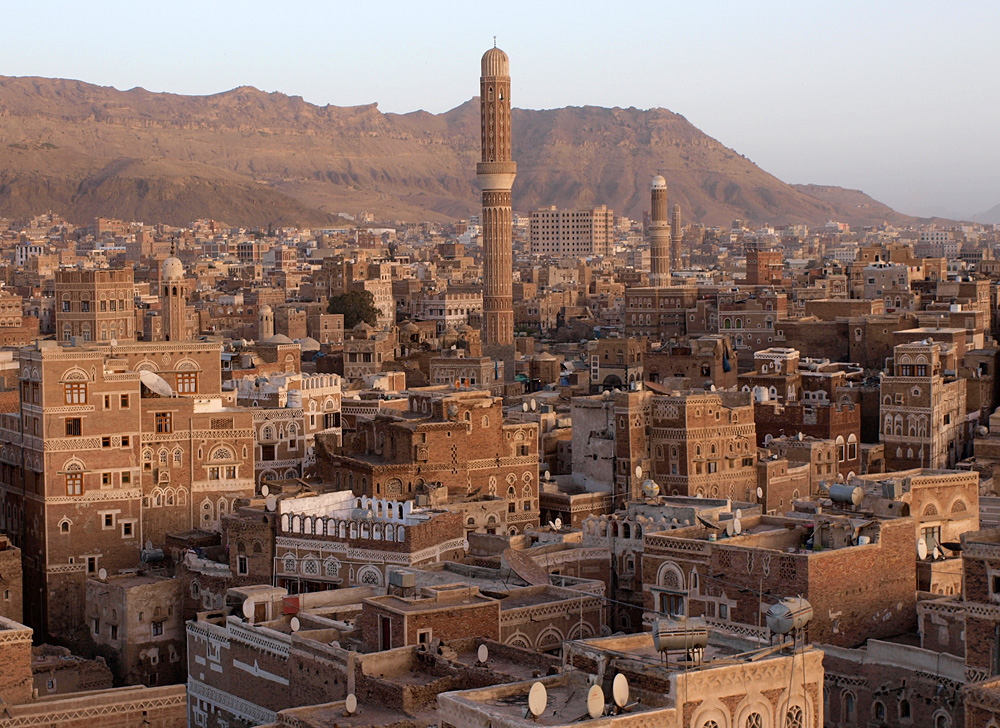
Yemen's war erupted in 2014, when the Iran-backed Houthis seized Sanaa from the Saudi-backed government and went on to take control of swaths of the country's north. Riyadh intervened the following year at the head of an international coalition. A 2022 truce had largely frozen the front lines — until this summer.
Fighting reignited in July against the backdrop of a widening Middle East war, and intensified sharply in September as the Houthis swept south along the Red Sea coast. The country, one of the poorest in the world, remains gripped by a vast humanitarian crisis that predates the latest escalation and has only deepened with it.
Al-Alimi's announcement of a nationwide offensive suggests the government intends to meet escalation with escalation. Whether the internationally recognized government — which has recently suffered significant territorial losses — can mount a campaign capable of reversing the Houthis' gains is an open question. What is not in doubt is that Sunday marked a dangerous new phase: a government promising total liberation, and a Houthi movement tightening its grip on the ground, road by road.
For continuing coverage of the Middle East and global breaking news, follow our news desk — and for the day's other top stories, see today's homepage.
Sources
- Yemen Government Announces Offensive to Reclaim Territory as Houthi Forces Encircle Taiz Times Now World · Oct 4, 2026
- Houthis cut Yemen's Taiz off from Aden in major battlefield gain The Leaders Online (AFP) · Oct 4, 2026
- Yemen's government leader announces offensive as Houthis cut Taiz supply route FactSnap · Oct 4, 2026
- Yemen's leader announces counter-offensive as Houthis cut off supply route to besieged city Asha News (France 24) · Oct 4, 2026
- Yemen's Government Launches Offensive as Houthis Besiege Taiz CVRD News · Oct 4, 2026
- Yemen says government forces repel Houthi push on key Taiz-Aden route Reuters · Sep 24, 2026