
Results
The Story of Arsenal
Arsenal were founded in October 1886 as Dial Square by workers at the Royal Arsenal munitions factory in Woolwich, south-east London. The 'Gunners' nickname comes straight from that factory, and the cannon on the badge has been there in some form ever since. In 1913 the club crossed the Thames to Highbury in north London, a move that lit the fuse on the fiercest rivalry in English football: the North London derby with Tottenham Hotspur.
Two managers made Arsenal immortal. Herbert Chapman arrived in 1925 and turned the club into 1930s England's dominant force, inventing the WM formation, pushing for floodlights and numbered shirts, and adding the famous white sleeves to the red shirts. Then came Arsene Wenger (1996-2018), who revolutionized English football with sports science and diet, won doubles in 1998 and 2002, and built the Invincibles: the 2003-04 side that went an entire 38-game league season unbeaten, part of a 49-match unbeaten run that still stands as an English record.
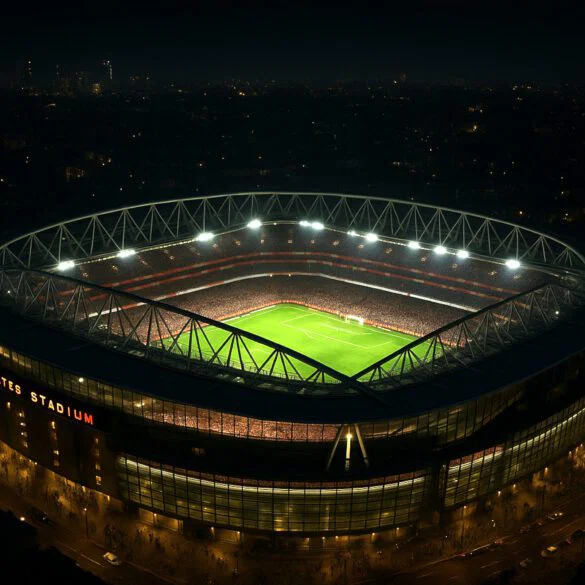
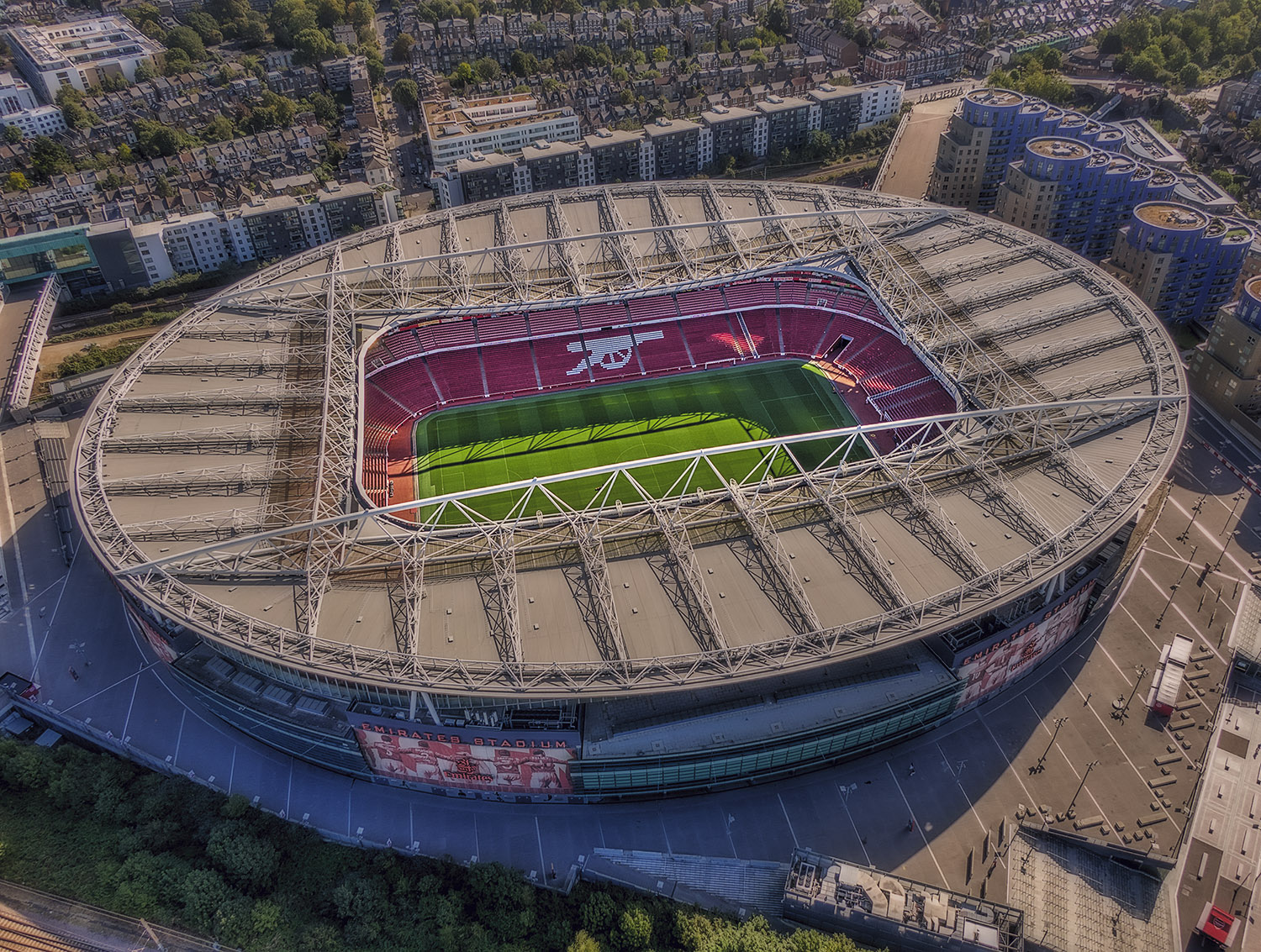
The 2006 move to the Emirates Stadium brought financial strain and a long trophy drought, but Mikel Arteta's appointment in December 2019 changed everything. He rebuilt around academy talent and smart signings, won the FA Cup within months, and in 2025-26 delivered the Premier League title the club had chased for 22 years. Arsenal remain defined by the same things: beautiful, technical football, the red-and-white shirts, and the expectation that they play the game the right way.
The Title Defence
Winning the Premier League in 2025-26 ended a 22-year wait and changed what Arsenal are. They are no longer the nearly men, the beautiful losers, the team that plays the best football and finishes second. They are the champions — and champions are judged by a crueler standard. Every opponent raises their game. Every dropped point is a headline. Mikel Arteta knew this, which is why the summer was about ruthlessness: not celebrating the title, but building the squad to defend it.
The recruitment was surgical. Viktor Gyokeres arrived as the penalty-box predator the great Arsenal sides always had — the Ian Wright, the Thierry Henry figure — and has taken to the role with frightening ease. Eberechi Eze crossed London to add pure improvisation, the street-footballer genius who turns deadlocked games into moments of magic. Martin Zubimendi was lured from Spain to conduct the midfield, the metronome who lets everyone else play. Each signing addressed a specific need. Each one has made Arsenal better.
The 4-0-1 start tells the story of a team that knows how to win. Victories over Chelsea, Aston Villa and Sunderland showed the champions' mentality — different kinds of games, all navigated. The 3-0 dismantling of Coventry was Arsenal at their flowing best. And then came the shock: a 0-3 home defeat to Brighton on September 19, the kind of result that reminds everyone how thin the margins are at the top. The response is what matters now. Champions are not defined by never falling; they are defined by how they get up.
At the Emirates, the atmosphere has shifted. This is no longer a fanbase hoping — it is a fanbase expecting, and that expectation is a weapon when the team feeds off it. The title defence will be decided in moments: a Saka cutback in the 89th minute, a Saliba last-ditch tackle, a Rice header from a corner. Arsenal have the squad, the manager, and the belief. Now they have to prove that one title was the beginning, not the end.
The North London Derby
No fixture explains Arsenal quite like the North London derby. When the club crossed the Thames to Highbury in 1913, it planted its flag in Tottenham's territory, and the two clubs have been at war ever since. It is the fiercest rivalry in English football — not just for the geography, but for what it represents: two clubs, a few miles apart, with entirely different ideas of what football should be and who should rule the city.
The history is written in Arsenal red. The Gunners have won the league at White Hart Lane — twice, in 1971 and 2004, the second as part of the Invincibles' unbeaten season, the ultimate humiliation delivered in the ultimate style. Tottenham's occasional triumphs have only sharpened the rivalry. For Arsenal supporters, finishing above Spurs was for years the minimum acceptable outcome, the famous "St. Totteringham's Day" celebrated like a trophy. Now, as champions, the dynamic has shifted: Arsenal don't just want to finish above their rivals. They want to dominate them.
The modern derby is a tactical chess match played at a ferocious tempo. Recent meetings have been classics — high pressing, early goals, atmospheres that crackle through the television. For the players, it is the game that defines seasons: win the derby and the fans forgive almost anything; lose it and nothing else quite matters. As long as Arsenal and Tottenham share north London, this fixture will be the heartbeat of both clubs' seasons — the day the city holds its breath.
Key Players
Tap any player for the full story.
Club Legends
The names on the banners. Tap for their story.