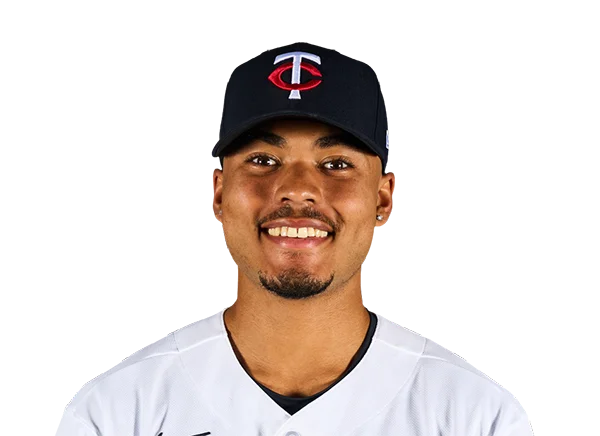
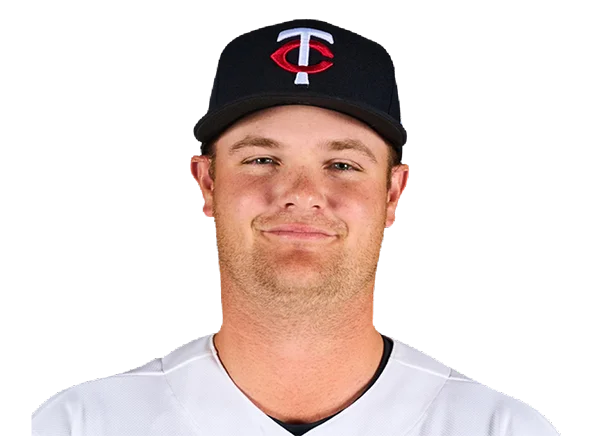
The Minnesota Twins were born of baseball's first great relocation wave: the Washington Senators, champions of 1924, moved to the Twin Cities in 1961 and became one of the American League's cornerstone franchises. The early Minnesota years belonged to the sluggers — Harmon Killebrew's tape-measure home runs, Rod Carew's artistry with a bat, Tony Oliva's sweet swing — but the franchise's soul was forged in the Metrodome in October.
The 1987 Twins won the franchise's first Minnesota championship, the first World Series ever played indoors, behind Kirby Puckett, Kent Hrbek, Gary Gaetti and Frank Viola. Then came 1991, quite simply one of the greatest World Series ever played: Puckett's leaping catch and walk-off homer in Game 6, and Jack Morris's 10-inning shutout in Game 7 against the Braves — a duel with John Smoltz that remains the gold standard for postseason pitching. Two titles in five years, both in seven games, both unforgettable.
Puckett — number 34 retired, Hall of Famer, the joyful center fielder who played every inning like it mattered — is the franchise's beating heart. The lineage runs Killebrew to Carew to Puckett to Joe Mauer, the hometown catcher who won three batting titles, a job almost nobody thought a catcher could do. The 2000s brought division titles under Ron Gardenhire and an annual October date with the Yankees that rarely ended well; the 2019 "Bomba Squad" smashed 307 home runs, a major-league record at the time.
From Metropolitan Stadium to the deafening Metrodome to the open-air beauty of Target Field, opened in 2010, the Twins are Midwestern baseball at its most genuine: fundamentally sound, easy to love, and capable — every couple of decades — of the most dramatic baseball you'll ever see. The 1991 Series alone earns this franchise a permanent place in the sport's memory.
The 2026 season was the first chapter of a new era in Minnesota — and a step forward, if not yet the leap the franchise craves. The Twins finished 77-85, third in the American League Central behind Cleveland (85-77) and the Chicago White Sox (84-78), and were eliminated from playoff contention on September 20. It was the club’s second straight losing season, but it was also a seven-win improvement on the 70-92 collapse of 2025 — the season that cost Rocco Baldelli his job. Derek Shelton, hired the following October, managed his first season in Minnesota, and the verdict on year one is this: better, tougher, but not yet good enough. The Twins went 42-39 at Target Field, and the crowds that filled the limestone concourses all summer never wavered — Minnesota’s love affair with this team doesn’t depend on the standings, even if the front office’s plans do.
The context matters. The 2026 Twins were the 66th edition of the franchise in the Twin Cities, playing their 17th season at Target Field, and the roster is in transition — a club rebuilding its pitching and leaning on development rather than the checkbook. Shelton’s mandate was steadiness: stop the bleeding, rebuild the clubhouse, and find out who belongs in the next contending Twins team. Seven more wins, a clubhouse that didn’t fracture in August, and a third-place finish in a winnable division qualify as progress — but the bar in Minnesota is October, and the Twins haven’t been a real October threat in years.
What makes Minnesota different is the relationship between the team and the town. The Twins are Minnesota’s summer institution — Target Field on a July night, the limestone and the pines beyond the outfield, is one of baseball’s great settings — and the franchise has always been built on development: Killebrew and Carew and Oliva gave way to Puckett and Hrbek and Viola, who gave way to Mauer and Morneau and Hunter. The 2026 season’s real story is whether the current wave of young talent can become the next one. That’s the question the front office under general manager Jeremy Zoll and Shelton’s staff will spend the winter answering.
What’s happening now is an offseason of definition. The AL Central remains eminently winnable — Cleveland took it at just 85-77, and the White Sox were a single game back — which makes 77-85 feel less like a valley and more like a floor. The Twins’ path is the classic Midwestern one: develop pitching, play clean defense, and find 88 wins in a division that gives them away. The Bomba Squad is seven years gone; the 1991 Series is thirty-five. But Minnesota has seen this movie before — a homegrown core, a new manager, a fan base that shows up in April believing — and every couple of decades, it ends with the most dramatic baseball you’ll ever see.
Related on Previously: MLB Rewind · Chicago White Sox · Cleveland Guardians · Detroit Tigers · Kansas City Royals · New York Yankees