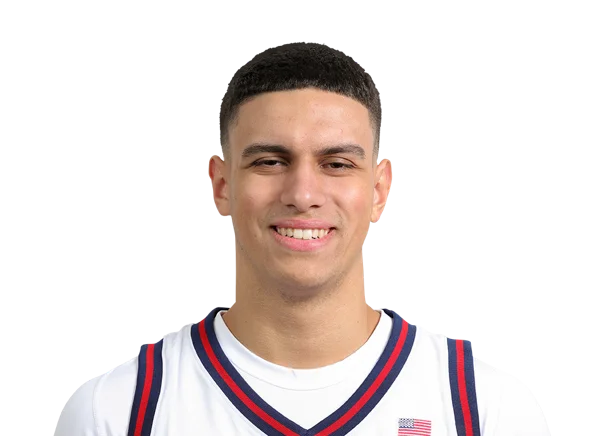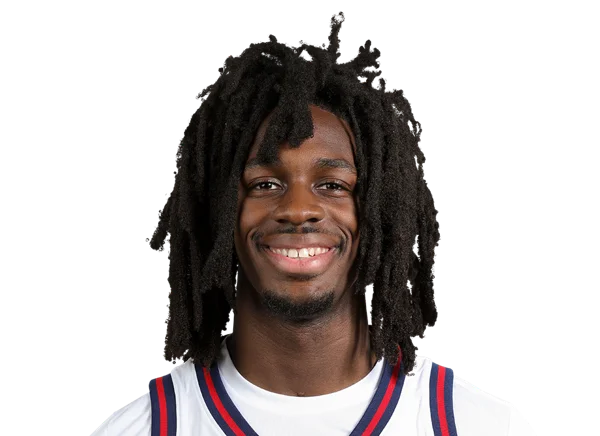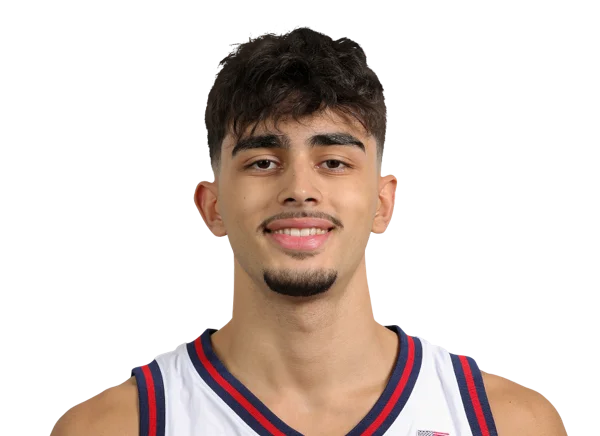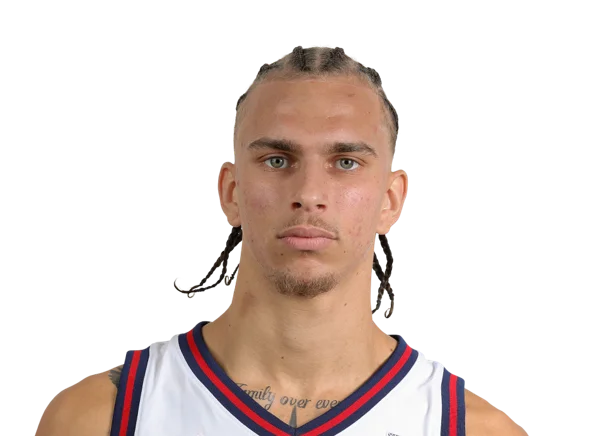
New York City has one college basketball team that has always belonged to it, and the 2026–27 season finds that program in a fascinating place: back on top of the Big East, rebuilt almost entirely, and led by a coach in his seventies who refuses to slow down. Rick Pitino's fourth St. John's squad defends the Big East crown the Johnnies swept in 2025 — regular season and tournament — with a roster that looks nothing like the one that won it, and somehow makes perfect Pitino sense.
2025 was the payoff for the Pitino gamble. St. John's stormed through the Big East, capturing the program's first conference tournament title since 2000 and its first regular-season crown in more than three decades. Madison Square Garden rocked the way it used to — the Johnnies owned March in their own city, and a program that had spent a generation as a nostalgia act became a national contender again. It was the validation of everything Pitino promised when he took the job in 2023: that New York's team could matter again, and that he could make it happen fast.
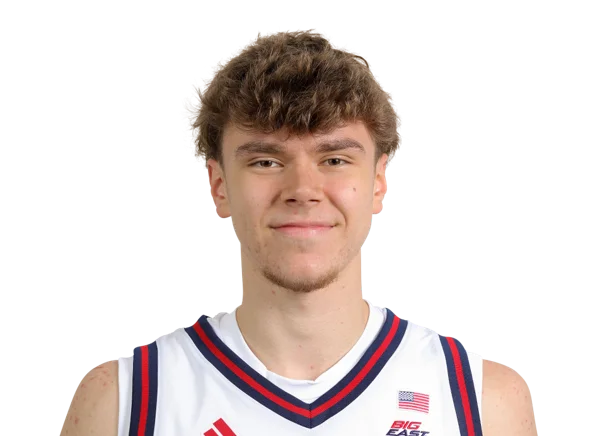
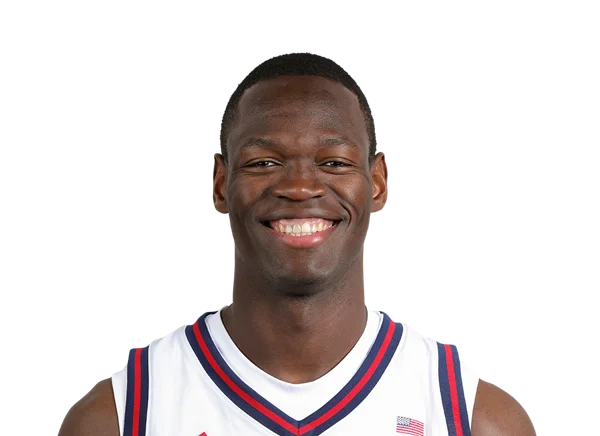
The turnover, though, is the story of this season. Zuby Ejiofor — the heart and soul of the revival, the face of the last two seasons — is gone. So are Dillon Mitchell and Bryce Hopkins, the frontcourt muscle that powered Pitino's relentless attack. In their place: the most international roster in college basketball, built on the two pillars the New York Post identified this spring: size and experience. Of the spring's major additions, nearly all were grown men with professional experience overseas — including 23-year-old British point guard Quinn Ellis, a former EuroLeague guard with Emporio Armani Milan who is expected to start from day one.
The returnees who matter most: Ian Jackson, the Bronx five-star entering his junior year, moves back to his natural shooting-guard spot after a sophomore season spent learning point guard on the fly — a transition Pitino himself called a disappointment, and one he has vowed to fix. Tounde Yessoufou, the 6-foot-5 wing who averaged 17.8 points as a freshman at Baylor and once broke the California state high-school scoring record, shocked the sport by returning to school — at St. John's, where he is the undisputed go-to scorer. And Ruben Prey, the 6-foot-11 junior who played sparingly last season but brought energy whenever called upon, gets his chance in the middle: “He won't be Zuby Ejiofor, but he will be an outstanding basketball player,” Pitino said this summer.
The newcomers form the deepest guard room of the Pitino era. Ellis (6-5) and Columbia graduate transfer Avery Brown — a fifth-year senior — give the Johnnies two experienced ball-handlers, with Harlem native Kyle Cuffe Jr. (by way of Kansas, Syracuse and Mercer) and Greek guard Lefteris “Lefty” Liotopoulos behind them. Up front, Babacar Sane brings G-League experience and two-way versatility, 7-foot Serbian Lazar Stojkovic adds rim protection, and five-star center Theo Edema reclassified to join the class of 2026. The one heartbreak of the summer: Syracuse transfer Donnie Freeman, one of the portal's best forwards, tore his Achilles and will miss the season — a brutal blow to the frontcourt plan.
Pitino's stated philosophy is built for exactly this roster. “A freshman-dominant team hasn't won it all since Duke in 2015,” the Post noted this spring — and with the sport tilting toward size and professional experience, St. John's will defend with the full-court pressure and rebounding violence that defined the last two years. The question, as always with a Pitino team in Queens, is the three-point shot: it has been the one persistent weakness of the era, and the new group will have to prove it can make enough of them.
The forecasters aren't worried. The Red Storm open the season ranked No. 14 nationally and a unanimous top-three Big East pick — because, as the conference previews keep concluding, you never doubt Slick Rick. One national outlet even projects Yessoufou to become the first player to average 20-plus points under Pitino since 2002, a quarter-century ago. If Ellis runs the show and Jackson takes the junior leap Pitino is promising, the Johnnies have the ceiling of a Final Four team. The floor — an unproven frontcourt, eligibility paperwork on the internationals, a thin margin for injury — is what makes the season fascinating.
All of this rests on one of the deepest histories in the sport. Founded in 1907, St. John's reached the national championship game in 1952, falling to Kansas, and spent decades as a metropolitan power. Then came Lou Carnesecca — the sweaters, the smile, the New York soul — and 1985, when his Redmen, led by Brooklyn sharpshooter Chris Mullin and Walter Berry, reached the Final Four in the year three Big East teams crashed the national semifinals. Mullin, a Hall of Famer and Dream Teamer whose No. 20 hangs in the rafters, remains the program's immortal. The 1999 team, with Ron Artest and Erick Barkley, added an Elite Eight classic.
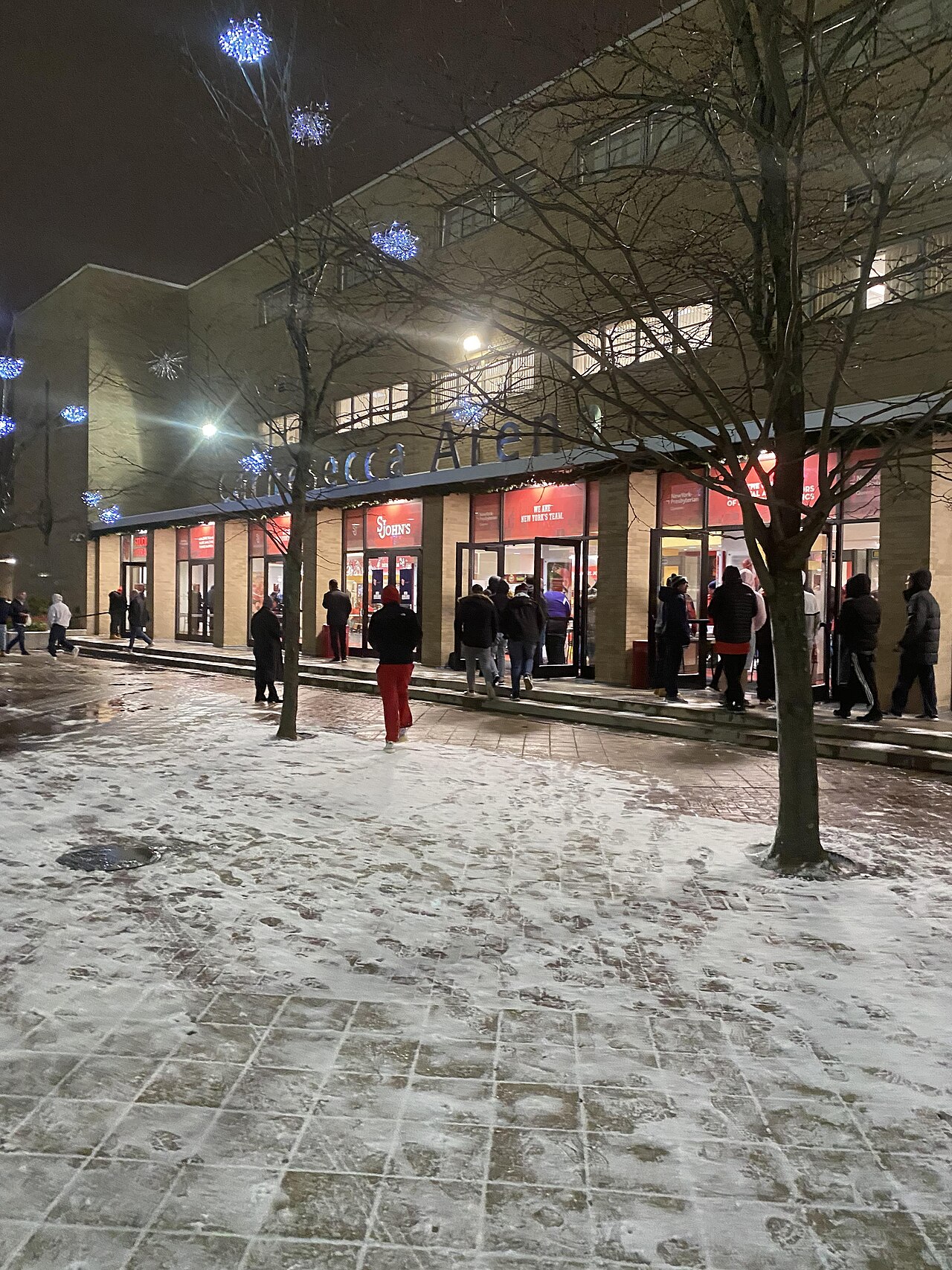
The setting is the identity. Madison Square Garden — the Johnnies' second home — has hosted generations of St. John's magic: Big East tournament titles, ranked showdowns, the city's best basketball nights. Carnesecca Arena on the Queens campus is the beating heart: intimate, loud, and full of New York basketball history. In Queens, the Red Storm doesn't just represent a school; it represents the city. New York's team is back on top — and the reinvention is already underway.