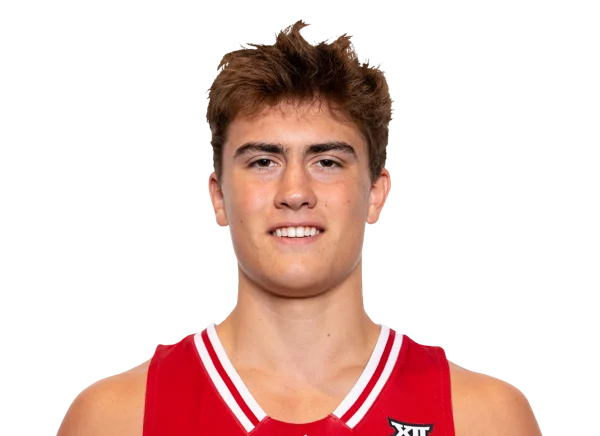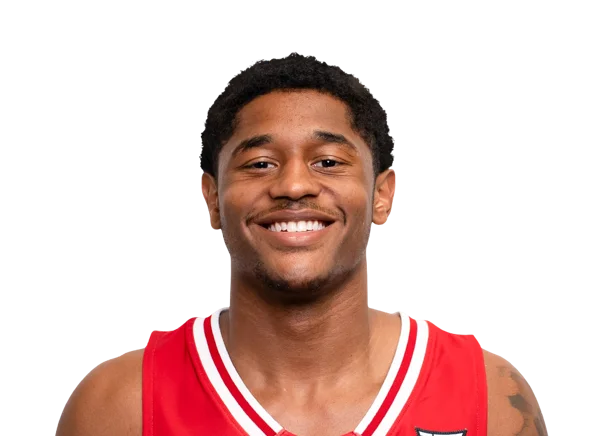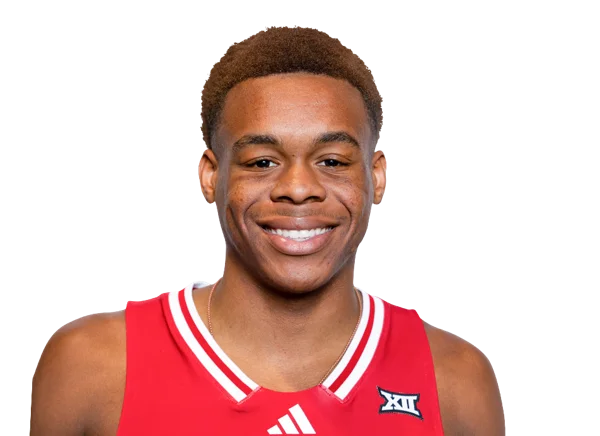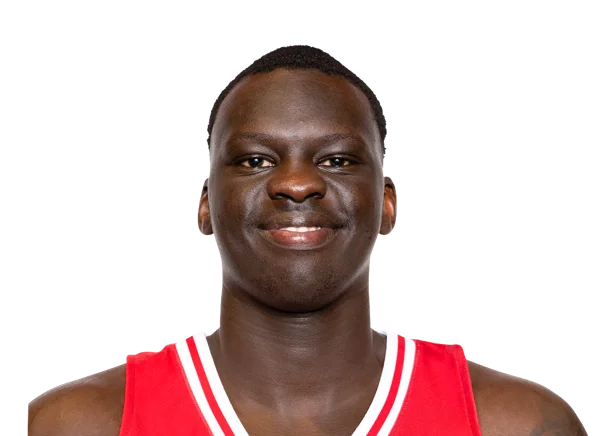
In Lubbock, basketball expectations are set in April stone: Texas Tech doesn't just want to make the NCAA tournament — it wants to be playing deep into it. That's the program Chris Beard's miracle run created, and it's the standard Grant McCasland is now chasing into his fourth season. The Red Raiders went 23-11 in 2025-26, tied for third in the Big 12, and earned a No. 4 seed in the NCAA tournament. They also lost in the second round to Alabama, 90-65, a night so flat McCasland took the blame himself. Year four is about finishing what those teams started.
The modern identity was forged twice. Bobby Knight's arrival in 2001 put Tech on the map — five NCAA trips, a 2005 Sweet 16 — but it was Beard's 2018-19 squad that changed everything: an Elite Eight in 2018, then a run to the 2019 national championship game in Minneapolis, where Virginia needed overtime to beat the Red Raiders. Jarrett Culver, Matt Mooney, Davide Moretti and Tariq Owens became Lubbock legends; the Scarlet and Black became synonymous with defense-first, possession-by-possession basketball. Mark Adams kept it rolling with a 2022 Sweet 16, and when McCasland arrived from North Texas in 2023, he inherited a program that had tasted the top of the sport and wanted more.
McCasland was the perfect cultural hire — he'd built North Texas into a defensive juggernaut, the 2023 NIT champions, playing the same grinding style Tech fans love. Year one delivered 23 wins and an NCAA bid. Year two, 2024-25, produced another Elite Eight: a 28-win campaign that ended against eventual national champion Florida. McCasland's teams defend, rebound and share the ball, and his sideline intensity mirrors the crowd's.
The 2025-26 season had the shape of a what-if. Tech finished 23-11 and 12-6 in the Big 12, tied for third in the nation's toughest league, but closed the regular season on a two-game skid that exposed a fatal flaw: defensive rebounding and paint presence, problems that traced directly to the loss of JT Toppin. The junior forward — a unanimous All-Big 12 First Team selection — suffered a season-ending injury with five games remaining, and the Red Raiders were never the same inside. Christian Anderson and Donovan Atwell carried the scoring load down the stretch, and Tech still earned a No. 4 seed in the Midwest region. The Big 12 tournament ended quickly — a 53-75 quarterfinal loss to Iowa State in Kansas City — and March brought a split: a 91-71 first-round win over Akron, then the 90-65 demolition by Alabama. Afterward McCasland was unsparing: "This one's on me. I didn't have us ready to go... I wish I had it back because of how much fun this group is to be around." Honesty like that is why Lubbock trusts him.
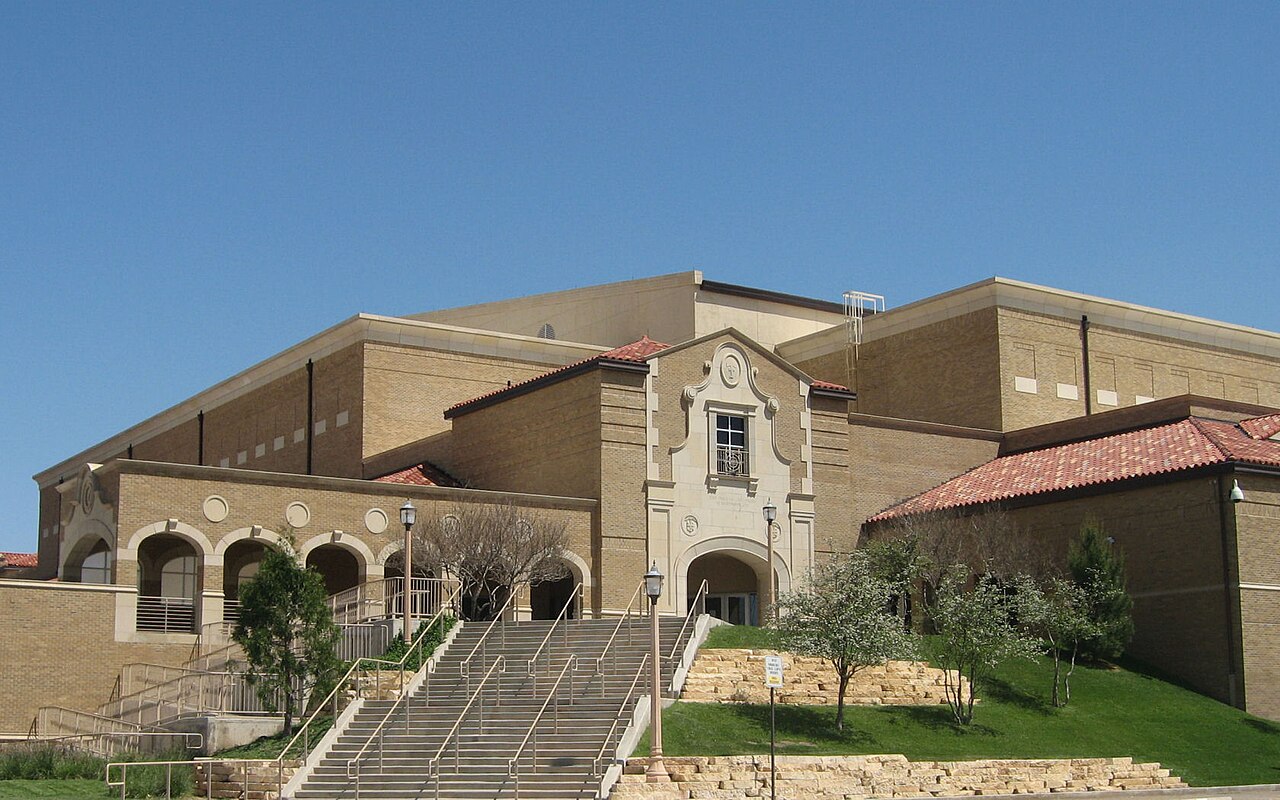
United Supermarkets Arena remains one of college basketball's great home courts — a wall of scarlet and black that makes Big 12 road trips miserable. The Red Raiders' best teams have always fed off that building: the defense gets meaner, the threes fall faster, and visiting guards hear about it for forty minutes.
Year four brings the portal-era reality — rosters turn over, and McCasland's staff has been aggressive in rebuilding around defense and toughness. The non-conference slate includes a Dec. 13 date with USC at Dickies Arena in Fort Worth, the opener of the USLBM Coast to Coast Challenge doubleheader — a neutral-site showcase game, exactly the kind a program with Final Four ambitions schedules. The Big 12, as always, is a nightly war: Kansas, Houston, Iowa State, BYU, Arizona — there are no breathers, which is also the point. Survive the league, and you're battle-tested for March.
The 2024-25 Elite Eight run is the proof of concept McCasland keeps returning to. That team won 28 games by defending at an elite level and sharing the ball — the assist numbers were among the best in the Big 12 — and it took the eventual national champion to end the season. The lesson of 2025-26, the Toppin injury and all, was about depth and physicality: in the Big 12, one missing big man changes your entire season. Expect the roster construction to reflect it — McCasland's staff has prioritized frontcourt toughness and rebounding in the portal, because the system only works when the glass is owned.
Texas Tech's identity is settled: defend at an elite level, own the glass, play every possession like it matters. The 2019 team wrote the blueprint; McCasland's job is to keep the program on it. The pieces are there — a coach the players love, a fan base that fills one of the sport's loudest arenas, and a league that forges contenders. In Lubbock, the expectation isn't a good season. It's a deep one.