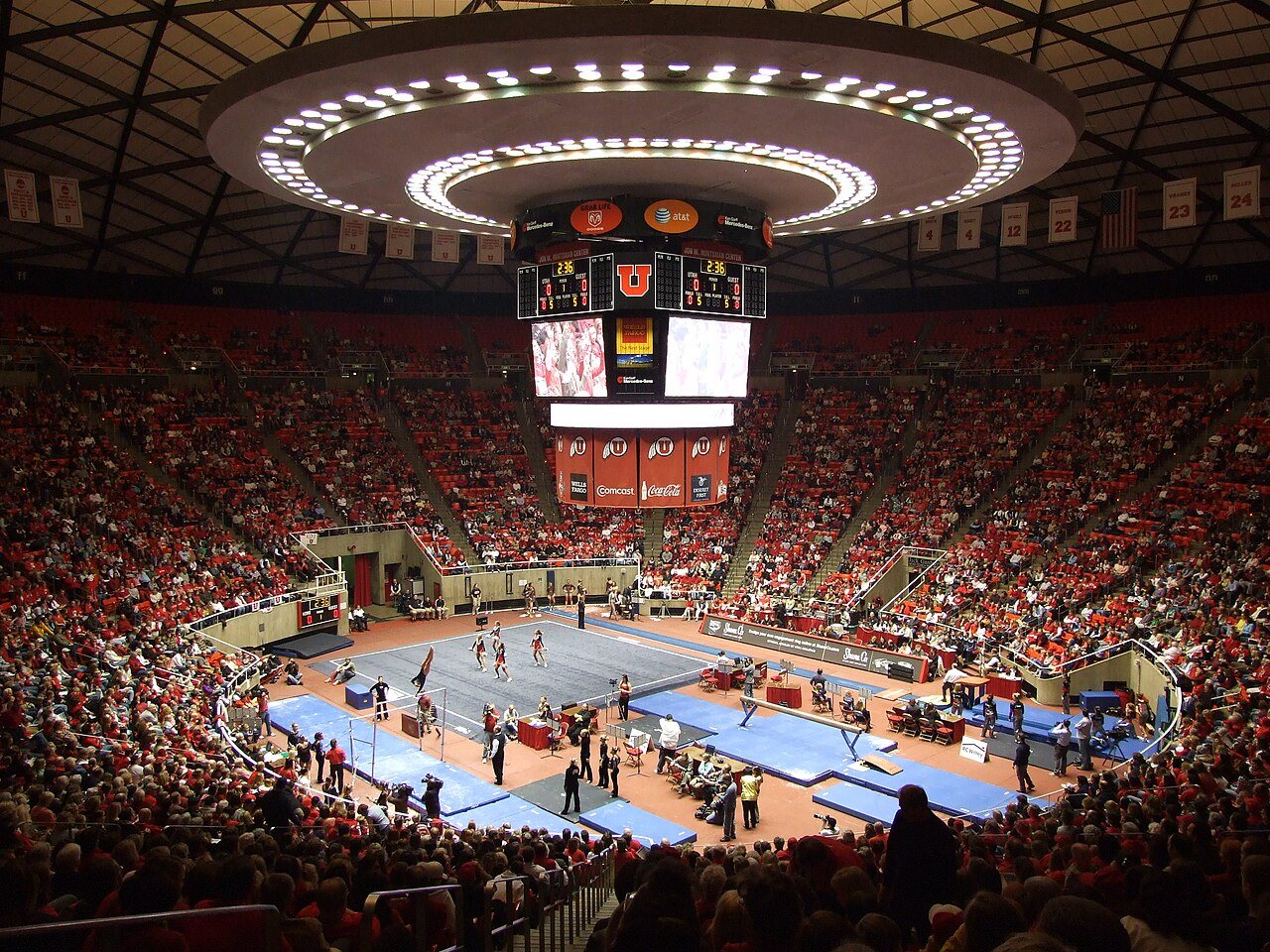
Utah basketball's crowning achievement came in 1944, when the Utes won the national championship — still the program's only title, a banner from another era that hangs in the Jon M. Huntsman Center as a reminder of what Utah basketball can be.
The 1998 runner-up run was the modern peak: Rick Majerus' Utes — Andre Miller's brilliance, Michael Doleac and Hanno Mottola inside — stormed through March to the national championship game before Kentucky ended the dream. It's still the program's only Final Four of the modern era, and the heartbreak in San Antonio still stings in Salt Lake City.
Majerus — the sweater, the brilliance, the larger-than-life personality — became a Utah immortal: his teams defended like their lives depended on it, and the 1998 run was his masterpiece. The Huntsman Center — 15,000 strong — shook like never before that March.
The Utes' history includes the glory days of the Mountain States and WAC wars, with Arnie Ferrin's 1944 heroics as the foundation. In the Big 12's new world, Utah plays in college sports' toughest neighborhood.
What defines the Utes is the 1944 crown and the 1998 run. A national title, a title-game heartbreak, and a program with the resources to win big. In Salt Lake City, Utah basketball is done waiting for the next April.
Rick Majerus' 1989-2004 run made Utah a national power: 15 straight tournaments, the 1998 title-game run, and a defensive identity that made the Utes the team nobody wanted to face. His sweater is a Salt Lake City icon.
Andre Miller's 1998 brilliance carried the title-game run: the junior guard — future NBA star — was the best player on the floor all March, dueling Kentucky's talent in the final. His Ute legacy is secure.
Arnie Ferrin's 1944 heroics won the program's only title: the freshman — yes, freshman — starred in the championship run, a feat that remains one of the great stories in the sport's history.
The Huntsman Center's 15,000 seats give the program a mountain palace: in Salt Lake City, with the Wasatch as the backdrop. In the Big 12's new world, the Utes play in the toughest neighborhood — and the 1944 banner is the standard.
The Utes' Big 12 move raised the stakes: Kansas, Houston, Baylor — the toughest league in America, and Utah plays in it nightly. In Salt Lake City, the Huntsman Center crowds expect March — and the 1944 banner hangs as the standard.
The Alex Jensen era began with a homecoming and a full reset. Jensen — a Runnin' Ute himself, class of 2005, who went on to an NBA playing career and assistant-coaching stints including with the Dallas Mavericks — was named head coach in March 2025, tasked with pulling the program back up in the Big 12. Year one was a gut check: a 5-0 start at the Huntsman Center gave way to a brutal conference winter, a 10-22 finish (2-16 in the Big 12), and a 13-game road losing streak that included a first-ever visit to Allen Fieldhouse, where Kansas and probable No. 1 pick Darryn Peterson awaited. The preseason poll had Utah 13th; the season ended there. But Jensen never wavered on the vision — a roster rebuilt from scratch to compete in the country's toughest league.
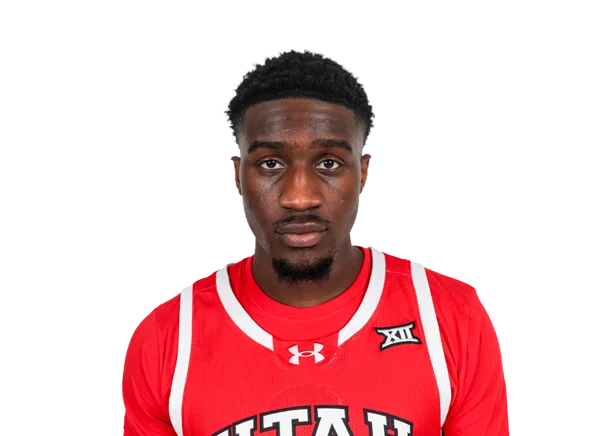
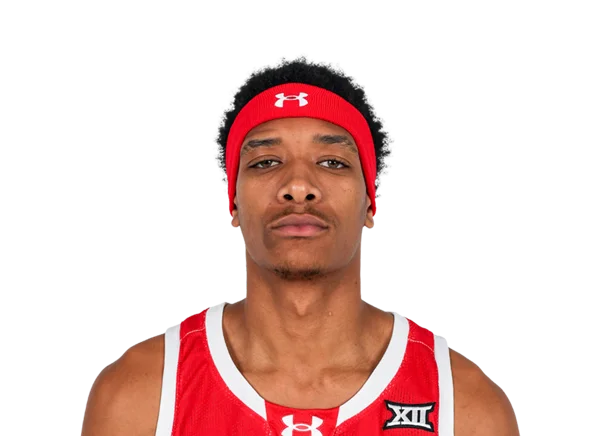
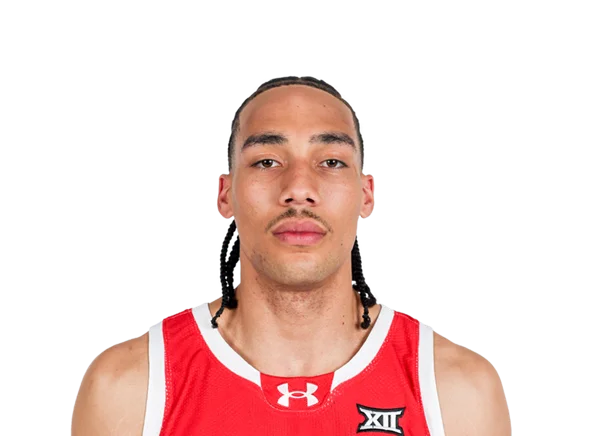
That rebuild was the story of the 2025-26 offseason. Jensen constructed one of the most diverse rosters in the nation — 15 players representing seven countries across three continents, ranking Utah fourth in the NCAA for countries represented on a single roster. The portal haul was ambitious: Don McHenry (17.0 ppg at Western Kentucky), 6-foot-8 Babacar Faye (15.2 ppg at WKU), Terrence Brown (20.6 ppg at Fairleigh Dickinson), 6-foot-7 Seydou Traore (5.9 ppg at Iowa), 6-foot-8 James Okonkwo (6.9 ppg at Akron), Elijah “Choppa” Moore (Syracuse), 6-foot-6 Jahki Howard (Auburn) and junior-college standout Josh Hayes, who was providing real bench energy by late winter — seven boards, five on the offensive glass, in a narrow win at West Virginia. It’s a roster built for Jensen’s brand of basketball: length, toughness, and international versatility.
Now comes year two. The 2026-27 season is the test of whether Jensen’s vision translates in the Big 12’s meat grinder — home dates with Baylor, Iowa State and Texas Tech, road trips to Kansas, Houston and every other monster the league offers. Utah’s Big 12 slate is a nightly examination: the Cyclones brought back All-Big 12 talent, the Red Raiders returned Big 12 Player of the Year JT Toppin off an Elite Eight run, and the Jayhawks remain the Jayhawks. For the Utes, progress won’t be measured in banners yet — it will be measured in competitive minutes, in road wins, in whether the Huntsman Center starts feeling like the fortress it once was.
The deeper history gives Jensen’s project its blueprint. After the Majerus peak came the Andrew Bogut renaissance of the mid-2000s — the 7-foot Australian winning national player of the year honors and going No. 1 overall in the 2005 NBA Draft, dragging the Utes to the 2005 Sweet 16. Keith Van Horn’s scoring artistry in the ’90s made him a program immortal and the No. 2 overall pick in 1997. And the Larry Krystkowiak decade (2011-21) restored relevance with tournament trips and the 2015 Sweet 16 behind Delon Wright and Jakob Poeltl. The thread through all of it: Utah wins when it recruits to an identity — tough, skilled, disciplined — and plays like the mountain school it is.
And the identity starts with the building. The Jon M. Huntsman Center’s 15,000 seats, tucked against the Wasatch, have hosted some of the great home-court environments in the sport’s history — the 1998 run made it shake like never before. The Holy War with BYU remains the fiercest date on the calendar, a rivalry that now plays out with both programs in the Big 12, and the Old Wagon Wheel battle with Utah State still matters deeply across the state. The “Runnin’ Utes” nickname itself is heritage — Jack Gardner’s fast-breaking teams of the 1940s and ’50s, who won the 1944 NCAA title and the 1947 NIT, ran opponents ragged decades before pace-and-space was a philosophy. Eighty years later, the banner from 1944 still hangs in the Huntsman Center — and Jensen’s Utes are running again, this time toward a future where April in Salt Lake City means something once more.