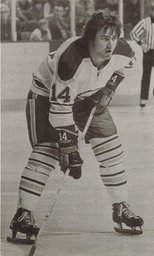
The Sabres are the franchise defined by the two most agonizing losses in hockey history. Founded in 1970, they reached the Stanley Cup Final in just their fifth season — the 1975 Fog Game against Philadelphia, played in a Buffalo arena so humid the fog swallowed the ice — and lost. The French Connection line of Gilbert Perreault, Rick Martin, and Rene Robert was pure magic, and it wasn't enough.
The Dominik Hasek era was the closest thing to a one-man team the sport has seen: the Dominator — the most unorthodox, most unbeatable goaltender ever — won back-to-back Hart Trophies as league MVP, something no goalie had done in decades, and dragged Buffalo to the 1999 Final. They lost to Dallas in triple overtime of Game 6, on Brett Hull's skate-in-the-crease goal — the most controversial goal in Stanley Cup history. Buffalo has never gotten over it, and shouldn't have to.
The 2005-07 Sabres were the most fun team in hockey — the high-flying, post-lockout buzzsaw that won the Presidents' Trophy — until injuries gutted them in the conference finals. Then came the darkness: the longest playoff drought in NHL history, a decade-plus of losing that tested the most loyal fanbase in the sport. The recent young core is the first real hope in years.
The drought Sabres (2011-present) own the league's longest playoff drought: 14 years and counting, the Eichel era's collapse (the 2021 trade, the Vegas Cup the salt in the wound), and the Dahlin-Power young core that keeps teasing — the 2022-23 91-point near-miss, the 2023-24 step back, the 2024-25 reset. The Thompson 47-goal eruption (2022-23) was the glimpse; the Dahlin Norris candidacy the foundation. The KeyBank Center's Buffalo crowd brings the 1975 and 1999 memories: the French Connection, the Hasek dominance, the No Goal heartbreak — and the most patient fans in hockey. The Atlantic's basement wars define the winter. What the Sabres are now is a franchise still waiting — the Dahlin-Thompson core the hope, the drought the urgency, and the 1999 standard the goal. In Buffalo, the belief never dies, but the results have to come: 14 years is long enough, and the next era starts with the kids growing up.
What defines the Sabres is the loyalty through the suffering: no Cups, two Finals losses that still sting, and a city that fills the arena anyway. Buffalo loves the Sabres the way it loves its winters — completely, and without illusion. The drought will end someday; the devotion never did.