NEW YORK — Tuesday’s AI chip money moves are really three stories, and they’re all about confidence. Sam Altman came out and defended Cerebras, quieting a selloff that had erased more than half the stock’s value since its IPO. Micron posted a monster quarter — $37.7 billion in profit on $54.23 billion of revenue — confirming the AI memory boom is real. And Nvidia, the company at the center of everything, is discovering that even its chips’ value is now up for debate among the lenders financing against them.
Altman’s late-Friday post stops the bleeding at Cerebras
Shares of Cerebras (CBRS) rose about 6% in premarket trading Monday, recouping some of last week’s brutal losses, after OpenAI CEO Sam Altman publicly pushed back on speculation about the partnership late Friday. “There are various rumors circulating about our partnership with Cerebras,” Altman wrote on X. “Cerebras is a close partner of ours, and we have a deep engagement pushing on the frontiers of speed.”
The rumors were specific and damaging. Last week the stock plunged roughly 20% to an all-time low after SemiAnalysis, the semiconductor research firm, reported that OpenAI’s upcoming GPT-6.1 Sol model would run in Ultrafast mode on Nvidia GPUs rather than Cerebras hardware. Cerebras competes directly with Nvidia on inference speed — its flagship Wafer Scale Engine 3 is positioned as faster than Nvidia’s GPUs — so the report cut at the heart of the company’s investment thesis. The stock closed Friday at $166.43, down 1.8% on the day and down for a fifth straight session, sitting about 10% below its $185 IPO price.
The IPO-day comedown remains stark. Cerebras sold shares at $185 apiece — well above its indicated $150–$160 range — and the stock opened at $350 on May 14, closing that first day with a market value of about $95 billion. Today it’s just over $39 billion. The pressure has compounded from a second source: post-IPO lockup releases. Up to 19.4 million shares held by directors, officers, employees, and other holders became eligible for sale on September 30 — about 8% of shares outstanding — following staged releases of roughly 14.6 million shares every two weeks since mid-August. More tranches unlock October 14 and October 28. Executives have been selling into the decline: CEO Andrew Feldman and CTO Sean Lie sold more than $240 million of Class A stock between August 20 and September 25 under trading plans adopted shortly after the IPO; COO Dhiraj Mallick sold 396,000 shares for about $80.8 million on September 29 and CFO Robert Komin sold about $6.6 million the same day.
None of this changes the underlying business relationship — at least on paper. In January, OpenAI and Cerebras announced a multiyear agreement for 750 megawatts of Cerebras wafer-scale systems through 2028, a deal Cerebras valued at more than $20 billion in its IPO prospectus, alongside a $1 billion OpenAI working-capital loan. In August, Cerebras reported second-quarter revenue of $180.1 million, up 74% year over year. Citi analysts noted October 2 that their 2026–2028 revenue-growth outlook is unchanged, arguing it is too early to draw conclusions about frontier-model hardware choices, while flagging that the stock increasingly depends on confirming gross margins have bottomed. Wall Street remains mostly bullish — 11 of 13 covering analysts recommend buying, with no sell ratings — but the stock is now a show-me story, and Altman’s post was the first show-me moment.
Micron: the memory supercycle, in one quarter
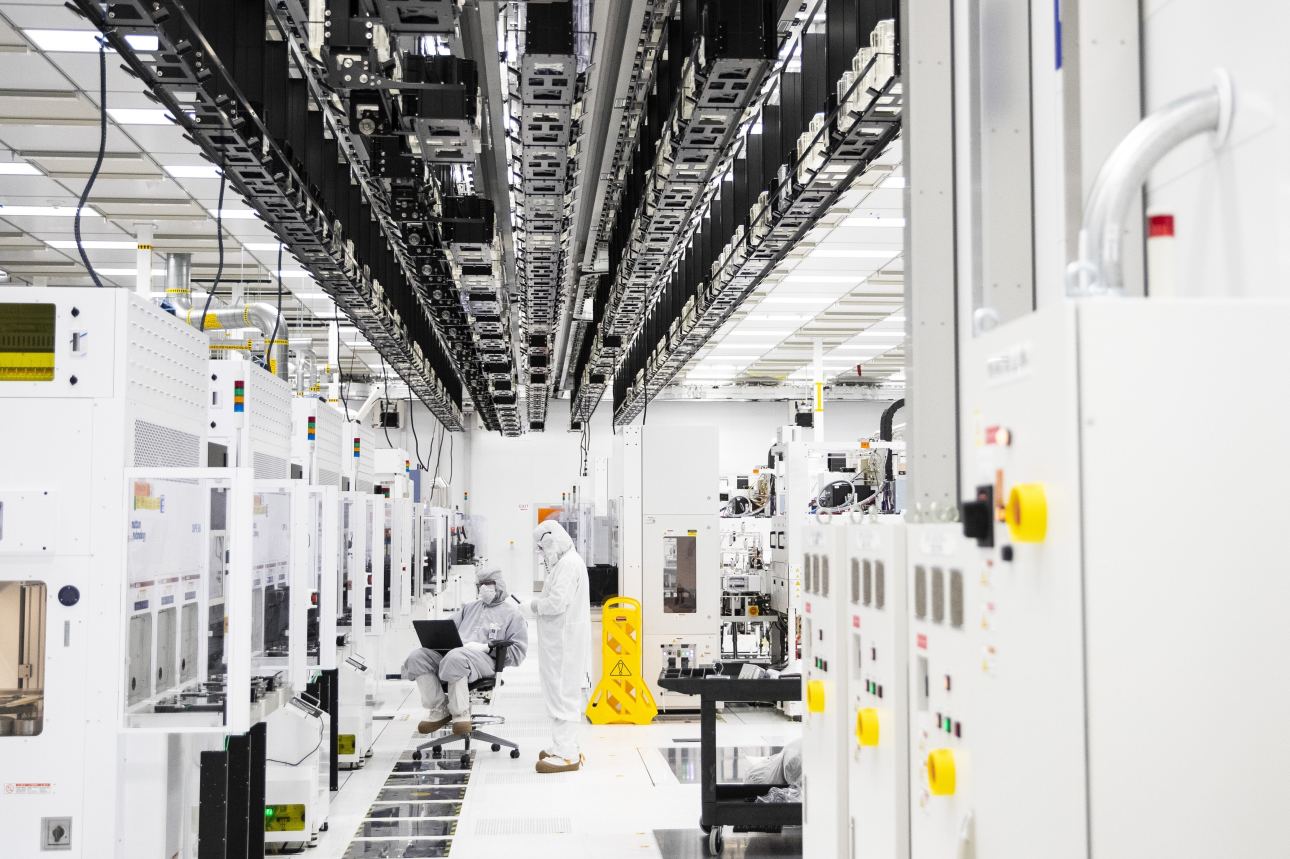
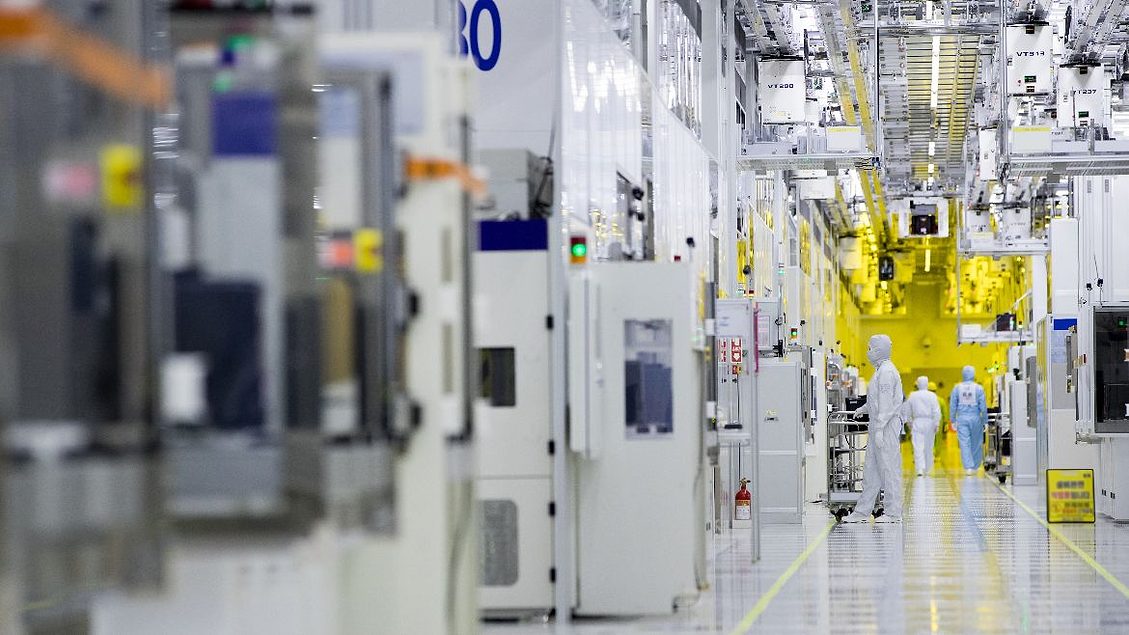
If Cerebras is a confidence story, Micron is a confirmation story. The memory giant reported fiscal fourth-quarter results for the quarter ended September 3 that read like a typo next to last year’s: profit of $37.7 billion, or $32.87 a share, up from $3.2 billion a year earlier; revenue of $54.23 billion, up from $11.32 billion. Adjusted earnings of $33.42 a share beat the $31.72 analysts polled by FactSet had expected; revenue beat the $51.33 billion consensus.
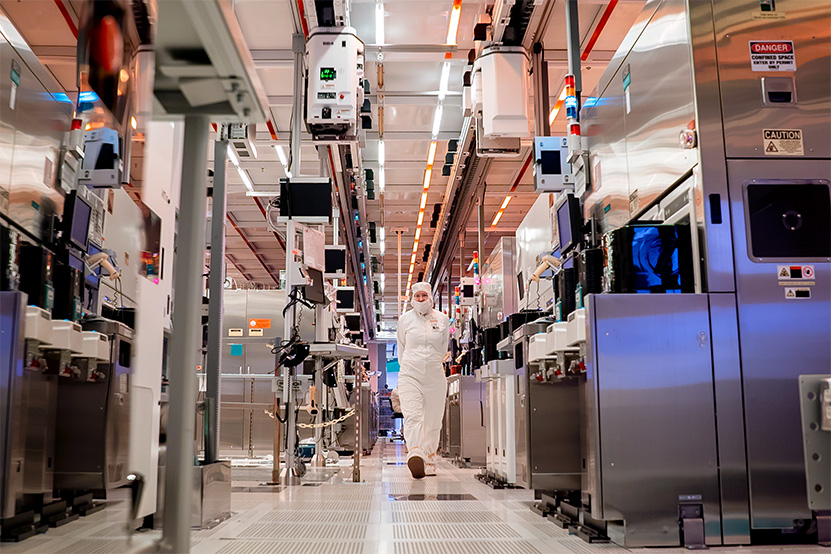
“Micron delivered record fiscal 2026 results, and we expect an even stronger fiscal 2027,” CEO Sanjay Mehrotra said, adding that “AI is becoming Super Intelligence (SI), and memory enhances this intelligence and the competitiveness of our customers’ platforms.” The company guided fiscal Q1 adjusted earnings of $37.15 to $39.15 a share on revenue of $60 billion to $63 billion — against analyst expectations of $35.47 a share on $57.4 billion of revenue.
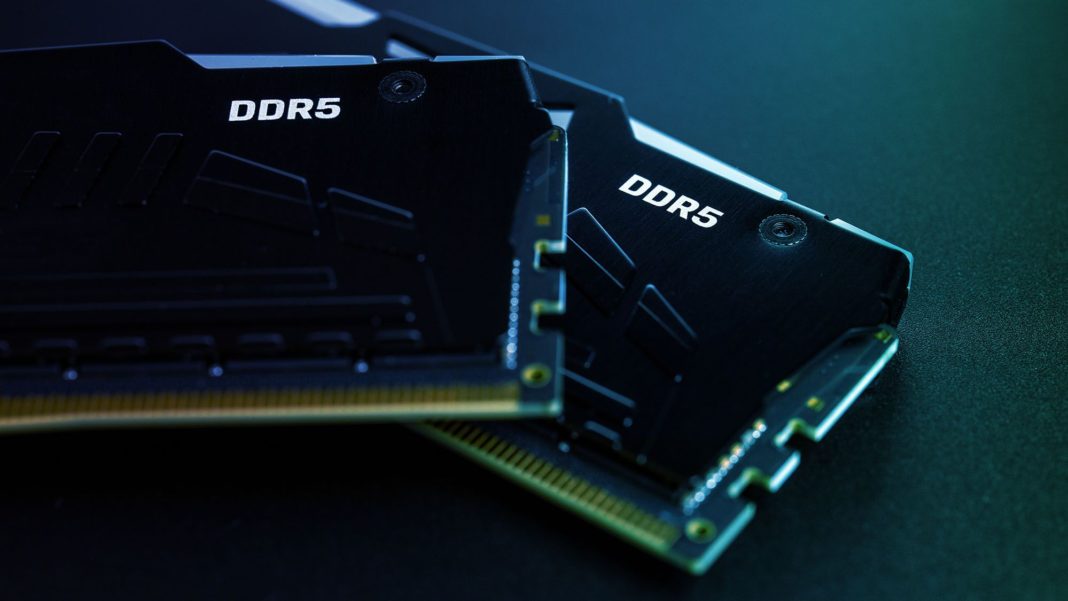
The deeper signal for the AI buildout: Micron disclosed 26 strategic customer agreements covering more than 35% of its expected revenue through 2030, and said it expects memory to remain tightly supplied through 2028. Memory has been the quiet choke point of the AI infrastructure boom — high-bandwidth memory and NAND demand from AI data centers have absorbed capacity faster than fabs can add it — and Micron’s quarter suggests the sellers’ market has years to run. That tightness is already rippling into consumer hardware; see our report on memory shortages and RAM prices for gamers.
Nvidia’s chips are collateral now — and lenders are asking questions
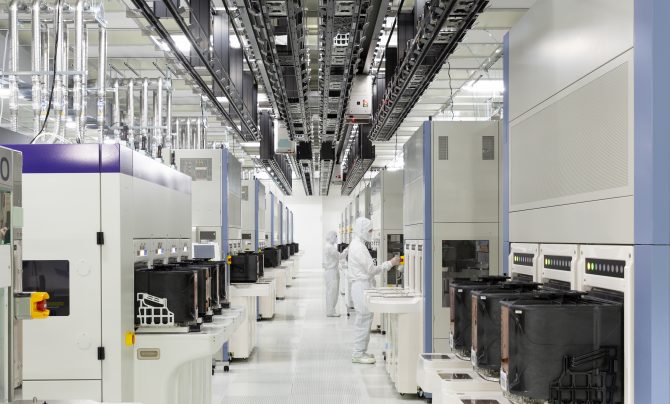
The third thread is the most consequential for the AI boom’s financial plumbing. Lenders were reported on October 1 to be questioning whether Nvidia GPUs can retain enough value to support the long-term loans tied to Nvidia’s proposed AI infrastructure financing platforms, with some seeking stronger protections. The concern is straightforward: GPUs are the collateral backing tens of billions of dollars in loans to smaller AI cloud operators (neoclouds), and those structures assume the hardware holds enough value over five to six years to secure the borrowing.
Nvidia has argued its top-tier GPUs can generate revenue for up to a decade — and in an August 11 blog post, CEO Jensen Huang said Nvidia may provide residual-value support of up to 25% of an opportunity, assessed project by project, as part of financing platforms designed to mobilize more than $500 billion of outside capital. But lenders are doing their own math: banks typically underwrite GPUs on a 3-to-4-year depreciation schedule, one portfolio manager noted, while Nvidia releases new architectures almost every year — raising the question of how fast a given generation’s resale value actually decays.
The story has a second beat. Nvidia has held early talks with insurers about taking on part of the financing risk tied to its chips, the Financial Times reported September 29 — coverage that would protect lenders to neoclouds if a borrower defaults and the pledged chips can’t be resold for enough to cover the loan. The talks may not lead to deals. And Nvidia isn’t standing still on the capital side: on September 28 it added $150 billion to its share repurchase authorization, bringing the remaining total to $235 billion (our earlier report).
What it all adds up to
Zoom out and the pattern is clear: the AI infrastructure trade is maturing from pure growth speculation into something with balance sheets, covenants, and residual-value curves. Cerebras’ whiplash shows how violently that maturation can reprice a single name — one research note and one lockup calendar can erase $56 billion of market value in five months. Micron’s quarter shows the demand is still very real. And the Nvidia loan scrutiny shows the financial system is starting to price the risk that it isn’t forever. Tuesday’s moves are the market doing arithmetic on all three at once.
Reporting this story is based on
- Shares of chipmaker Cerebras jumped 6%: OpenAI CEO Altman voiced his support for the company
Oninvest — 2026-10-05 - Cerebras Stock: Altman, OpenAI Partnership Rebound
MarketSpeaker — 2026-10-05 - Cerebras Stock Gets A Boost After OpenAI CEO Sam Altman Calls Chipmaker ‘Close Partner’
Stocktwits via TradingView — 2026-10-05 - Micron 4Q Profit, Revenue Surge on Memory Demand
Dow Jones via Morningstar — 2026-09-30 - NVIDIA AI Financing Plan Faces Lender Scrutiny
NeoTeo — 2026-10-01 - Nvidia (NVDA) talks to insurers about chip-backed AI loans
AI Stock Wire — 2026-10-02 - Warning Signs Emerge for GPU-Backed Loans as Chip Prices Decline
Aju Press — 2026-09-28