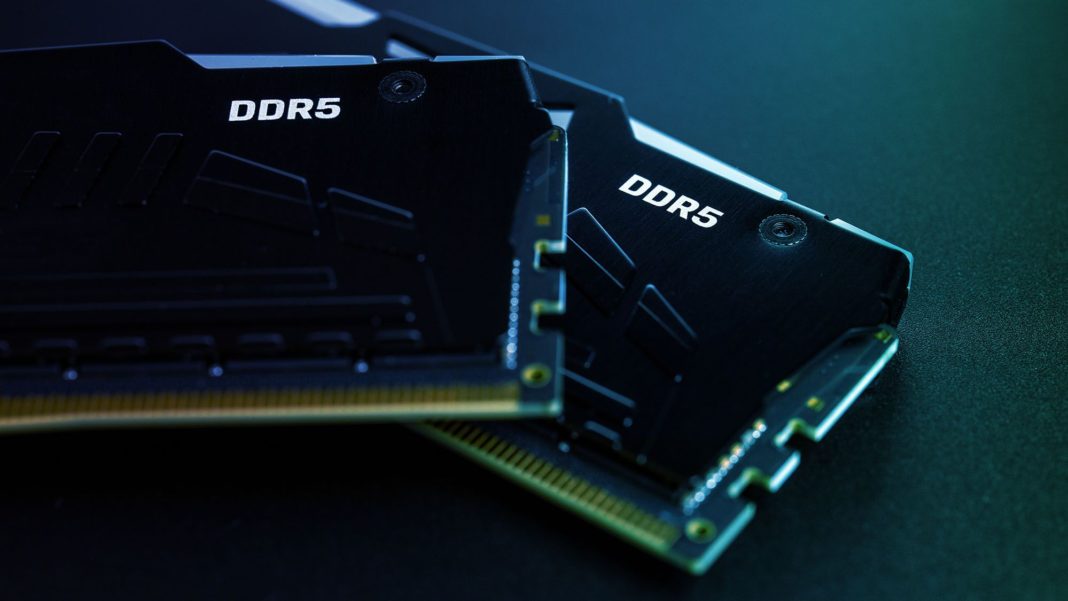
THE NUMBERS — The memory crisis is now gaming’s worst problem, and nobody gets a break from it — not PC builders, not laptop buyers, not handheld owners. Last year, you could buy 32GB of DDR5 for $72. Today, the cheapest comparable kit tracked by Tom’s Hardware is $392. A 128GB kit that once bottomed out at $329 now costs $3,399. That is not a typo, and it is not a temporary spike — it is the new baseline. And the companies that make memory just spent an entire earnings call explaining why it will not get better any time soon.
The numbers tell the story bluntly. Hardware trackers put DDR5 price increases reported by builders at up to 486% over the past twelve months. Year-over-year DRAM contract prices topped 170% in the third quarter, and industry watchers expect fourth-quarter PC DRAM contracts to run 25% to 30% higher still — with some deals already closing at increases of 20 to 25%. This week, Morgan Stanley upgraded Micron to Overweight and lifted its price target to $220 from $160, with its industry contacts reporting DDR5 spot pricing up 15% since Micron’s last guidance update alone.
Even the so-called deals underscore the damage. Tom’s Hardware’s Big Deals Day picks this week offered three 32GB DDR5 kits — Team Group DDR5-5200 at $389.99 with a promo code, Team Group DDR5-6400 at $459.99, and Corsair’s Vengeance DDR5-6000 CL30 at $459.99 — framed as affordable alternatives because 64GB kits have become absurd. A “deal” is now paying $390 for memory that cost $72 a year ago.
Why it’s happening: AI ate the memory supply
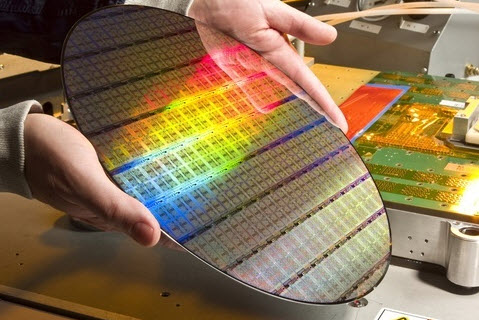
The cause is simple economics, and it starts in the data center. HBM — high-bandwidth memory, the stacked DRAM that sits right next to the chips in AI accelerators — is the most profitable thing a memory fab can make right now, so wafer capacity goes there first. In early September, a 36GB HBM3E part reportedly sold for about $2,100 on the spot market — four to five times its long-term contract price. Samsung has reportedly committed about 70% of its memory capacity through 2031 to long-term deals.
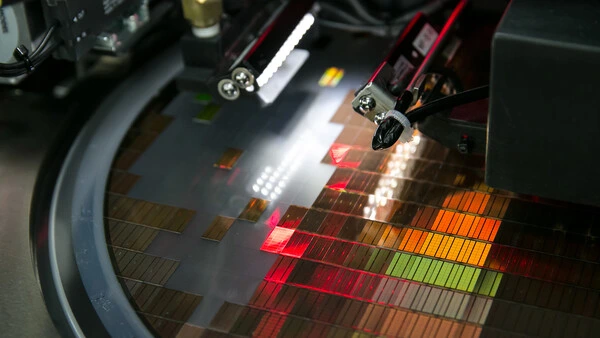
What’s left over goes to consumers — and there isn’t enough. Micron has already sold out its entire HBM supply for calendar 2026 and is racing to roughly double HBM output, from the 40,000 to 50,000 wafers per month it historically ran to about 100,000 wafers monthly by year-end. Every wafer devoted to HBM is one that isn’t making the DRAM that goes into a gaming laptop. This is why your PC upgrade costs what a mid-range graphics card used to cost: gamers are bidding against hyperscalers for the same silicon, and the hyperscalers are winning.
Who pays: gamers, builders, and the handheld crowd
Start with the PC builders, because they’re screaming the loudest. German laptop builder Schenker told Tom’s Hardware that DDR5 laptop memory now costs six times what it did in July 2025 — and it just raised prices on most of its gaming laptops by $113 to $228. The company says CPUs, graphics cards, and circuit boards are all getting pricier too. It is not only memory: Europe saw average Nvidia card prices climb 41.3% and AMD cards 28.3% in the June-to-September window, and RTX 50-series retail prices rose up to 39% earlier this year.
The shrinkflation is quieter but just as real. TrendForce reports that PC brands are cutting SSD capacities in mainstream models to protect their costs — the name on the box stays the same while the hardware inside shrinks. Gamers noticed: Tom’s Hardware reported this week that 32GB has dethroned 16GB as the most common RAM capacity in gaming rigs, even as the price of that 32GB has more than quintupled. Players are paying ransom prices because modern games demand it.
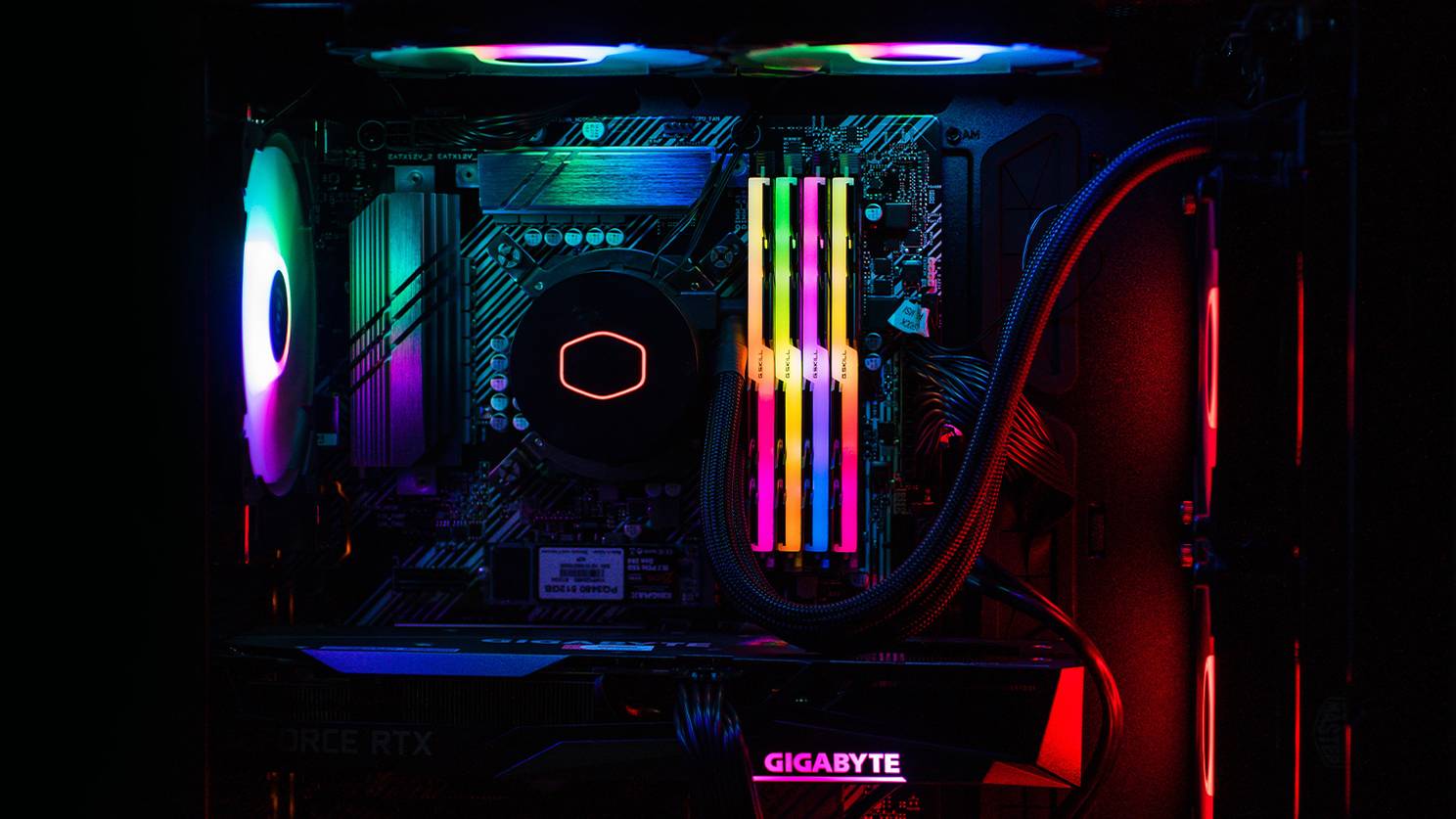
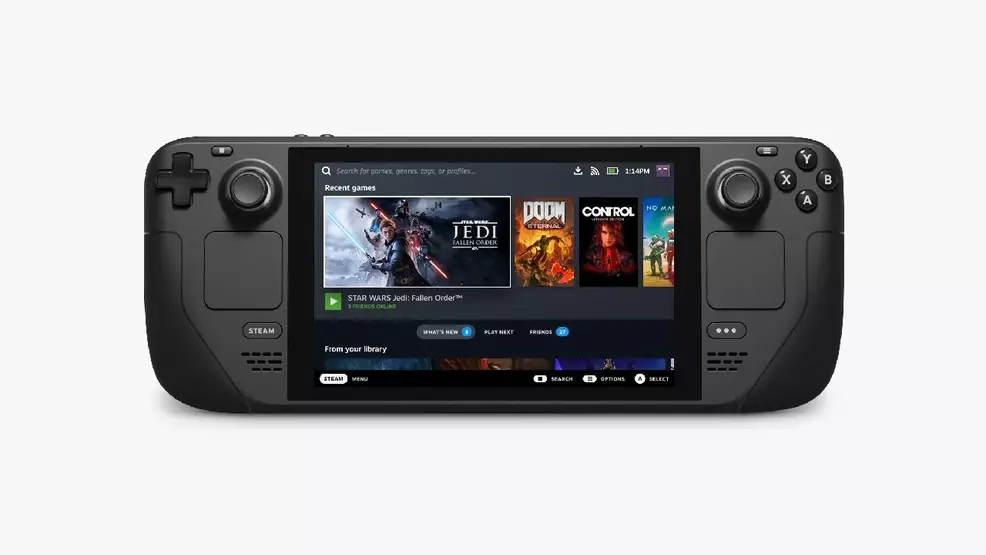
The pain extends past desktops. Mini PCs built on AMD’s Ryzen AI Max+ 395 show what the shelf looks like: a GMKtec EVO-X2 with 128GB and 2TB listed at $1,999.99 on Amazon in September 2025; the same configuration cost $3,649.99 on GMKtec’s own store in late September 2026, and the cheapest comparable 128GB boxes sit at $3,099. AMD has been passing memory costs down to board partners, with Tom’s Hardware reporting Radeon RX 9000 prices rising $10 for every 8GB of VRAM, and more increases scheduled. Handhelds like the Steam Deck, which use soldered LPDDR5, face the same silicon math with no kit upgrade to fall back on. Console makers, who buy DRAM at the same contract prices everyone else pays, are exposed on margins every bit as much as the PC brands.
What the money says
Wall Street has caught up to what spot prices have been screaming for months. Morgan Stanley’s upgrade of Micron — Overweight, $220 target, up from $160 — landed October 6, the same week Micron shares, trading around $936, posted roughly a 34% gain in a single month. Micron’s own fiscal fourth-quarter guidance, reported in late September, called for roughly $50 billion in revenue and non-GAAP gross margin near 86% — numbers that would have sounded like fantasy for a memory maker two years ago. The bank’s contacts don’t expect supply to loosen for several more quarters.
The companies downstream are not neutral victims, either. Nvidia reported $96.2 billion in revenue for its quarter ending in July 2026, up 106% from a year earlier, at a 75% gross margin — and in that quarter returned about $26 billion to shareholders. Yet the DGX Spark went from $3,999 at launch in October 2025 to $4,699 in February 2026 and $6,950 today, a roughly 74% increase, with the new 64GB model at $4,999. Nvidia has not said how much of that increase is memory and how much is margin. Our coverage of the AI power crunch tracks the same dynamic upstream.
The outlook: 2027 is the earliest hope
How long this lasts depends on who you ask — and both answers should be weighed against who’s giving them. Acer’s CEO expects average PC prices to climb 5% to 20% this quarter but says a shortage lasting until 2030 is “impossible,” and sees prices easing from mid-2027 as more chip production comes online, especially in China. SK Group’s chairman warned back in March that the wafer shortfall could run until 2030, with a gap of more than 20% and four to five years needed to build enough new capacity. One is a PC maker that needs prices to fall; the other runs a memory empire enjoying record margins. Weigh both accordingly.
Both camps agree on the next twelve months, though: any laptop refresh, workstation order, or GPU purchase in your 2027 budget costs more than last year’s quote. Reported ~10% AMD and Intel price increases take effect in Q4, stacking on top of the memory squeeze. For gamers, the practical advice hasn’t changed since this started: buy only the memory you actually need, don’t wait for a price crash that no one in the supply chain is forecasting, and if you’re building a PC this year, budget the RAM like a graphics card — because that’s what it costs now. More on what’s worth playing on the hardware you’ve got in today’s game releases and our games section.
Sources
- DEV Community (Jamil), RAM Prices Are Up 500% in 12 Months. Micron Just Said It Gets Worse, Oct 2026 — citing Micron fiscal Q4 2026 earnings call, Sep 30; Samsung statements via Reuters; Tom’s Hardware and PCPartPicker price data
- Tom’s Hardware (Jeffrey Kampman), Big Deals Day 32GB DDR5 memory kit picks, Oct 5 2026; (Jowi Morales), 32GB dethrones 16GB as top RAM capacity in gaming rigs, Oct 5 2026
- The AI Enterprise, The Week AI Ate the Memory Supply, Oct 2026 — TrendForce data; Schenker to Tom’s Hardware; Acer CEO and SK Group chairman statements
- StartupFortune, Micron Stock Jumps as Morgan Stanley Upgrade Confirms the Memory Squeeze Is Real, Oct 6 2026 — Morgan Stanley Overweight upgrade, $220 target; Micron guidance; contract-price data
- MiniPCBlogs, Consumers Are Paying for the RAM Crisis, Oct 2026 — Nvidia DGX Spark pricing; AMD RX 9000 VRAM pricing via Tom’s Hardware; GMKtec EVO-X2 pricing via Gizmochina
- Tech-Insider, AMD, Intel Chip Price Hike 2026: 10% TSMC Cost Pass-Through, Oct 2026