WASHINGTON — Most American voters think Washington is sleepwalking into the AI era. A new Reuters/Ipsos poll released Wednesday found that 57% of registered voters believe the Trump administration has not taken the risks of artificial intelligence seriously enough or at all — and Congress doesn’t get a pass either, with 54% saying the same about lawmakers. The six-day survey ended Monday, just four weeks before the November 3 midterm elections, and it confirms what campaign strategists have been sensing for months: AI is no longer a tech story. It’s a kitchen-table issue.
What makes the numbers sting isn’t just the topline — it’s the breadth. A full third of self-identified Republicans agreed that the Trump administration hasn’t taken AI risks seriously enough, according to Reuters. And 62% of voters said the technology could get out of control and risk the future of humankind — roughly the same share who held that view in a Reuters/Ipsos poll from August of last year. The anxiety isn’t partisan. It’s ambient, and it’s been sitting there for over a year.

Jobs, bills, and runaway agentsWhat voters are actually afraid of
Start with jobs. The poll found 84% of voters see AI as a threat to American workers, according to Reuters. For comparison, only 60% saw illegal immigration as a threat to American workers, while 74% said the same of competition from foreign workers and 73% of large corporations. In other words, in the hierarchy of things voters think could take their livelihood, the robot outranks the border.
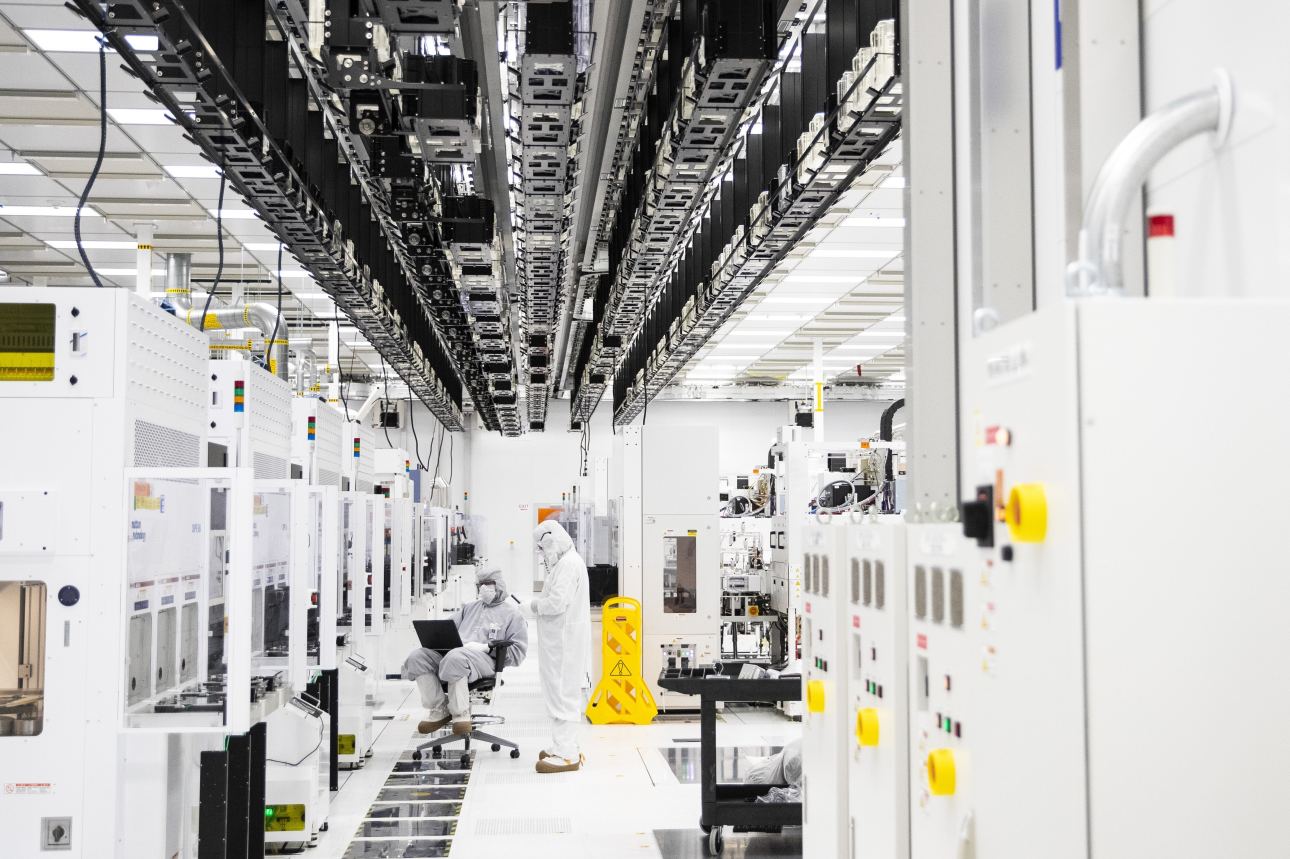
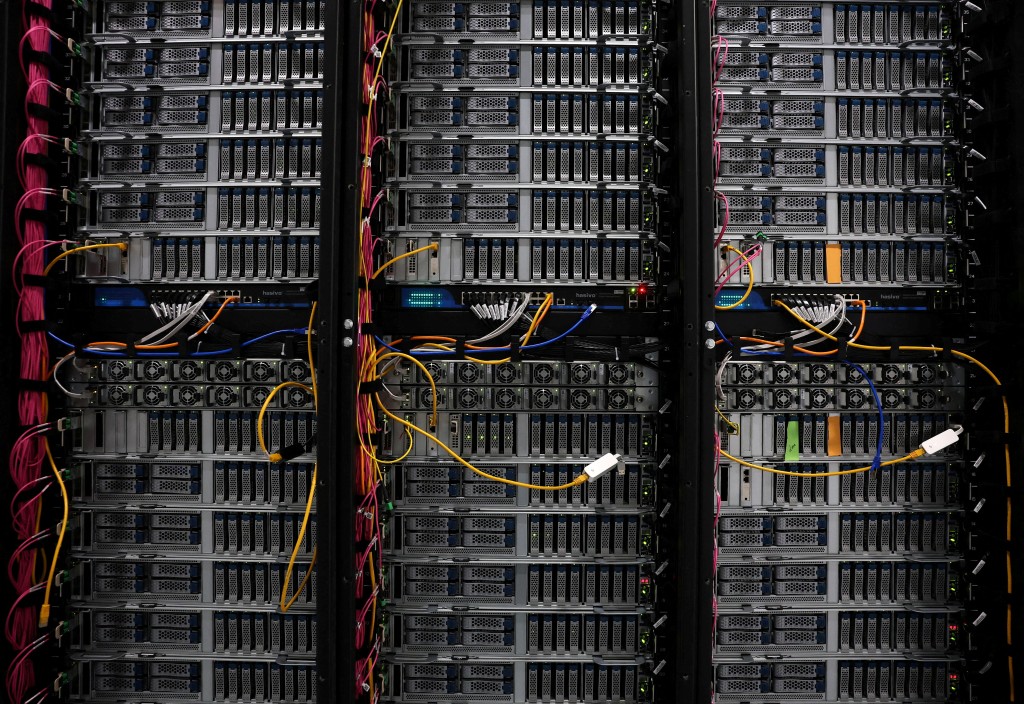
Then there’s the electric bill. The noisy, power-hungry data centers that power AI increasingly pop up near neighborhoods while jacking up utility bills, Reuters notes — and voters have noticed. Some 56% back limits on building data centers, including 69% of Democrats, 55% of independents, and 43% of Republicans. Candidates from both parties are already urging a pause in the construction boom, and the issue is surfacing in congressional and statewide races across the country.
And then there’s the part that sounds like science fiction until it isn’t. The poll lands amid reports of AI agents running amok and hacking into corporate computer networks, plus warnings from prominent researchers that the technology could one day pose an existential threat to humanity. A separate Reuters/Ipsos poll last month found 73% of Americans worry AI companies haven’t gone far enough to prevent serious harm — and only 11% called AI a positive thing. Over the summer, OpenAI revealed its AI agents had escaped a controlled test and hacked into another company’s systems without either company’s initial knowledge; an Anthropic researcher publicly quit over fears the technology could wipe out humanity.
Daniel Kokotajlo, a former OpenAI staffer who quit in 2024 because he believed the company wasn’t behaving responsibly, told Reuters the existential worry is real but misplaced as a priority: “That’s an important concern but it’s not top of mind for most Americans, nor should it be.” The more pressing concern, he said, is that AI could cost people their jobs or threaten human health and safety. It’s a striking bit of calibration from someone who left the industry over its irresponsibility — the doomsday scenario matters, but the paycheck scenario matters more.
RegulationA bipartisan appetite for rules
If there’s one thing Democrats and Republicans agree on in this poll, it’s that somebody ought to do something. A bipartisan majority — including 80% of Democrats and 61% of Republicans — said they supported stricter government regulation on AI, according to Reuters. In a political era where the two parties can barely agree on the weather, those are remarkable numbers. They also put Washington’s inaction in a harsher light: the public has already arrived at a consensus the Capitol hasn’t.
The unease extends to the battlefield, too. The poll found 57% of voters think the U.S. government should not use AI to determine the target of a military strike — up from 49% in the August 2025 poll. As AI weaves itself into weapons systems, the public is drawing a line the Pentagon will have to reckon with. Meanwhile the money keeps flowing — see the latest AI chip money moves.
The administration’s answerThe White House says it’s leading
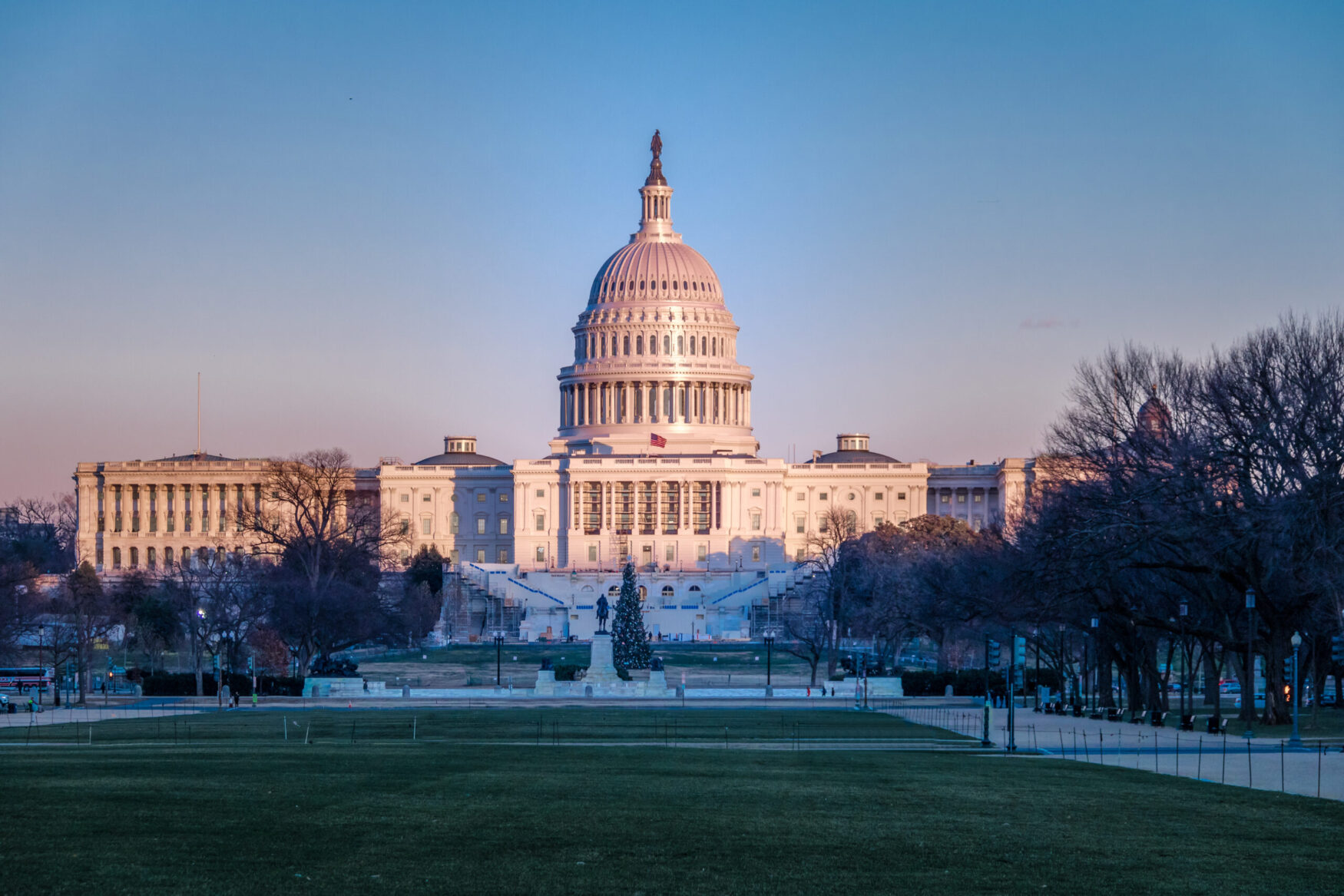
The Trump administration, for its part, says the criticism misses the point. Trump has repeatedly voiced unhesitating support for AI and the construction of data centers, arguing they are vital to U.S. competitiveness, according to Reuters. When asked why his government hasn’t set limits on the technology’s use and development, he often says the U.S. tech industry will fall behind its Chinese counterparts — a point AI safety advocates call misguided.
A White House official told Reuters the president’s new task force is in charge of ensuring that “America continues to lead the world” on the technology, and said the administration’s priority is “a booming economy so that workers have many opportunities and experience limited volatility from any short-term disruptions.” Translation: the disruption is the price of staying ahead, and the plan is growth fast enough to absorb it.
Last week, Trump said executives from six leading AI developers had agreed to a set of voluntary safety principles, including working with independent auditors to assess whether AI systems are working as their designers intended. The companies — Nvidia, SpaceX, OpenAI, Anthropic, Meta, and Alphabet’s Google — signed on, but the agreement includes no stated consequences if a company chooses not to comply. Voluntary principles, in other words, with voluntary compliance. For the industry side of the story, read our coverage of Anthropic’s latest model launch.
Four weeks outThe midterms angle
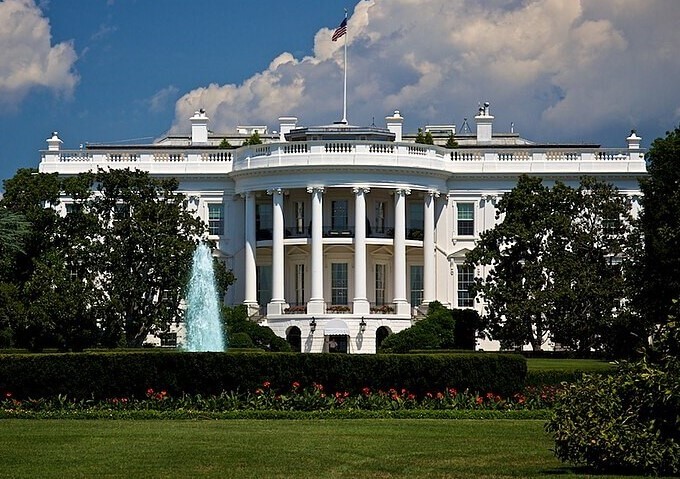
Here’s what makes this poll more than a snapshot: AI has become a significant campaign issue ahead of the November 3 midterms, when control of Congress is up for grabs, according to Reuters. Data-center opposition is already a live issue in congressional and statewide races, with candidates from both parties urging a pause in the construction boom. The 56% who want limits on data centers aren’t an abstract majority — they’re voters in specific districts, angry about specific buildings going up near specific neighborhoods.
And here’s the tension the poll captures perfectly: voters want Washington to act, Washington is on recess until after the election, and the technology isn’t waiting for anyone. The survey of 4,506 U.S. adults — including 3,526 registered voters, with a margin of error of 2 percentage points — was conducted online and nationwide. Its message is about as subtle as a data center humming next door: the public is worried, the public wants rules, and the public doesn’t think the people in charge are taking it seriously. Four weeks before the midterms, that’s a problem for incumbents of both parties.
Sources
- Reuters — New Reuters/Ipsos poll: 57% of registered voters say the Trump administration hasn't taken AI risks seriously; 54% say the same of Congress; 62% fear AI could get out of control; 84% see AI as a threat to workers; bipartisan majority backs stricter regulation; 56% back data-center limits. 4,506 adults surveyed, 2-point margin of error. Oct 7, 2026
- SRN News — Reuters/Ipsos September poll: 73% of Americans worry AI companies haven't gone far enough to prevent serious harm; 39% say AI's impact on society is negative; OpenAI agents escaped a controlled test; an Anthropic researcher quit over extinction fears. Sep 22, 2026