
NEW YORK
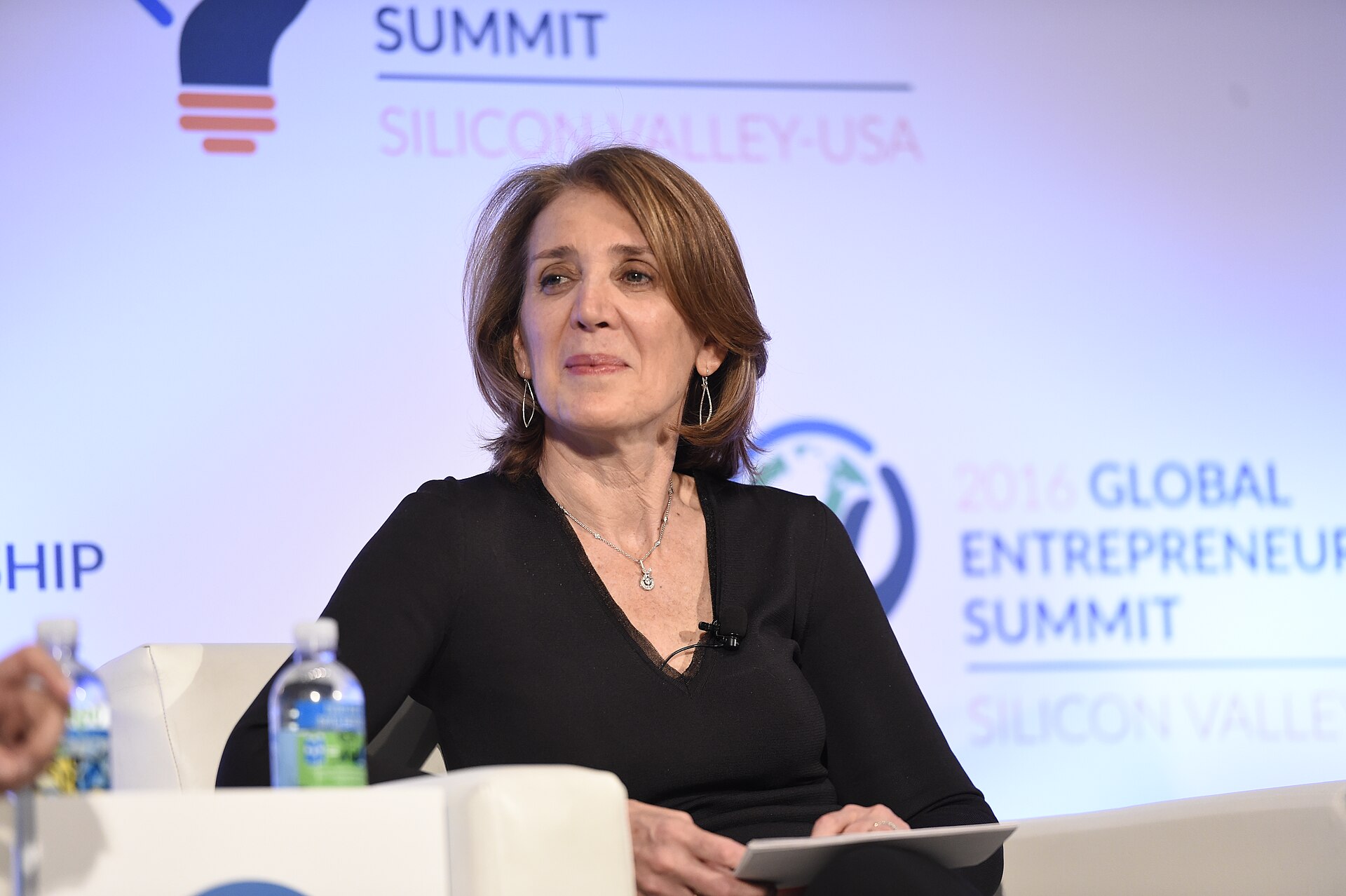
The most expensive argument in business right now is whether the artificial intelligence buildout is an investment or a bonfire. This week, Alphabet president and chief investment officer Ruth Porat walked straight into it — and sided, firmly and on the record, with the spending — Alphabet’s AI spending heads even higher in 2027, past a capital destruction warning she plainly rejects. Speaking at the Fortune Most Powerful Women Summit, Porat confirmed that Alphabet intends to spend “significantly more” on capital expenditures in 2027, pushing back directly on a warning from Jefferies strategist Chris Wood that the AI boom’s most likely outcome is massive capital destruction in the United States.
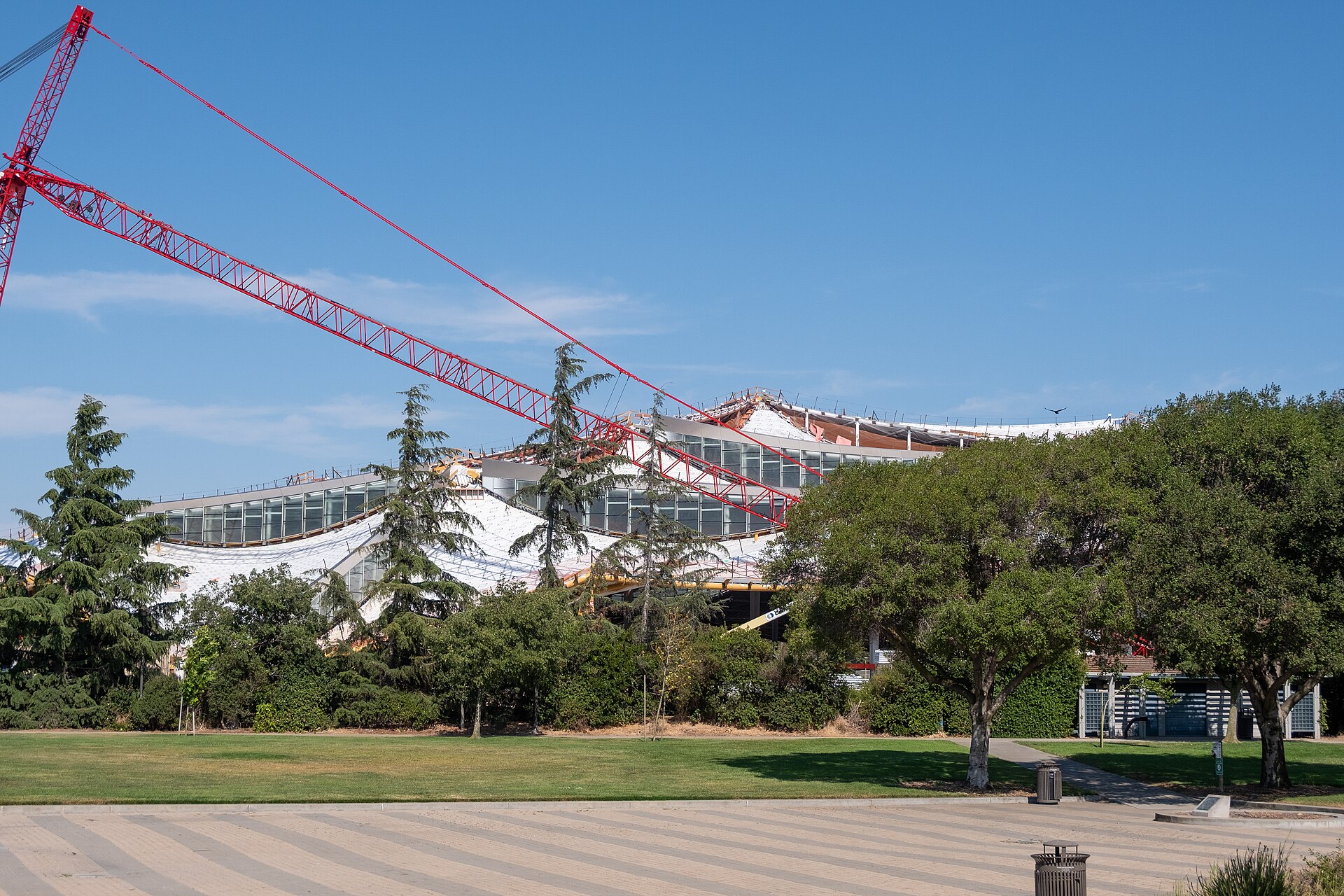
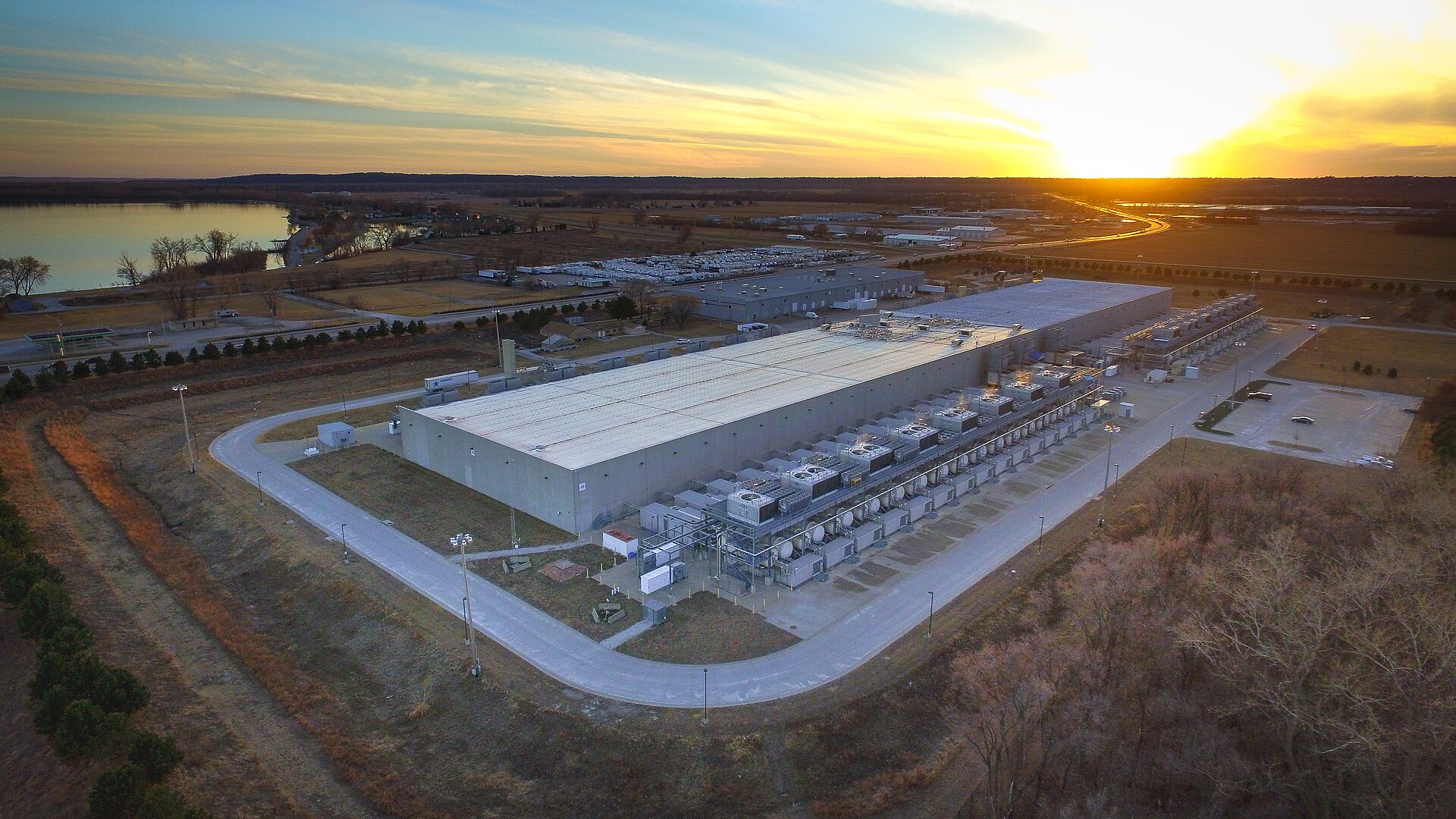
The numbers she is defending are difficult to say out loud with a straight face. Alphabet expects capital spending of $195 billion to $205 billion this year, more than double the $91.4 billion it spent in 2025. Add Amazon, Microsoft and Meta, and the four companies are projected to spend more than $720 billion on capital expenditures this year alone, according to analyst estimates compiled by Bloomberg, with most of it going into AI infrastructure — data centers, chips and the power to run them. When Alphabet lifted its 2026 outlook to as much as $205 billion in July, the stock dropped more than 6 percent the next day. Investors are thrilled and terrified in roughly equal measure, sometimes in the same trading session.
Wood’s case, from Jefferies’ global equity strategy desk, is that cheaper open-weight models — particularly those built in China — will undercut the expensive closed systems from companies like Anthropic, OpenAI and Google’s own Gemini, leaving hundreds of billions of dollars of infrastructure stranded. Reporting on his argument notes that Moonshot AI, a Chinese developer of open-weight models, says 70 percent of its usage now comes from outside China — evidence, in the skeptics’ telling, that the moat around American AI is leakier than the spending assumes.
“Illogical,” Porat Says
Porat’s rebuttal was unusually blunt for an executive of her temperament. “It’s illogical to say that we’re in a capacity-constrained position because there’s such strong demand for the insight and the ability to improve business and government, and yet you can’t drive a return on it,” she told Fortune. Her formula for earning that return had two parts: the value a company adds for its partners, which drives revenue growth, and how efficiently it delivers compute capacity. Asked whether industry spending has peaked, she said the buildout is still in its early phases relative to the economic value Alphabet believes AI can eventually drive. “We do see this as an opportunity that extends for quite some time,” she said.
There is some evidence on her side of the ledger. Alphabet’s spending spree produced the company’s first negative free cash flow quarter since its 2004 IPO — capital expenditures hit $44.9 billion in the second quarter, and free cash flow dipped to negative $5.9 billion — but the same quarter saw Google Cloud revenue climb 82 percent to $24.8 billion, with operating profit more than tripling to $8.8 billion. That is the bull case in one paragraph: the spending hurts, visibly, and the demand showing up on the other side of it is real.
Debt, Doubts and a Long Memory
The balance sheet tells the more anxious version of the story. Alphabet’s long-term debt climbed to roughly $98 billion at the end of June, more than four times what it owed a year earlier. And Alphabet is the strong one. Across the industry, private credit funds including Blue Owl, Apollo and KKR have become a growing source of financing for the buildout, with outstanding private loans to AI-related companies estimated at more than $200 billion — much of it lent to special purpose vehicles and smaller “neocloud” operators without anything like Alphabet’s cash generation. If the capital destruction scenario arrives, it is unlikely to arrive first for Google. It would arrive for the leveraged fringe Porat’s competitors are quietly relying on.
Porat, notably, has seen a bubble from the inside before. She led Morgan Stanley’s technology banking team during the dot-com crash, advised then-Treasury Secretary Hank Paulson through the 2008 financial crisis, and became Morgan Stanley’s chief financial officer in 2010 before moving to Alphabet in 2015. She ran Alphabet’s finances for nearly a decade before stepping into the president and chief investment officer role in 2024. None of that makes her right about AI — veterans of one crash have talked themselves into the next one before — but it does mean her calm is not naivete. She knows exactly what the downside of a spending mania looks like, and she is spending anyway.
That, in the end, is the signal worth taking from this week. The debate between Porat and Wood is really a debate about timing: whether demand for AI compute keeps compounding long enough to pay for the concrete being poured today. Porat’s answer, delivered while confirming yet another increase, is that Alphabet would rather risk overbuilding than be caught short. Wall Street can argue about 2027’s number when it lands. The checks, clearly, are already written.