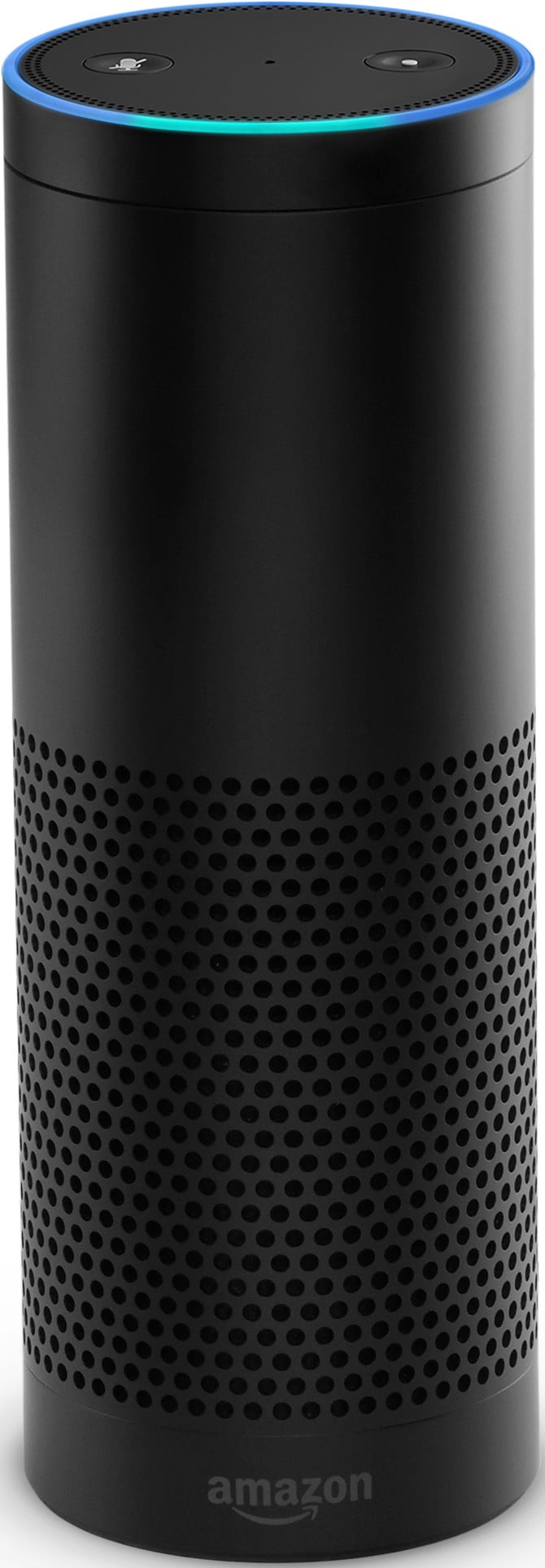
SATURDAY, OCTOBER 10, 2026 — Amazon announced a leadership change at Alexa on Friday, and the calendar is doing half the talking. Daniel Rausch — the 17-year company veteran who has run the Alexa and Echo business for more than three years — is stepping away next month, with plans to return in 2027 in a devices-and-services role. His replacement: Aidan Marcuss, the Fire TV chief who arrived from Microsoft in early 2025. The announcement came exactly one day after Amazon unveiled its first-ever Alexa tablets. You don't need a business degree to read that sequence.
Leadership changes at big tech companies are usually choreographed to look boring. This one is choreographed to look boring too — Rausch isn't leaving the company, he's taking a break and coming back, which is corporate code for a change everyone wanted without the headline. They got the headline anyway, because Reuters reported it on a Friday and the timing relative to the tablet launch is impossible to ignore.
Who's who in the shuffle
Rausch's tenure covered the most turbulent stretch in Alexa's history: the pivot from a voice assistant that told jokes and set timers into an AI-first platform meant to justify a decade of losses. Marcuss, his successor, comes from Fire TV — a business that actually makes sense as a business, selling hardware with a content ecosystem attached. That's a telling hire. Amazon isn't bringing in a voice visionary; it's bringing in someone who knows how to sell boxes with services inside them.
Kevin Keith, meanwhile, keeps his role and picks up Marcuss's other responsibilities — the kind of consolidation that usually means the org chart is being simplified around a smaller number of bets.

Twelve years of losing money
Let's be blunt about Alexa's history, because Amazon never is. The assistant launched in 2014. It has lost money essentially the entire time. Hundreds of millions of devices shipped, and the business model never materialized — people used Alexa to set timers and play music, not to buy things, which was the whole original thesis. By the early 2020s, Alexa was the canonical example of a Big Tech moonshot that worked as a product and failed as a business.
The generative-AI wave was supposed to be the rescue. Alexa+ — the rebuilt, AI-powered version — is Amazon's attempt to turn the assistant into something people will actually pay for: $139 a year bundled with Prime, or $20 a month standalone. That's a real price for a product that spent a decade being free. The entire bet is that generative AI makes Alexa useful enough to charge for, twelve years after launch.
Tablets, then a new boss
Thursday's tablet announcement was the hardware expression of that bet: high-end Alexa tablets designed as the flagship surface for Alexa+. Friday's leadership change is the organizational expression of the same bet. When a company launches the biggest hardware expansion in a division's history and changes the division's leader 24 hours later, it's not a coincidence — it's a verdict on the last three years and a down payment on the next three.
Rausch's planned 2027 return deserves a skeptical read, too. “Stepping away” with a pre-announced return date is a face-saving structure that lets everyone avoid the word “fired” while achieving the same result. Maybe he comes back. Maybe the role he returns to is real. But in the meantime, Alexa has a new boss, a new product line, and a paid subscription to sell — and none of those things wait for 2027.

There's a wider devices story here, too. Amazon's hardware division has spent the last two years repositioning everything around AI — the tablets, the refreshed Echo line, the Fire TV sticks — as one coherent ecosystem instead of a drawer of gadgets. Marcuss inherits that whole portfolio's momentum, not just Alexa. If the AI-everywhere strategy works, Alexa becomes the connective tissue of Amazon's hardware business rather than its problem child. If it doesn't, the new boss owns the failure outright, which may be exactly why Amazon wanted a new boss before the results come in.
What success looks like now
The old Alexa metric was devices in homes. The new one is subscribers paying $20 a month. That's a much harder number to move, and it reframes every product decision: the tablets aren't about getting Alexa into more kitchens, they're about giving Alexa+ subscribers a flagship to buy. Marcuss's Fire TV background fits that frame perfectly — Fire TV is a hardware-plus-subscription business, which is exactly what Amazon is trying to turn Alexa into.
The risk is the same one that's haunted Alexa for a decade: people love the assistant precisely because it's free and frictionless, and the moment you ask them to pay, they discover the timer app on their phone works fine. Alexa+ has to be not just better than the old Alexa, but $20-a-month better. That's a steep hill, and it's now Marcuss's hill to climb.
For Rausch, the legacy is complicated. He shepherded Alexa through its AI reinvention and got the tablets out the door. He also ran the business during the stretch when Amazon finally admitted — via the subscription price — that the old model had failed. The next chapter belongs to someone else. Whether it's a better chapter depends on whether anyone, anywhere, will pay twenty bucks a month to talk to a speaker.


