
October 14, 2026
AmpliTech Group, a Hauppauge, New York maker of radio-frequency components and 5G radio systems, announced Wednesday that it took in more than $17 million in customer purchase orders during its third quarter, ended September 30 — orders the company says are anchored by follow-on business for 5G Open RAN programs in Asia and North America. One disclosure note up front: every figure in this story comes from AmpliTech’s own release and is company-reported.
Most of the 5G era’s money has flowed to a handful of giant equipment vendors, which is exactly why a purchase-order headline out of Hauppauge, New York is worth a look. AmpliTech Group announced on Wednesday that it received more than $17 million in customer purchase orders during the third quarter of 2026, the period ended September 30, according to the company’s own GlobeNewswire release. AmpliTech — which trades on Nasdaq under the symbols AMPG and AMPGZ — designs and manufactures radio-frequency microwave components, 5G systems and the low-noise amplifiers used in quantum computing, and it says the quarter’s orders reflect continued buying from programs it is already part of rather than a single surprise contract.
What the Company Says the Orders Are
Per AmpliTech’s announcement, the $17 million-plus total includes previously announced follow-on orders supporting existing 5G Open RAN programs for mobile network operators in Asia and North America. Follow-on is the operative phrase. In telecom hardware, the first deployment with a carrier is the hard part — the testing, certification and integration work can take years — and repeat orders from the same program are generally read as a sign the equipment is performing in the field, though readers should note that reading is ours; the company itself simply reported the orders.
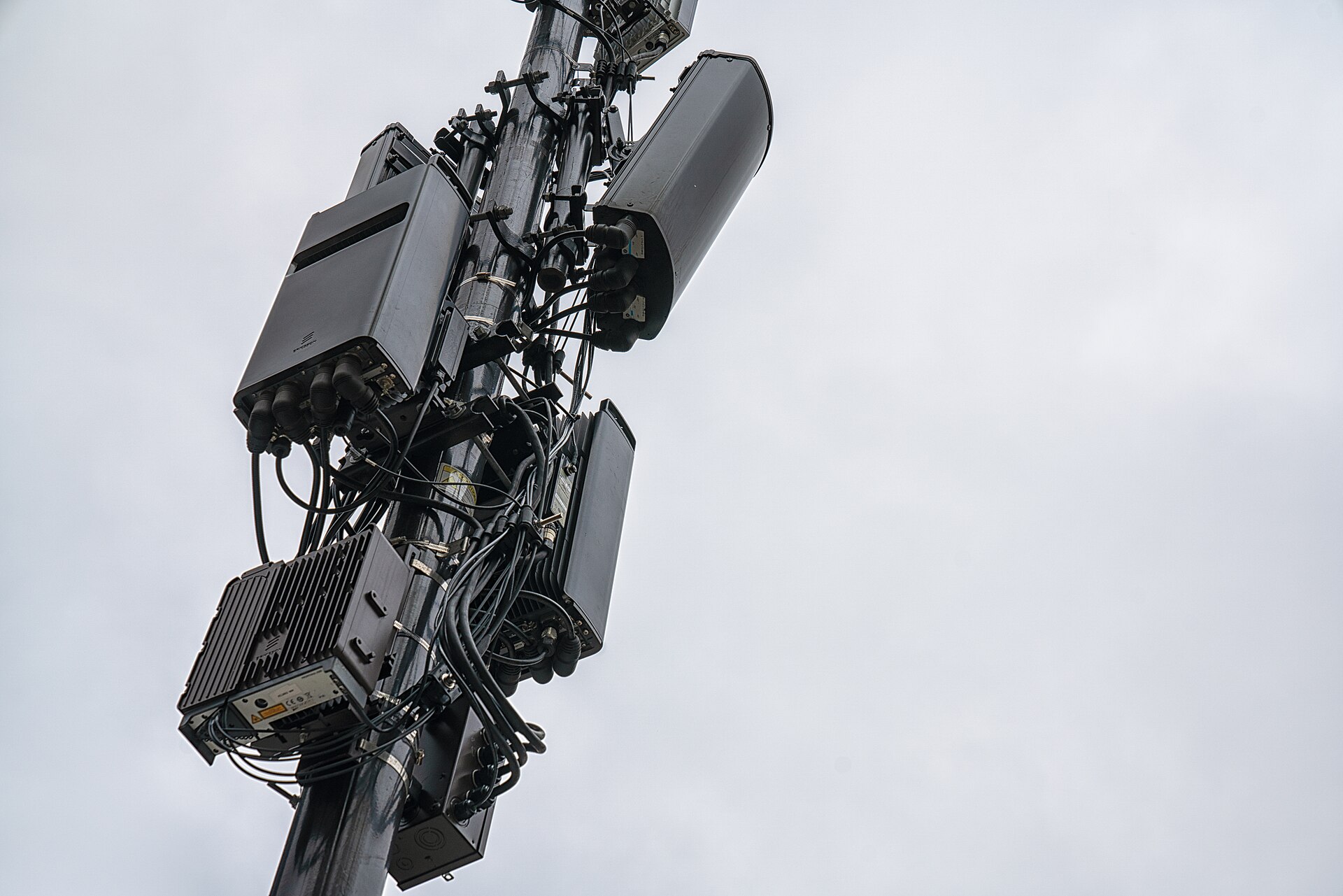
The company also reported a deployment milestone: more than 3,000 AmpliTech radio units have now been deployed in support of its North American mobile network operator program, according to the release. That is the kind of number that moves a small supplier from the “interesting pilot” column into the “actually in the network” column — again, as the company tells it. AmpliTech did not, in the release, name the operators involved, break the $17 million down by customer, or say how much of the total is new business versus the previously announced follow-ons; those are the first questions an earnings call would normally chase.
The Open RAN Bet, in Plain Terms
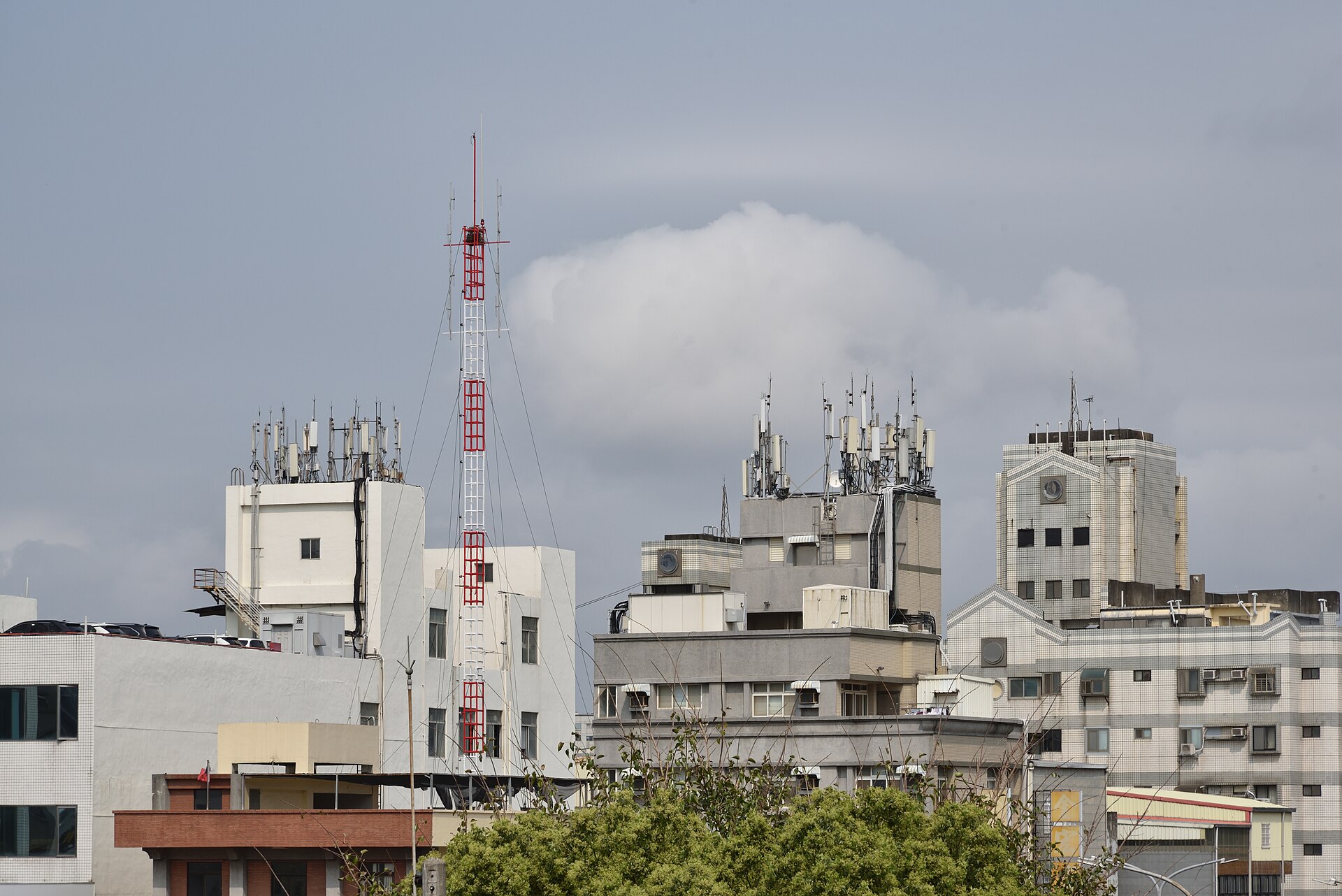
Some background, because the acronym is doing heavy lifting in this story. Traditional mobile networks were built like a sealed box: a carrier bought its radios, baseband units and software from one big vendor, and everything inside the box was proprietary. Open RAN — O-RAN — breaks the box open, standardising the interfaces between the pieces so a carrier can buy radios from one supplier, software from another, and computing hardware from a third. The pitch is competition, lower costs and less dependence on any single vendor or country’s supply chain. The catch, well documented across the industry, is that mixing and matching also means somebody has to make all the pieces work together, and early O-RAN deployments have had their integration headaches.
That open architecture is precisely the door a company like AmpliTech walks through. A specialist in RF components and radios cannot out-muscle the giants for a whole national network, but it can win the radio layer of an Open RAN build — which is the role AmpliTech says it is playing for its operator programs in Asia and North America. Chairman and chief executive Fawad Maqbool, in comments included in the release, said the company was pleased with its third-quarter order performance and pointed to continued purchasing activity from established programs as the driver — a measured claim, notably, that credits existing relationships rather than promising new ones.
What Is Not in the Release — and Why It Matters
AmpliTech said it continues to pursue additional business, including active participation in large requests for proposals for O-RAN radio solutions, and it was careful to flag that those opportunities remain subject to customer evaluations, competitive selection and definitive purchase orders. Translated out of disclosure language: the company is bidding, not winning, on that front so far, and RFP participation is a pipeline signal, not revenue. Two more cautions belong in any honest read of a story like this. First, purchase orders are not the same as recognised revenue — orders can ship over time, and accounting recognition follows delivery, so the $17 million should not be read as third-quarter sales. Second, and most important: this report rests on a single source, AmpliTech’s own press release, issued through GlobeNewswire on October 14, 2026. The figures above are company-reported and have not been independently verified by Previously; the company’s next quarterly filing is where they would normally be tested. None of that makes the announcement uninteresting — small-cap suppliers winning repeat 5G radio business is a real thread in the Open RAN story, and 3,000 deployed units, if the filing bears it out, is a meaningful footprint. It just means the story should be filed under “company says” until the paperwork catches up.
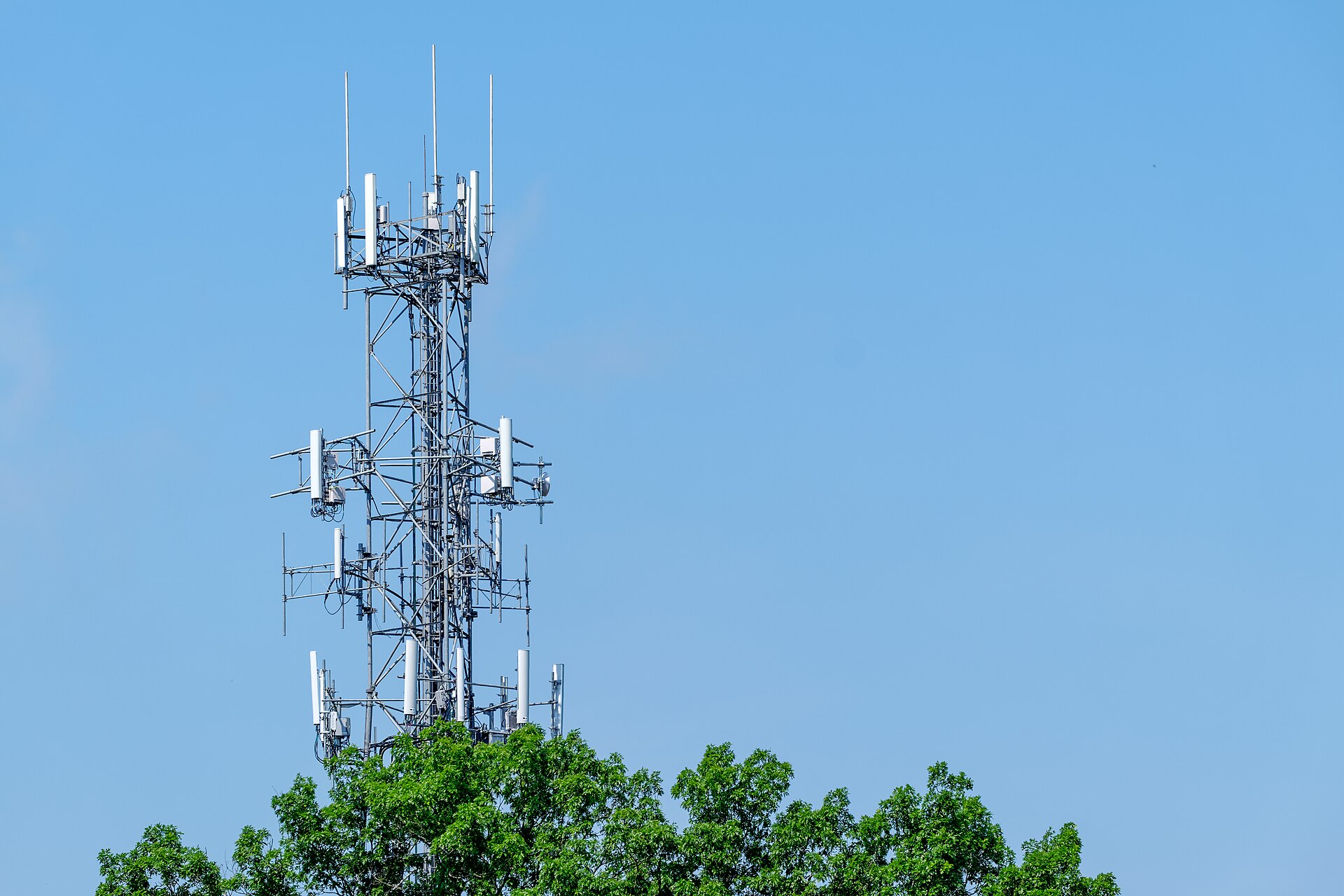
For the wider picture of the day’s technology-and-business run — the consumer end of the AI hardware boom in our report on Apple’s HomeView launch and its Europe-sized Siri problem, and the chip-supply end in our coverage of ASML’s record quarter — AmpliTech’s announcement sits at the network layer in between: the radios that carry the traffic all of those devices generate. We will follow the company’s next filing, and the rest of the day’s stories are in the Previously news feed.
Sources · 1 source
This report is based on a single source: AmpliTech Group’s own announcement. All figures are company-reported and have not been independently verified.
- AmpliTech Group via GlobeNewswire — AmpliTech Group reports more than $17 million in purchase orders during third quarter of 2026