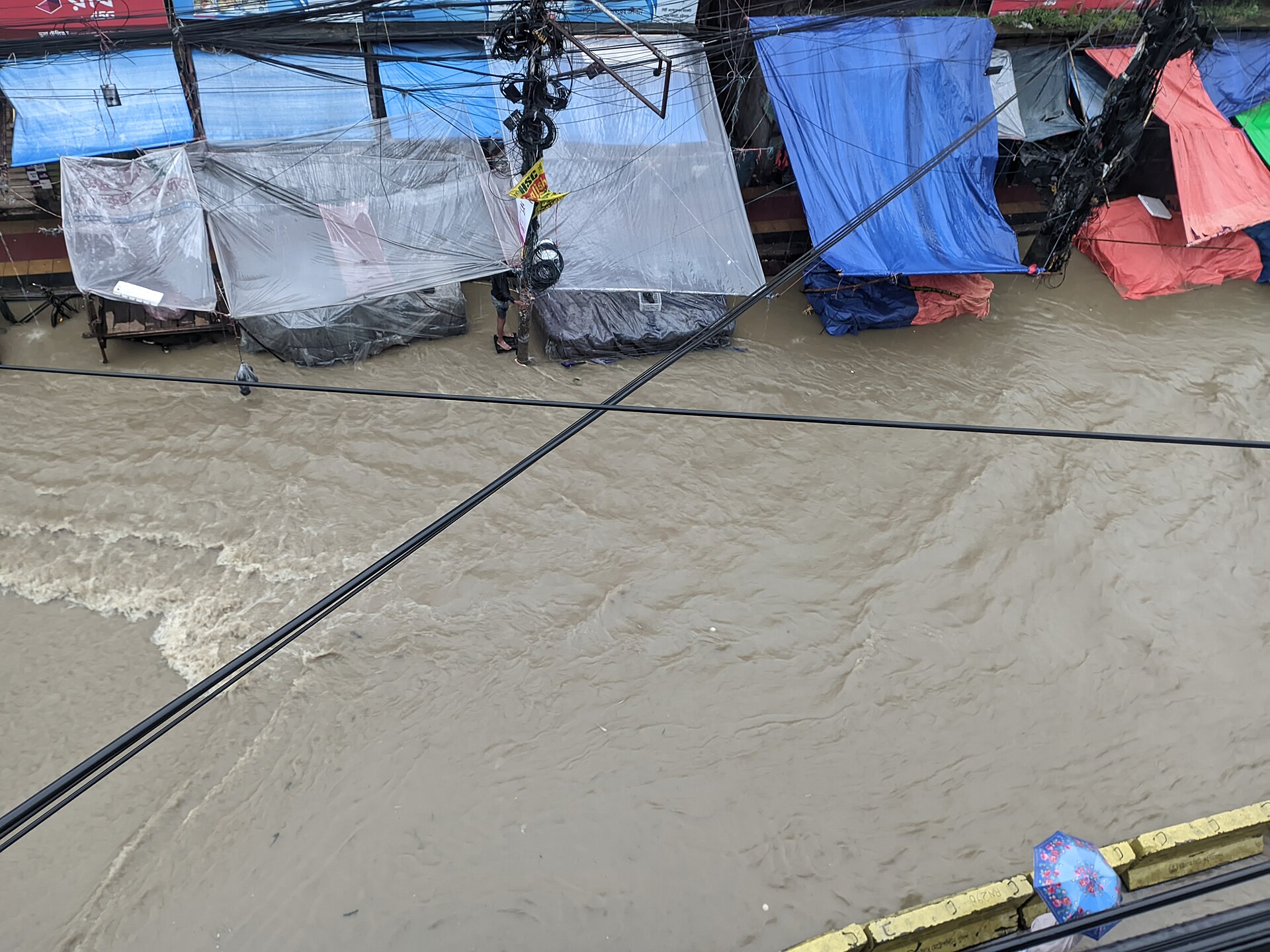
DHAKA — The water came down from the hills, and it did not stop.
Days of torrential monsoon rain, intensified by a depression over the Bay of Bengal, have unleashed flash floods and landslides across southeastern Bangladesh, killing at least 51 people and affecting more than a million, the country's Ministry of Disaster Management and Relief said in its latest update. Thirty-nine people were injured. Nearly 268,000 families remain marooned in flood-hit areas — cut off from roads, power and, in the worst-hit hill districts, from any way out.
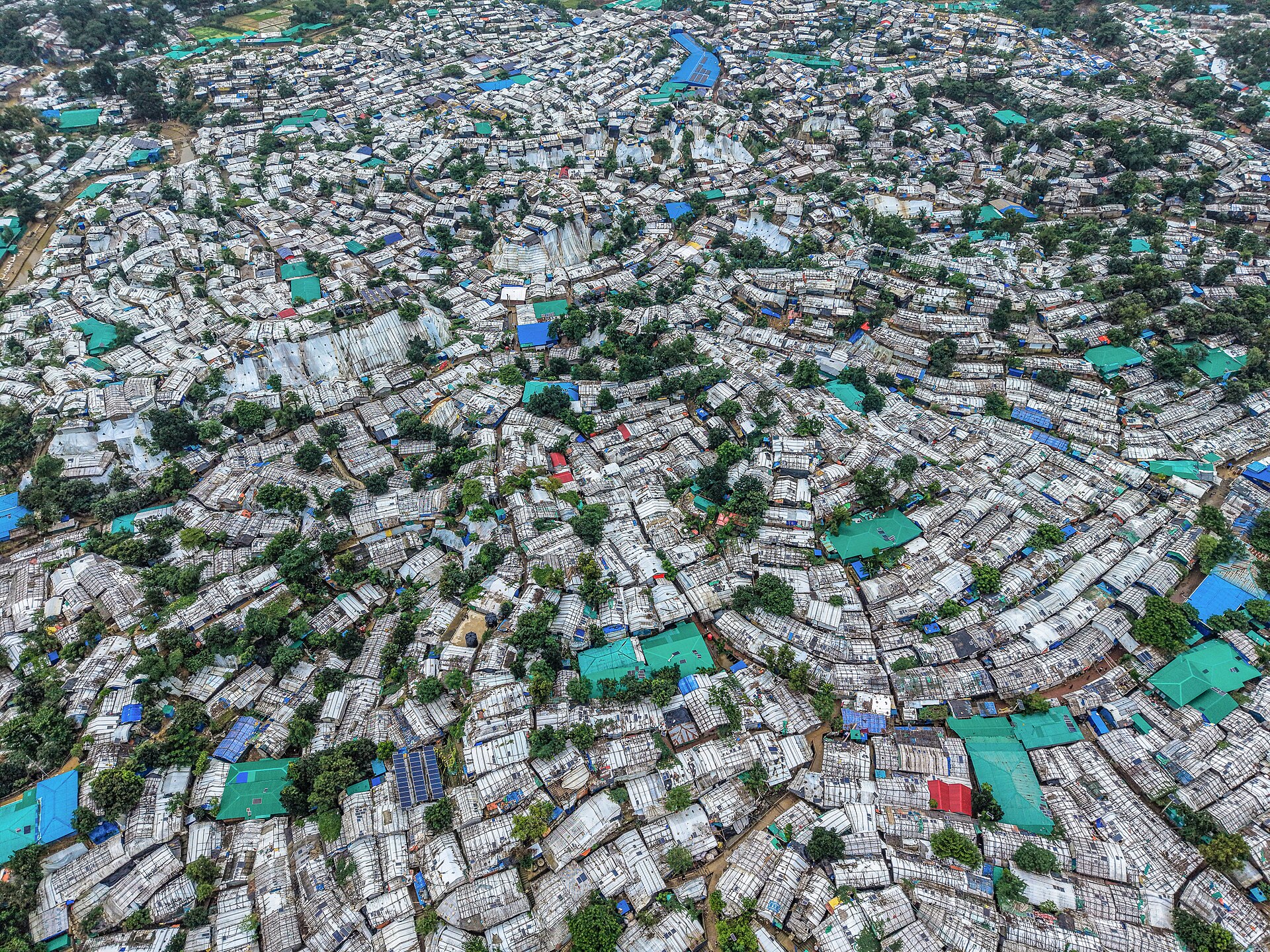
Cox's Bazar has borne the heaviest loss: 28 dead, the highest toll in any district. The district is home to the world's largest refugee settlement, where nearly a million Rohingya refugees live in fragile bamboo-and-tarp shelters on deforested hillsides — exactly the terrain where heavy rain turns deadly. The Norwegian Refugee Council said the monsoon has hit those shelters hard, turning the rainy season into "another life-threatening emergency." The group's country director, Dipankar Datta, said families who fled violence in Myanmar now fear that heavy rain could wash away the safety they have rebuilt.
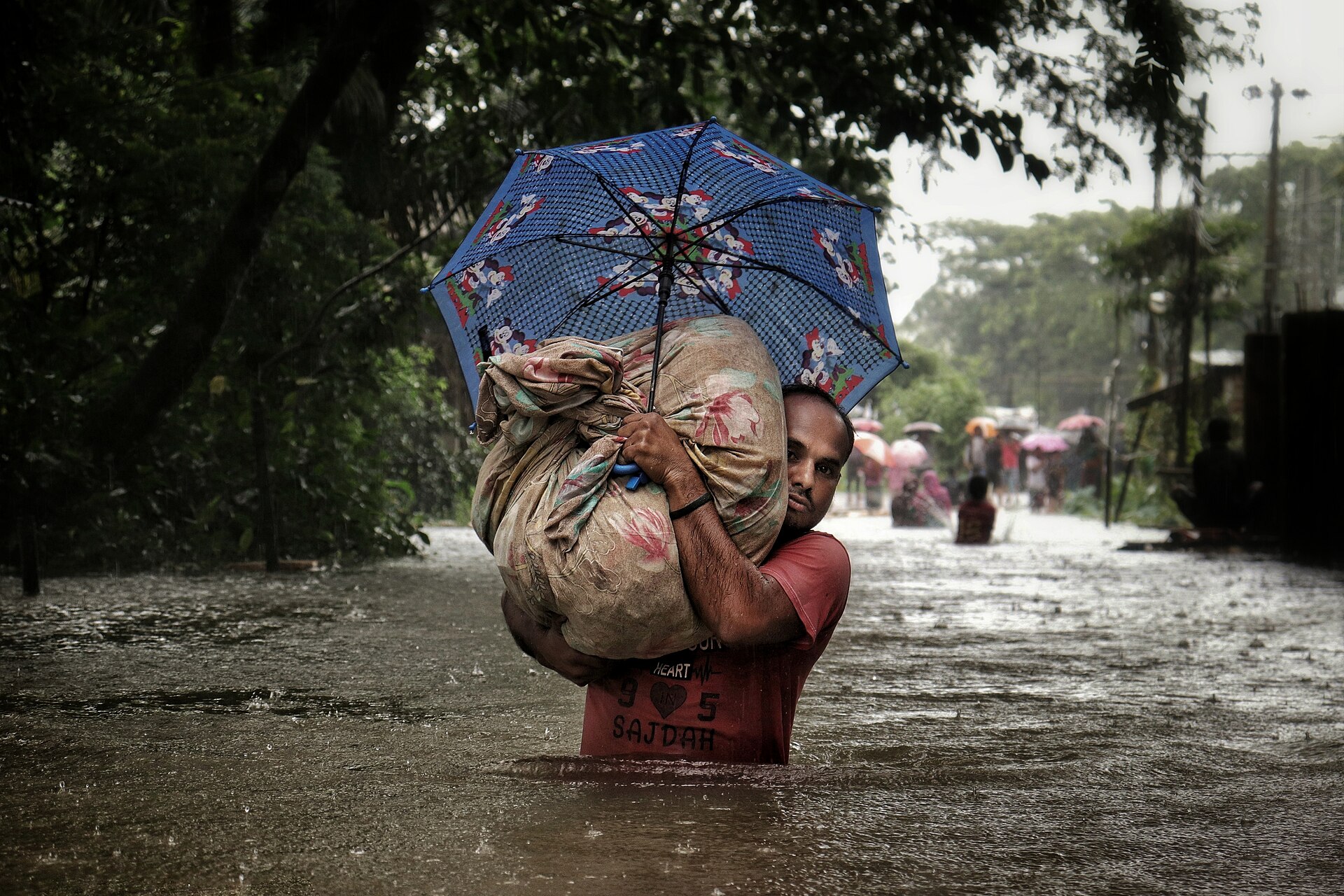
Chattogram reported 13 deaths, Bandarban six, Rangamati three and Moulvibazar one. The flooding spans seven districts — Rangamati, Bandarban, Habiganj, Moulvibazar, Khagrachhari, Cox's Bazar and Chattogram — and has touched 58 upazilas, 386 unions and 12 municipalities.
The mechanics of the disaster are painfully familiar in Bangladesh, a low-lying delta nation that absorbs the runoff of some of the world's great rivers. Swollen rivers — the Sangu, Matamuhuri, Someswari, Kushiyara, Manu and Khowai are all flowing above danger levels — burst their banks while landslides buried homes in the hilly districts of Bandarban, Rangamati and Khagrachhari. Many of the dead were killed in landslides; others were caught in fast-moving flash floods rushing down from higher ground.
The damage to infrastructure is compounding the human toll. Floodwaters have washed out roads and damaged bridges across the affected districts, and power outages and severed communication links are complicating the response. In the hill districts, submerged highways and landslides have cut off road access entirely, isolating whole communities from the rescue effort trying to reach them.
Bangladesh is no stranger to the monsoon — it is a delta nation where the season routinely displaces millions — but the geography of this disaster is what made it lethal. The rain concentrated in the southeast, on the steep, deforested hills around Cox's Bazar and Bandarban. Landslides, not just floodwater, drove the death toll: the same stripped slopes that make the refugee camps precarious turned hillside villages into kill zones when the rain would not stop.
On Sunday, Prime Minister Tarique Rahman convened a virtual meeting with divisional commissioners, deputy inspectors general of police, deputy commissioners, superintendents of police, civil surgeons and other senior officials from all eight divisions, and directed every agency to maximum alert. Officials briefed him on rescue operations, conditions at relief shelters, aid distribution and the availability of healthcare. Rahman instructed authorities to prioritize the rapid distribution of dry food, safe drinking water, baby food, essential medicines and medical assistance — and, notably, directed law enforcement to remain on the highest alert to prevent theft, hoarding and misappropriation of relief materials.
The government has deployed the Army, Navy and Air Force, using boats to reach isolated communities along submerged highways. More than 44,000 displaced people are now in 1,131 emergency relief centers, and volunteers are distributing hot meals, drinking water and other essentials. But in several remote hill areas, residents say aid has yet to reach those most in need, and severed communications continue to complicate the response.
The scale of the displacement is straining the relief effort. The 44,457 people now sheltering in the 1,131 emergency relief centers are only a fraction of the 267,918 marooned families — most remain in flooded homes or on patches of higher ground, dependent on boat deliveries of food and water. With 58 upazilas, 386 unions and 12 municipalities affected, officials face the task of reaching communities spread across some of the country’s hardest terrain, much of it still cut off by washed-out roads and landslides.
Forecasters expect the rains to ease slightly midweek, but showers are expected to continue across most of the country, and authorities warn that continued rainfall could worsen conditions in the coming days. The death toll could still rise: some people remain missing.
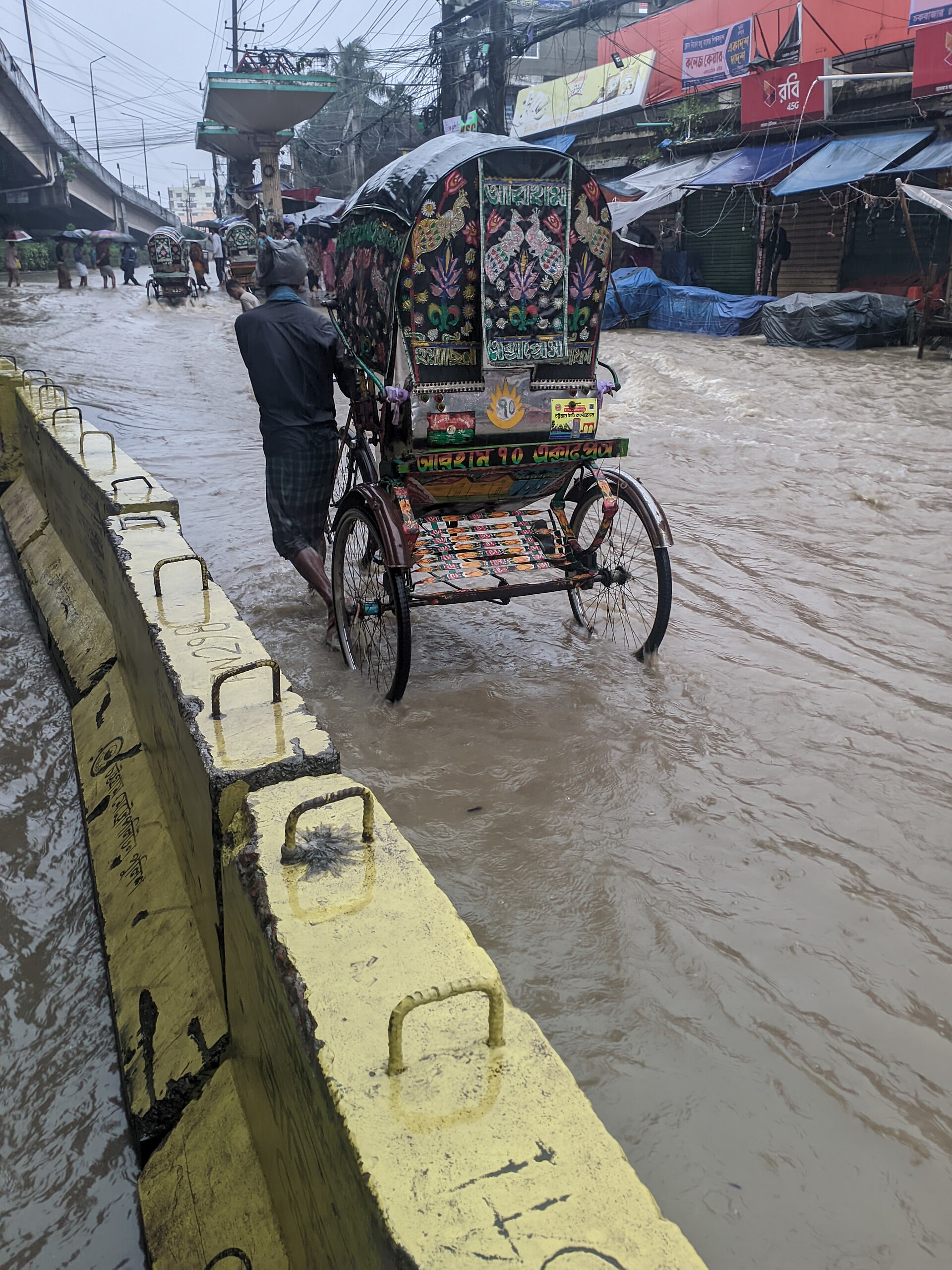
Relief officials say the next 48 hours are the hinge. The rivers are still above danger levels, the forecast still calls for more heavy rain, and the toll — 51 as of the ministry's latest update — is the kind of number that has a way of rising after the water recedes and the missing are counted. Some outlets have carried higher or lower tallies from earlier updates or separate, older flood events; the current ministry update — 51 dead, 39 injured, 1,022,963 affected — is the one that counts now. What it describes is a disaster still unfolding, in a part of the world where the next two days of rain will decide how much worse it gets. For more on the region's flood crisis, see our report on Nepal's decision to drain four glacial lakes after floods killed more than 1,400 there.
Reporting this story is based on
- Bangladesh floods: Death toll rises to 51, over one million affected
Madhyamam Online — 2026-10-04 - Bangladesh Floods Kill at Least 51 as More Than a Million Are Affected
Zark News — 2026-10-03 - Flood death toll reaches 44, over 10 lakh people affected in 7 districts
The Business Standard — earlier ministry update - Flood death toll rises to 54, over 6 lakh affected in seven districts
The Business Standard — earlier ministry update
