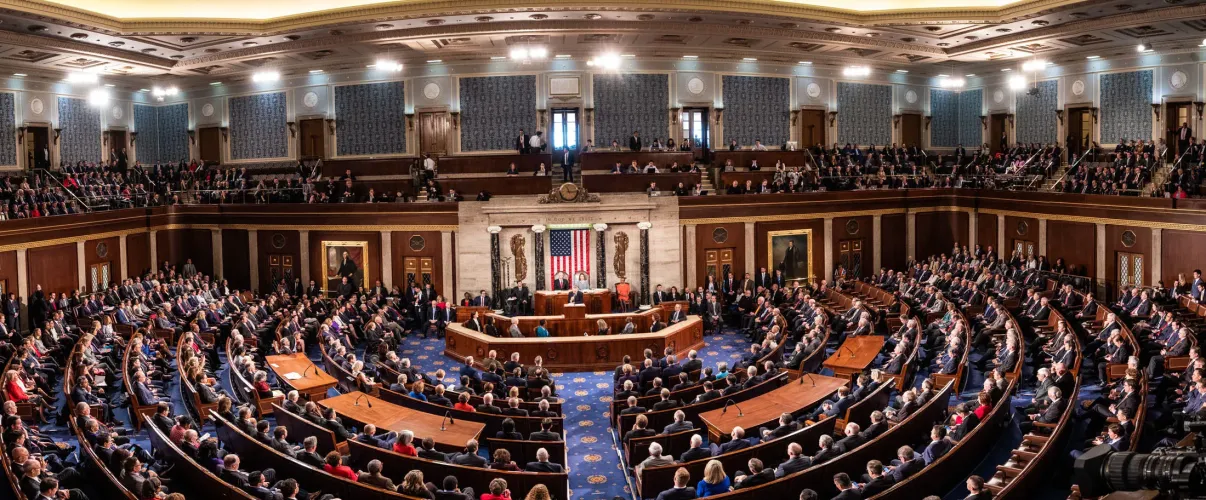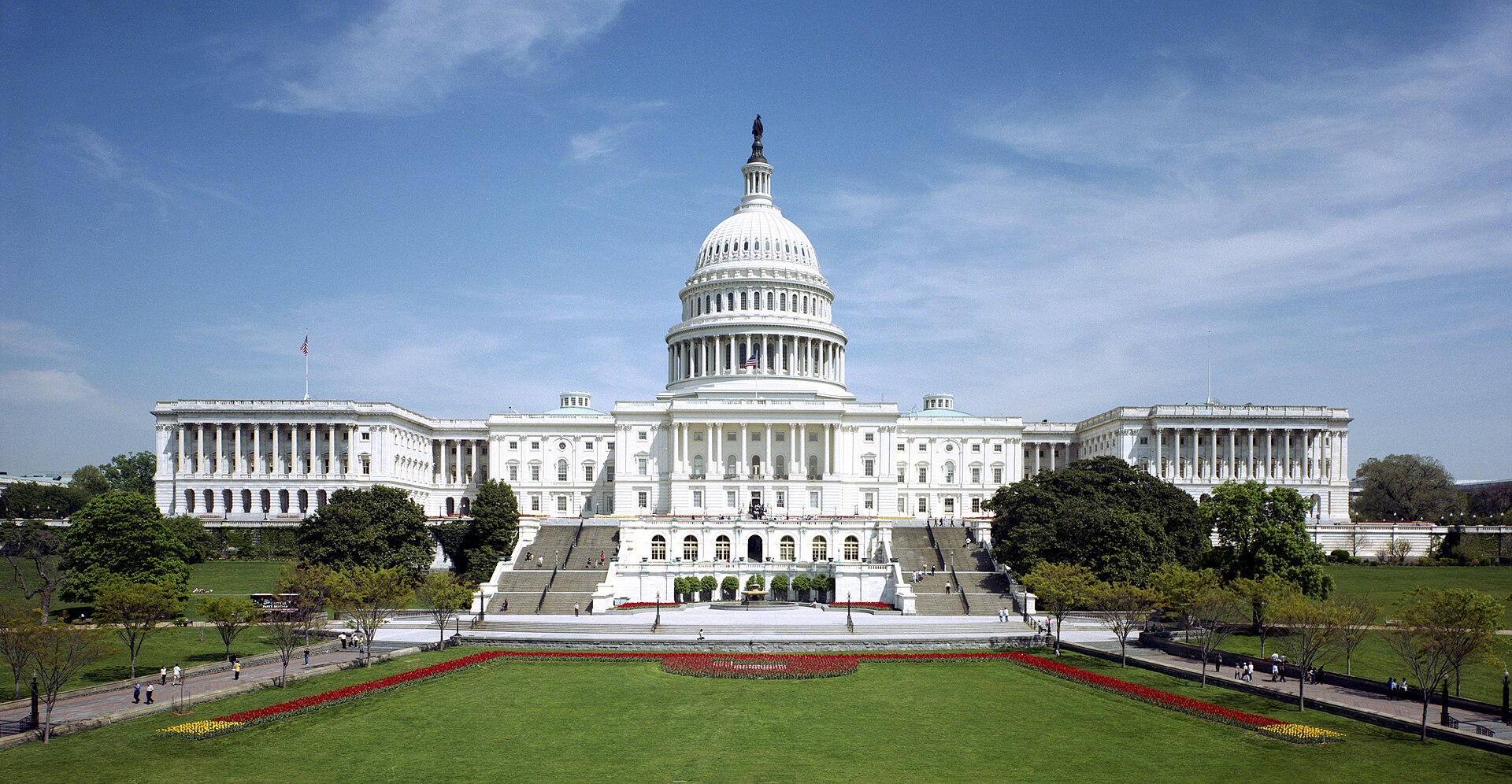
THURSDAY, OCTOBER 8, 2026 — Here's a sentence you don't hear much in Washington: a bipartisan bill just became law, and it might actually make it harder for the government to hide its worst spending. President Trump signed the Billion Dollar Boondoggle Act on Wednesday, October 7 — a bill that forces federal agencies to publicly name their biggest money pits. And the Iowa Republican who spent years dragging this bill to the finish line showed up to the signing with receipts: five brand-new projects she says are about $100 billion over budget, combined.
02 What the Law Actually Does
The idea is refreshingly simple. Under the new law, every federal agency has to publicly report any project that is at least $1 billion over budget or five years behind schedule. Not in a footnote nobody reads — in the agency's annual performance and accountability report, the official document delivered to Congress and the President. Hit either tripwire and the agency has to say so out loud, explain why it happened, and name the contractors involved.
That last part matters. Cost overruns don't happen in a vacuum; they happen with specific contractors on specific jobs, and the law makes the agencies say their names. The reporting goes into the record, on the record, every year — which means a project that keeps bleeding money can't just keep bleeding quietly.
03 The Bipartisan Crew That Got It Done
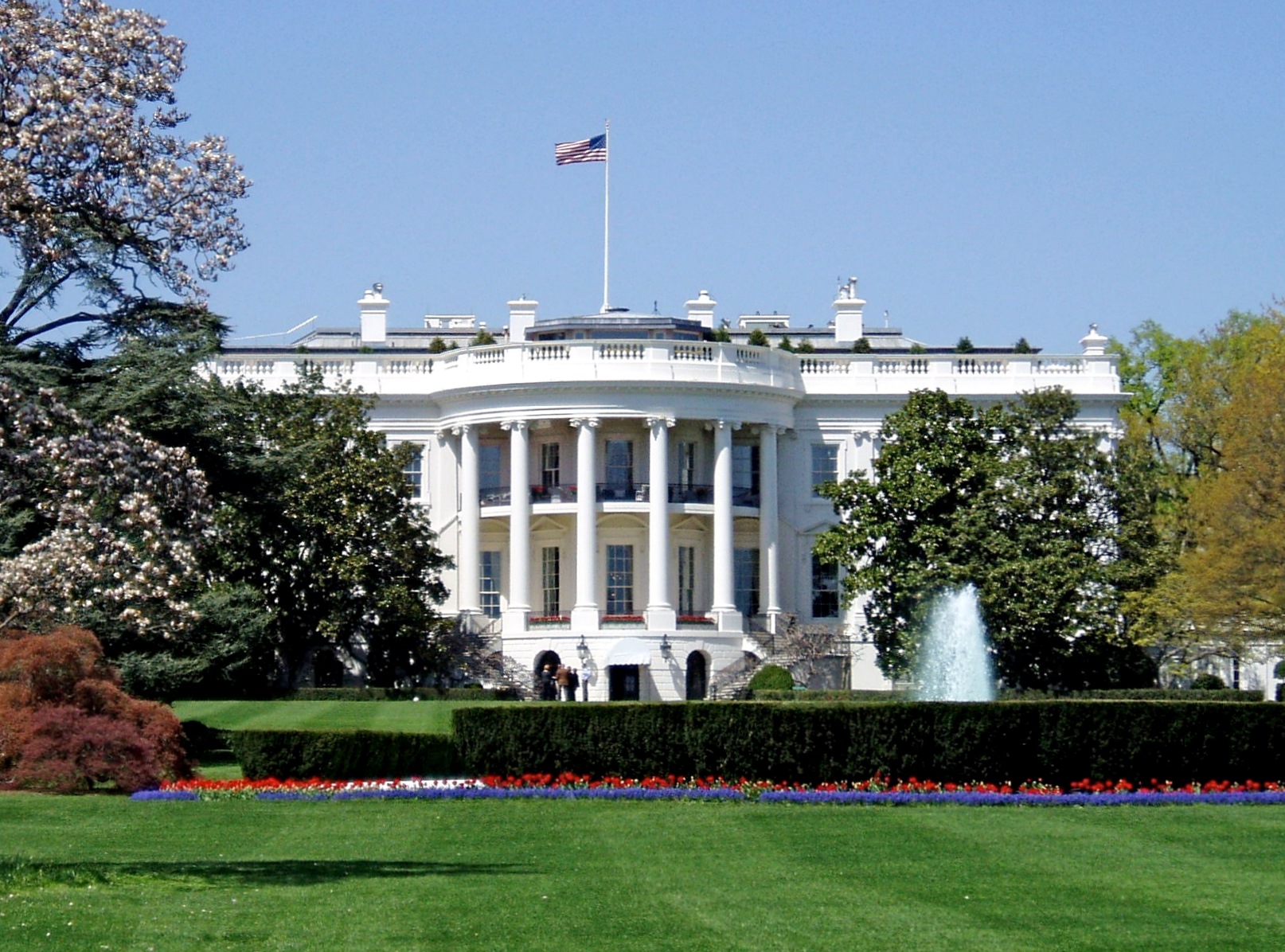
The bill has been kicking around Congress for a while. Rep. Mariannette Miller-Meeks (R-Iowa) first introduced it back in the 118th Congress, then reintroduced it in the 119th Congress with Sen. Joni Ernst (R-Iowa), who led it through the Senate alongside Sen. Maggie Hassan (D-N.H.). The House passed its version, H.R. 1722, back in July 2026, and it cleared both chambers with bipartisan support on its way to the president's desk.
Ernst, who chairs the Senate DOGE Caucus, didn't hold back on what she thinks of the status quo. "Washington math doesn't add up, but my Billion Dollar Boondoggle law will restore accountability to its shady accounting," she said. She followed it with a promise: "With my law, every boondoggle gets dragged into the daylight, starting with five more projects about $100 billion over budget." Hassan framed it as basic stewardship, saying "Granite Staters deserve to know that their hard-earned tax dollars are being spent responsibly," and calling the measure a "commonsense, bipartisan bill." Miller-Meeks said the law gives Congress and the public greater visibility into the federal projects that run over budget and behind schedule — which is, in plain English, the whole point.
04 The F-35: $89.5 Billion Over and Counting
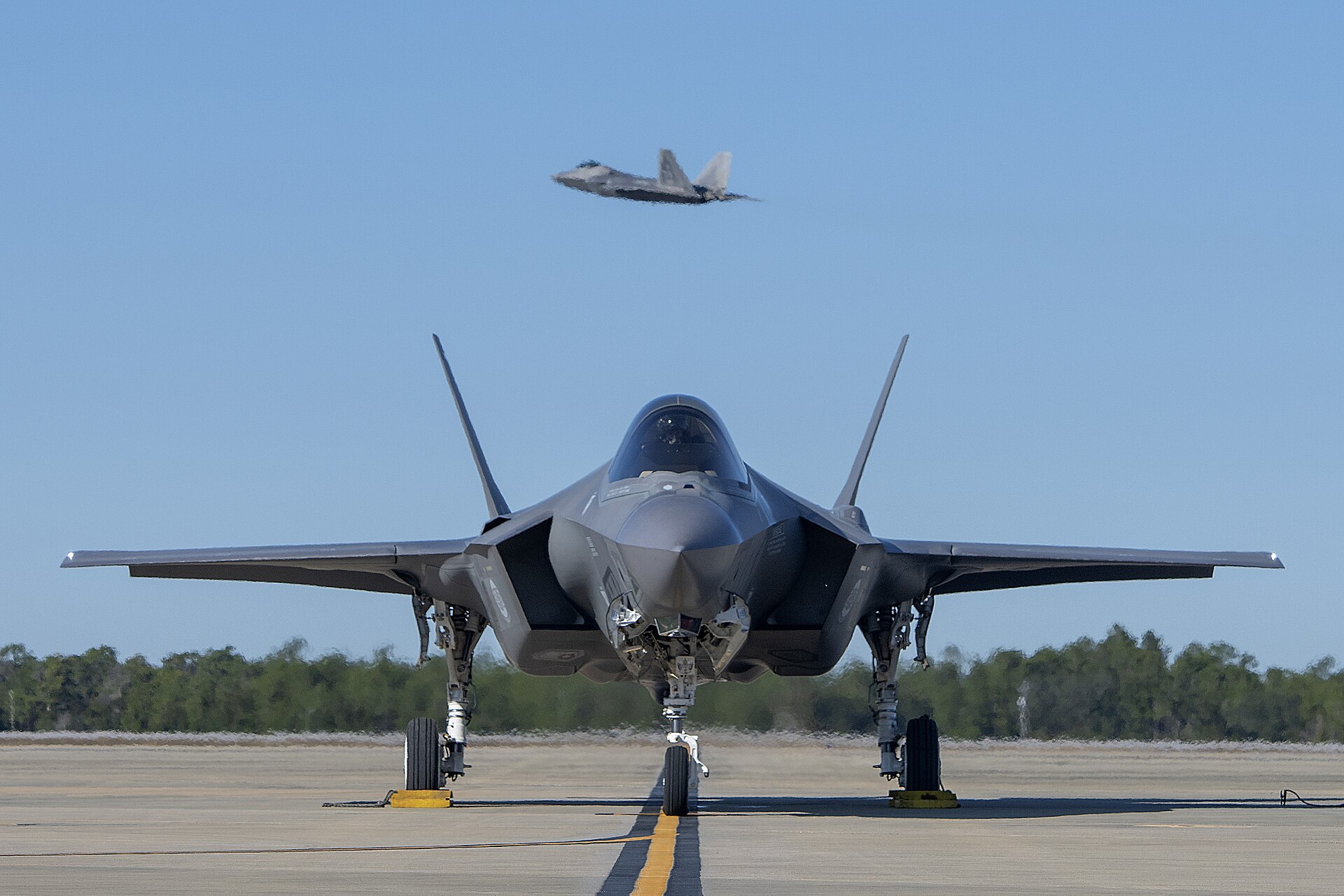
Ernst didn't come empty-handed. Alongside the signing, she released five additional projects she says belong in the hall of shame — and the headliner is a doozy. The F-35 modernization program, the Defense Department's effort to keep the world's most expensive weapons system current, has seen its cost rise from $395.7 billion to $485.2 billion since 2012. That's $89.5 billion over budget. It's also five years behind schedule, with completion now not expected until 2031.
By the law's own tripwires, this one is almost comically qualified: it clears both the money and the schedule thresholds at once. It's the single biggest dollar figure on Ernst's new list, and by a mile — the other four projects, big as they are, are fighting for second place behind it.
05 Tunnels, Bridges, Spacecraft, and a 21-Year Clinic
The other four projects on Ernst's list span the map and most of the federal government. The Hudson River Tunnel project between New York and New Jersey, run through the Transportation Department, has climbed from $12.7 billion to $15.7 billion — $3 billion over budget — and sits three years behind schedule. Baltimore's Francis Scott Key Bridge rebuild is now projected to cost as much as $5.2 billion, up to $3.5 billion above the original estimate, and it's running two years behind.
NASA's Dragonfly spacecraft project — a drone mission headed to Saturn's moon Titan — has nearly quadrupled from $850 million to $3.35 billion, roughly $2.5 billion over budget, and it's more than two years behind schedule. And then there's the Palo Alto Veterans Affairs Medical Center, which has gone from $450.3 million to $1.6 billion — $1.2 billion over budget — and is now a staggering 21 years behind schedule, with completion expected in 2036.
Here's why this list is the news, not just a press release: four of the five clear the law's $1 billion-over threshold on dollars alone — the Hudson tunnel at $3 billion over, the Key Bridge at $3.5 billion over, Dragonfly at about $2.5 billion over, and Palo Alto at $1.2 billion over. And two of them clear the schedule tripwire too — the F-35 at five years behind, and the Palo Alto VA at an almost-unbelievable 21 years. These aren't borderline cases. They're exactly the kind of projects the law was written to force into the open.
06 She's Been Building This Case for a While
Ernst's five new projects aren't her first rodeo. An earlier report from her office exposed more than a dozen federal projects with $162.9 billion in combined cost overruns — a greatest-hits of federal sticker shock that included California's high-speed rail (a $33 billion original estimate that's now as high as $231 billion), the VA's electronic health record system ($16.1 billion growing to $49.8 billion), Honolulu's rail transit ($4.8 billion over), the Washington Metro's Purple Line ($3.1 billion over), the Columbus Crossroads corridor (19 years behind schedule), the Air Force One replacement jets, and even the Federal Reserve's headquarters renovation ($1.9 billion to nearly $2.5 billion).
That's the real throughline of this story: the law is the instrument, but the campaign behind it is Ernst's — years of publicly inventorying the overruns, project by project, building a public case that federal megaprojects need sunlight. Wednesday's signing turns that campaign into permanent procedure.
07 What Happens Next
The mechanics are the least dramatic part, but they're the part that lasts. Agencies now fold the disclosure into their annual performance and accountability reports — the documents Congress and the President actually read — naming the over-budget and behind-schedule projects, explaining what went wrong, and identifying the contractors. Every year. In public.
Will a reporting requirement actually stop cost overruns? That's the fair question, and nobody serious pretends a disclosure law builds a tunnel on time. But the logic is the same one behind every sunshine rule in government: it's harder to keep writing blank checks when the check totals are printed in the annual report. The F-35 program, the Hudson tunnel, the Key Bridge, Dragonfly, and a VA hospital in Palo Alto are about to become annual public test cases for whether daylight really is the best disinfectant — and as Washington watches Trump's other big spending promises and the price tags attached to them this fall, the timing is no accident. With Congress now watching the watchers — and the Sunshine Protection Act pressuring the Senate on its own timeline — this is the week Washington put transparency on the calendar.
Sources
- Washington Examiner — Trump signs Billion Dollar Boondoggle Act: signing, quotes, and the five newly released projects. Washington Examiner · Oct 7, 2026
- Rep. Miller-Meeks — Miller-Meeks, Ernst Billion Dollar Boondoggle Act passes Congress, heads to president's desk: House passage of H.R. 1722 in July 2026 and earlier boondoggle examples. millermeeks.house.gov
- Sen. Ernst — Ernst bill exposing boondoggles passes U.S. Senate: Senate passage, VA electronic health record and BART examples. ernst.senate.gov
- Congressional Record — Volume 170, Issue 118: the bill's reporting mechanism — annual performance and accountability reports; VA EHR cost example from floor debate. congress.gov