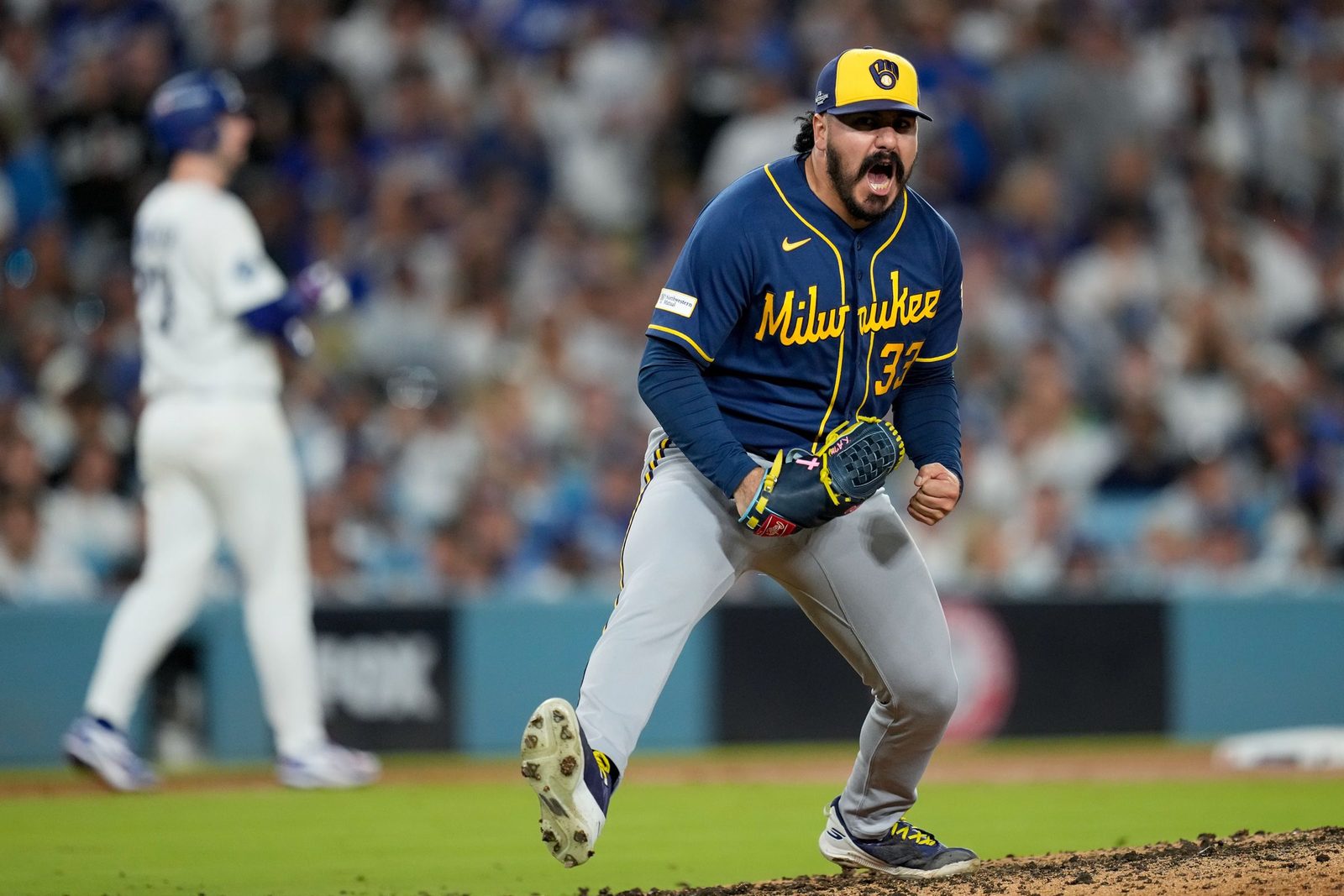

The pennant ended its 44-year exile in a 22-year-old's glove.
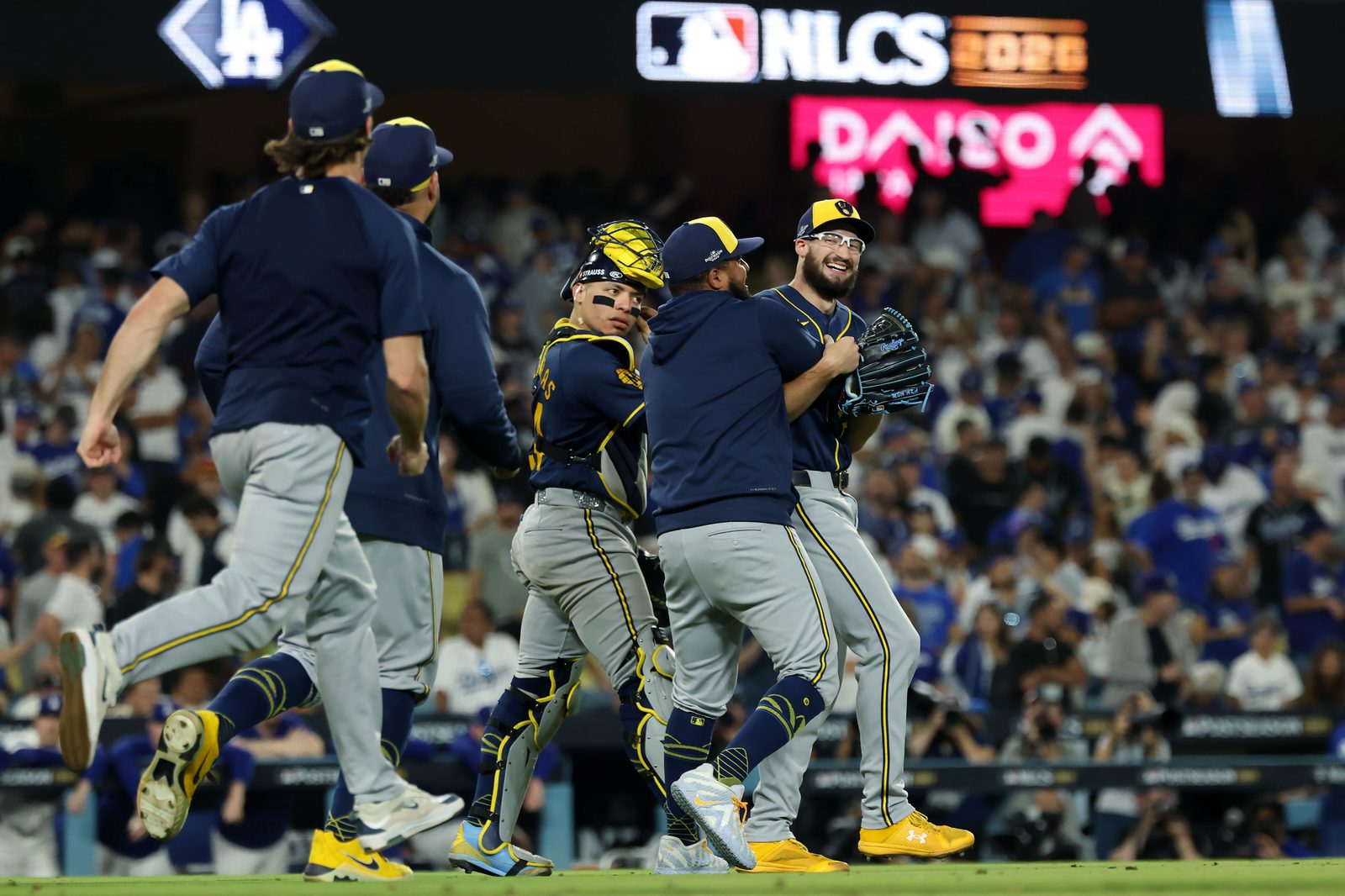
The last swing of the National League Championship Series sent a 107.9-mph drive toward the left-center field gap at Dodger Stadium, and Jackson Chourio ran it down, gloving it with a one-legged leap a few steps shy of the warning track. Ballgame. Sweep. The Milwaukee Brewers — the best team in baseball all summer — were going back to the World Series for the first time since 1982.
Back home in suburban Milwaukee, Bud Selig was watching on television. The man who rescued the franchise from bankruptcy in 1970, owned it for two decades and later ran the sport as commissioner told the Milwaukee Journal Sentinel what he said out loud as the catch was made: "Oh, my God. We just won the pennant. This team is going to play in the World Series."
This is the road that got them there.
The best team in baseball, wire to wire
There was no ambiguity about the regular season. Milwaukee went 103-59, the most wins in the majors, the most wins in franchise history and the club's first 100-win season — a +214 run differential, the National League's top seed, and home-field advantage for as long as the Brewers keep playing.
It was not done the way October teams are usually assembled. CNN put Milwaukee's payroll at about $143 million this season — 19th in the majors, barely half of what the sport's biggest spenders carry. The Brewers raised this team instead: a farm system that kept producing, a front office — president of baseball operations Matt Arnold — that kept winning on the margins, and a manager, Pat Murphy, who squeezes more out of a 26-man roster than anyone in the game.
Selig singled out both men this week: "What a job they've done."
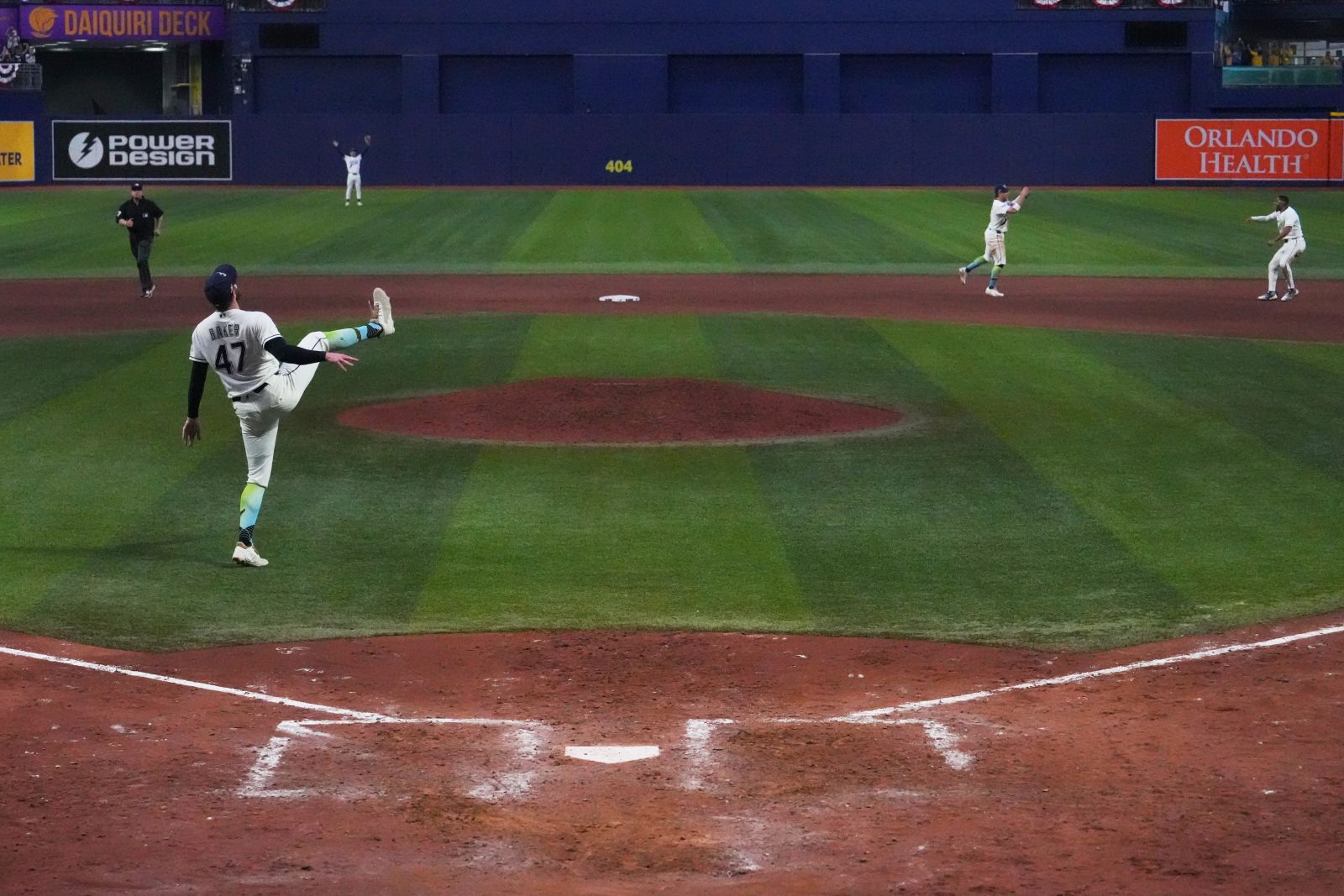
The proof of the machine is what it survived. Last winter, Milwaukee traded its ace, Freddy Peralta — the face of its rotation for the better part of a decade — to the New York Mets. Contenders are not supposed to trade their best pitcher and get better. The Brewers won 103 games anyway. (Peralta, as it happens, will spend this World Series in the opposite dugout, the ace of the Tampa Bay Rays. October has a sense of humor.)
And then there is Chourio: signed by the club as a teenager, signed again to a long-term extension before he had played a single game in the major leagues — a bet on a kid that has become one of the signature front-office moves of the era. This season he hit .291 with 25 home runs and 23 stolen bases, becoming the first player ever with three 20-20 seasons before turning 23.
October, first course: San Diego
The Division Series against the Padres lasted four games and contained the whole Brewers argument in miniature. In Game 1, Chourio tied the game with a 420-foot home run — his fifth career postseason homer, already a franchise record, and at 113.3 mph the hardest-hit ball of the 2026 postseason. In Game 2, he ended it with a walk-off. Aaron Ashby, whose previous Octobers had gone sideways, became a bullpen weapon in a redemption run that local coverage followed game by game. Milwaukee closed it out in four.
Then, the ghosts
Waiting in the NLCS were the Dodgers: two-time defending champions, the most expensive machine in the sport, and the team that had swept Milwaukee out of this exact round a year earlier — a humiliation the Brewers carried for twelve months.
"Playing with that chip on our shoulder," Ashby said. "You don't ever know what to expect going into a series like that last year. You don't know how bad it can be, and then it was as bad as it was. And we came out and we survived, and we came back this year, and those guys played their tails off."
What followed was a first in baseball history. Milwaukee trailed in every game of the series. Every one. And won all four — 2-1, 7-4, 6-2, 6-4 — becoming, per the Associated Press, the first club ever to complete a postseason sweep the year after being swept by the same opponent, and the first team to sweep a best-of-seven series in which it trailed in every game.
Jake Bauers, the first baseman, was named the series MVP after winning its biggest at-bats — an 11-pitch duel in Game 3, a bases-loaded walk that forced in the tying run in the clincher. The country noticed: the series averaged 7.533 million viewers, the largest League Championship Series audience since 2015, per Reuters.
The clincher, last Thursday at Dodger Stadium, deserves its own paragraph. Los Angeles led 4-0 in the second inning behind Shohei Ohtani's first home run of the postseason. Tyler Glasnow retired the first 10 Brewers he faced. And Milwaukee simply started chipping — Yelich's phrase — with walks, stolen bases and ground-rule doubles: 4-2 in the fourth, tied in the fifth when the Dodgers' bullpen walked in a run with two outs. In the sixth, Garrett Mitchell fell behind 0-2 against reliever Tanner Scott, ran the count full and drove a 409-foot homer to center — the first home run of his career on an 0-2 count. The bullpen took it from there: JoJo Romero struck out Max Muncy with the tying run at third; Ashby worked the final three innings, striking out Ohtani swinging with a runner at third and escaping the eighth the same way; and in the ninth, No. 9 hitter David Hamilton homered off Edwin Díaz for the final margin — Hamilton, who hit four home runs all season.
"There was never a doubt in that dugout what was going to happen tonight," Bauers said. "We knew we were going to win that game."
Dodgers manager Dave Roberts tipped his cap: "Those guys played flawless. You've got to sometimes tip your cap."
Murphy, typically, said it best: "They may have a bunch of Hall of Famers, but we've got a bunch of gamers — and the gamers won this week."
Forty-four years
To understand what Friday night will feel like in Milwaukee, you have to understand 1982. Harvey's Wallbangers — Yount, Paul Molitor, Ted Simmons, Rollie Fingers sidelined by injury — took St. Louis to a seventh game and lost. The city held them a parade anyway. The voice of those teams, Bob Uecker, died in January 2025; Selig spoke of him this week as "such a glorious part of this whole history."
On Friday, Selig, now 92, and Yount will throw out the ceremonial first pitches before Game 1 — the founder of the franchise and its greatest player, handing the ball to the team that finally finished the climb. Ticket demand has been so fierce that the cheapest resale seat for Game 1 has passed $2,300, USA Today reported.
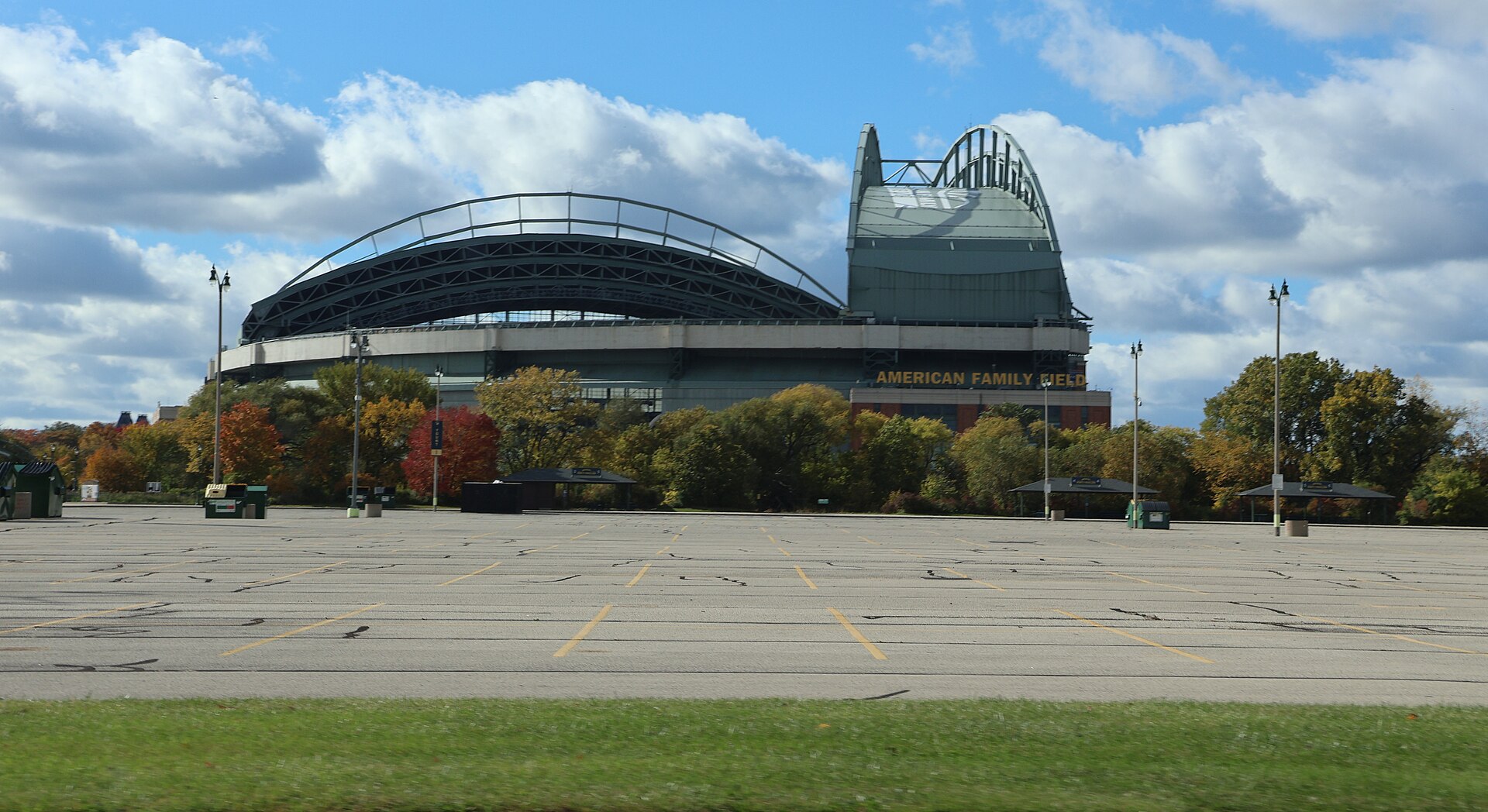
Four wins from a championship. The best team in baseball, built the hard way, gets to play for it at home first. For Milwaukee, the road ends where it should: at American Family Field, Friday night.
Sources · 6 sources
- Associated Press reporting on the NLCS, including the Game 4 clincher
- Milwaukee Journal Sentinel on Bud Selig, the 1982 team and Jackson Chourio's final catch
- Reuters on NLCS television audiences
- CNN on the NLCS sweep and Milwaukee's payroll
- USA Today reporting on World Series ticket demand
- ESPN postseason results