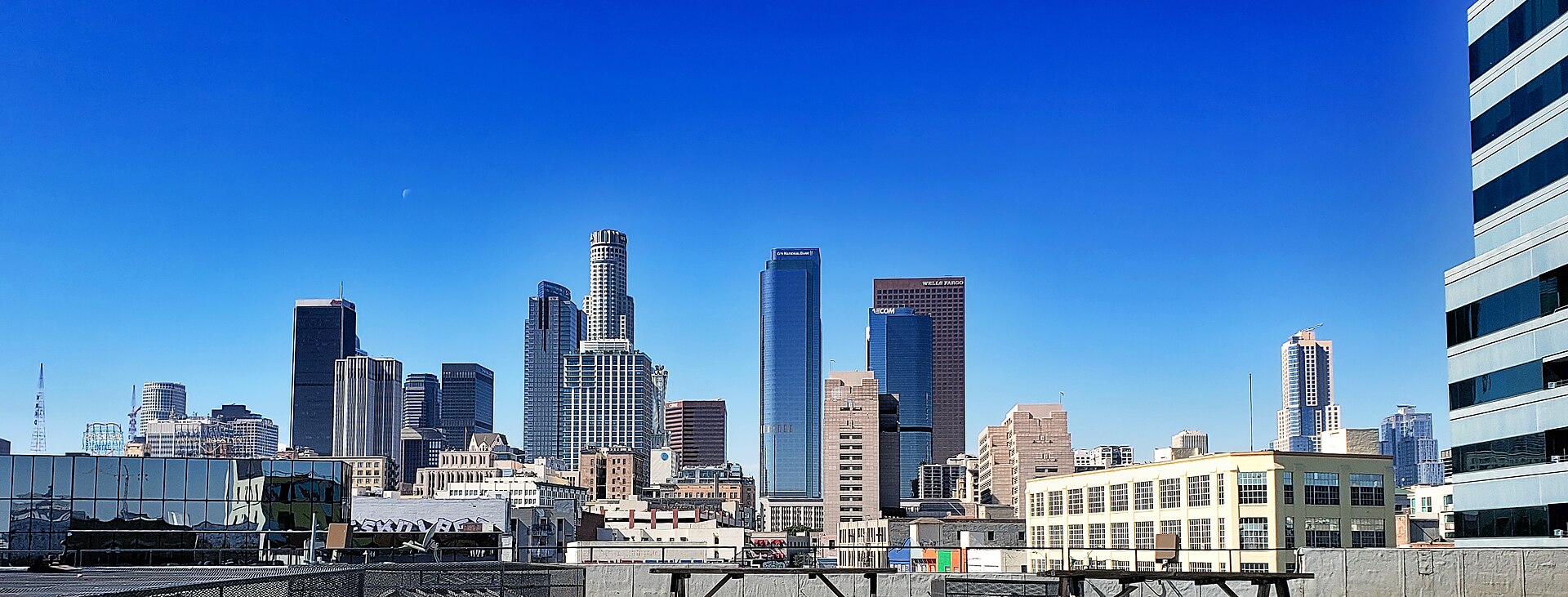

LOS ANGELES
Federal agents moved across California on Monday morning seeking more than two dozen foreign nationals in voter fraud cases, an operation that brought at least one booking to downtown Los Angeles and placed the state's election rolls at the center of a fast-escalating fight between Washington and Sacramento, according to reporting by the New York Post on Oct. 19.
Homeland Security Investigations in Los Angeles — HSI Los Angeles — booked Omar Alexander Muñoz, 72, a Belizean national charged with voter fraud, at the Edward R. Roybal Federal Building in Los Angeles, the Post reported. Muñoz is one of the people federal officials described as targets in the wider sweep. The charge against him is an allegation. Like every charge described in this story, it has not been proved in court, and a defendant is presumed innocent unless and until the government proves guilt beyond a reasonable doubt.
That distinction matters on a morning like this one. Federal officials announced arrests, named an operation and promised a press conference later Monday morning. They did not, in the initial reporting, provide a complete list of those sought, a complete count of those taken into custody, or the charging documents that would let readers see, case by case, what exactly the government alleges each person did, when officials say it happened, and what evidence the government says supports it. Previously is reporting what officials said on Monday, attributing it as such, and treating every charge as the allegation it is.
What Essayli said — in his own words
Bill Essayli, the U.S. Attorney for the Central District of California and Los Angeles's top federal prosecutor, framed the operation in sweeping terms. "Today's arrests confirm what we suspected and what we put California on notice for: Noncitizens are voting in California elections which is unconstitutional and illegal," Essayli said, in the quote reported Monday.
Read that quote carefully, because it does two different things at once. As a statement from the federal prosecutor leading the district, it is newsworthy on its own: the United States Attorney is saying, publicly and on the record, that his office believes noncitizens are voting in California elections. As evidence about the scale of any problem, however, a prosecutor's statement at the start of a case is the beginning of a legal process, not its conclusion. Cases will rise or fall on documents, records and testimony tested in court — and, in the reporting available Monday morning, it was not immediately clear how many of the more than two dozen suspects federal agents sought had actually been apprehended.
Operation Protect the Vote, and what is still unknown
Federal officials called the effort "Operation Protect the Vote." The name tells you how the administration wants the morning understood: as a protective action for elections, carried out weeks — in fact, days — before next month's midterm elections. The timing is part of the story whichever side of the argument you are on. Supporters of the operation will say acting before ballots are cast is exactly the point. Critics will ask why a sweep of this kind, built on allegations that remain to be tested, is landing in public in the final stretch of an election season, when claims about who is and is not eligible to vote can themselves shape whether eligible voters turn out.
Here is what was established in Monday morning's reporting, and what was not. Established: agents sought more than two dozen foreign nationals in California voter fraud cases; Muñoz, 72, of Belize, was booked in Los Angeles and charged with voter fraud; Essayli made the statement quoted above; and a press conference was planned later Monday morning, which may fill in names, counts and charges. Not established Monday morning: the final number apprehended, the full list of those sought, the specific voting history the government alleges for each person, and whether any allegation involves a ballot actually cast in a federal election, a registration alone, or something else. Those are not small details. They are the difference between very different stories, and readers should hold officials to providing them.
For continuing coverage from California and the Southwest, see the Previously news front.
The lawsuit that set the stage
Monday's operation did not arrive out of nowhere. Last week, the Trump administration sued the State of California for failing to review a list of more than 20,000 suspected noncitizens who, the federal government alleges, are registered to vote in next month's midterms. That figure — more than 20,000 — is the federal government's allegation about the list it provided, not a finding that more than 20,000 noncitizens are in fact registered, and it is certainly not a finding that any particular number of noncitizens voted. Registration, eligibility and voting are three separate steps, and conflating them is how a list becomes a headline number that the underlying records may or may not support.
USA Today reported the same sequence from Washington: the Justice Department sued California over alleged noncitizens on the state's voter rolls, after giving the state 48 hours to take steps on a list of more than 20,000 voters the administration alleges are likely noncitizens. According to USA Today, the federal government asked a judge to prevent the counting of mail ballots from those listed voters until citizenship could be determined — a request California's leaders publicly rejected, with the governor's office calling the lawsuit unfounded, USA Today reported. The New York Post reported the arrests that followed on Monday, and USA Today reported the lawsuit that preceded them; together, those two accounts establish the timeline this story follows.
The sequence, as reported, was compressed. The Justice Department gave the state 48 hours to review the list — an order issued two days before the lawsuit was filed on Thursday. California was, in Essayli's phrase, "put on notice." Then came the suit. Then, on the following Monday, came the arrests and the operation's name. Whether you see that sequence as an administration moving urgently to protect an imminent election, or as pressure built for public effect, the chronology itself is not in dispute in the reporting: notice, a 48-hour deadline, a lawsuit, and then a Monday-morning enforcement action with a press conference planned the same morning.
The other side of the argument, stated plainly
Local and state officials have denied that noncitizen voting is a widespread problem in California. That denial is a central part of this story, not a footnote to it, and Previously is stating it clearly: the people who administer California elections at the state and local level have said the problem federal officials describe as widespread is not, in their assessment, widespread. Those officials run the registration systems being challenged, and their position — reached from the same rolls now at issue — points the other way from Washington's.
Both positions cannot simply be waved through at once, and Monday morning's reporting does not resolve the conflict between them. What would resolve it, over time, is the slower, less dramatic work: reviewing the list name by name, publishing how many entries were confirmed, how many were errors, how many involved people who had in fact naturalized and become citizens, and then, for any confirmed cases, whether a ballot was cast. Federal law is clear on the underlying rule — only United States citizens may vote in federal elections — and no party to this dispute is quoted Monday disputing that rule itself. The dispute is about scale, about evidence, and about what should happen next: prosecution of individual cases the government believes it can prove, a state-led review of a federal list, or both, and in what order.
What happens next in Los Angeles
The immediate next step is the press conference federal officials planned for later Monday morning. That briefing is where the government can — and should — turn an operation's name into a record: how many people were apprehended, where, on what charges, and under what charging documents. After that come first appearances in federal court, where allegations are read, rights are explained, and the long gap between an arrest announcement and a verdict begins. Muñoz's case, booked at the Roybal building in downtown Los Angeles, will follow that path in the Central District.
For voters in Los Angeles and across California, the practical bottom line on Monday is narrower than the rhetoric on either side. If you are a citizen registered to vote, nothing in Monday's operation changes your eligibility or how you cast a ballot in next month's midterms. If you are not a citizen, federal law prohibits voting in federal elections, full stop. And if you are trying to judge the larger claim — how common noncitizen voting in California actually is — judge it, for now, as unproven in either direction at the scale being argued about: a federal prosecutor has made serious allegations and brought individual charges that must be proved in court, a state has been sued over a list it had 48 hours to review, and the officials who run that state's elections have denied a widespread problem. Previously will update this story when the press conference and court records add the numbers and documents Monday morning's announcement did not yet include.