THURSDAY, OCTOBER 29, 2026
The “in talks” chapter closed Thursday morning. DoorDash and Instacart announced a definitive agreement for DoorDash to acquire Instacart — legally Maplebear Inc. — for $65.00 per share, an equity value of approximately $17 billion. Three days ago this was a negotiation that could still fall apart, as Previously reported when the talks surfaced. Now it is a signed deal, announced alongside both companies’ third-quarter earnings. Only the signatures’ consequences are left to argue about.
Wall Street’s first verdict came before the opening bell: Instacart shares rose almost 5 percent to $61.25 in premarket trading, and DoorDash climbed 7 percent to $181.47 (MarketWatch). Buyers of the buyer don’t usually cheer a $17 billion shopping trip. This time they did — helped by DoorDash reporting a third-quarter earnings beat the same morning.
The deal, in plain English
Every Instacart shareholder gets a choice for each share they hold: $65.00 in cash, 0.3372 shares of DoorDash stock, or a mix of $48.75 in cash plus 0.0843 DoorDash shares. Across the whole deal, at least 75 percent of the payout will be cash and no more than 25 percent DoorDash stock — if too many people elect stock, they’ll be prorated down to cash.
The $65 price is a 26 percent premium over Instacart’s closing price on October 22, the last trading day before reports of a sale surfaced — and still an 11 percent premium over Wednesday’s close, after the market had already bid the stock up on the rumours. Instacart’s board approved the agreement unanimously, and stockholders holding about 19 percent of the company’s shares have already committed to vote in favour.
The money is lined up. DoorDash will pay the cash portion from cash on hand and new debt, backed by a 364-day bridge loan commitment from JPMorgan Chase, and the deal is not subject to a financing condition — DoorDash can’t walk away claiming the money fell through. The company says it is targeting a capital structure that keeps its investment-grade ratings, and it sees a multi-year path to more than $500 million a year in synergies, net of what it spends to get them.
Why grocery is the battleground
Restaurant delivery made DoorDash. Grocery is where it believes the next decade is — and grocery is brutally hard to do well. DoorDash’s own co-founder and CEO, Tony Xu, made the case in the announcement itself:
“Grocery is one of the hardest things to get right online. Someone has to pick a ripe avocado, find a substitute you’d choose yourself, and get the ice cream to you before it melts. Instacart has spent years learning to do that well for grocers, while DoorDash has built a delivery network and technology that local stores rely on every day.”
The pressure behind the deal is named in the release too: the biggest online retailers and grocers — read Amazon and Walmart — are “racing ahead, building their own delivery fleets, warehouses, membership programs, and AI shopping assistants,” while a local grocer on thin margins “cannot build all of that alone.” Instacart brings the grocer relationships: more than 2,200 retail banners covering nearly 100,000 stores, plus the fulfilment technology and the advertising business built on top of them. Post-close, DoorDash says Instacart customers could shop at more than 50,000 additional stores, and members of DashPass and Instacart+ would pay one membership fee instead of two — a change it estimates would save members $100 million a year in fees alone.
This is also the second time these two companies have stood in this doorway. In 2021 they talked about combining at a valuation of $40 to $50 billion; the talks collapsed over price and antitrust doubts. Five years later the price is roughly a third of that, and DoorDash decided the position was worth buying anyway.
The long road to closed
Nothing about your apps changes soon. The companies expect the deal to close at the end of 2027 or in the first half of 2028, and until then DoorDash and Instacart keep operating as separate, independent companies. Between here and there: a vote by Instacart’s stockholders, the expiry or termination of the waiting period under the Hart-Scott-Rodino antitrust law in the United States, and regulatory approvals in Canada and Israel, among other customary conditions.
That timeline is the story inside the story. A deal that merges the dominant restaurant-delivery platform with the dominant grocery-delivery platform will get a long look from antitrust regulators — the same concern that helped kill the 2021 version. The commitments DoorDash announced Thursday read like they were written with that audience in mind: local grocers will face no grocery exclusivity and can work with any delivery platform they choose, and DoorDash says it will keep Instacart’s brand, its enterprise technology products, and its app after closing.
Previously Staff’s read: For households, the pitch is one membership, more stores, more savings opportunities, and faster delivery across both apps — the Friday-night takeout and the Sunday grocery haul under one account. For stores, it’s DoorDash’s delivery network and Instacart’s grocery technology offered as one package, in both apps and on the stores’ own websites: the store still makes the sale; the combined company sells the tools.
For the gig workers on both sides, DoorDash is promising more ways to earn, not fewer. Instacart Shoppers, it says, keep the features they rely on — the flexibility to choose how much they work and the information they need to pick their batches — and can choose whether to take DoorDash orders or keep shopping only on Instacart. Dashers and Shoppers alike are promised more orders to choose from, grocery runs on quiet days and restaurant runs at peak. Whether one employer for both workforces eventually means more leverage for the company setting the pay is the question that follows every merger like this — and it’s unwritten.
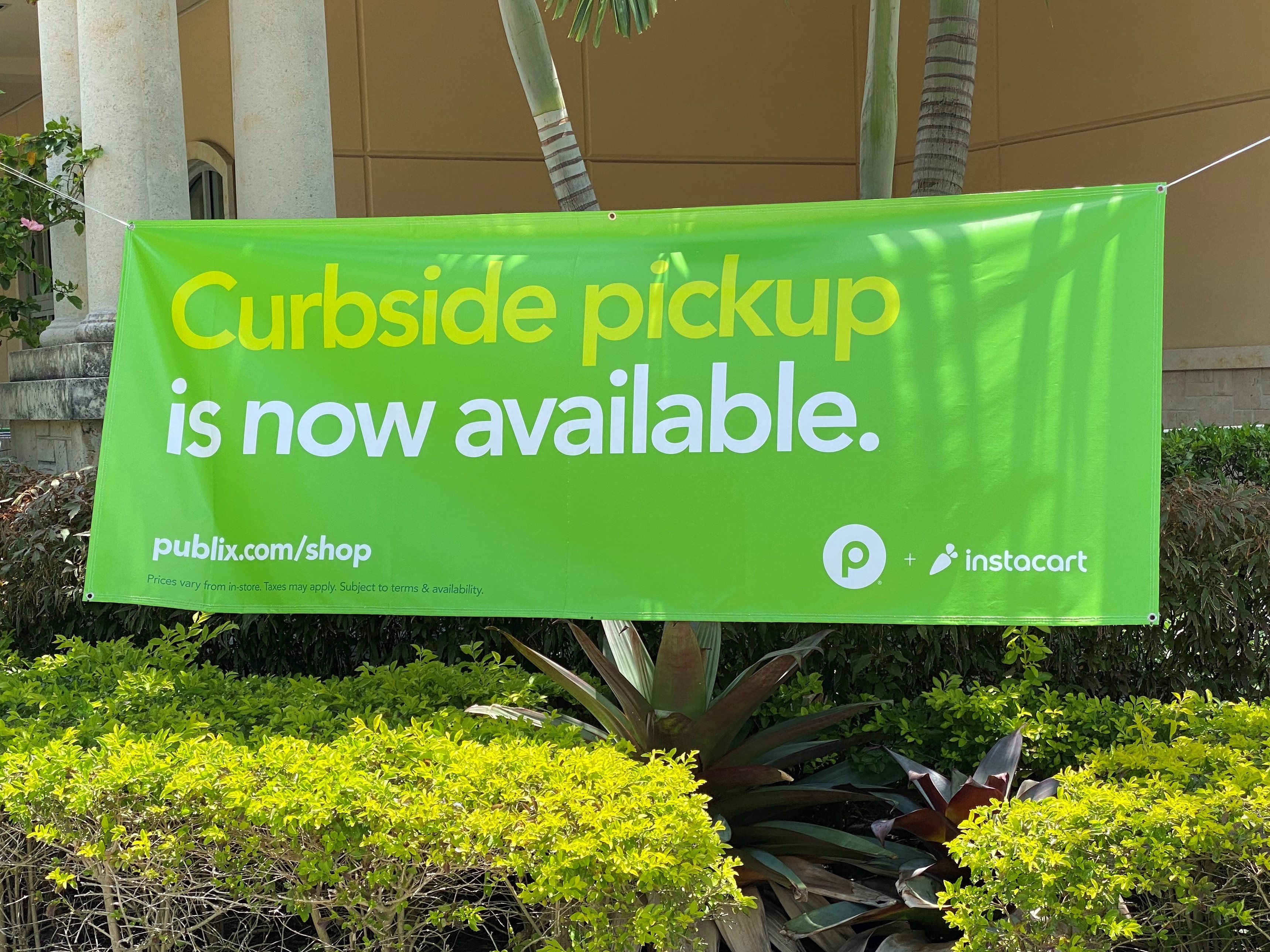
In Las Vegas, the deal is not abstract. Smith’s — the grocery chain most of this valley actually shops — runs its online grocery pickup and delivery through Instacart, while DoorDash is the default tap for restaurant delivery from the Strip to Summerlin. If this closes, the company behind a Smith’s order delivered to a Henderson doorstep and the company behind a late-night order to a condo on the Strip will be the same company.
The Uber problem
The strangest seat at this table belongs to Uber. Since 2024, the Instacart app has carried a “Restaurants” tab powered by Uber Eats — hundreds of thousands of restaurants, ordered inside Instacart, fulfilled by Uber’s couriers, in a partnership that pays Instacart on every restaurant order. Uber was also one of the suitors in Instacart’s sale process before the DoorDash track won. Now the storefront Uber built inside its rival’s biggest grocery partner belongs, pending regulators, to Uber’s largest competitor. Neither company has said what happens to that partnership after the deal closes. Something will have to give.
Previously Staff’s read: The price says DoorDash believes grocery — not restaurants — decides who owns local commerce, and it would rather pay $17 billion than spend a decade building what Instacart already has. The two things worth watching between now and 2028 are the ones that touch your wallet directly: whether the single membership actually lands cheaper than DashPass and Instacart+ do today, and whether the Restaurants tab in the Instacart app quietly disappears once its owner is the competition.
Status as of publication: Definitive agreement announced Thursday, October 29, 2026. Not closed. Expected close end of 2027 / first half of 2028, subject to Instacart stockholder approval, U.S. antitrust waiting-period clearance, and regulatory approvals including Canada and Israel.
Sources · 9 sources
- DoorDash, Inc. — “DoorDash to Acquire Instacart to Help Local Stores Win”: deal terms, election mechanics, premium, board approval, commitments, executive quotes BusinessWire · Oct 29, 2026
- DoorDash, Inc. — Third Quarter 2026 financial results release: definitive agreement terms, JPMorgan bridge commitment, synergy path BusinessWire · Oct 29, 2026
- Maplebear Inc. (Instacart) — “Instacart enters into definitive agreement to be acquired by DoorDash”: equity value approximately $17 billion PR Newswire · Oct 29, 2026
- “DoorDash strikes $17 billion deal for US rival Instacart in bets on grocery delivery” Reuters · Oct 29, 2026
- “DoorDash to Buy Instacart for $17 Billion”: Wednesday close $58.42, premarket moves Wall Street Journal · Oct 29, 2026
- Premarket: DASH +7% to $181.47, CART +~5% to $61.25; DoorDash Q3 adjusted EBITDA +41% to $1.06B MarketWatch · Oct 29, 2026
- DoorDash Q3: EPS $1.06 vs. 81¢ expected (FactSet), revenue $4.62B Investor’s Business Daily · Oct 29, 2026
- “Uber Eats to Power Restaurant Delivery on Instacart”: the Restaurants-tab partnership Uber Technologies · 2024
- DoorDash Is in Talks to Buy Instacart for $17 Billion Previously · Oct 27, 2026