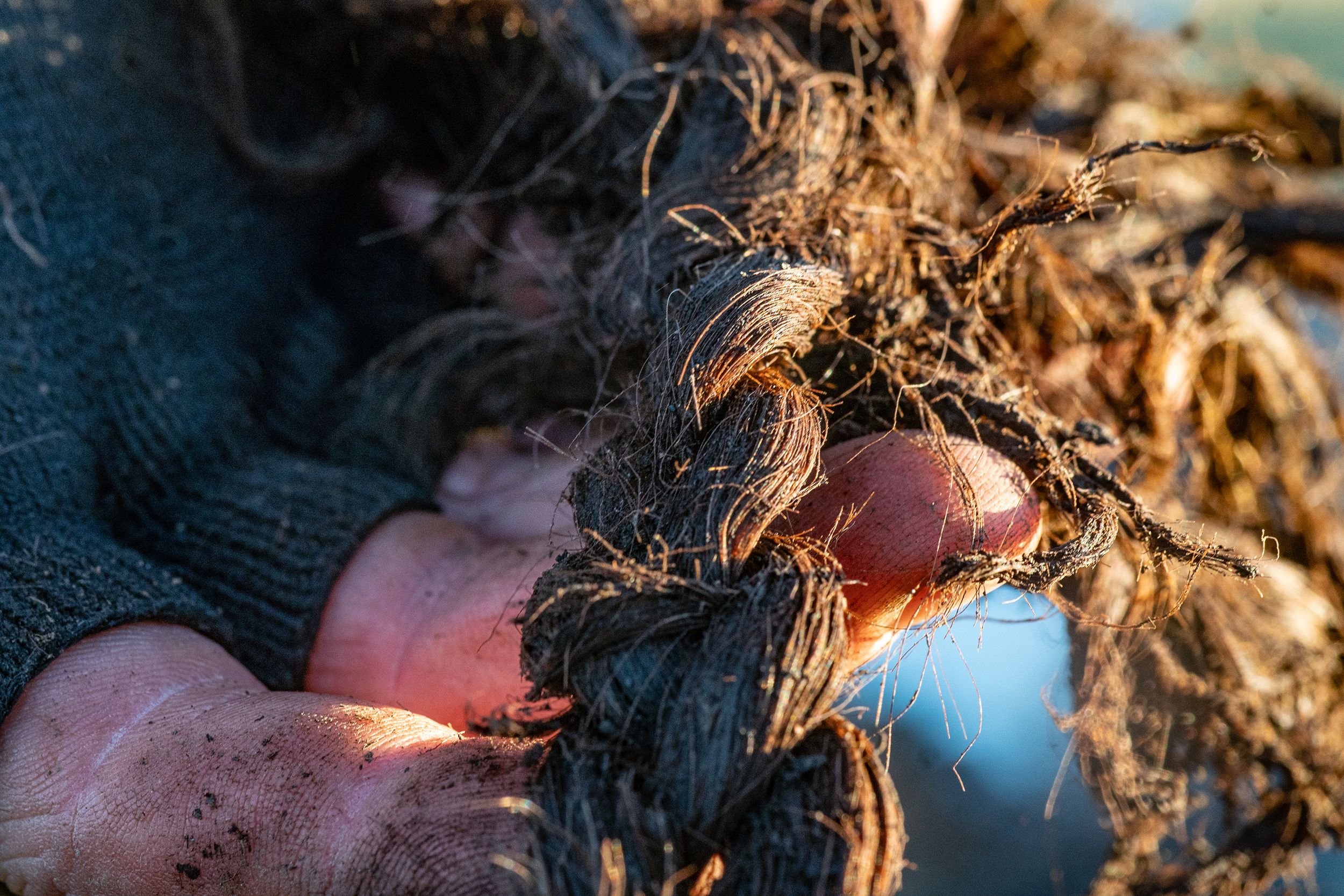
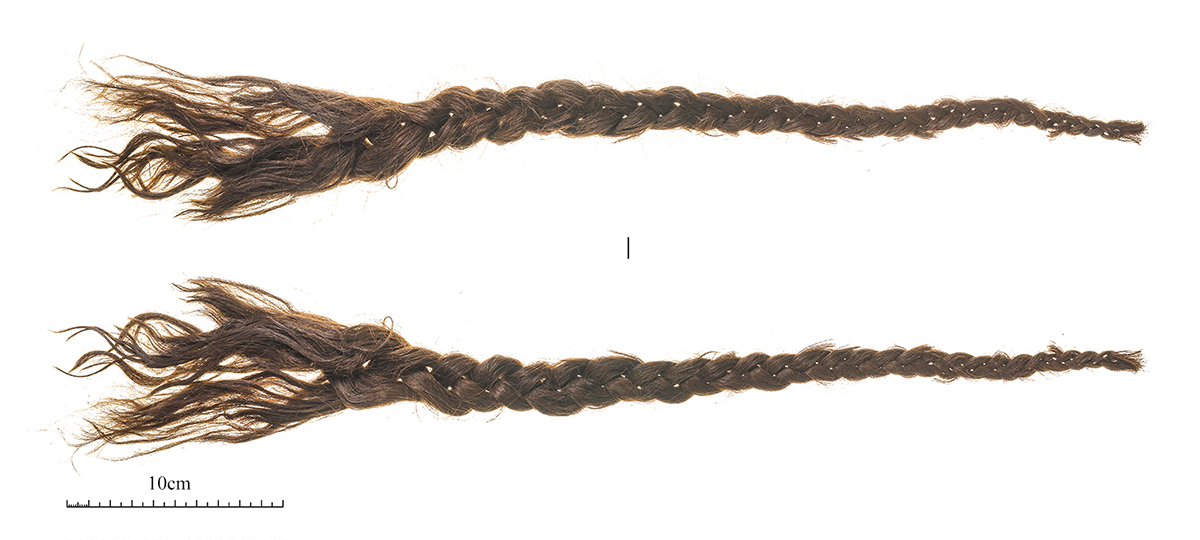
The hair survived because the tomb did. In the central chamber of Tunnug 1, a Scythian burial mound in southern Siberia, excavators found human hair still braided after some 2,800 years underground. This year they ran it through a high-resolution mass spectrometer — the same class of instrument that does modern drug testing — and several samples carried cannabinol, the compound THC breaks down into. Whoever wore that hair had cannabis in their body.
The study, published November 5 in Science, is now the oldest directly dated evidence that people used cannabis for its intoxicating effects. Not the fiber. Not the seed oil. The high.
The tomb in the Valley of the Kings
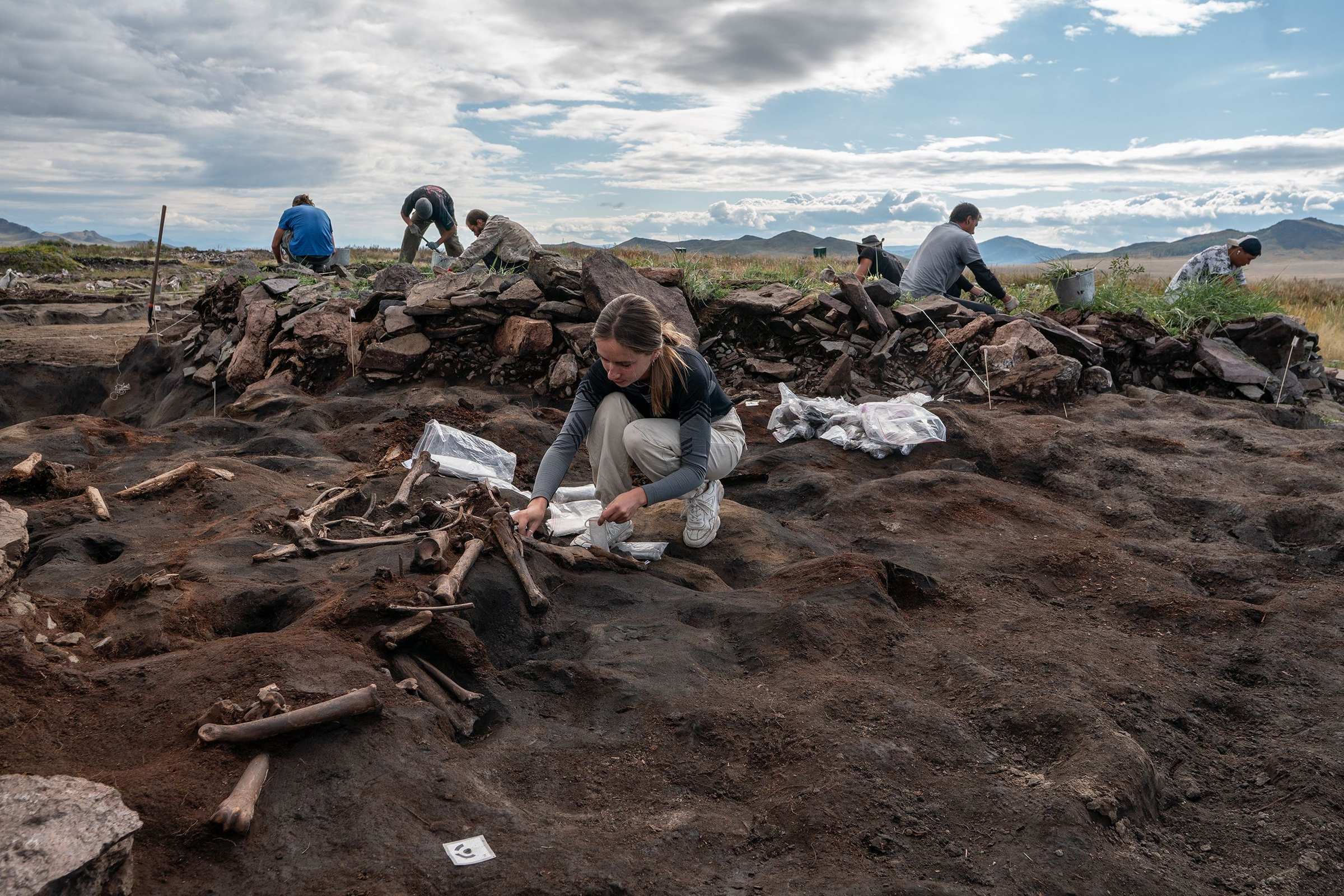
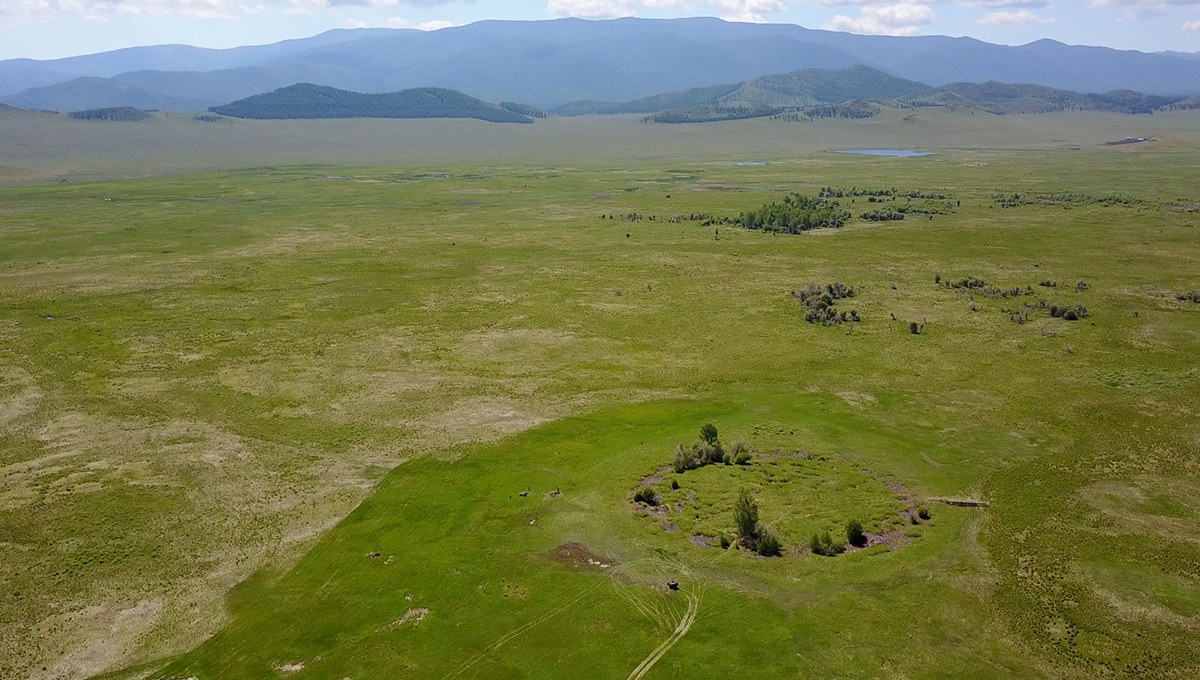
Tunnug 1 sits in the Uyuk Valley in the Republic of Tyva, a stretch of southern Siberia so dense with monumental burial mounds that archaeologists call it the Siberian Valley of the Kings. The mound runs about 140 metres across and belongs to the earliest Scythians — the mounted archers who ruled the Eurasian steppe — making it one of that culture's oldest known princely tombs. A team led by Gino Caspari, an archaeologist at the University of Bern and the Max Planck Institute of Geoanthropology, has been digging there since 2017, working with colleagues from Russia, Sweden and Switzerland.
The funeral around the central chamber was staged on a brutal scale. Earlier seasons found 18 horses laid out on the mound; the count has since climbed into the dozens, alongside scattered human bones. Caspari's team reads the site as a princely burial with extensive horse sacrifice and, most likely, human sacrifice too. The cannabis was in the chamber with the high-status dead.
A thousand seeds, dated one by one
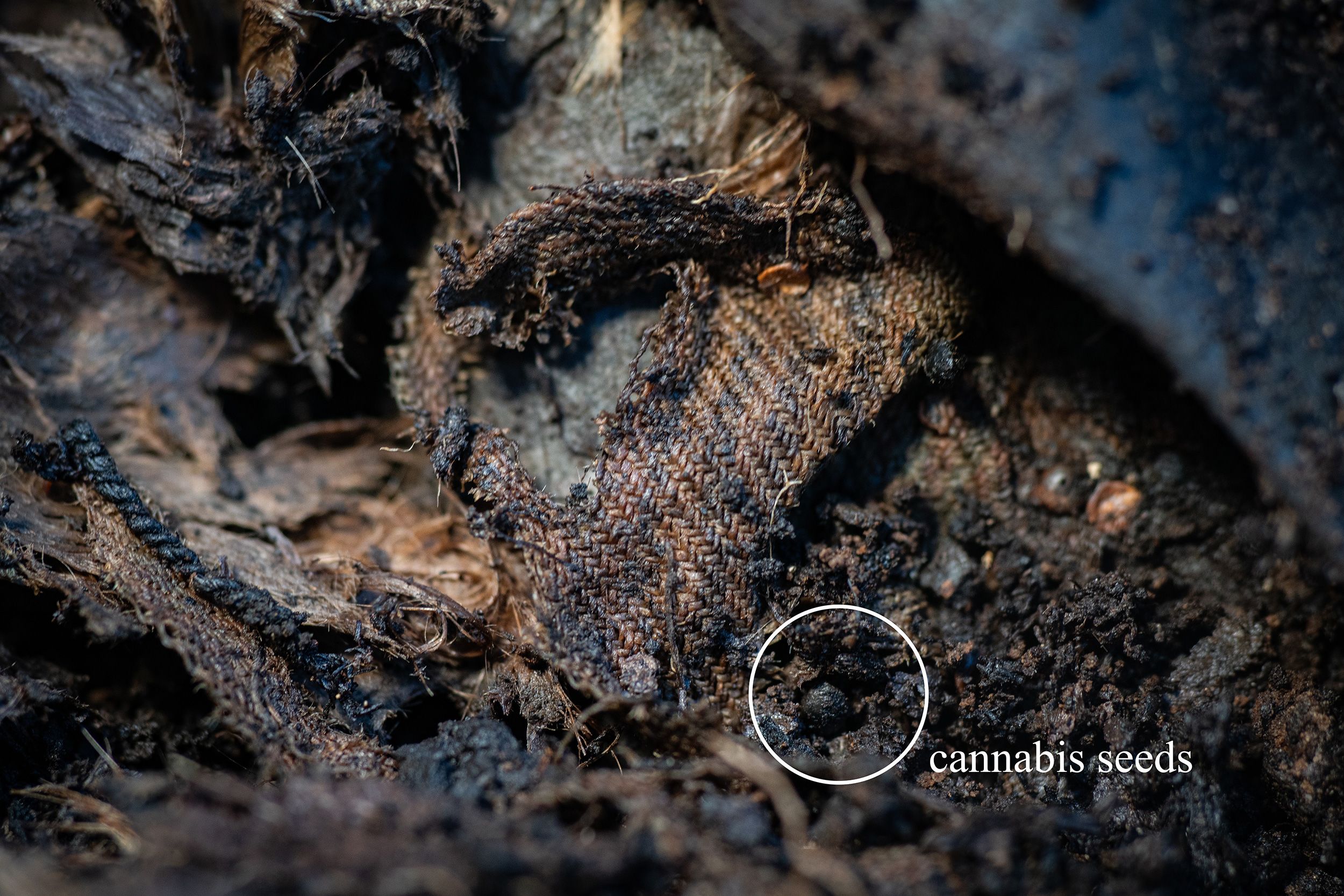
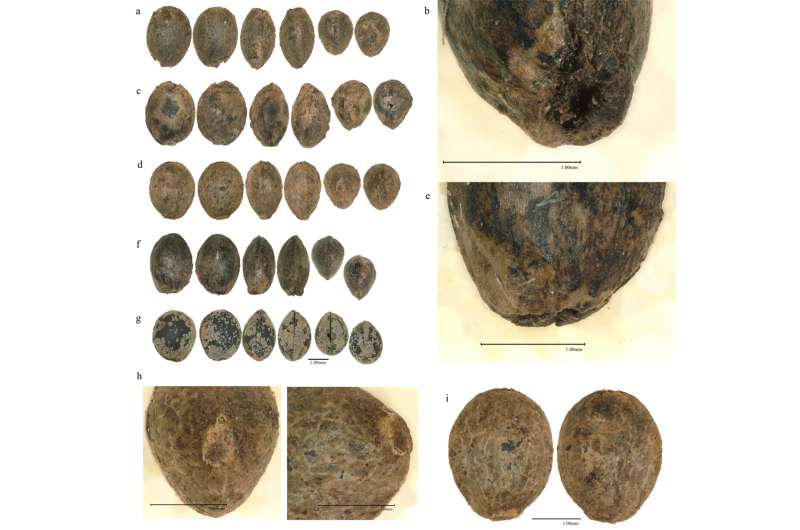
The first sign was small black dots in the soil of the tomb. They were cannabis seeds, and the team kept finding them — more than a thousand in all, tangled into the burial layer alongside preserved textiles. Six of the seeds were radiocarbon-dated directly, and together with the site's other dating evidence they land in the early eighth century B.C., right when the tomb was built.
Seeds alone could never carry the claim. Cannabis was an everyday plant long before this tomb: it had been cultivated in East Asia for at least 6,000 years, prized for oil-rich seeds and fiber, and hemp shows up in ordinary homes in northern China 4,500 years ago as food and cloth. These particular seeds probably came from wild plants. The team cannot show the Scythians bred them for strength, or even planted them at all.
The hair is the evidence
Hair answers a different question than seeds do. Seeds say the plant was in the grave. Hair says something was in the person. The mass spectrometer sorts molecules by mass until individual compounds show up at trace levels, and in several of the Tunnug samples the signal for cannabinol was clear, with weaker signals matching THC itself.
Cannabinol — CBN — is what THC becomes as it oxidizes. It is the leftover of the plant's main intoxicating compound, and finding it locked in hair is why the team uses the word consumption rather than presence. “It's only so often as an archaeologist that you get to drug test a person that's been dead for nearly 3,000 years,” Caspari told the New York Times.
Reuters' report from the valley, with the excavation on camera:
Three centuries past the old record
Until now the earliest direct evidence sat at a cemetery on the other side of the mountains. In 2019, researchers working at Jirzankal in western China reported wooden braziers, about 2,500 years old, holding burned cannabis with unusually strong THC residue — people inhaling the smoke on purpose. Tunnug is roughly 300 years older, and its evidence is in a body instead of a bowl.
It also puts a floor under a much later text. Herodotus, writing in the fifth century B.C., described Scythians at funerals throwing hemp seed onto hot stones inside felt tents and shouting for joy in the vapor. That account is about 350 years younger than this tomb. The practice he described as a custom was already centuries old when he wrote it down.
The pushback
The hair is also where the argument starts. Volker Auwärter, who heads forensic toxicology at the University Medical Center Freiburg and was not involved in the study, told the Associated Press the hair analysis is “scientifically weak.” His point is contamination: the strands spent 2,800 years lying in a grave full of cannabis, and compounds can migrate into hair from outside as well as from within. The team could not say how much THC the ancient plants held, and the Washington Post reported outside researchers questioning the cannabinol levels as well. Nothing in the evidence says how the cannabis was taken — smoked, breathed as vapor, eaten — or how much.
Other outside readers land the other way. Caspar Meyer, an archaeologist at Bard College, told Scientific American that seeds and hair together make a “smoking gun” for intoxication. Roger Forshaw of the University of Manchester told CNN the hair traces are “direct molecular evidence of cannabis use” that fits a funerary ritual, while conceding nobody can say how the plant was administered or exactly what role it played. That is where the field sits: the strongest single find yet, resting on chemistry some specialists want to see replicated.
What it was for
Caspari's own reading is ritual — cannabis bound up with the funeral itself, possibly shamanistic. He has floated a darker possibility in interviews, that it might have sedated victims before the sacrifices he believes happened on that mound, and he says plainly in the same breath that it cannot be proven. What the tomb proves is narrower and stranger: by the early eighth century B.C., psychoactive cannabis use was already established practice on the steppe, spread — in his words — from China to Europe.
The seeds are not done talking. Their DNA survived in unusually good shape, and the team has begun sequencing it — the oldest preserved cannabis DNA, Caspari says. What grows out of that work is a history of how this plant was tamed and carried across a continent. The hair told us people used it. The seeds may yet tell us where it came from.
Sources · 7 sources
- Caspari, G., Sadykov, T., Fomicheva, D., et al., “Direct evidence for psychoactive cannabis use 2800 years ago,” Science 394(6824): 649–653, published November 5, 2026 (DOI: 10.1126/science.aeg3800) — the study; abstract and editor's summary consulted
- University of Bern / Max Planck Institute of Geoanthropology media release, November 5, 2026 (carried by Phys.org and ScienceDaily) — about 1,000 seeds recovered, six directly radiocarbon-dated to the early eighth century B.C.; clear cannabinol signals and weaker THC signals in the hair; the horse sacrifices; the DNA sequencing now under way
- CNN, “Earliest evidence of cannabis use found in ancient Siberian tomb,” November 5, 2026 — Caspari on the recovery of more than 1,400 seeds and the ritual reading; Roger Forshaw (University of Manchester) on the hair as direct molecular evidence
- Smithsonian Magazine, November 9, 2026 — Caspar Meyer's “smoking gun” assessment (via Scientific American); Volker Auwärter's criticism (via the Associated Press); the prior 2,500-year-old evidence from western China
- The New York Times (Caspari's “drug test” remark); the Washington Post (the team could not quantify THC; outside questions over cannabinol levels); the Associated Press (Auwärter: the hair analysis is “scientifically weak”)
- Video: Reuters — “Siberian burial site reveals ancient use of cannabis,” embedded above; oEmbed-verified by the desk. CNN's segment on the study is published as a link, not an embed
- Photo credits: T. Wallace & G. Caspari / Frozen Corpses Golden Treasures (the excavation, the seeds in situ, the hair in hand); T. Wallace (the mound from the air); Caspari et al., Science (2026) — the braided hair, released CC BY, and the seed plate