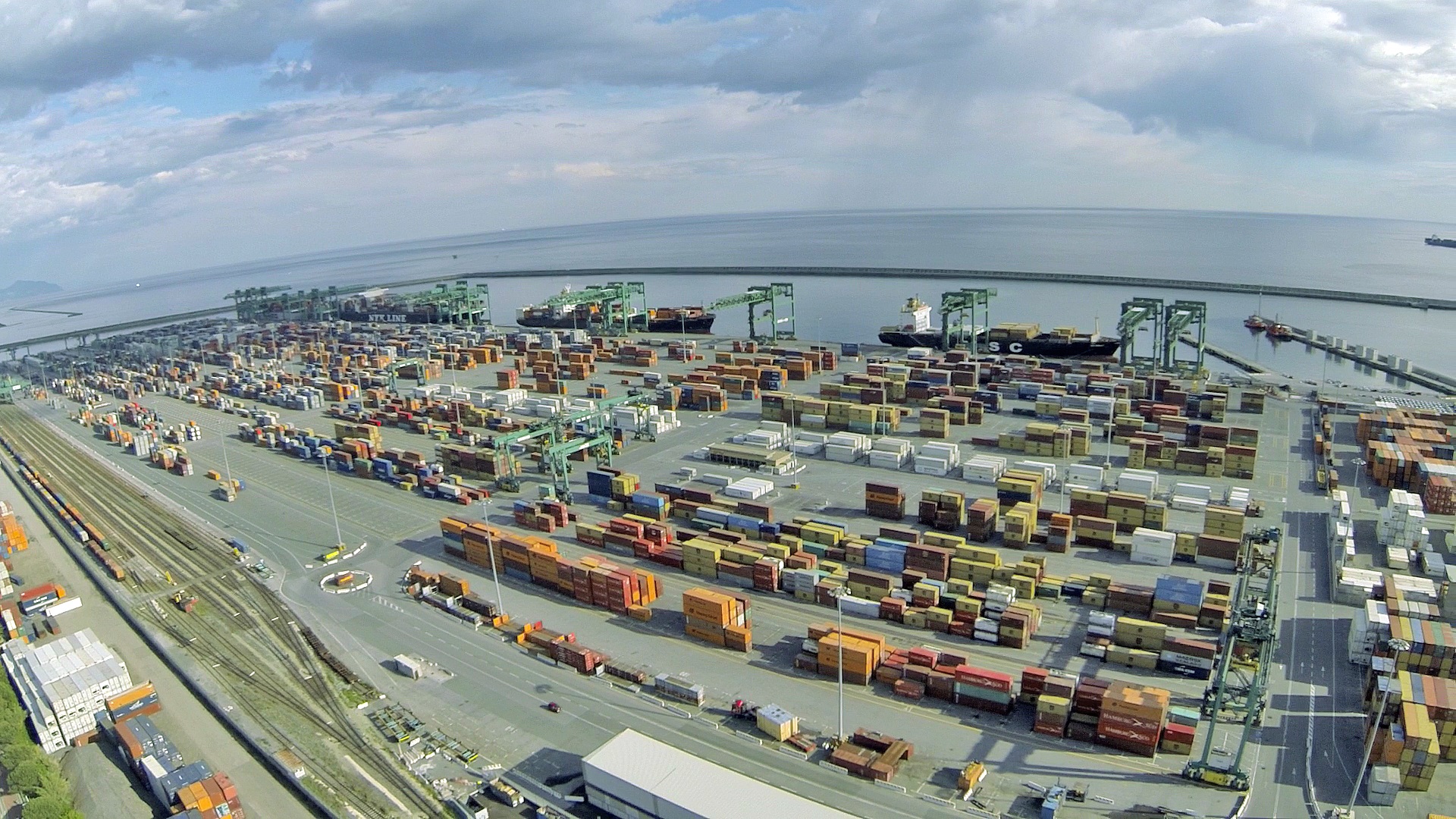
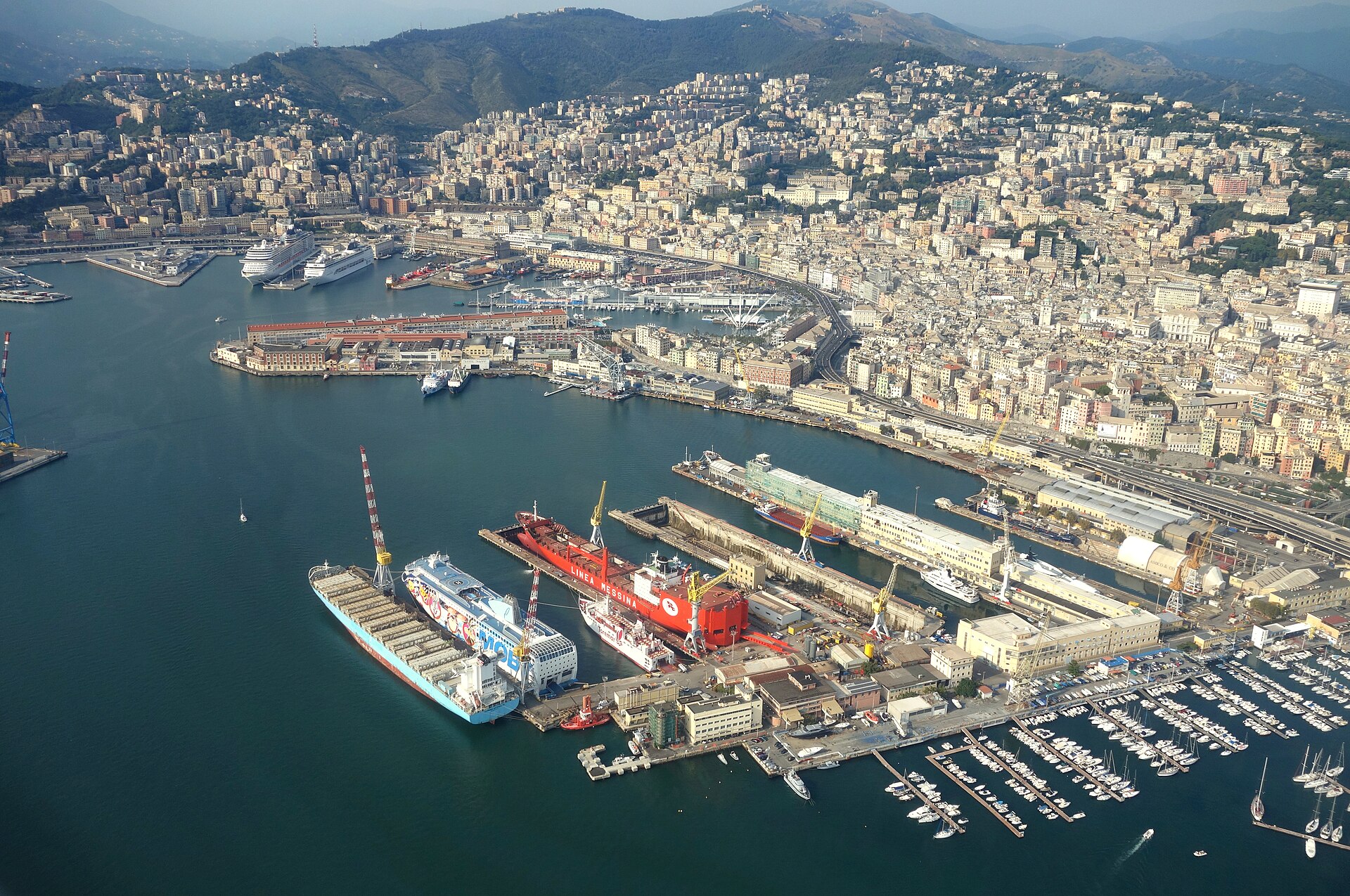
Nobody found these bags by luck. Millions of containers move through the Port of Genoa every year, and somewhere inside that river of steel boxes, spread across load after load, sat 20,712 handbags that were never supposed to exist — faithful copies of registered designs from the great Italian and foreign houses, built well enough that the Italian state could not call them fake on its own. It needed the houses themselves to say it.
The operation was called Ermes, and it was paperwork before it was ever a raid. Starting in the second quarter of 2025, customs officers from the Agenzia delle Dogane e dei Monopoli in Genoa and the Guardia di Finanza's provincial command — the finance police who work the port through its II Gruppo — did the unglamorous thing that actually catches industrial crime. They read. Import documents got cross-checked against the agencies' databases until certain loads started to glow. Those containers got opened. Inside were thousands of bags, reproduction after reproduction of models the houses have registered and guarded for decades.
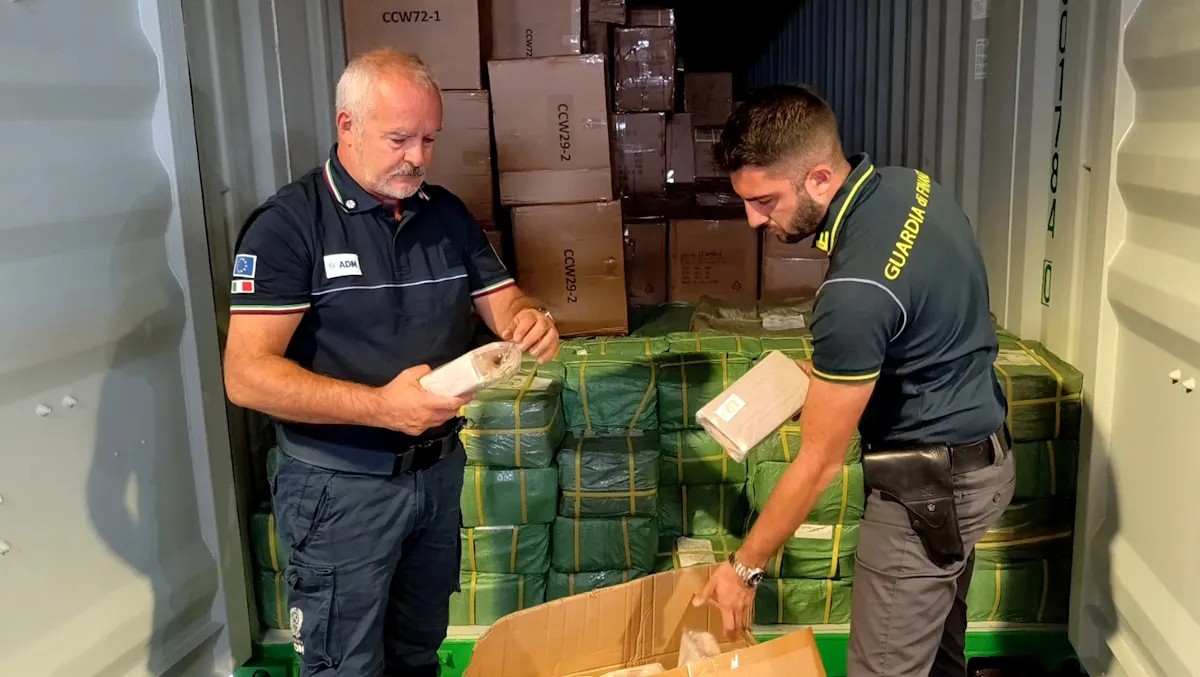
Then came the step that tells you everything about where the luxury business really lives. The officers did not get the last word — the brands did. The houses sent their official experts, and their assessments, the perizie, confirmed what the paperwork had suspected: every bag a counterfeit. The state can seize a container, but it cannot declare a bag unreal. Only the maker can do that, because authenticity is not a property of leather. It is a property of records, of who made it and who says so.
The count closed on December 23, 2025, just ahead of Christmas, and the timing was the point. The agencies put the value of what they pulled out of the Prà basin at €33,513,000, and that number needs its receipt read out loud, because it confuses people every time. It is not what the fakes would have sold for on the street. It is what the goods were worth priced as the genuine article — run the division and it comes to roughly €1,600 a bag, which is simply what the real thing costs. When the customs agency posted the seizure, a commenter did the street math and objected: a fake goes for fifty euros, so where does €33.5 million come from? Right there, in that argument, is the whole economics of the trade. The fake sells cheap because it steals the expensive part. The design, the scarcity, the name, the decades of desire — all of that was built and paid for by somebody else, and the counterfeiter just clips the ticket.
Six people were reported to the judicial authority in Genoa: Chinese nationals, the legal representatives of the importing companies, facing the charge of importing counterfeit products. Reported is the word, and it matters — no conviction has been published, and the presumption of innocence is theirs until a court says otherwise. The agencies have not said where the containers originated, and they never named the houses whose designs were copied. Both silences are worth keeping intact. At this level of the trade, the visible men are the import paperwork. The factories stay off the page.
Italian coverage glossed the codename without much prompting: Ermes, Hermes in the Italian spelling, the messenger god — patron of travellers, merchants and, in the older stories, thieves. Whoever picked it knew their mythology. The bags were travellers. The merchants were ready. The theft was the cargo itself.
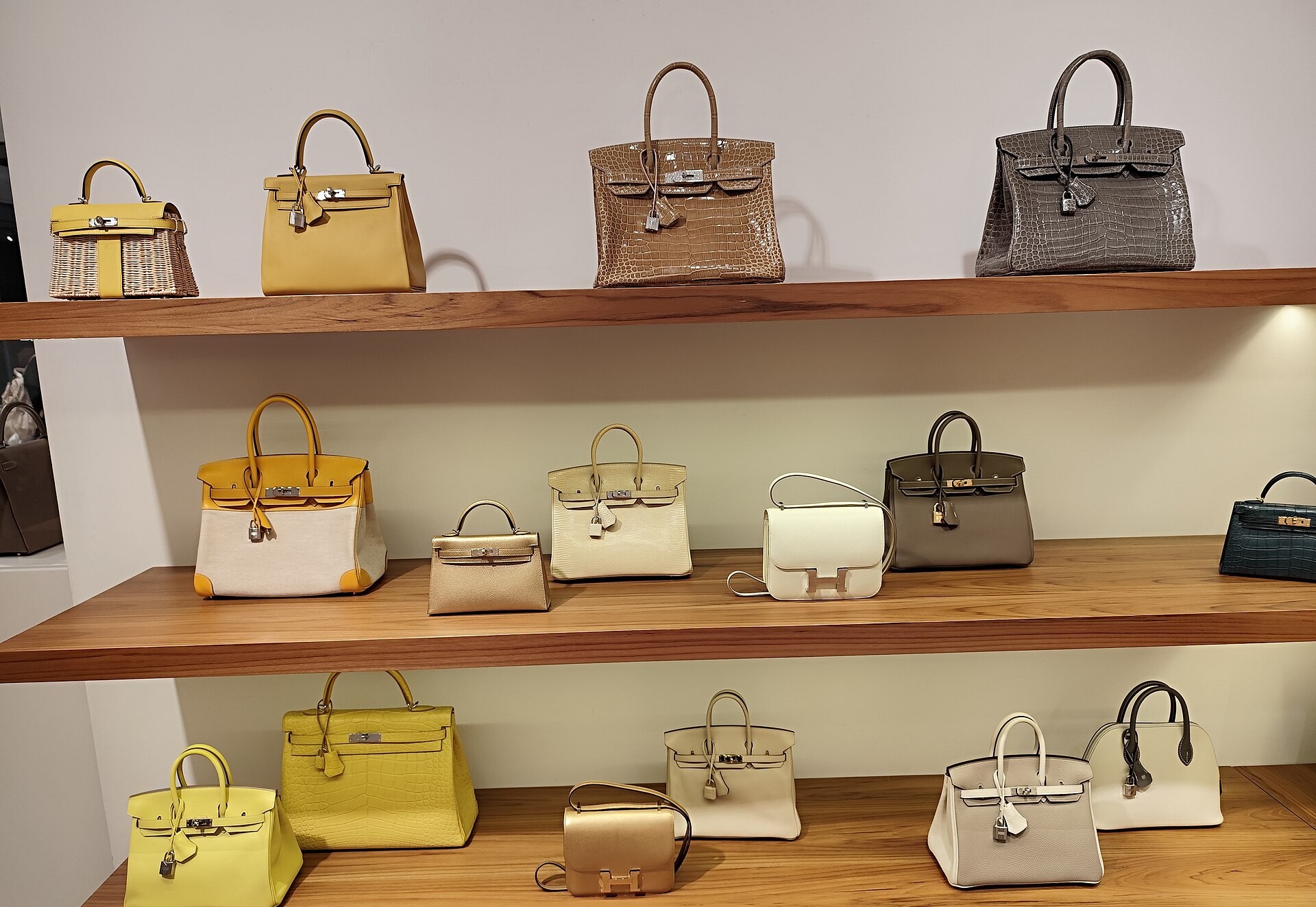
Understand what the top of this trade actually makes, because the flea-market fake and the Ermes fake are barely the same species. The bottom of the market is easy to laugh at — misspelled logos, plastic shine, glue on the seams. The top is a different discipline. Reporting on the so-called superfakes, The New York Times Magazine described leathers sourced from the same tanneries the houses themselves buy from, and construction matched stitch for stitch against deconstructed genuine bags. A Wall Street Journal investigation found copies convincing enough to slip past people who sell the real thing for a living. And the darkest version of the story is French: a ring built around former Hermès employees, men who had made the real bag with their own hands, making it again outside the law with genuine-grade materials — bags so right that they were reportedly accepted as authentic inside boutiques, until seven of them were convicted. When the skill walks out of the atelier, the bag walks out with it.
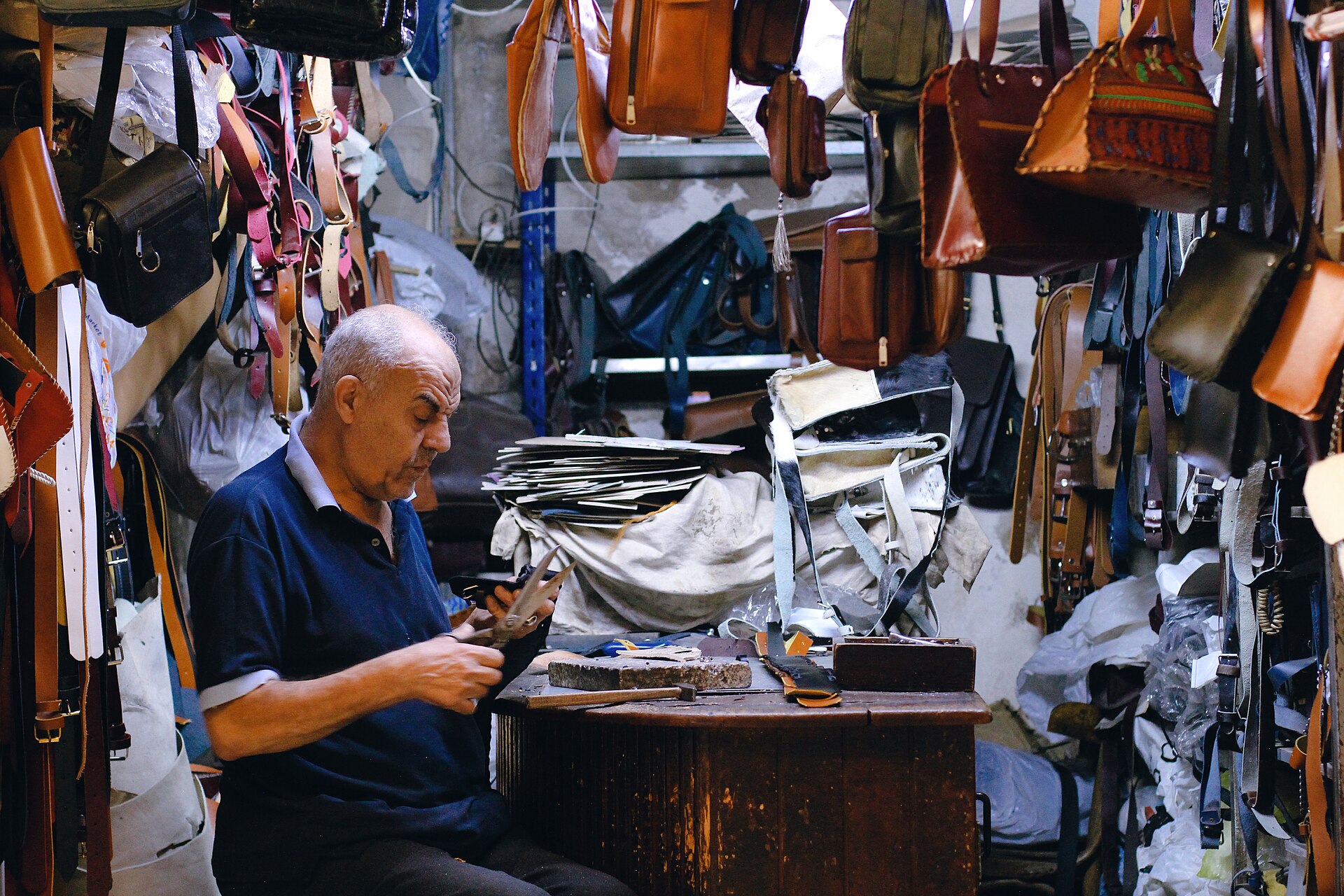
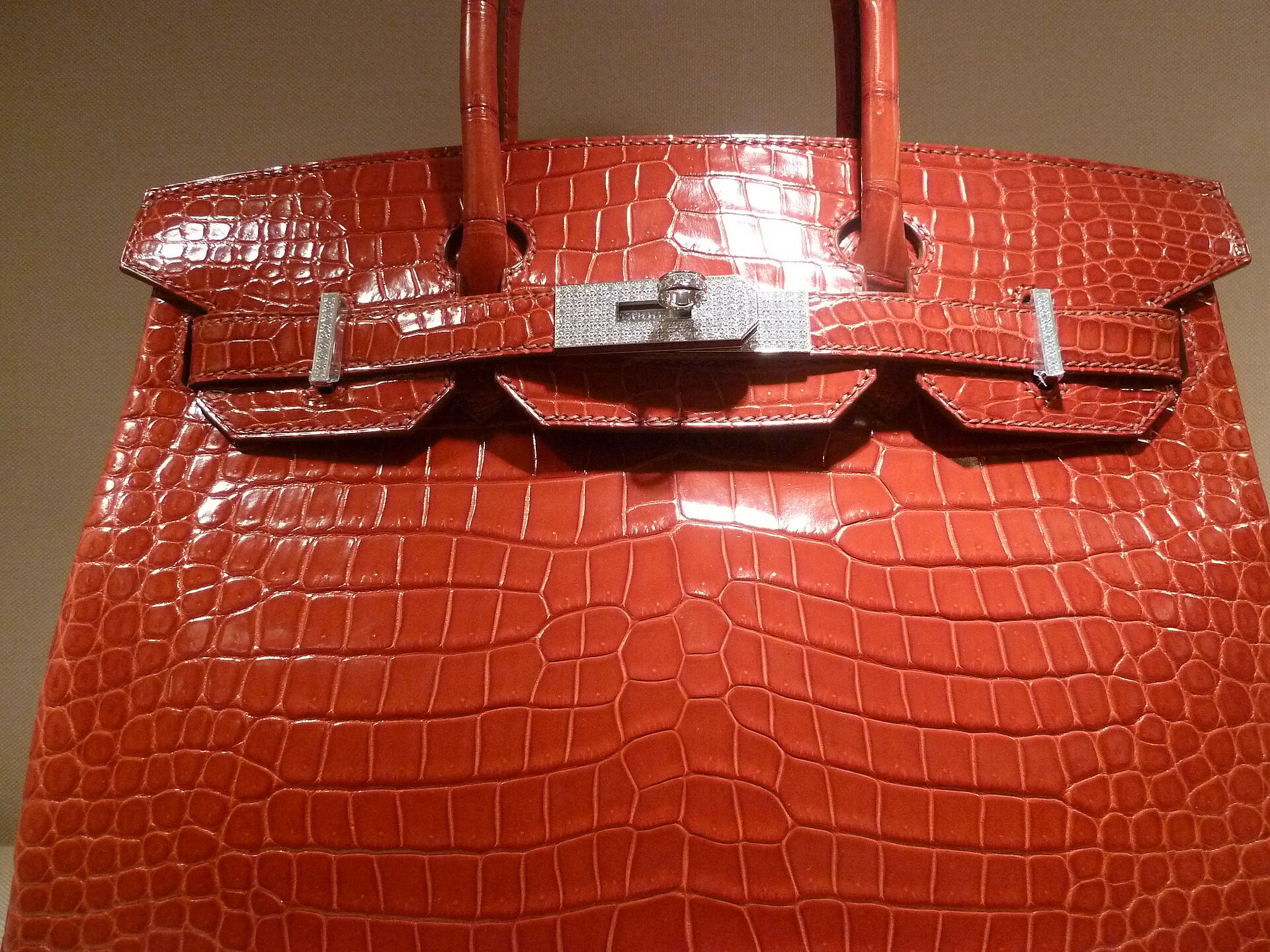
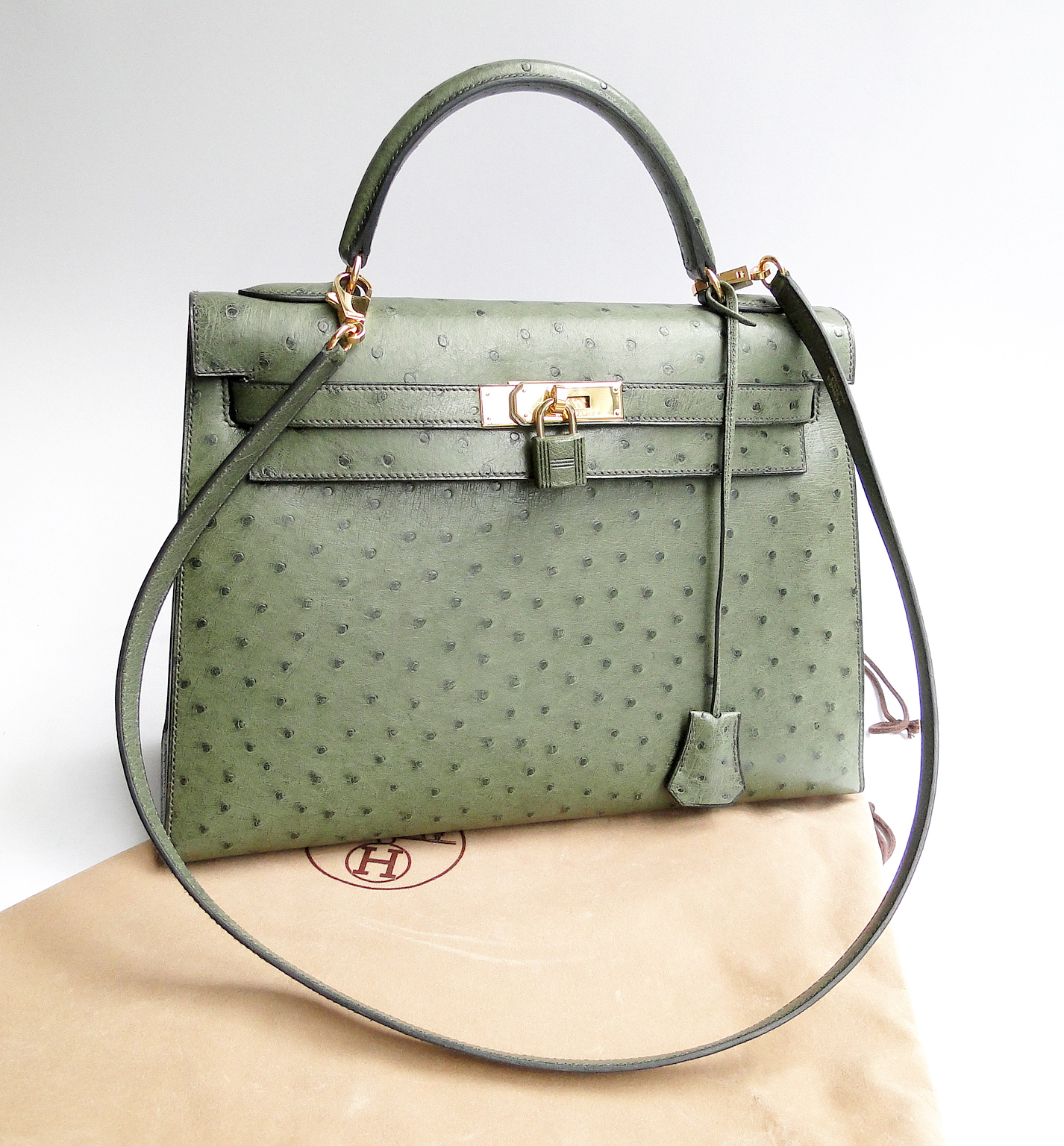
So how does anybody ever know? The authenticators who grade bags for the resale market will tell you the logo is the last place to look, not the first. Construction talks first: stitching that holds the same length and tension across a whole panel, patterns that meet where the design says they should meet. Edge paint should lie smooth and complete on every strap. Hardware should have weight in the hand, zippers should pull the way the specified maker pulls, engravings should be cut deep and crisp instead of floating fuzzy on the surface. Codes and chips help only when they match the model's era and actually answer inside the brand's system — and a code copied off a genuine bag proves nothing by itself. Even the full set lies: dust bags, boxes and cards are made and sold separately, and complete packaging gets assembled around fake bags every day. The Ermes bags fooled nobody in the end, but notice who had to be called in to prove it. Not a machine. The houses' own experts, reading bags the way they've always been read.
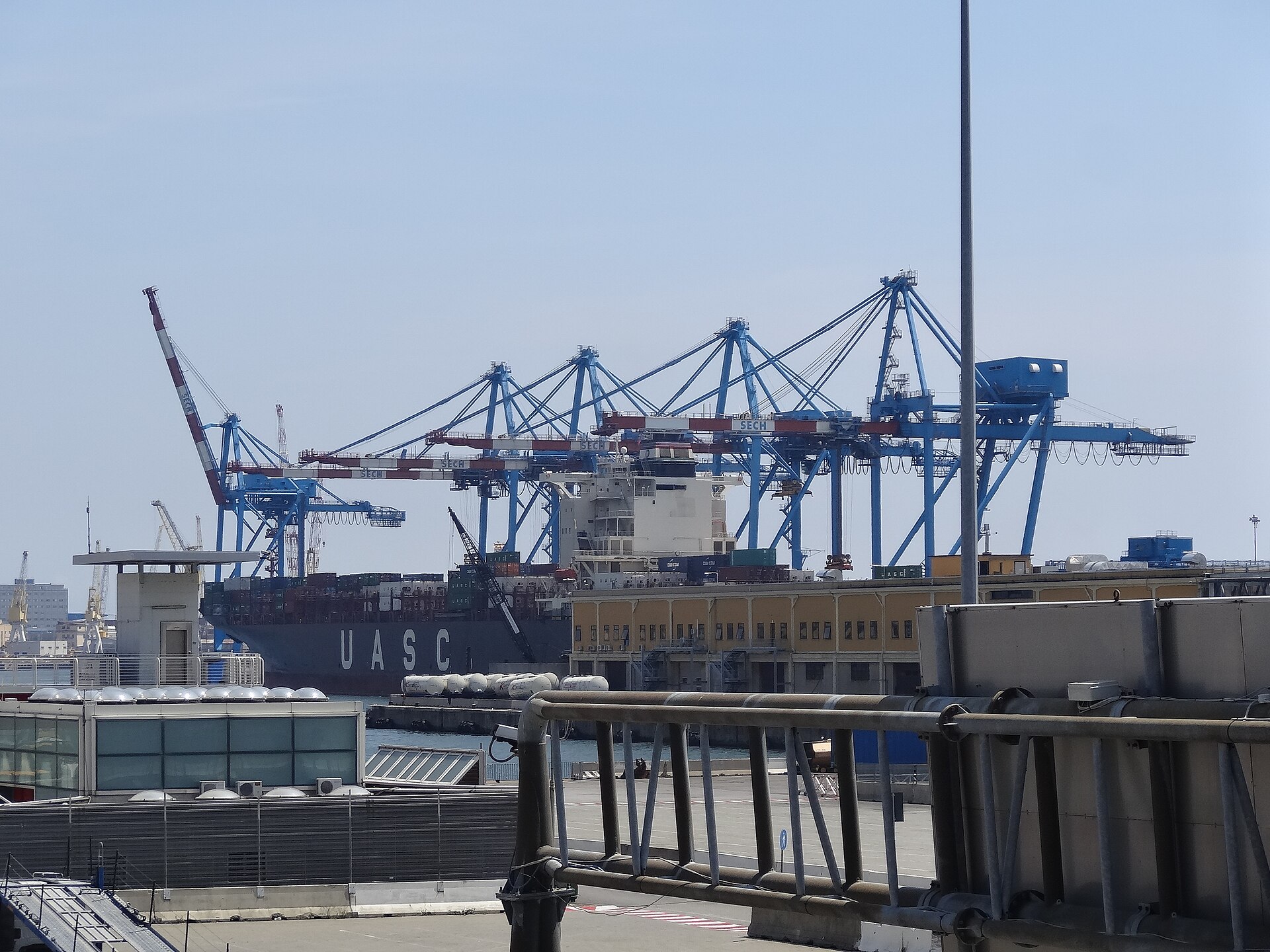
Zoom out and Genoa is one doorway in a building with thousands. The OECD and the EU Intellectual Property Office put the global trade in counterfeit and pirated goods at an estimated $467 billion in 2021 — 2.3% of everything the world imported — with $117 billion of it flowing into the European Union alone, and clothing, footwear and leather goods standing as the most-seized categories of all. Those are estimates built from seizure data, which means they are built from what got caught. And the catching keeps rhyming. In May 2025, the EU's anti-fraud office, OLAF, announced a coordinated operation across Europe — 1.8 million items, more than €180 million in estimated value, including nearly a million fake garments and accessories pulled out of Trieste by the same two Italian agencies, hidden in containers behind legitimately declared textiles, made well enough that brand experts acknowledged the quality. OLAF's director-general put the cost plainly: legitimate businesses robbed, jobs and tax revenue gone, and goods made outside every safety rule, sometimes carrying heavy metals and toxic dyes against a customer's skin.
The last fact is the one that keeps this from being history. This November, at the same port, the same two agencies opened more containers and pulled out roughly 3,000 more counterfeit bags bound for the Italian market, the importer reported, the whole thing run under the renewed protocol between customs and the finance police. No value was published for that load, and none was needed. Ermes was never a single shipment getting caught. It was a system being shown its own reflection — a trade that moves at container scale, priced on stolen desire, patient enough to time its arrival for Christmas. The bags in Genoa are gone from the market. The market that ordered them is still ordering. Which is why the most important people in the whole story never touched a container: they sat with the seized bags, one by one, and said the only sentence this trade cannot survive. This is not ours.
Sources · 6 sources
- Agenzia delle Dogane e dei Monopoli (ADM) / Guardia di Finanza, Comando Provinciale di Genova — joint press release on Operation Ermes, December 23, 2025 (20,712 bags; €33,513,000; six legal representatives reported; operation open since the second quarter of 2025), carried verbatim by Vivere and Messaggero Marittimo, with the agencies' release photography carried by Jamma; ADM official post, December 23, 2025
- Ports Europe — "Genoa port Pra seizes counterfeit luxury bags," December 23, 2025; and "Customs seize 3,000 counterfeit fashion-brand bags at Genoa port," November 3, 2026 (the follow-up seizure, and the Ermes figures restated)
- RoboReporter and CityNotizie — Italian coverage of the Ermes seizure, December 2025 (exact count; the II Gruppo's role; the €33,512,950 variant printing of the valuation)
- OLAF (European Anti-Fraud Office) — press release 11/2025, May 2, 2025: 1.8 million counterfeit items seized across Europe, including nearly one million at Trieste by ADM and the Guardia di Finanza
- OECD / EUIPO — Mapping Global Trade in Fakes 2025: global counterfeit trade estimated at $467 billion in 2021 (2.3% of world imports); $117 billion into the EU (4.7% of EU imports)
- The New York Times Magazine — Amy X. Wang, "Inside the Delirious Rise of 'Superfake' Handbags," May 4, 2023; The Wall Street Journal's superfake investigation (boutique-grade copies; the prosecuted French ring of former Hermès employees), as reported in 2026