The Short Version
- UAE prosecutors call it a terrorist act. Attorney-General Hamad Saif Al Shamsi said Saturday that investigators established co-pilot Hamam al-Hammami attempted a terrorist act aboard flydubai flight FZ1073 on September 30.
- The captain's actions saved 182 lives. Badly wounded, Captain Smit Machchhar used his remaining strength to unlock the cockpit door; passengers and crew rushed in and subdued the attacker before the jet was brought under control.
- The attacker had been flagged before. Officials say the Omani national was barred from flying by Oman over concerns about extremist views and moved to an administrative job — then hired by flydubai, where standard checks focused on criminal convictions.
- The investigation is widening. Security agencies from four regional countries, aided by the U.S. and Western governments, are examining motives and any links; no militant-group connections have been found, suggesting he acted alone.
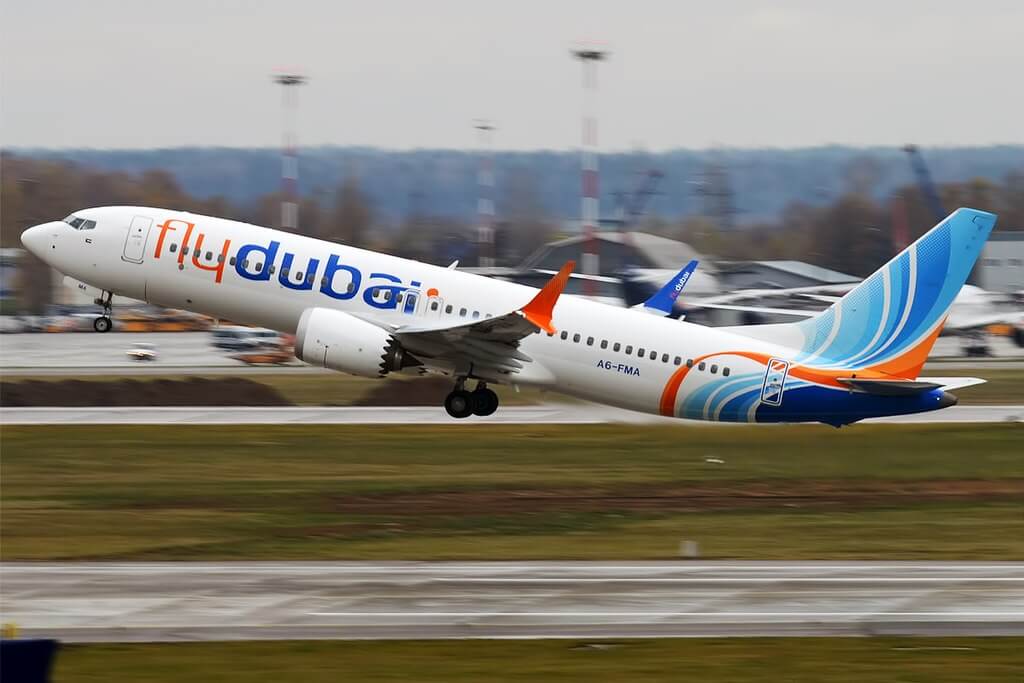
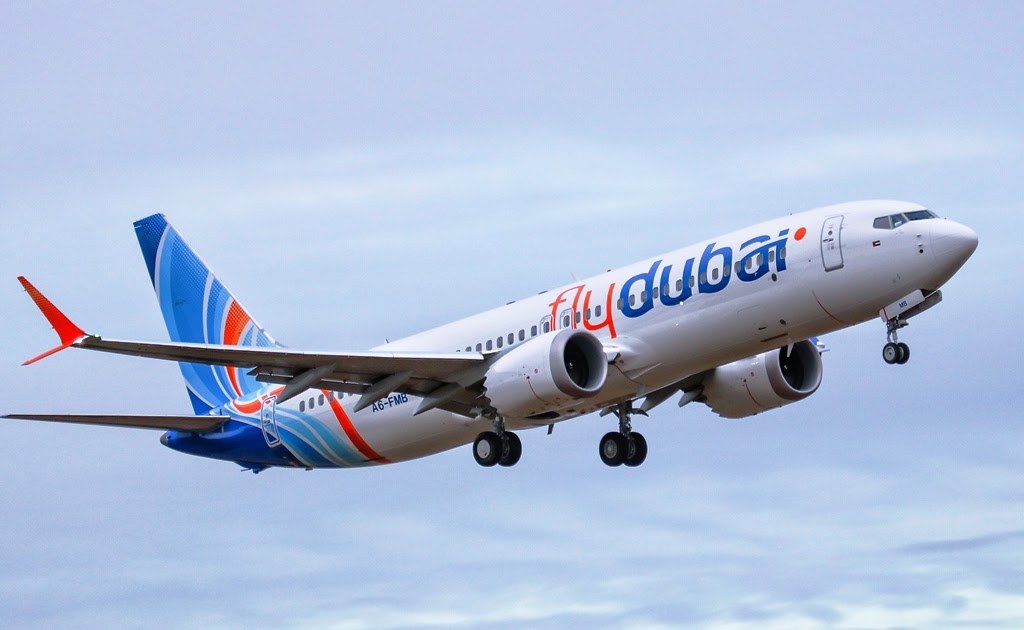
DUBAI — The United Arab Emirates on Saturday formally classified the cockpit attack aboard flydubai flight FZ1073 as an attempted terrorist act, escalating what had begun as a criminal investigation into a multinational probe spanning four regional countries. The announcement came three days after the Dubai-to-Tel Aviv flight was forced into an emergency landing in Saudi Arabia with 182 people aboard, all of whom survived because a badly wounded captain managed to open the cockpit door before he lost consciousness.
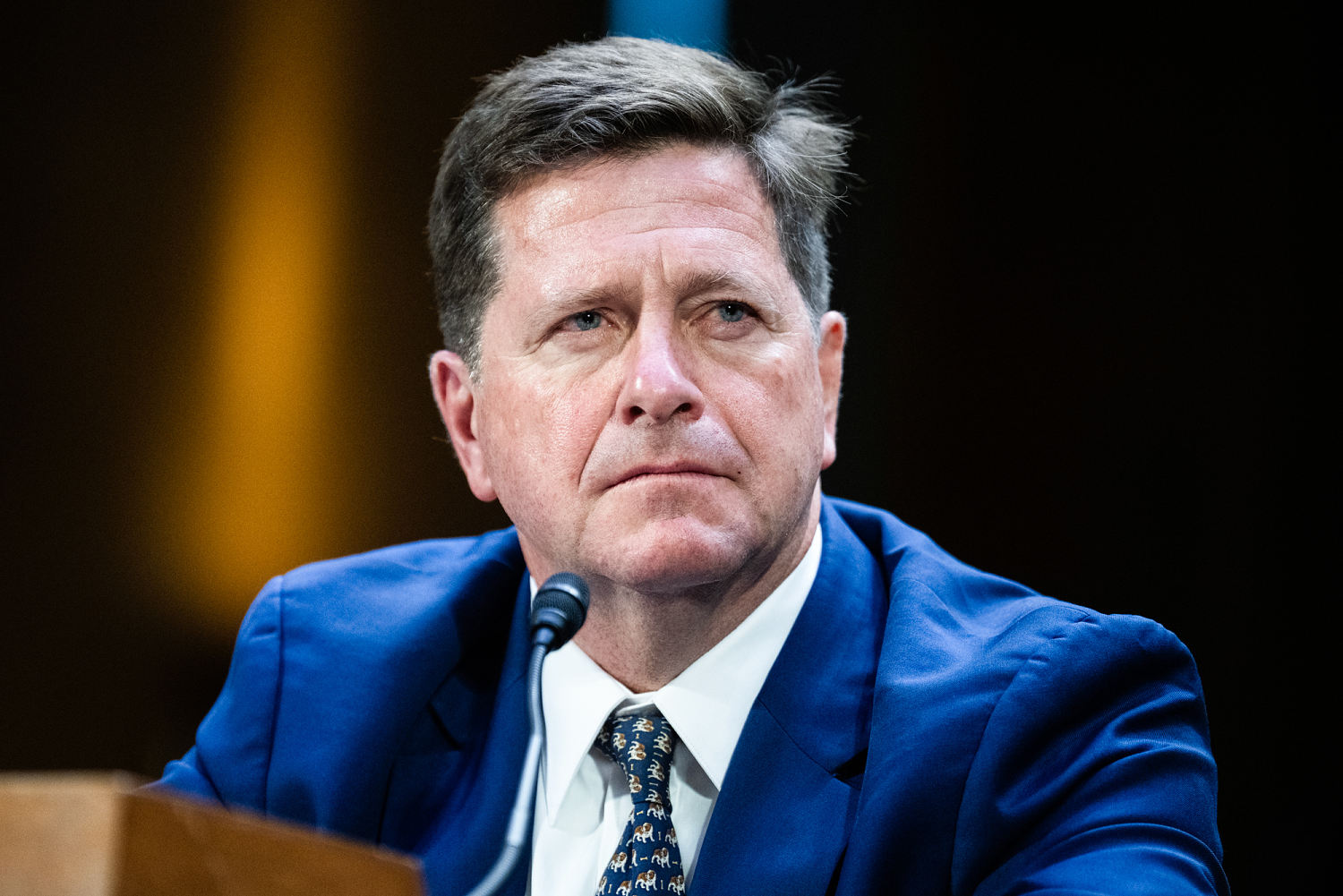
The classification was issued by Attorney-General Hamad Saif Al Shamsi, who said in an official statement that investigators had established that co-pilot Hamam al-Hammami, an Omani national, attacked Captain Smit Machchhar inside the flight deck with the cockpit's crash axe and then attempted to take control of the aircraft's flight controls. The statement marked the clearest official assessment yet of the September 30 incident, which the UAE had initially said it was examining for possible connections to terrorist activity.
According to Al Shamsi, the investigation is continuing to determine the full circumstances, including the co-pilot's motives and any associated links. Technical examinations and analysis of physical and digital evidence are still underway, with final findings to be announced once the investigative process is complete. What is not yet known — motive — remains the central unanswered question of the case.
What happened on FZ1073
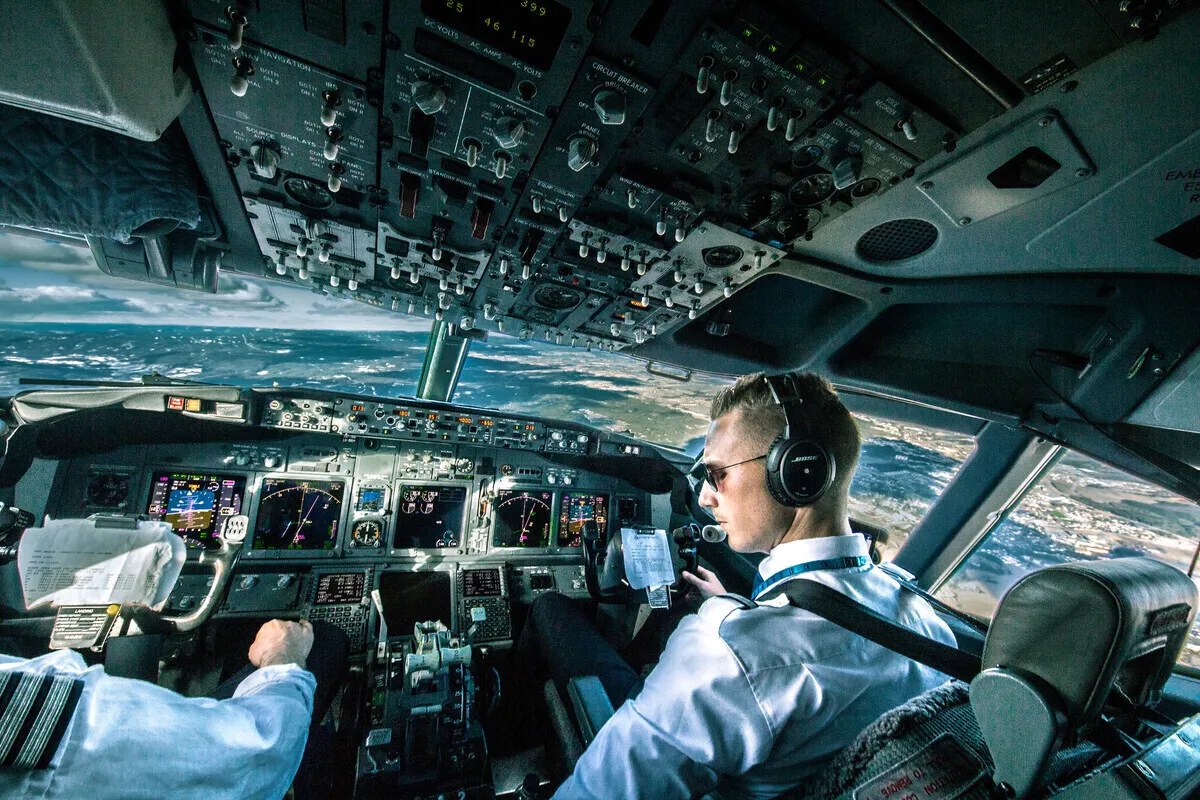
The flight was operating between Dubai and Tel Aviv — a route that has carried mostly Israeli passengers since the two countries normalized relations — when the co-pilot attacked mid-flight. Captain Machchhar, an Indian national, was struck repeatedly with the crash axe, a tool airlines are required to carry in the cockpit for emergencies such as breaking open windows or panels to access a fire. After the attack, the aircraft plunged. Prosecutors say al-Hammami then tried to seize the flight controls.
What happened next is why aviation experts have described the outcome as remarkable. Machchhar, though badly wounded, used what he later described as his remaining energy to unlock the cockpit door. People on board who had noticed alarming sounds rushed in, tackled the co-pilot, and helped stabilize the flight while passengers screamed, according to reporting by The Associated Press. Flydubai has said crew members traveling on the plane helped bring the aircraft under control and land. A reserve pilot subsequently helped steady the jet before it touched down in Tabuk.
The descent was so extreme that part of the aircraft's rudder was torn away, the AP reported — damage that experts say makes the safe landing all the more extraordinary. The passengers, most of them Israeli, were flown home later Wednesday on a separate plane. The captain and the co-pilot were taken to the UAE.
In a phone call with Israeli Prime Minister Benjamin Netanyahu on Saturday, Machchhar described the moments before the attack: the co-pilot had asked to pray, he said, and Machchhar turned away out of respect. A few minutes later, he felt a blow to the back of his head — and then the blows kept coming. Netanyahu told him he was amazed at his courage. "You saved so many souls," he said. "You saved the spirit of the world."
"No tolerance for extremism"
The attorney-general's announcement followed a pointed warning from Dr. Anwar Gargash, the diplomatic adviser to the UAE president, who posted on X on Saturday that the attack was a fresh reminder that the region's confrontation with extremism was far from over. "The region's struggle with extremism persists, and justifying terrorism through hate speech is part of the danger, not its margins," Gargash wrote. "The latest terrorist operation is a new warning that the confrontation has not ended."
Gargash said the incident confirmed the importance of the UAE's long-standing position against extremist ideology and rhetoric: "No tolerance for extremism and no leniency toward its discourse, for security begins with confronting hate and drying up the sources of extremism." He also cautioned against conspiracy theories surrounding the incident, and wrote in the same post that "vigilance and caution remain essential in confronting the risks of extremism and terrorism."
A day earlier, Gargash wrote in praise of Machchhar: "The Indian pilot at flydubai, Smit Machchhar, deserves every bit of appreciation, for he embodied the meaning of courage and responsibility in the face of a dangerous terrorist act and a potential disaster," adding: "His professionalism and moral sense in the darkest of circumstances make him a true hero."
Machchhar has received widespread official praise. Dubai Crown Prince Sheikh Hamdan bin Mohammed bin Rashid Al Maktoum visited him in hospital on Saturday, saying the pilot had demonstrated "the highest degrees of courage, responsibility, and care for human life." The UAE's General Civil Aviation Authority said Friday that Machchhar had returned safely to the UAE, was in good condition, and was receiving medical treatment — and praised the "decisive and swift intervention" of the crew and passengers that helped prevent more serious consequences.
A pilot who had been flagged
The most consequential revelation of the past 24 hours concerns how thoroughly flydubai vetted the man it put in the right-hand seat. According to three people with knowledge of the situation, including a Gulf and a Western diplomat who spoke to the AP on condition of anonymity, al-Hammami had been barred from flying by Oman Air over concerns that he had adopted extremist views, and was moved to an administrative job at the Omani carrier. Neither source provided details about the alleged views.
The co-pilot was later hired by UAE-based flydubai. It is not yet clear how deep the airline's vetting went. One Gulf diplomat told the AP that al-Hammami had undergone standard security checks before being hired, but that the checks appeared to focus on whether he had been convicted of criminal charges — and did not go deeper into his background for potential signs of radicalization.
A regional official told the AP that al-Hammami was born in the UAE and obtained Omani nationality from his father, also an Omani national, and that he had traveled to Syria, offering no details. His Instagram account was active until the day of the flight and then deleted. Separately, Morocco's Royal Air Maroc told the AP that al-Hammami had completed a three-month theoretical training period with the airline in 2025 as part of a pre-employment process, but that his application was not selected for employment.
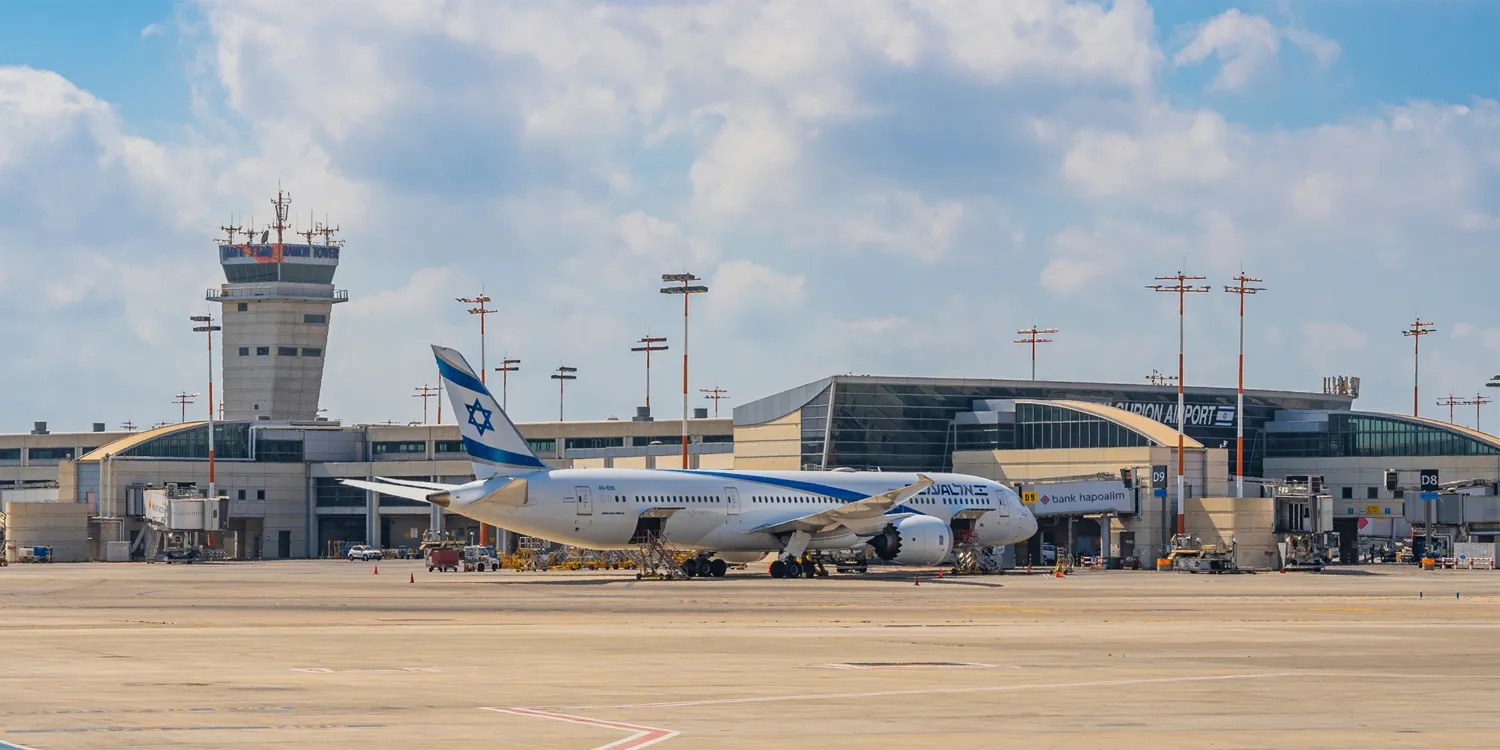
The disclosure raises two uncomfortable questions at once: how the co-pilot passed flydubai's hiring process, and how his presence on a flight filled with Israeli passengers got past Israel's security protocols. Israel has said it has agreements with foreign carriers to keep pilots from nations without diplomatic ties from flying there — and Israel and Oman do not have formal diplomatic relations. A flydubai spokesperson told the AP the airline could not comment beyond its official statements, acknowledging "there are many questions at this stage." Oman Air has not commented, and Oman's government has said nothing publicly.
A widening investigation, an unanswered motive
The AP reports that security agencies from four regional countries are working to establish the co-pilot's motives, aided by the United States and other Western governments. So far, the investigation has not found any connections with militant groups, a Gulf diplomat said — suggesting al-Hammami acted on his own.
Prime Minister Netanyahu said Friday that the co-pilot had undergone "Islamist radicalization," but provided no evidence, and there was no immediate comment from Israel's government on Saturday. The claim remains unverified, and investigators have not announced any finding about motive.
The timing of the attack has drawn attention on its own. The incident occurred a week before the anniversary of the Hamas-led attack of October 7, 2023, that sparked the war in Gaza — and weeks before a highly contentious Israeli election in which security, and the security failures of October 7, have been central issues.
Flydubai has suspended flights to and from Israel while the investigation continues, saying the temporary measure would allow authorities to establish the full facts. Previously reported the initial account of the attack earlier this week; the attorney-general's classification now gives the case its formal legal framing as an attempted terrorist act.

What comes next is procedure: the UAE's specialized investigation team will continue examining physical and digital evidence, and prosecutors will announce final findings when the process is complete. Until then, the case stands as a rare and chilling instance of an attack from inside the cockpit — stopped, in the end, by a wounded captain who kept the door open long enough for help to arrive.
Key facts
Reporting this story is based on
- UAE says FlyDubai co-pilot attacked captain with cockpit's crash ax
The Associated Press (via WAFB) — 2026-10-03 - UAE says FlyDubai co-pilot attacked captain with cockpit's crash ax
The Associated Press (via WVLT) — 2026-10-03 - Anwar Gargash says UAE has 'no tolerance for extremism' as flydubai terror probe unfolds
Gulf Business — 2026-10-03
Incident details, official statements, and background via the Associated Press and Gulf Business, Oct. 3, 2026. Unverified claims have been excluded.