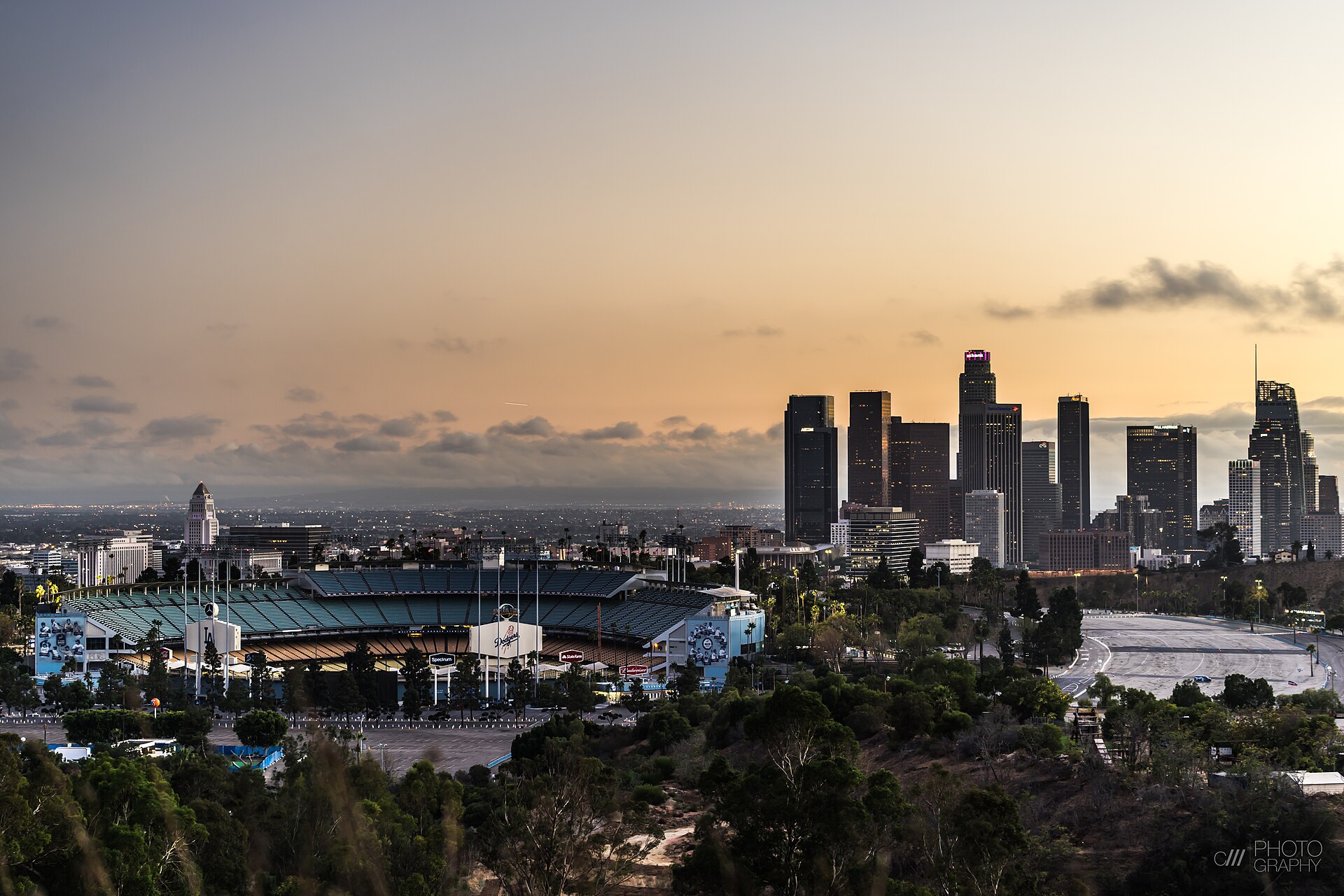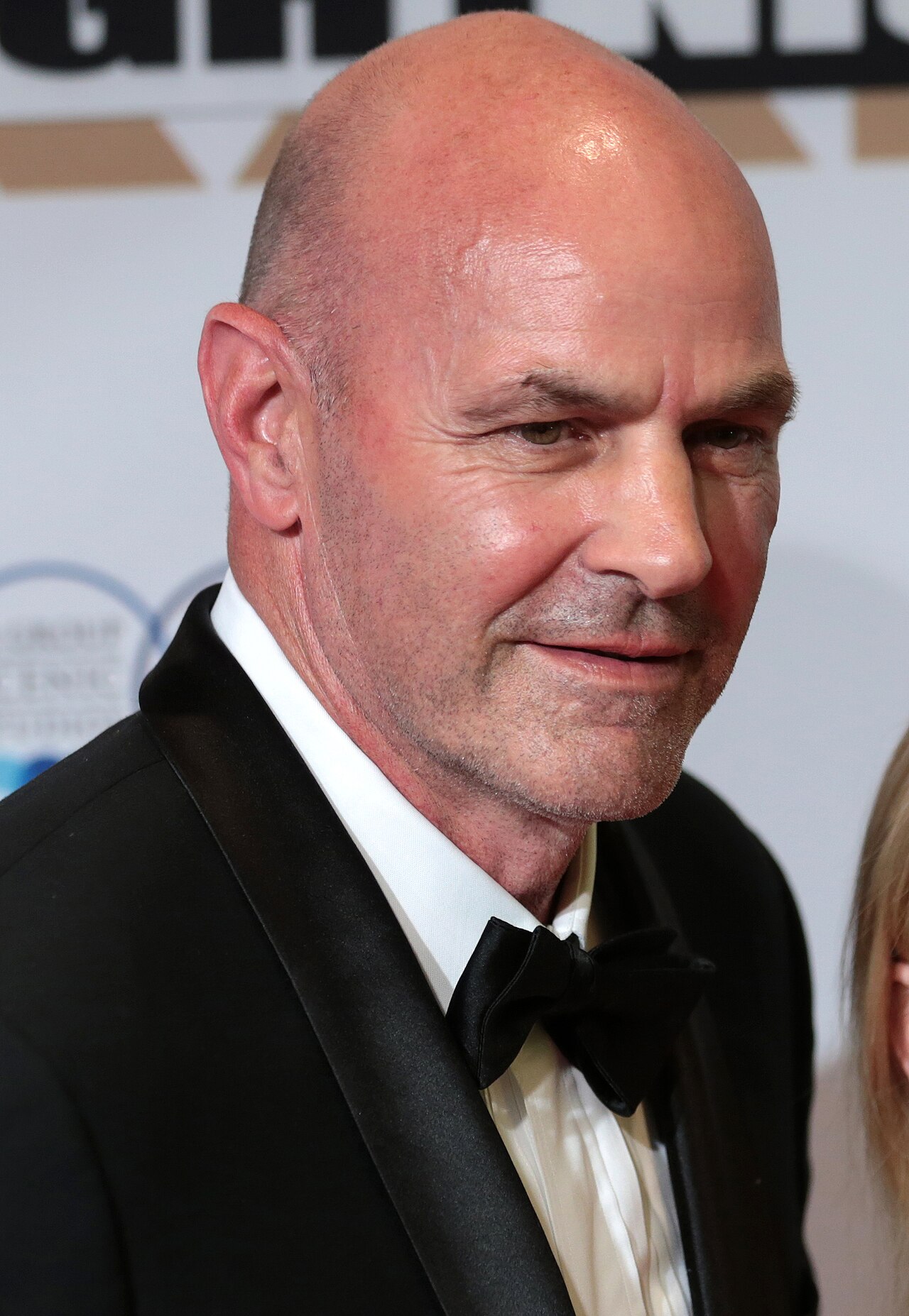
LOS ANGELES — Fred Claire died on the birthday he'd just reached. The former Los Angeles Dodgers general manager who built the improbable 1988 World Series championship team died Monday, Oct. 5 — his 91st birthday. The club announced his passing Tuesday with a social media post, setting off a wave of tributes across baseball on the very day the Dodgers take the field for Game 3 of the National League Division Series in Atlanta.
"The Los Angeles Dodgers mourn the passing at age 91 of Fred Claire, whose three decades with the franchise reached their pinnacle as the general manager of the 1988 World Series Champions," the team posted. "We send our deepest condolences to his wife Sheryl and children Jeff, Jennifer and Kim." The club did not reveal a cause of death, though Claire had been diagnosed with squamous cell carcinoma that began on his lip in 2015, and the Los Angeles Times had chronicled a recurrence and its spread two years later, according to Reuters.
For a franchise that has known its share of towering executives, Claire's was the most unlikely path of all: he arrived not from a dugout or a scouting department but from the press box. Born in Jamestown, Ohio, on Oct. 5, 1935, he moved with his family to Torrance, California, as a teenager and earned a journalism degree from San Jose State University. He spent the late 1950s and 1960s as a sportswriter and editor at Los Angeles County dailies, including the Whittier Daily News and the Pomona Progress-Bulletin, and was covering the Dodgers for the Long Beach Press-Telegram during spring training in Vero Beach, Florida, in the spring of 1969.
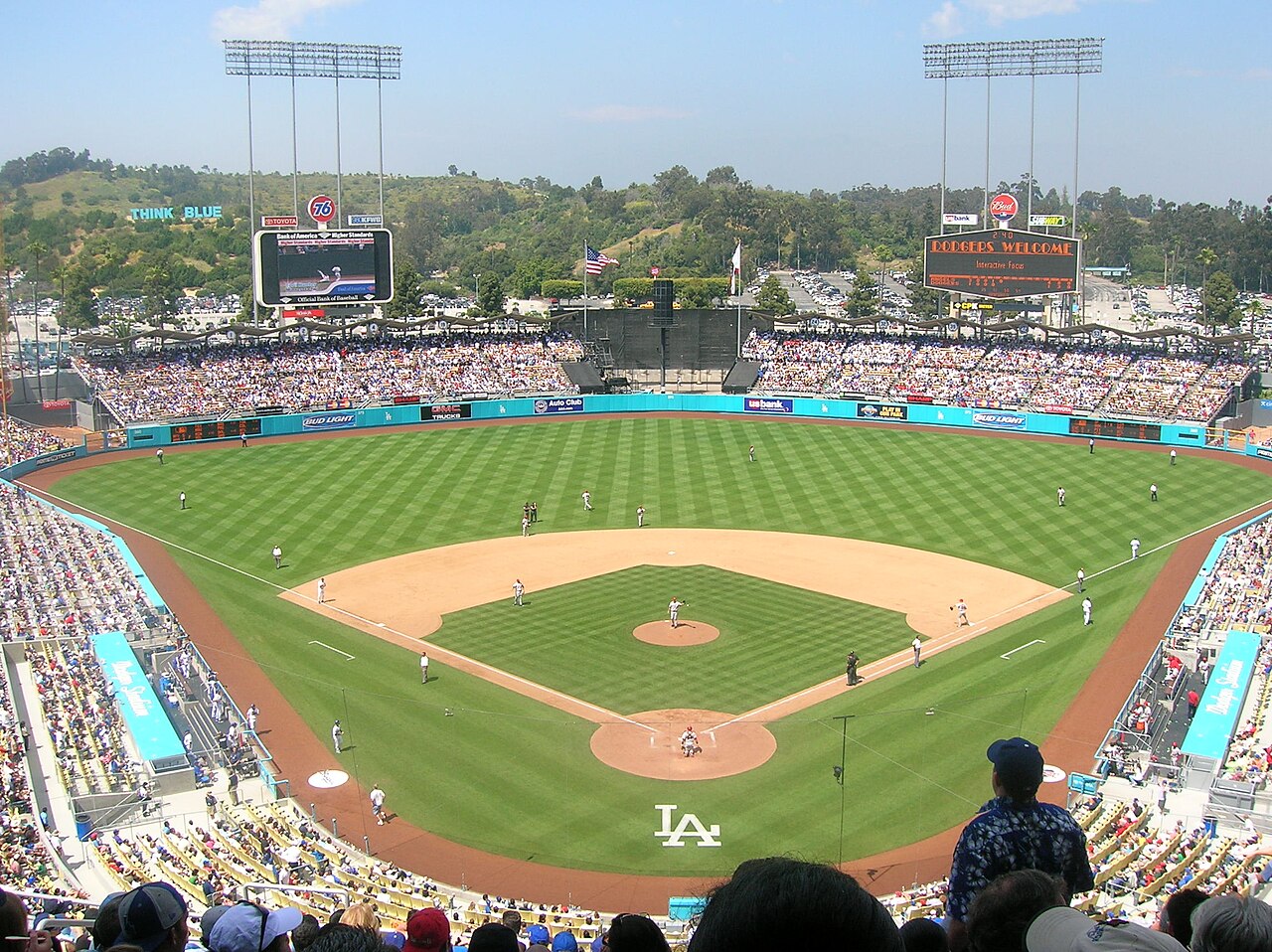
That summer, one of the assistants in the Dodgers' public relations office was fired. Claire applied, got the job that July, and never left the building — rising to vice president of public relations in 1975 when his boss, Red Patterson, departed for the California Angels. As the club's PR chief, Claire was instrumental in creating the branding that came to be known as "Dodger blue" and the "Think Blue" campaign, and he hired broadcaster Ross Porter, who would call Dodgers games from 1977 until 2004. He was at the controls in 1978 when the Dodgers became the first franchise in baseball history to draw more than 3 million fans in a season, and two years before that, during the 1976 Rick Monday flag-rescue incident at Dodger Stadium, Claire had the message board operator type the words Rick Monday......You Made a Great Play across the scoreboard.
The promotion that defined him came in the spring of 1987, and it arrived as a shock to the baseball world. Longtime general manager Al Campanis had accepted an invitation to appear on ABC's Nightline to mark the 40th anniversary of Jackie Robinson breaking the color barrier; when asked why more African-Americans had not become managers or executives, he stated that they "may not have some of the necessities," adding an infamous line about buoyancy. The Dodgers fired him within 48 hours. Dodgers president Peter O'Malley moved Claire — a man with no front-office playing or scouting background — into the general manager's chair. "I knew some people might say, what does this guy know about baseball, he covered it from behind a typewriter?" O'Malley later told the Los Angeles Times. "But I knew Fred could take it. I knew he could do it. And he did it."
What Claire did in his first full offseason as GM became the stuff of Dodger lore. At the winter meetings, he engineered a three-way trade with the Oakland Athletics and New York Mets that netted the Dodgers relievers Jesse Orosco and Jay Howell and shortstop Alfredo Griffin. Then, six weeks later, he signed Kirk Gibson — the fiery free-agent outfielder from the Detroit Tigers, with damaged knees and a legendary intensity. Those moves formed the core of a team that won 94 games, stunned the Mets in the National League Championship Series, and then pulled off one of the great World Series upsets, beating a 104-win Oakland A's team in five games.
The enduring image of that October came in Game 1, when an injured Gibson — barely able to walk, kept on the bench all night — limped out of the dugout to pinch-hit against peerless A's closer Dennis Eckersley and parked a two-out, two-run, ninth-inning home run for a walk-off victory. Legendary announcer Jack Buck said on the call, "I don't believe what I just saw," and the line became one of the most replayed moments in baseball history. The 104-win A's never recovered. Behind ace Orel Hershiser and an itinerant band of role players known in the clubhouse as the Stuntmen, the Dodgers closed out the title in five.
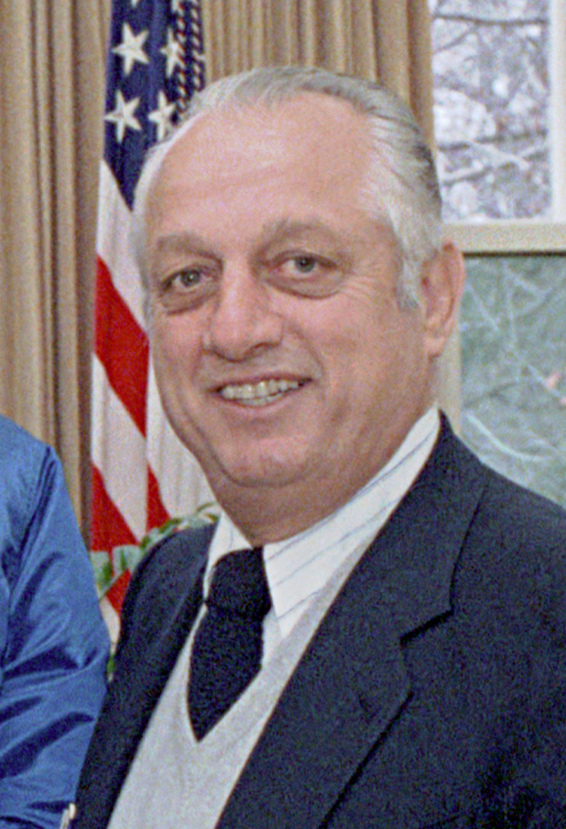
Claire served as general manager for 11 years, through June 21, 1998, and the decade that followed the championship was a study in contrasts. On the development side, the franchise was a machine: the Dodgers produced five consecutive National League rookies of the year from 1992 through 1996 — Eric Karros, Mike Piazza, Raul Mondesi, Hideo Nomo and Todd Hollandsworth, a streak no club has matched. On the transaction side, the misses were loud: the five-year, $20 million deal for Darryl Strawberry in November 1990 collapsed under injuries and personal troubles, and the 1991 trade that brought in childhood friend Eric Davis cost the Dodgers pitchers Tim Belcher and John Wetteland.
The move even Claire would later regret came in 1994, when, needing a second baseman after a contract dispute with Jody Reed, he sent a young Pedro Martínez to the Montreal Expos for Delino DeShields. Martínez became one of the most dominant pitchers of his generation, winning Cy Young Awards in 1997, 1999 and 2000 on his way to the Hall of Fame; DeShields spent three injury-marred years as the Dodgers' second baseman. The end arrived in 1998, after Rupert Murdoch's Fox Group bought the club: in May, new ownership brokered the blockbuster trade of Piazza and Todd Zeile to the Florida Marlins — for Gary Sheffield, Charles Johnson, Jim Eisenreich and Bobby Bonilla — without Claire's involvement, a deal made over his objections. Weeks later, Claire and field manager Bill Russell were dismissed in what baseball called the "Sunday Night Massacre," with Tommy Lasorda named general manager.
The tributes Tuesday carried the weight of a full baseball life. "The Dodgers are grieving the passing of Fred Claire, a longtime key fixture of our organization," said Dodgers president and CEO Stan Kasten in a statement released by the club. "Fred brought many victories and Dodger legends to our franchise, as well as a 1988 World Series title, and we are forever grateful for his leadership during such a memorable era. Our hearts go out to his wife Sheryl and his family." Broadcaster Ross Porter — the man Claire hired nearly 50 years ago — announced Claire's death Monday night in a Facebook post, writing that he had lost a close friend and that the world had lost a good man.
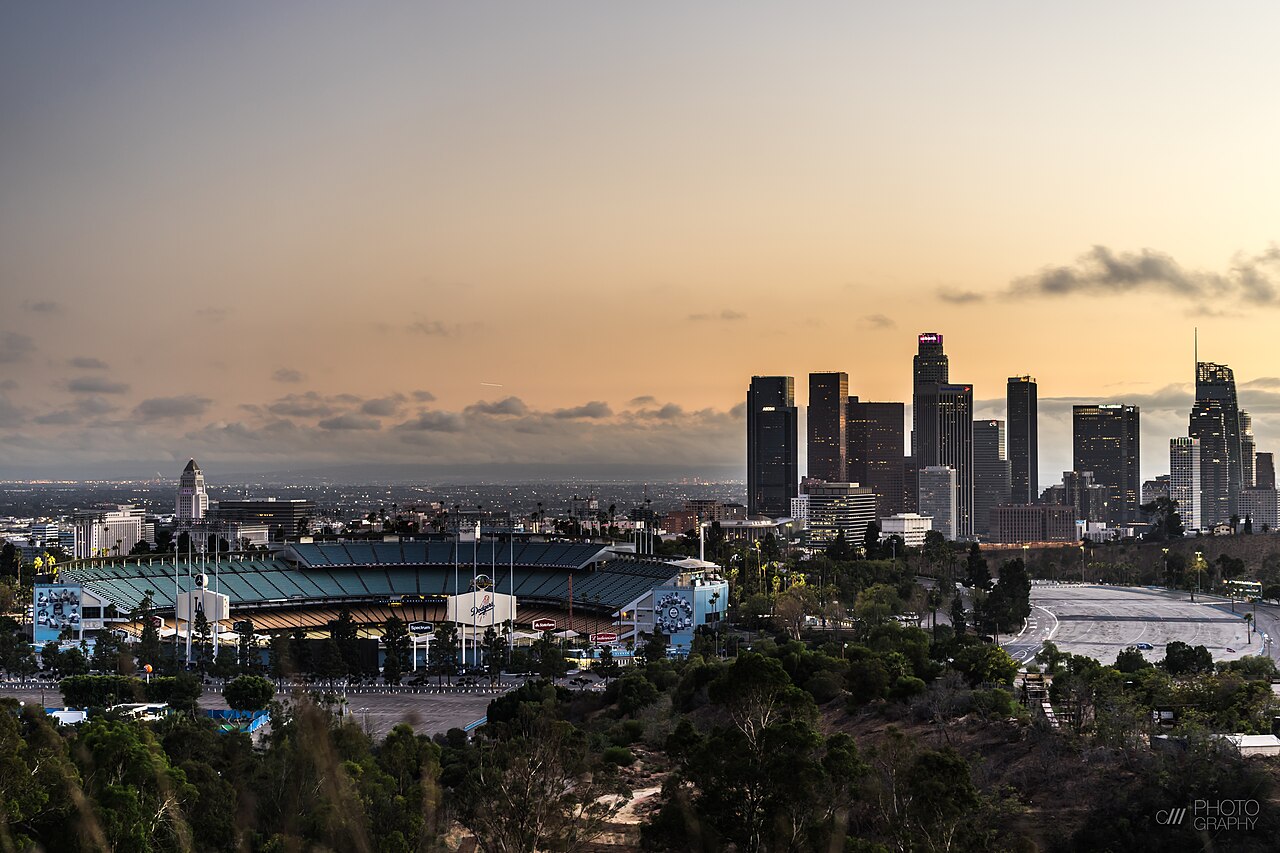
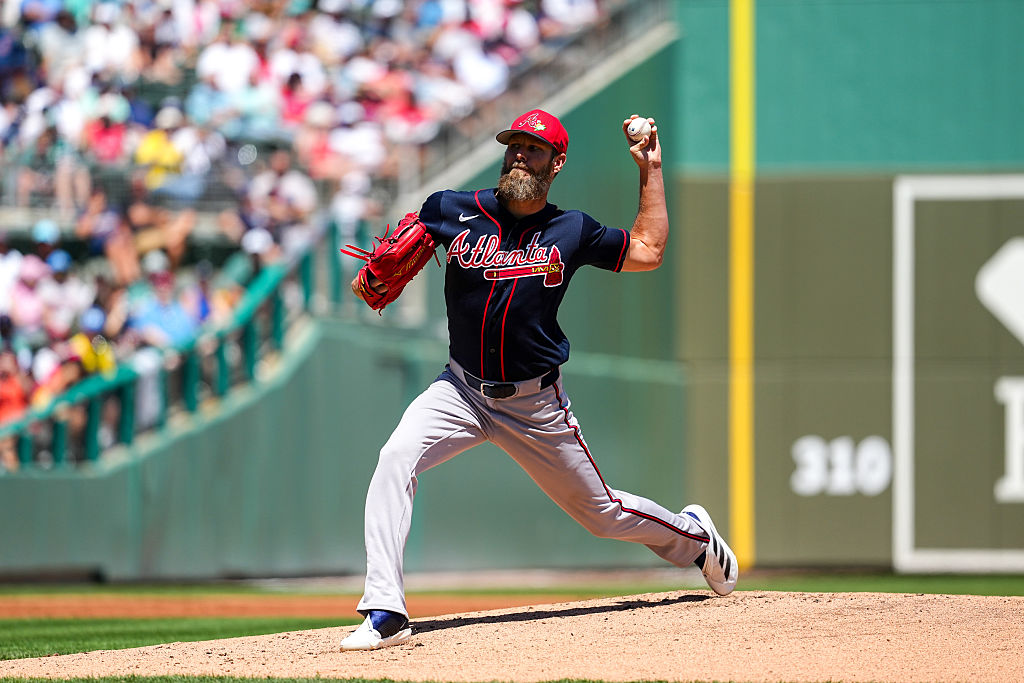
Claire remained a respected baseball mind long after leaving the GM's chair, and later in life he documented his journey through cancer treatments, eventually writing the autobiography "Extra Innings," which detailed both his baseball life and his battle against the disease. It is hard not to read this week's timing as its own kind of symmetry: the Dodgers take the field tonight in Atlanta for Game 3 of the NLDS with the series tied 1-1 — a 3-2 Game 2 loss Sunday evened things up after a 5-3 Game 1 win. Chris Sale starts for the Braves against Yoshinobu Yamamoto at 6 p.m. ET, and a Game 5 on Friday would bring the series back to Dodger Stadium. It is the kind of October night Fred Claire spent a career building toward. See tonight's NLDS Game 3 preview and the full MLB daily roundup for where the postseason stands.
Reporting this story is based on
- Fred Claire, GM of Dodgers' 1988 World Series team, dies at 91
Reuters (Field Level Media) — 2026-10-06 - Fred Claire, Dodgers GM whose Kirk Gibson signing created iconic moment, dies
USA Today — 2026-10-06 - Fred Claire, World Series-winning Dodgers general manager, dies at 91
FOX LA — 2026-10-06 - Fred Claire
Wikipedia (career background) — accessed 2026-10-06