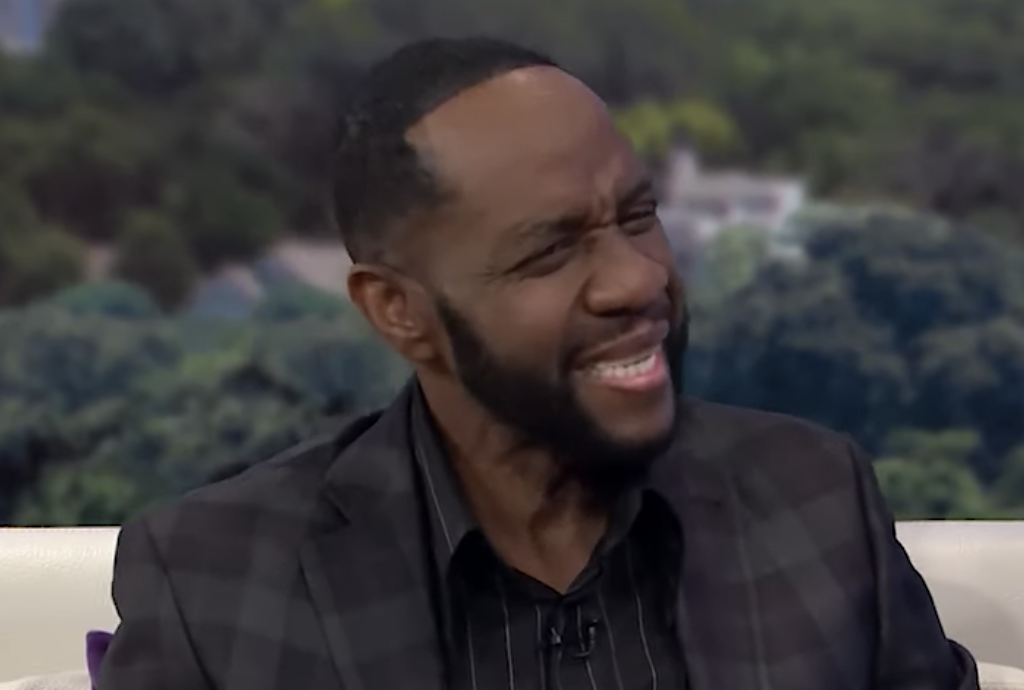
TUESDAY, OCTOBER 6, 2026 — The announcement came in an Instagram caption soundtracked by his own song. "It is with profound sadness and heavy hearts that we share the passing of our beloved Freddie Jackson, who went home to rest last night," the family wrote in Tuesday's post. The smooth baritone who gave the 1980s their slow-dance soundtrack — the man behind "Rock Me Tonight" and "You Are My Lady" — died Monday, four days after his 70th birthday. No cause of death has been released. And somewhere tonight, at a wedding, a cookout, a dim living room with the lights turned low, one of his songs is going to come on and somebody is going to stop what they're doing and say, "Turn that up."
The voice
Let's be precise about what made Freddie Jackson matter, because it wasn't one thing. It was the whole package arriving at exactly the right moment. In the mid-80s, R&B had two poles: the big, acrobatic showmen and the streetwise funk crews. Jackson walked down the middle and owned it — a rich, effortless baritone, gospel-bred phrasing that never showed the seams, and a calm confidence that made romance sound uncomplicated. He didn't oversing. He didn't need to. When he sang "You Are My Lady," it sounded like a promise made by a man in a well-cut suit who had never once been rattled, and an entire generation of men took notes. You can hear his influence in every 90s R&B crooner who learned that less is more — the babyface-era polish, the slow-jam confidence. Some singers chase the note. Jackson just landed on it.
1985: the year he owned
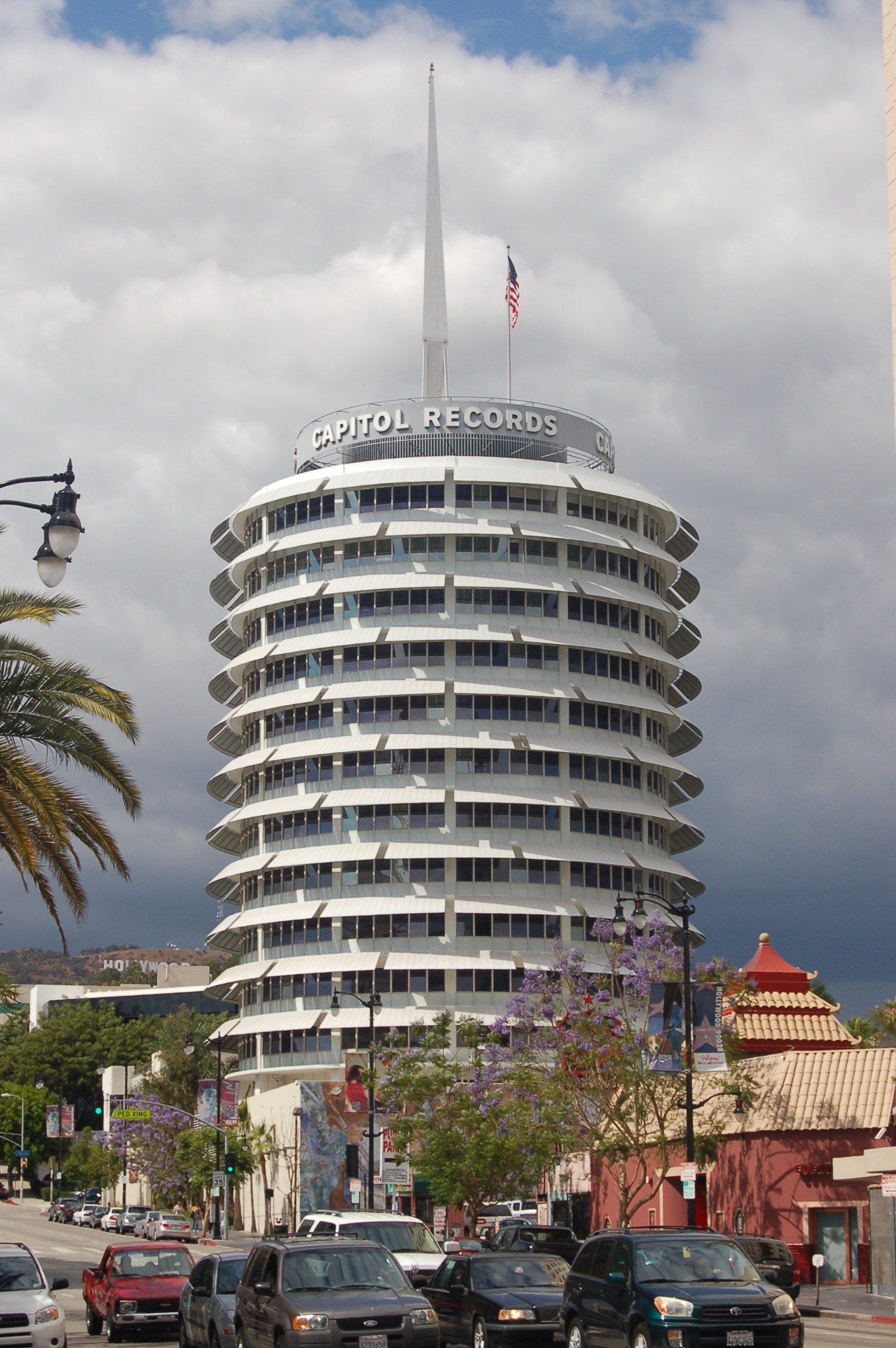
The numbers from that debut year are the kind you don't see anymore. His first album, Rock Me Tonight, arrived on Capitol in 1985, and the title track sat at No. 1 on Billboard's R&B chart — then called the Hot Black Singles chart — for six straight weeks. Six. Then came the follow-up, "You Are My Lady," which also topped the R&B chart and crossed over to No. 13 on the Hot 100. A debut artist with back-to-back R&B chart-toppers and a top-15 pop hit in a single year: that is not a hot start, that's a coronation. The album went on to anchor one of the biggest debuts of the decade, and Jackson became the default voice of the quiet-storm format — the late-night radio sound built for grown folks, which, by 1986, was basically built around him.
The catalog runs deep
This is the part people forget, and it's a shame, because the run of singles is an unusually deep one for any R&B singer of the era. "He'll Never Love You (Like I Do)." "Love Is Just a Touch Away." "A Little Bit More" — the duet with Melba Moore, the woman whose band he used to sing background in, which has its own beautiful full-circle energy. "Have You Ever Loved Somebody." "Jam Tonight." "I Don't Want to Lose Your Love." "Hey Lover." "Nice and Slow." "Crazy (For Me)." And then, when everybody was ready to file him under "80s thing," he opened the 90s with "Do Me Again" — another R&B No. 1, thank you very much. Roughly ten No. 1 R&B singles. A Grammy nomination. A career that refused to be a decade.
He eventually left Capitol, cutting Here It Is and Private Party for other labels before going independent — the classic arc of a great singer outlasting the machinery that made him famous. The machinery fades. The voice doesn't.
Where he sits in the canon
Okay, opinions — because this is where they matter. Freddie Jackson never quite got the Mount Rushmore treatment that Luther Vandross or Teddy Pendergrass got, and honestly that's a market failure, not a talent one. His lane was different: Luther was the virtuoso, Teddy was the swagger. Jackson was the steady one — romance without the drama, devotion without the theatrics. He was the guy you played when the party wound down and the real conversation started. In the quiet-storm canon, that's not a lesser role; it's the anchor. The format itself — Smokey Robinson coined the phrase, but Freddie Jackson kept the lights on through the 80s and 90s — runs on exactly the feeling he perfected: grown, warm, unbothered. Every slow jam that made a wedding playlist for the next forty years owes him a royalty of gratitude. If your parents slow-danced to "You Are My Lady," you already know. If they didn't, go ask them about it. They'll get a look.
The road to Capitol
The backstory is pure New York music lore. Jackson got his start singing in church and working the New York club scene, then made the classic move west to California, where he sang lead for the funk band Mystic Merlin. That chapter taught him how to front a band; the next one taught him how to support one. Back in New York, he sang background for Melba Moore — one of the great voices of the era — and in the nightclub circuit he reconnected with his old friend Paul Laurence, the producer and songwriter. Their demo tapes landed at Capitol Records, and the rest is in the chart books. It's the kind of story that sounds simple in retrospect: talent meets opportunity. But listen to "Rock Me Tonight" once and you hear how many years of church pews, funk bands, and background gigs are folded into that ease. Nobody sounds that relaxed by accident.
The final years
Jackson's family kept details private, but last year he opened up about a serious health battle: he revealed a kidney disease diagnosis in 2024 and partnered with the National Kidney Foundation to raise awareness, People reported. His final album, My First Love, arrived in 2023 — a title that reads, now, like a man telling you exactly where his heart had been all along. "For decades he gave us the songs that became the soundtrack to our love stories, our celebrations, and our most treasured memories," his family wrote in Tuesday's announcement. "That gift will live on forever."
They asked for prayers for his loved ones and said arrangements — and ways to honor his legacy — will be shared later. For now, the honor is obvious. Put on "You Are My Lady." Find somebody you love. Slow dance. That's the whole eulogy, and Freddie Jackson wrote it himself, forty years ago.
More from the music desk: Anderson .Paak and Cordae link up on "Heavy Is the Crown" — and Anthony Anderson hosts the 2026 Soul Train Awards, where Jackson's era gets its flowers every year.