
PHOENIX
Before you make lunch today, open the refrigerator and read a few labels. Kayem Foods Inc. is recalling 1,584,361 pounds of ready-to-eat meat and poultry products — about 1.58 million pounds — because they may have been stored at improper temperatures, the U.S. Department of Agriculture's Food Safety and Inspection Service, known as FSIS, announced on Oct. 17. The recall reaches retail and foodservice locations nationwide, which is why Arizona shoppers are being asked to check, and it also includes shipments to Hong Kong.
This is a check-your-fridge recall, not a check-the-headlines one. FSIS is concerned that some of the recalled product may still be sitting in consumers' refrigerators, weeks after it was produced and sold. No confirmed illnesses have been reported in connection with the recall — that is the good news, stated plainly at the top — but the agency's instruction is equally plain: if you have a recalled product, do not eat it. Throw it away or return it to the place of purchase.
How the problem was found
The recall began, as many of the important ones do, with a single complaint that someone took seriously. On Oct. 1, a retail customer complained about warm product temperatures at delivery, FSIS said. The company investigated and determined that various ready-to-eat meat and poultry products had been stored in a warehouse cooler that had experienced temperature deviations — what the recall notice calls "temperature abuse" during storage. In plain English: food that is supposed to stay cold spent time in a cooler that did not reliably stay cold enough, and once that happens, you cannot tell by looking at a hot dog or a slice of deli ham whether it is still safe. That is why the response is a recall of everything that passed through the affected storage, rather than advice to sniff, taste or cook your way around the problem. Do not taste a recalled product to check it.
The production window is long. The recalled products were produced from approximately March 31 through Oct. 7, 2026 — more than six months of production. They were shipped to retail and foodservice locations across the United States and to Hong Kong. Foodservice matters for Arizona readers, too: a recalled product does not only arrive in a grocery store package with a brand you recognize. It can also arrive already sliced, portioned or served by a deli, a restaurant or an institution that bought it wholesale, which is one reason FSIS publishes recall notices for businesses as well as for shoppers.
What Arizona shoppers should look for
Start with the brand, then confirm with the number. Products in the recall were sold under nine brand names: Kayem, Genoa, Al Fresco, Triple M, McKenzie Country Classics, Deutschmacher, Jordan's, Essem and Winnisimmet. A familiar name on the package is a reason to look closer, not by itself proof that your package is recalled — and an unfamiliar name is not a reason to skip the check if the product type matches. The confirming detail is the establishment number inside the USDA mark of inspection on the package. Recalled products bear one of these three: EST. M/P 7839, EST. P 20935A, or EST. M 9520. Find the round USDA mark, read the small number inside it, and compare.
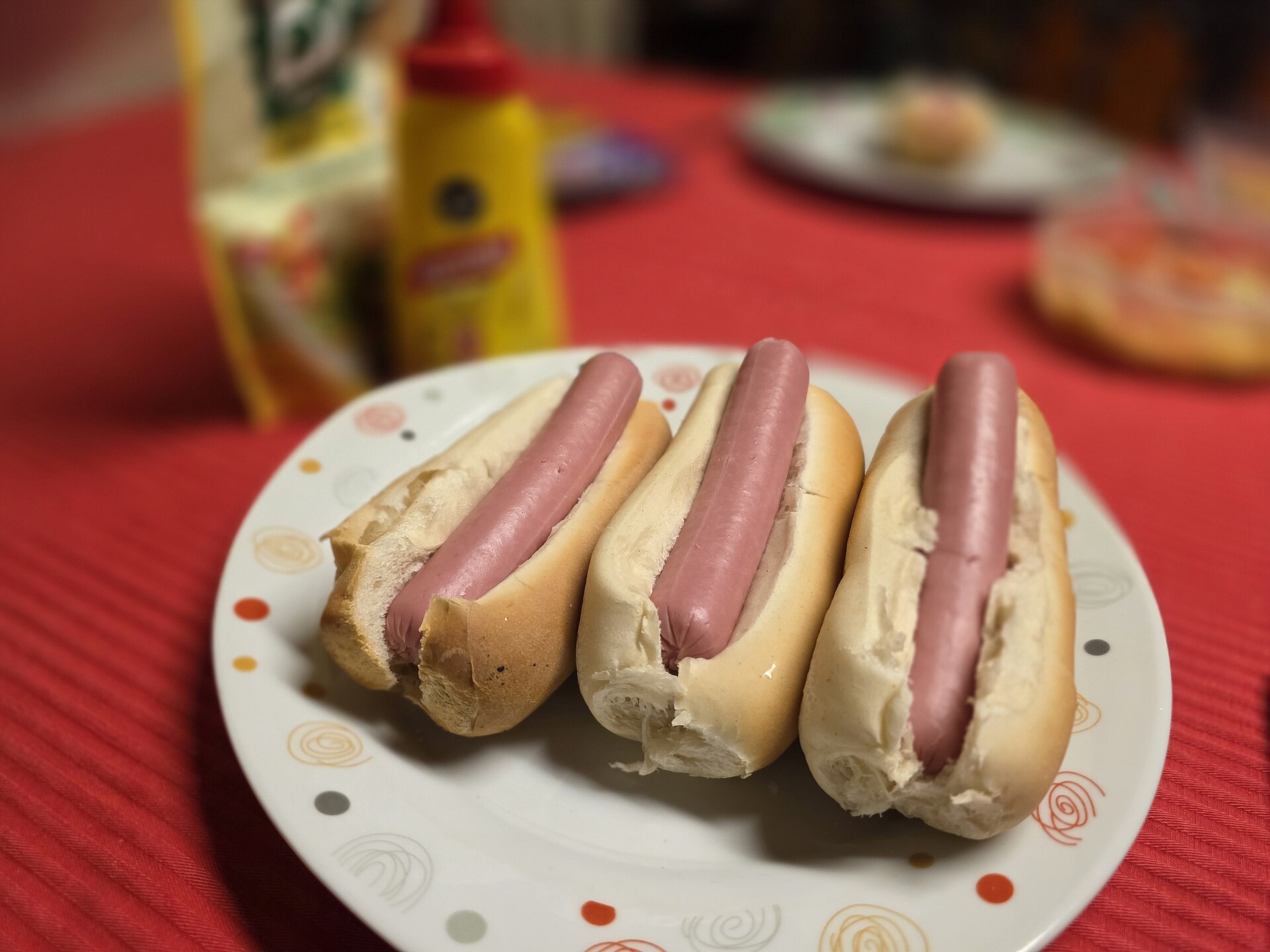
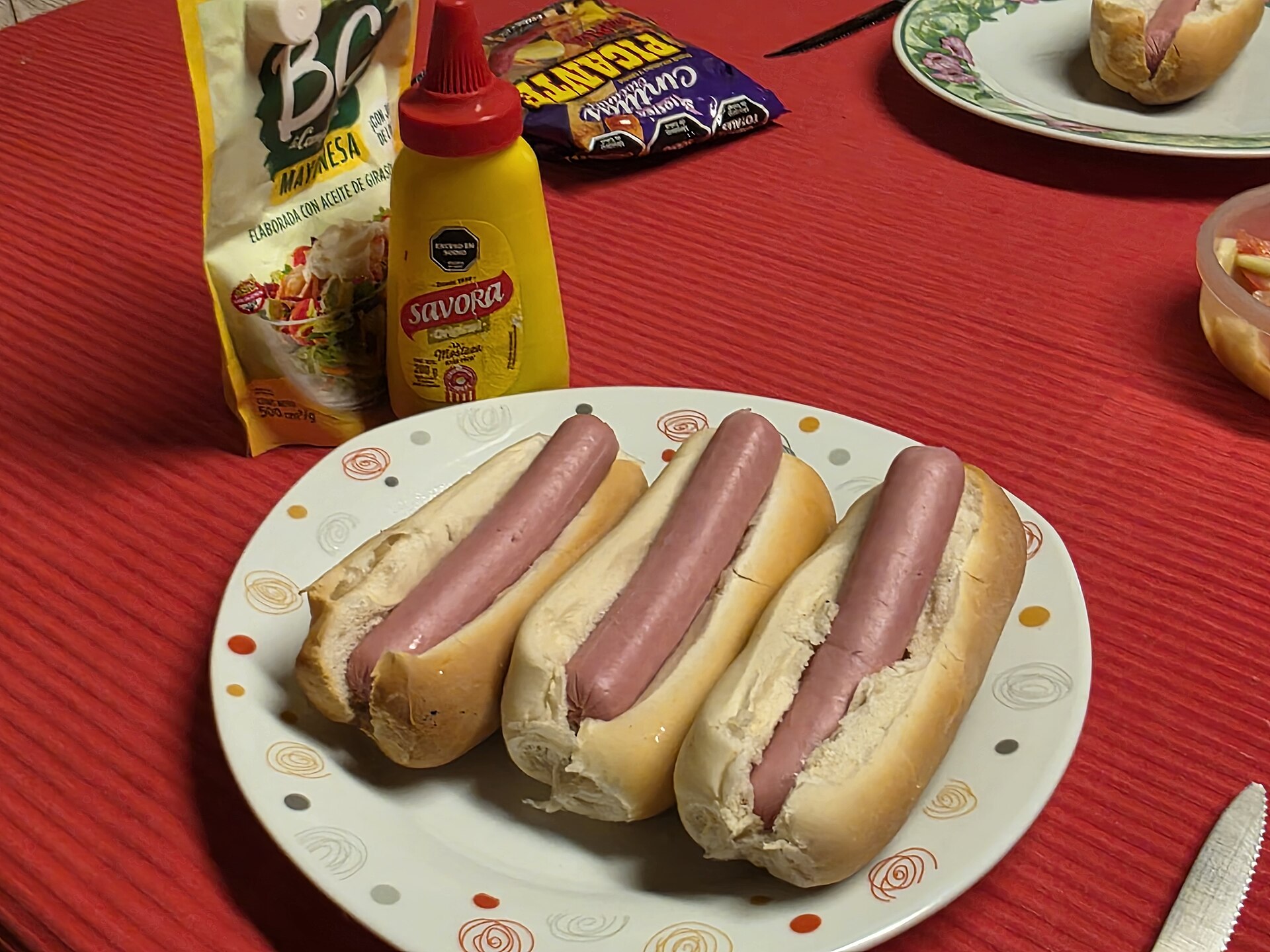
The product list is broad because Kayem makes a broad range of ready-to-eat meats. It includes hot dogs, bacon, bratwurst, cocktail franks, kielbasa, brisket and ham steaks; deli ham, deli turkey, bologna, corned beef and liverwurst; flavored chicken sausage; meatballs; and oven-roasted turkey breasts. In an Arizona fridge, the most likely places to look are the deli drawer, the meat drawer, and the freezer — recalls like this one often surface a package bought weeks ago and frozen for later. Check frozen packages too, with the same brand-and-establishment-number method. If a package matches the recall — brand, product and establishment number — do not open it to investigate further. Discard it or return it to the place of purchase, as FSIS directs.
For more consumer and Southwest coverage, see the Previously news front.
Why FSIS treats temperature abuse as its most serious kind of recall
FSIS classified this recall at its highest level — Class I — according to reporting by Allrecipes and Fast Company. A Class I classification means there is a reasonable probability that eating or being exposed to the product could cause serious adverse health consequences. That classification describes the risk the agency is guarding against, not a count of harm that has happened: again, FSIS reported no confirmed illnesses linked to these products at the time of the announcement. Both facts belong in the same paragraph, because together they explain the logic of a big recall. The agency acts on probability and exposure — more than 1.5 million pounds, stored too warm, distributed nationwide — before illnesses are confirmed, not after.
The food-safety basics behind that logic are worth restating, because they apply to every product in your fridge, recalled or not. FoodSafety.gov guidance, cited by the Arizona Republic in its recall coverage, says perishable food should never be left out of refrigeration for more than two hours. A refrigerator should be set at 40 degrees Fahrenheit or below, and a freezer at 0 degrees. Bacteria that cause foodborne illness multiply fastest in the range between 40 and 140 degrees — sometimes called the danger zone — which is exactly the range a malfunctioning warehouse cooler can drift into, and exactly why "temperature abuse" is treated as a safety problem even when the food looks and smells normal. A fridge thermometer, which costs a few dollars at any Phoenix-area grocery or kitchen store, is the simplest way to know your own cold storage is doing its job.
Questions, and what to do if you already ate a recalled product
Consumers with questions about the recall can contact Kayem Foods customer service at 800-426-6100 or by email at info@kayem.com, according to Fast Company's reporting of the recall notice. If you are concerned about an illness — your own or a family member's — FSIS's standing advice is to contact a healthcare provider. Do not wait for a recall update to seek care if someone is ill; that advice stands whether or not an illness is ever officially linked to this recall.
For Arizona shoppers, the Monday-morning checklist is short enough to do before the coffee finishes. One: scan the fridge, deli drawer and freezer for the nine brands listed above. Two: for any match, find the USDA mark and read the establishment number — 7839, 20935A or 9520 are the numbers that matter. Three: if it matches, do not eat it — throw it away or take it back to where you bought it. Four: wipe the shelf or drawer the package sat on, as you would after removing any questionable perishable. That is the whole job. A recall of 1,584,361 pounds sounds abstract until it becomes four small numbers inside a round mark on a package in your own kitchen — and for Arizona households, that package check, done today, is the part of this national story that is actually yours to finish.
Sources
- USDA Food Safety and Inspection Service (FSIS) — Kayem Foods recall announcement, Oct. 17, 2026
- Arizona Republic / AZCentral — 1.5M pounds of meat recalled. What Arizona shoppers should look for
- USA Today — Over 1.5M pounds of meat, poultry recalled
- FoodSafety.gov — Refrigeration and temperature guidance, via AZCentral