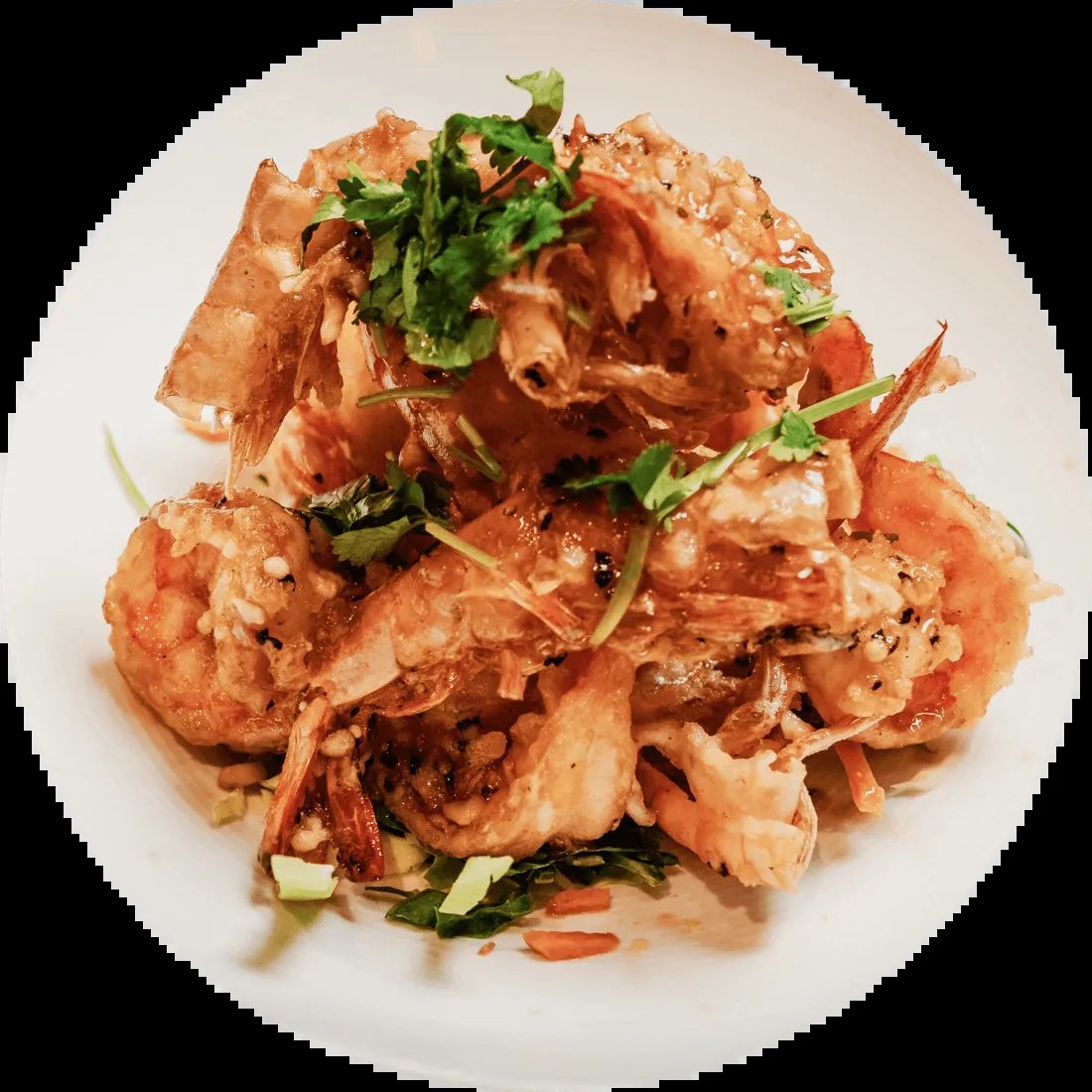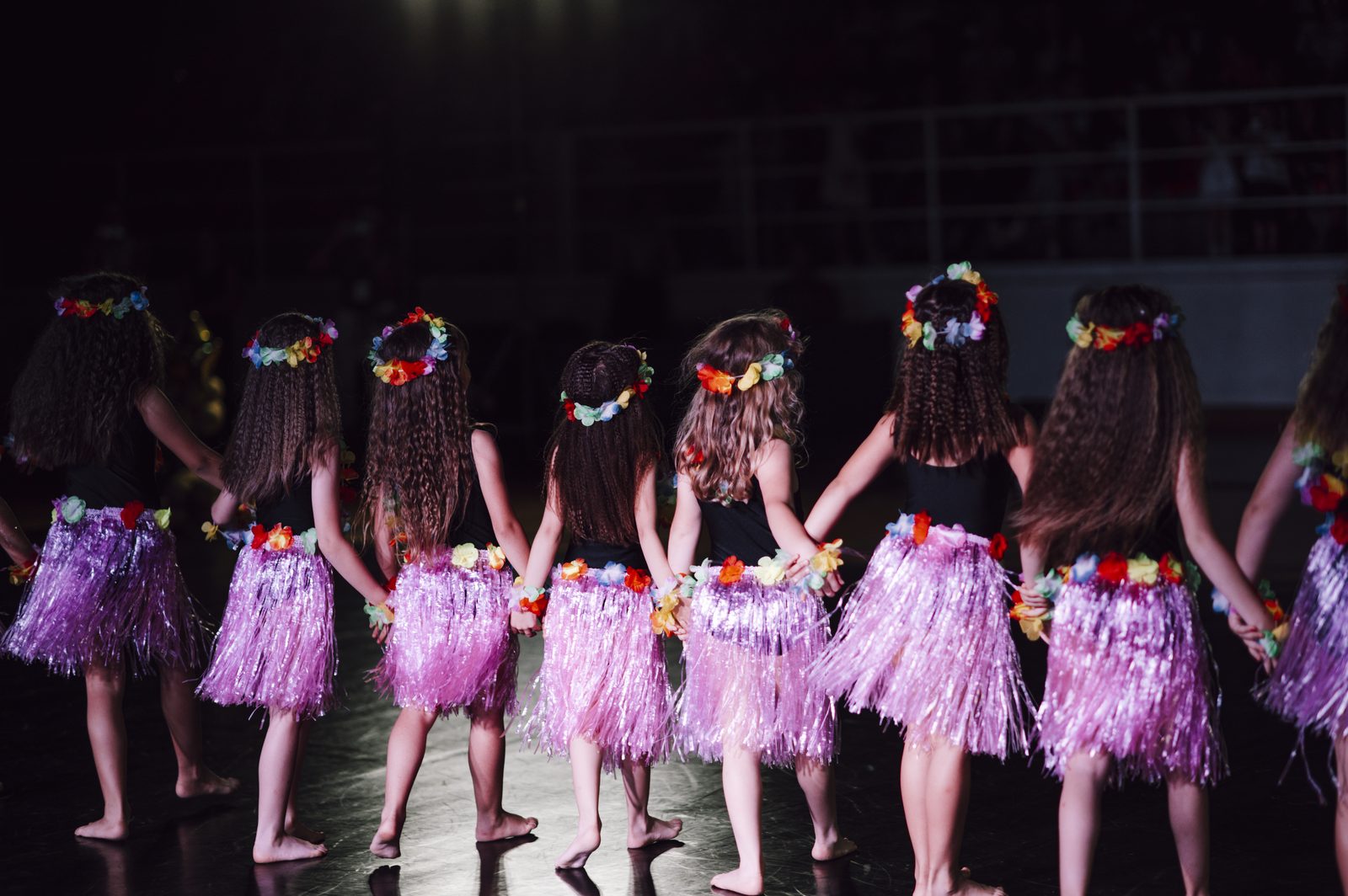
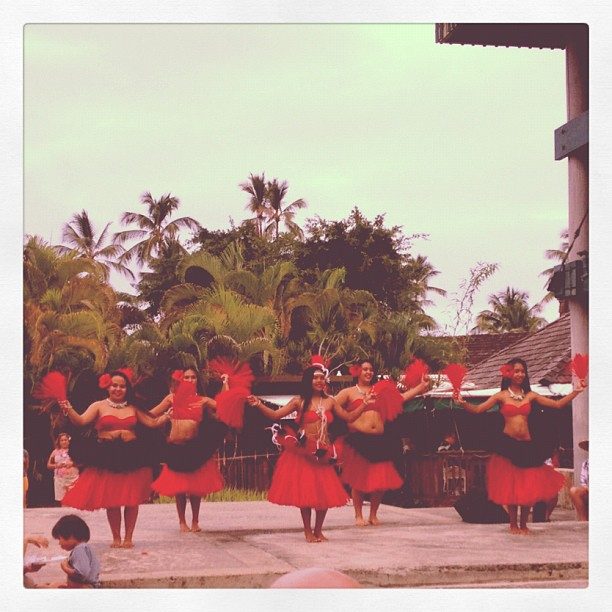
LAS VEGAS — On a grass mat in front of a DJ booth, hula dancers sway to the gentle tones of traditional island music. By the food trucks, the scent of garlic shrimp hangs in the air. At communal tables under a tent, tattooed men and women talk softly in the inimitable lilt of Hawaiian pidgin.
It’s a Saturday evening on the west side of Las Vegas, and a parking lot in the middle of the Mojave Desert has transformed into a tropical wonderland. This is the Killah Kine Night Market (pronounced kyne), a monthly gathering of local Hawaiian-owned businesses and the people who support them. It’s the opening scene of a CNN Travel feature published this week on why Las Vegas has become known as Hawaii’s "Ninth Island" — and it is a pitch-perfect picture of a community this city should be prouder of.
For the market’s organizer, Terann Enriques, that nickname is a badge of honor. More than five years after she moved some 2,500 miles to Las Vegas from her native Oahu, the desert is starting to feel like home. "You come to these markets, you see people that look like you and talk like you and it makes you kind of relax and feel like, ‘These are my people,’" she told CNN. "Those good vibes and sense of family is special. It makes you feel like you’re back on the island."
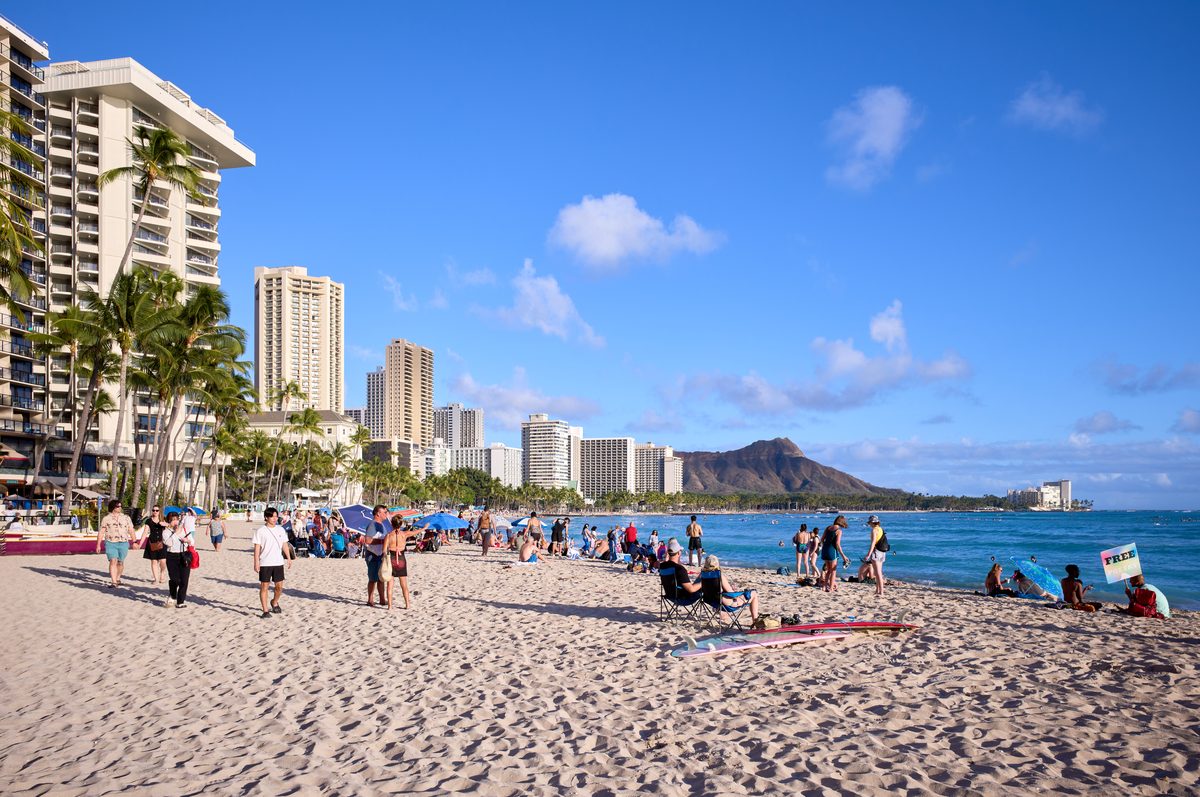
The scale of the community is what turns a nickname into a fact. Clark County consistently ranks among the top metropolitan areas on the U.S. mainland for Native Hawaiian and Pacific Islander populations, and recent census data indicates roughly 50,000 people in the area identify as at least part Native Hawaiian or Pacific Islander. So many Hawaiians have relocated to Las Vegas that the transplants themselves coined the term: the Ninth Island, a metaphoric addition to the eight-island archipelago that makes up the 50th state.
And none of it happened by accident. A half-century ago, casino owner Sam Boyd took a calculated risk: in 1975 he opened the $10 million California Hotel & Casino downtown aiming at Southern California visitors — and when SoCal guests preferred the Strip, he pivoted hard and marketed "The Cal" directly to Hawaiians. His team made sales trips to the islands, sold all-inclusive package vacations — some priced as low as $9.70 a person — and, crucially, made Hawaiian guests feel genuinely welcome: food from home, dealers in Hawaiian shirts, details nobody else in Vegas was bothering with. "Nobody else in Vegas to that point had made this kind of effort to reach out to Hawaiian guests," UNLV historian David Schwartz told CNN.
The effort compounded. Today the Cal’s giant exterior murals depict tropical scenes, an ice cream outlet scoops Lappert’s from Kauai, and the Market Street Café serves Hawaiian-style oxtail soup. Boyd Gaming’s most recent annual report says patrons from Hawaii comprised roughly 75% of the Cal’s occupied room nights — plus 45% at Main Street Station and 37% at the Fremont. Some of those guests are "legacies": families who came as kids, then brought their own kids, and eventually just stayed.
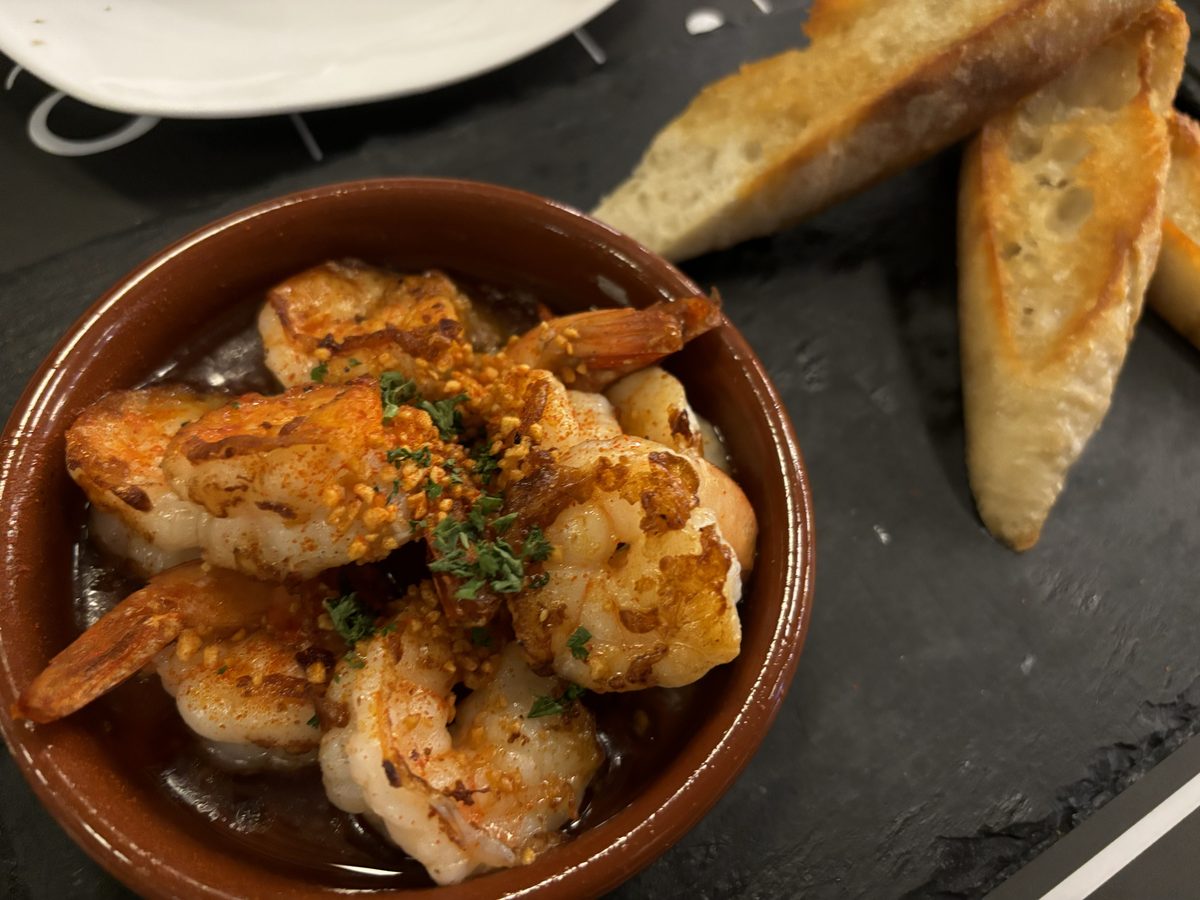
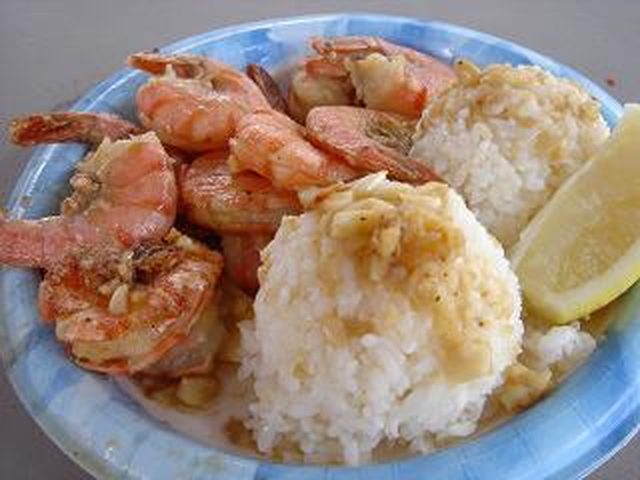
Staying meant bringing the food. Hawaiian food trucks are now, per the CNN feature, among the best places to eat in the Valley: Island Kryptonite serves teriyaki burgers and poke nachos alongside a traditional plate lunch — rice, macaroni salad, fall-off-the-bone Kalbi short ribs — with lines 20 to 30 people deep at street festivals. Hapahaoles does street tacos, Fork U makes a katsu chicken-and-macaroni-salad sandwich, and Enriques’ own Killah Kine Shrimp truck sells garlic shrimp, a North Shore of Oahu staple she says nobody else in town was doing. (If garlic shrimp is your thing, you’ll want our Vegas food coverage too — different cuisine, same obsession with getting it right.)
Then there’s Antidote, which started as a food truck and now runs a brick-and-mortar restaurant southwest of the Strip — garlic chicken, spicy salmon poke bombs, a proper Loco Moco — and Matt Pichay, a.k.a. the Manapua Pork Hash Man, who takes orders through Facebook and has customers pick up steamed barbecue pork buns and pork hash from a residence in Southwest Vegas. Chef Roy Ellamar, who grew up in Hilo and opened Harvest at the Bellagio in 2015, told CNN he’s excited to see Vegas chefs showcasing the flavors he grew up on: it used to be that the only way to get many of these dishes was to fly to Hawaii.
Why do they stay? The reasons are practical: groceries and gas cost far more in Hawaii, metro Las Vegas has about 1.2 million non-farm jobs — nearly double the entire state of Hawaii, per the Bureau of Labor Statistics — and Nevada has zero state individual income tax while Hawaii’s top rate reaches 11%. Realtor Randy Hatada of Xpand Realty, who specializes in helping Hawaiians buy in Las Vegas, told CNN that Hawaiians have been getting priced out of paradise for years: in Vegas, they have a shot at becoming homeowners, something many could never do on Maui or Oahu. (For more on what October looks like across town, see our Las Vegas October guide and October dining debuts.)
Once they’re here, the community work begins. The Las Vegas Hawaiian Civic Club, a nonprofit cultural organization, anchors Ninth Islanders with monthly meetups at Hawaiian-owned businesses, community workshops, annual festivals, and a golf tournament. "All of us who came here from Hawaii are one big family," club president Kalani Heu told CNN — and the club’s 120 members are just the organized core of something much bigger.
The independent festivals are where the whole thing becomes visible. The Killah Kine Night Market runs at least monthly — the organizers’ own social posts have advertised editions at Cornerstone Park and a spring festival at Silverton Casino with 100+ vendors — while the annual Flavors of Aloha Festival lands in May at Craig Ranch Park in North Las Vegas, and September’s Village Festival in the parking lot outside the Orleans drew more than 150 vendors and 10,000 people over eight hours this year.
Culture runs deeper than festivals, too. Hālau — hula schools — operate across the valley; one instructor started hers in 2022 after moving from Oahu in 2020, teaching kids, teens, and adults on Sunday and Monday nights. Young people can learn hula in an afterschool program at Vegas Vista Academy, a charter elementary school on the north side, which added a Hawaiian language component in 2025 as part of an effort to keep the indigenous language alive. And at the Downtown Container Park, the monthly Island Ohana Night pairs food trucks and vendors with island reggae from local band ST1 — a reminder, as the band’s singer put it, that celebrating Pacific culture in Las Vegas keeps it alive.
Visitors can tap into it all: the Golden Tiki’s stiff drinks and animatronic creatures, Frankie’s Tiki Room’s palapa-dive charm, Glitter Gulch Tiki downtown, and a new Grand Tiki slated for Harmon Avenue behind Planet Hollywood. But the real story isn’t the tiki bars. It’s the parking lot on a Saturday night, the garlic shrimp, the pidgin at the communal tables — 50,000 people who brought an island with them and planted it in the desert. The Ninth Island isn’t a marketing slogan. It’s a neighborhood.
Key facts
Reporting this story is based on
- CNN Travel
CNN Travel — "Why this landlocked city is known as Hawaii’s ‘Ninth Island’" (Oct. 6, 2026) — market scene, community figures, history, food scene, cultural organizations - Killah Kine Shrimp (TikTok)
The market organizers’ own social posts — independent confirmation that the Killah Kine Mākeke runs monthly in Las Vegas (e.g., Cornerstone Park editions) with food trucks, local vendors, DJs, and live hula performances
Market scene, community statistics, history, food businesses, and cultural organizations verified against CNN Travel’s Oct. 6 feature. The market’s existence and monthly cadence independently confirmed via the organizers’ own social channels. Census figures are as cited in the CNN feature and were not independently re-verified.