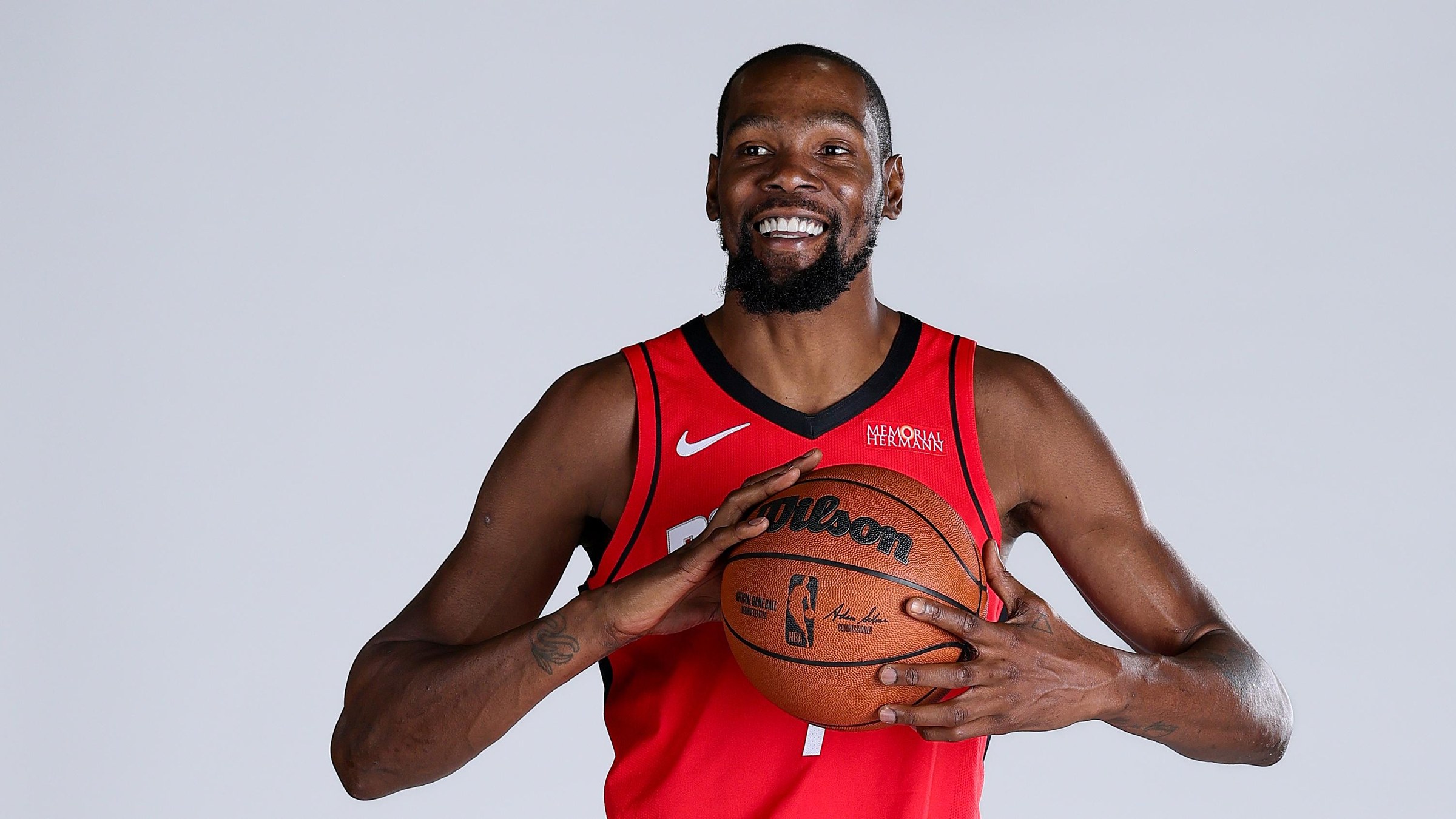
LeBron James and Kevin Durant are backing a new league aimed at the players who could follow them.
Futures Basketball League, announced November 10, plans to bring together 120 of the nation's leading under-18 boys prospects on 12 regional teams, drawn from the high school classes of 2028 through 2031. Its first season is scheduled for spring and summer 2027. The pitch is straightforward: put the best young players on the same schedule, give them sustained coaching and development, and let them earn from the attention they already attract.
The problem it is selling against is fragmentation. League chairman Jason Stein told ESPN that the country's top 150 under-18 players are spread across more than 200 teams in seven different leagues each spring and summer. “America produces more raw basketball talent than anywhere in the world, but the system around these athletes hasn't risen to their level,” Stein said in the league's announcement. Futures would give fans something easy to follow — the same teams, familiar rivals and a championship to chase — and give players one place to be judged against each other, week after week, instead of in a weekend's highlight clips.
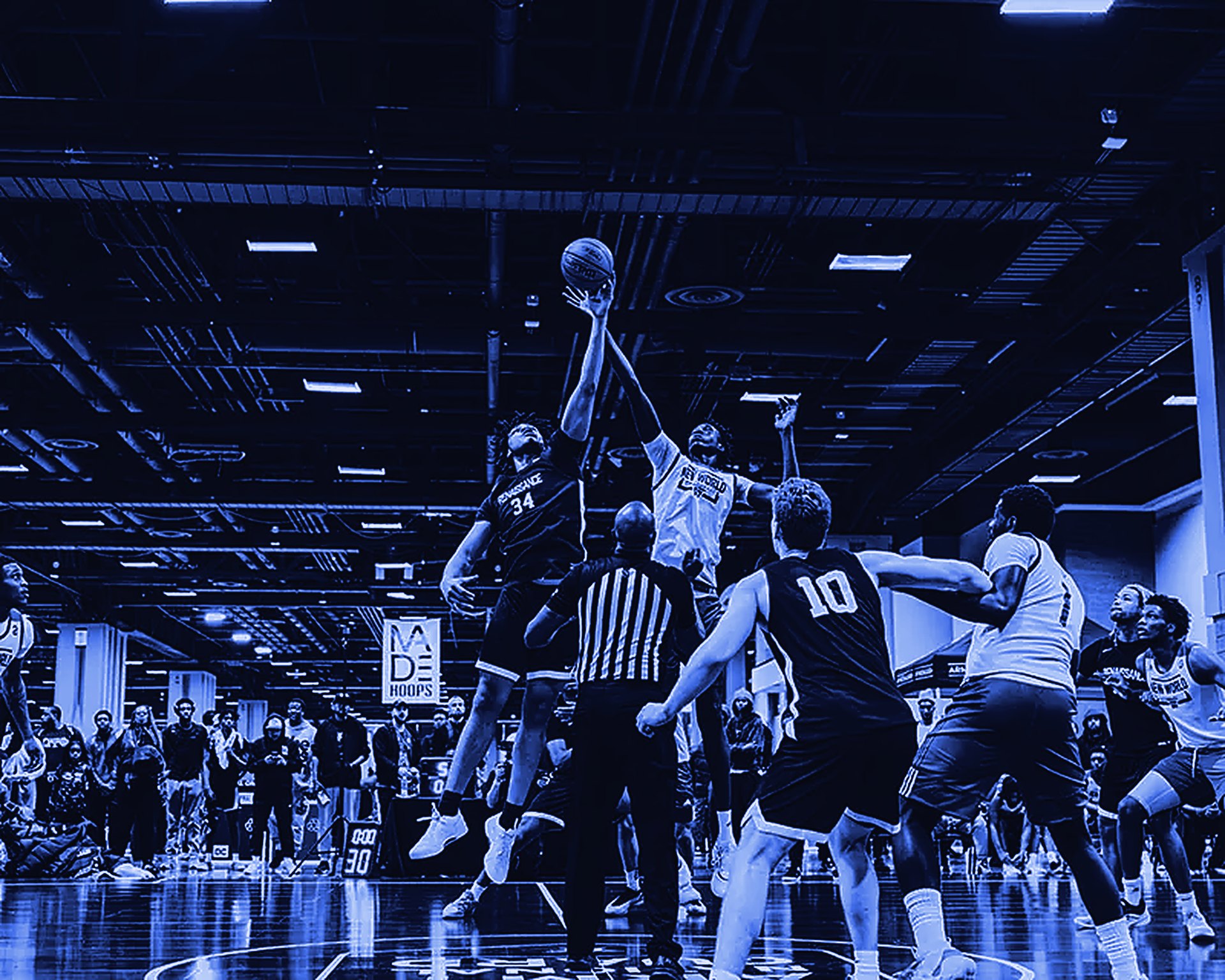
A different summer
The league's official site lays out 10 league weekends and 10 players per roster. April through June is marked for media days, training camp, player development and a Preseason Cup. The regular season and playoffs run in July and August, ending with one national final in August. So the November announcement is the launch of the organization. The games are still ahead.
The calendar is built to leave room around the rest of a prospect's life: the high school season, NCAA live periods, USA Basketball commitments and the NBPA Top 100 Camp are all protected. Futures says every game will be streamed, with selected games on national television. The full schedule, the team markets and the media partners are being held for later announcements.
MaxPreps describes the venture as a challenger to the shoe-company circuits that divide top prospects among separate competitions. Its reporting says teams will recruit within their regions, while the league will contract with and pay the players. The money is real before a game is played: ESPN reported that the price to buy into a team has been $6 million, with investors also receiving equity in the league itself.
The names behind it
James and Maverick Carter are involved through LRMR Ventures; Durant and Rich Kleiman through Boardroom Sports Holdings. Derrick Rose and Paolo Banchero are founding team owners. The broader founding group includes Gary Vaynerchuk, Ryan Harwood, Ezra Kucharz and SC Holdings' Jason Stein and Daniel Haimovic. Stein is the league's chairman, and he, Carter and Kleiman also sit on its board of directors. MADE Hoops is the operations partner, and HMBL Development, the Brooklyn training company, is the official training partner that will build individualized development plans for every player.
The operation underneath them was stood up by Samin Odhwani, a former NBA executive who later ran strategy at Thirty Five Ventures — Durant and Kleiman's company — before helping scale professional pickleball as a league commissioner. Chris Rivers, who spent years running grassroots basketball for adidas and Reebok and was most recently Excel Sports Management's senior director of NIL recruiting, is the league's vice president of basketball operations. “Today's top 18-under players are brands and media platforms long before college,” Rivers said. “Futures is where they get paid for it.” MADE Hoops is led by its founder Chad Babel, a longtime Nike executive, and the individualized plans at HMBL come from founder Justin Bright's company: “For too long, the system has prioritized the next tournament over long-term development,” Bright said.
For Rose, the mission is personal. “I came up through the grassroots circuit in Chicago, and I saw how much talent could benefit from real structure and support,” he said. “I was lucky — my brothers built a wall around me and made sure the right people were in my corner. Most young players don't have that.” Banchero, still early in his own NBA career with Orlando, framed it as a generational handoff: “Futures has the potential to make a real impact on the next generation of basketball talent. I'm proud to be part of something that puts the future of the game first.” The league is also putting money where that sentiment is: a $1 million pledge to the MADE For All Foundation, which funds scholarships and community programs for young players. Connor Schell, the former ESPN content chief who co-created 30 for 30, has been named a special advisor on content and distribution.
The mix suggests an ambition that extends beyond running tournaments. Basketball, athlete brands, live events and media are all part of the business being built.
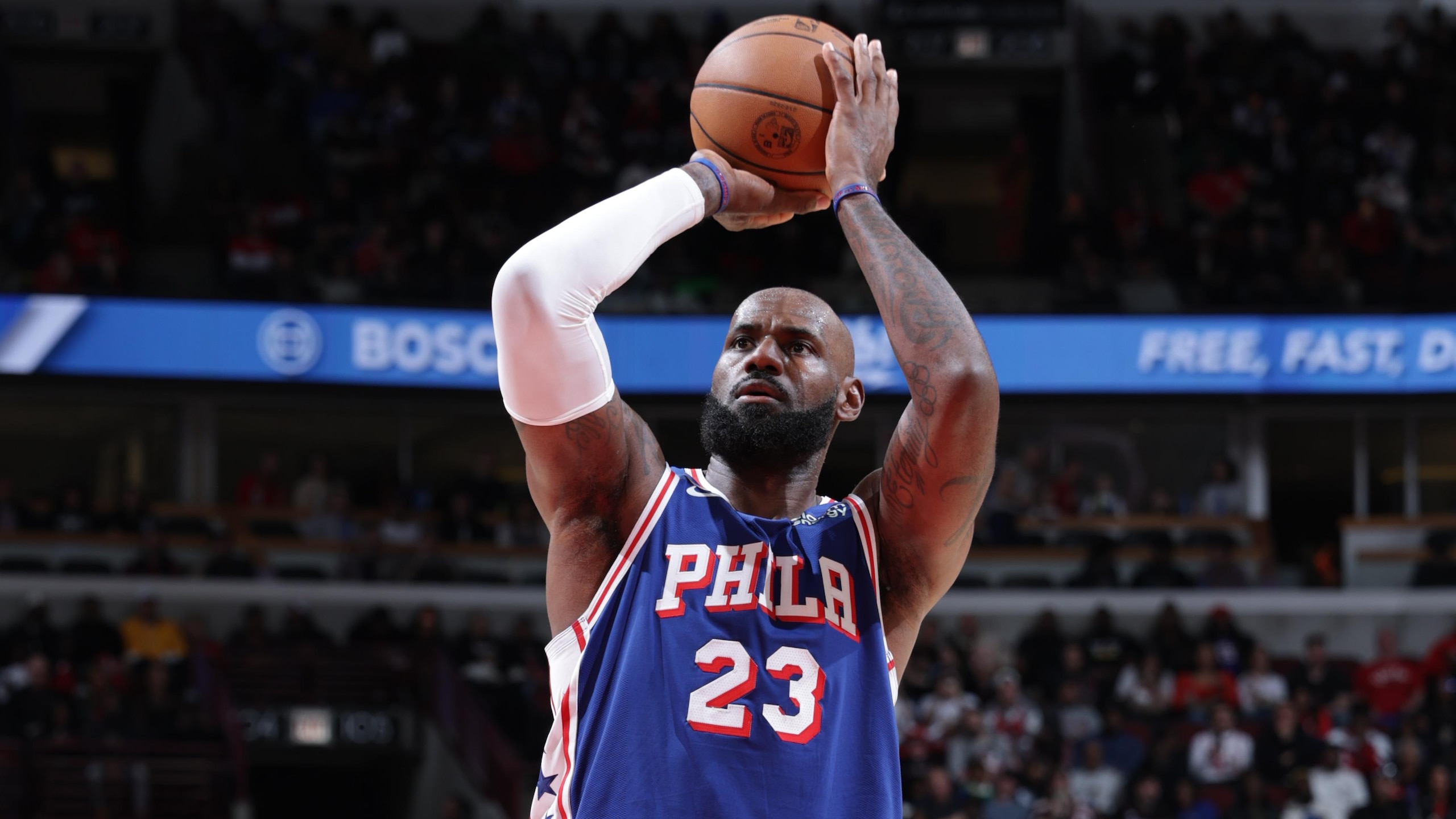
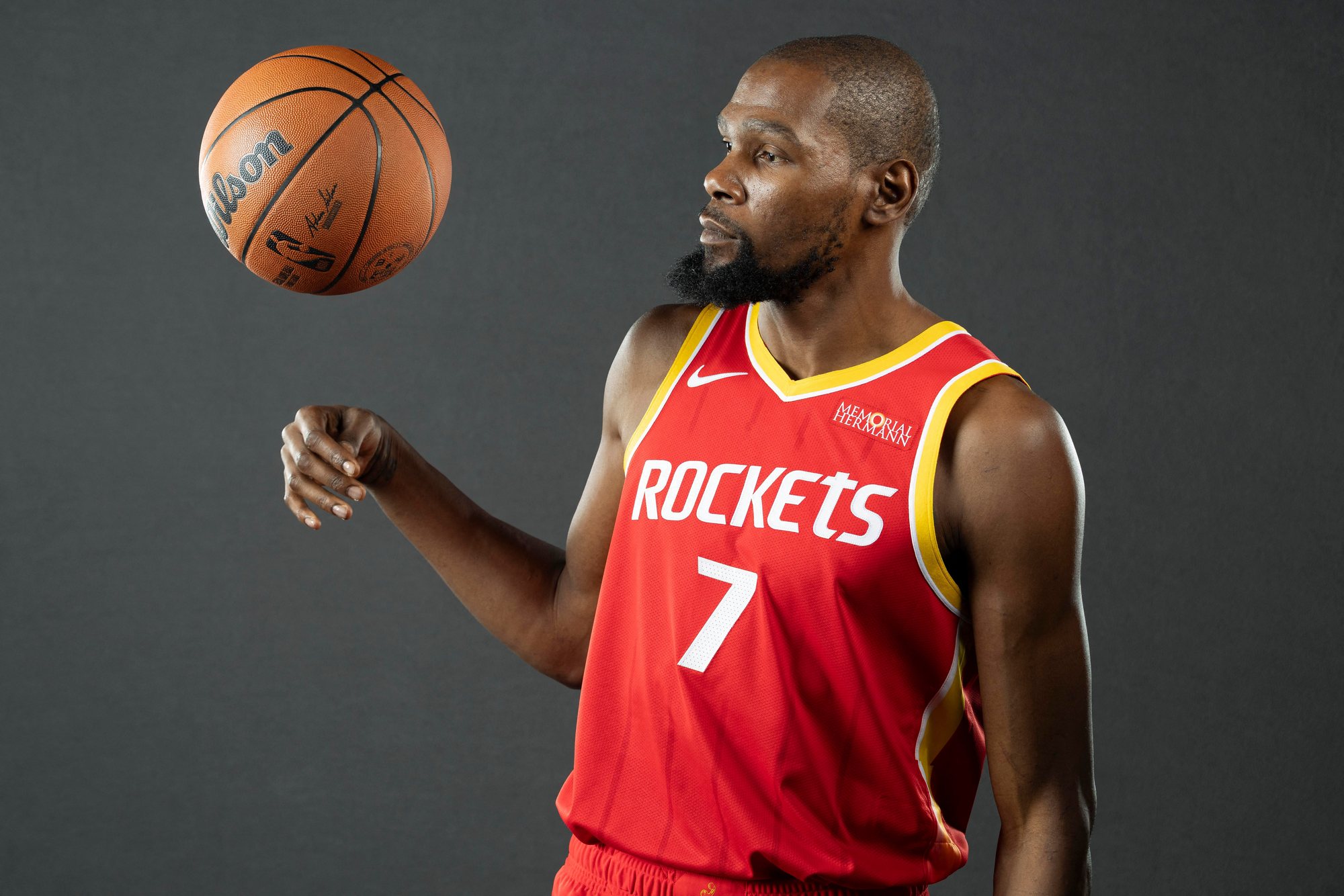
What NIL does, and doesn't, promise
Futures says eligible players can receive name, image and likeness compensation in cash, in league equity subject to administrative approvals, or in a combination of the two. They stay free to make their own outside brand deals, including footwear partnerships — a notable carve-out in a world built by shoe companies.
The word “eligible” matters. Stein has said the model will preserve high school and college eligibility, and the league repeats that aim. That is the league's stated intention, rather than a blanket clearance for every player or every contract. The NCAA's current NIL guidance distinguishes legitimate commercial activity from pay-for-play and sets reporting requirements for prospects heading to Division I. High school participation runs through each athlete's own school and state-association rules, and the NFHS advises families to review those policies before entering NIL arrangements.
Families will need to understand the work required, the money offered and the obligations attached. A famous ownership group cannot answer those questions for them.
Now it has to build a season
Futures says it has already begun signing prospects to NIL agreements and will announce its first players in the weeks ahead. Those names, the coaching staffs and the eventual schedule will start to show what this competition actually looks like.
James and Durant give the project immediate attention. Keeping that attention will take compelling games. Earning families' trust will take clear terms, dependable development and care for the teenagers at the center of it. The idea has an audience. Now it needs to build a season worth watching.
Sources · 4 sources
- Futures Basketball League / PR Newswire — Futures Basketball League Launches, Uniting the Nation's Top U18 Boys Basketball Players (launch release, Nov 10, 2026)
- ESPN — Futures Basketball League to launch in April for U18 players
- MaxPreps — LeBron James and Kevin Durant to launch Futures Basketball League
- Futures Basketball League — futureshoops.com — official league site (calendar, founders, format)