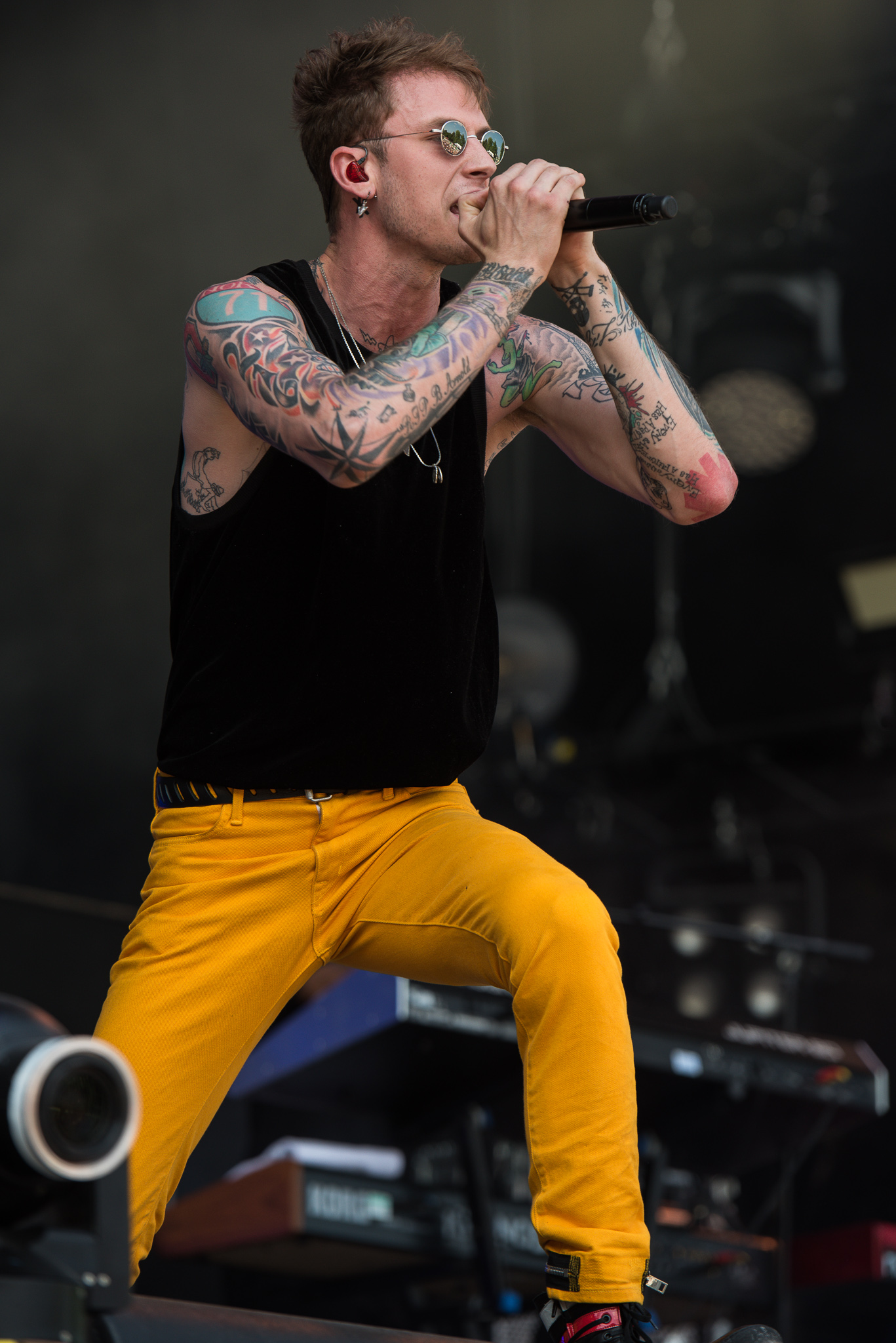
LONDON — There is a particular kind of silence that falls over an arena when something goes wrong on stage — a held breath shared by thousands of people at once. At Machine Gun Kelly's concert at London's O2 Arena, that silence arrived during Bloody Valentine, when several fans invited on stage were living a once-in-a-lifetime moment — and one fan's fall through a hole in the stage nearly ended it. What happened in the seconds after, per Entertainment Weekly, is the reason the story traveled far beyond the room: Kelly stopped the show, checked on the concertgoer, helped her back up, and gave her his personal cap — a gesture that helps turn a scary moment into a warm one.
The moment: Bloody Valentine and a hole in the stage
The setup was familiar to anyone who has seen MGK live: fans pulled up on stage during the song, a centerpiece of his pop-punk era, for the kind of close-quarters moment that makes a concert feel personal in a 20,000-capacity room. And the night brings one more headline before it's over: later in the evening, Pete Davidson walked out for a surprise appearance. But a stage is a machine, and machines have openings — trap doors, lifts, lighting gaps — that are invisible to a performer and a surprise to everyone else. One fan went through one of those openings, and for a moment the night's narrative tilted toward the worst possible outcome.
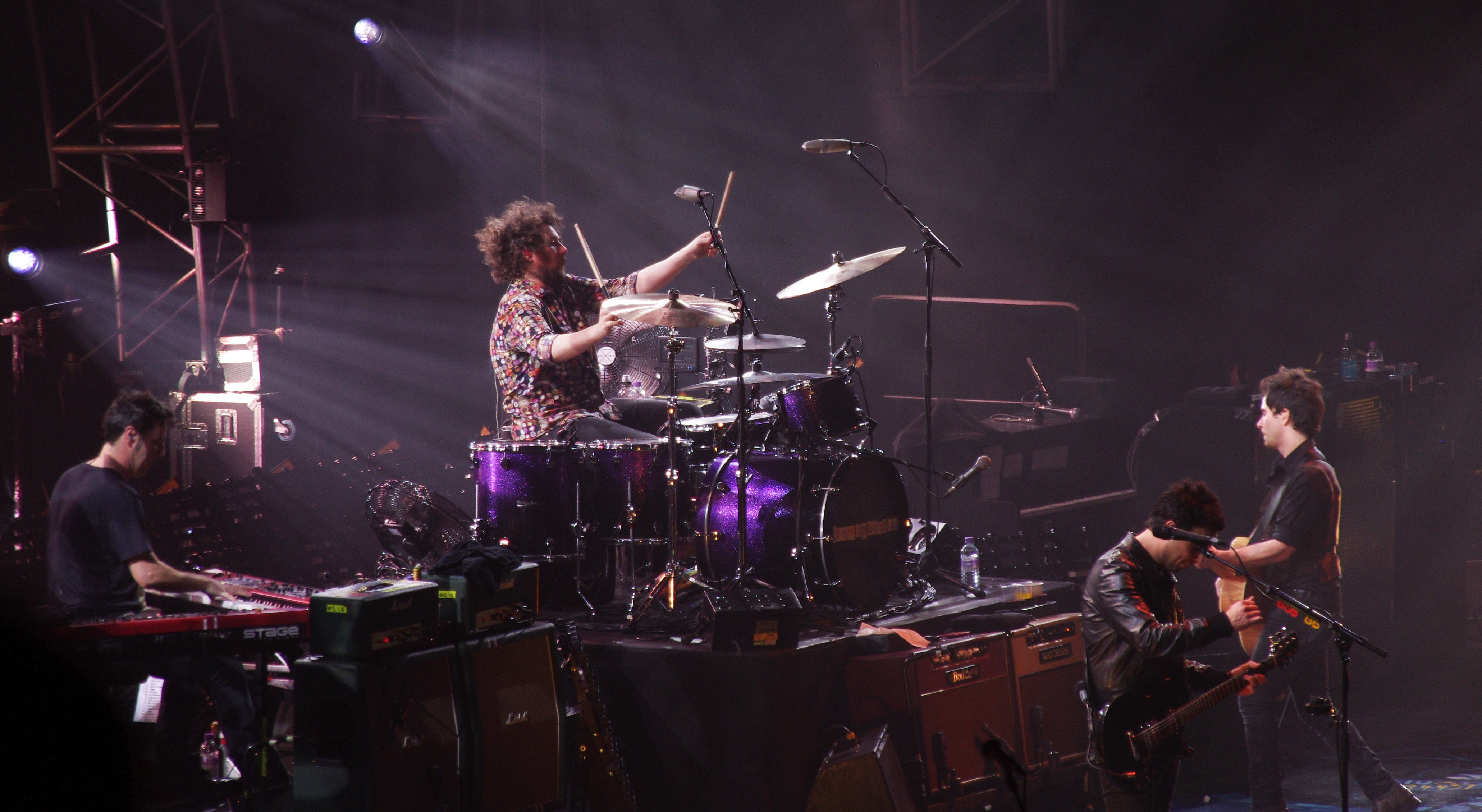
That is when the performer's instinct showed. Instead of powering through the song or freezing, MGK stopped everything. He checked on the fan, helped her back up, and gave her his cap — a small, human gesture that reframed the entire incident. No scolding, no moving on as if it hadn't happened. In a culture that judges celebrity reactions in seconds, that instinct mattered: the story that traveled was not a scandal or a safety failure, it was a memorable anecdote about grace under pressure.
The viral afterlife: why TikTok made this the story
The fall and MGK's reaction spread quickly across TikTok and social media through fan-shot videos — and that circulation is now central to how entertainment moments become news. The live event matters, but the viral afterlife often matters just as much. As the Miami Inquirer noted in its roundup of the week in pop culture, fan videos, reposts and reactions frequently determine the scale of a story's reach before any formal write-up appears; platforms like TikTok and Instagram can turn a fleeting concert moment into a multi-day pop culture cycle, with media organizations building on the momentum afterward.
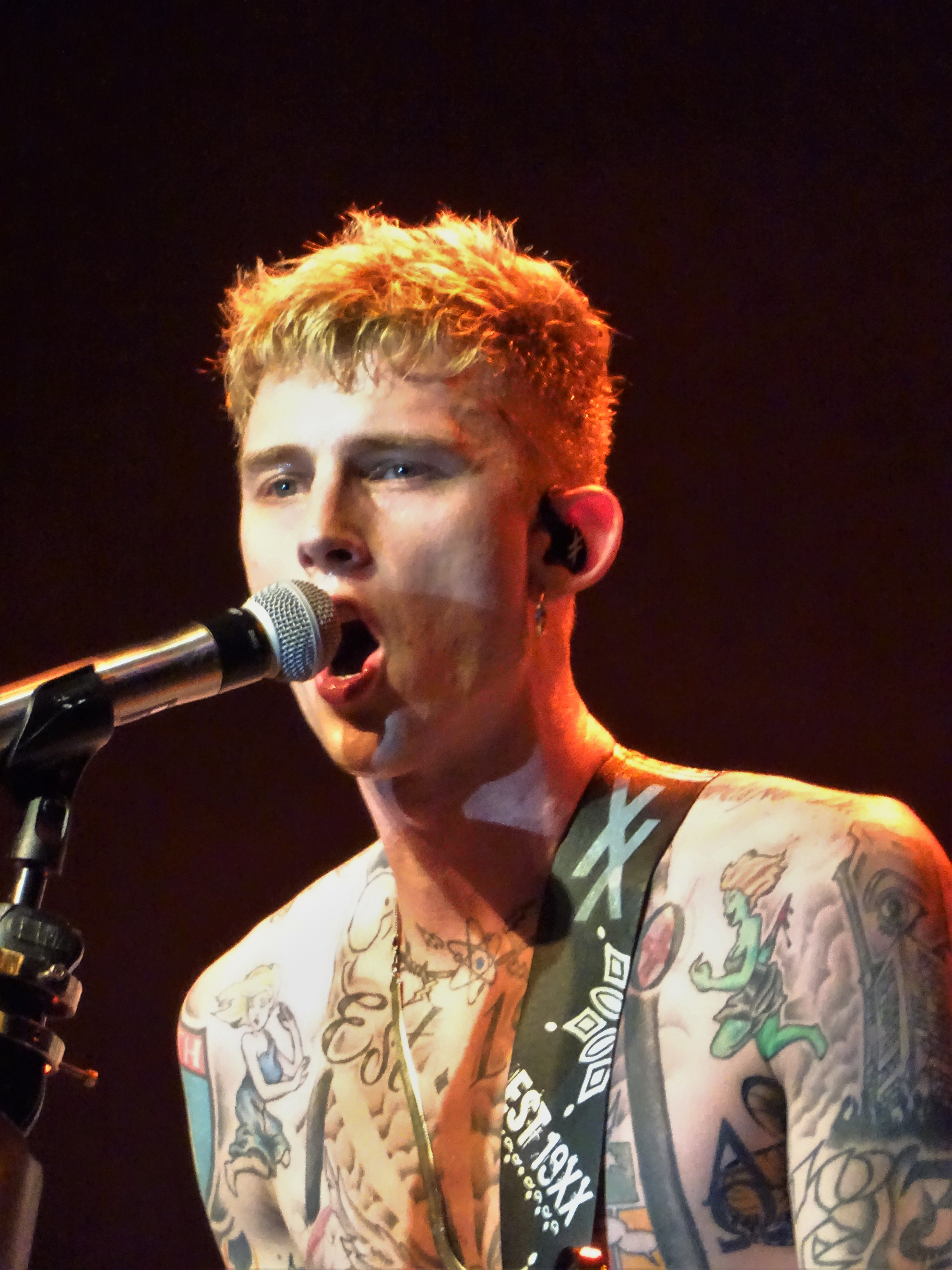
This is the changed nature of celebrity coverage. Audiences increasingly engage with stars through unscripted moments rather than official statements or polished promotional appearances — and those moments can strengthen a celebrity's image when they suggest authenticity, empathy or humor. What could have remained a minor concert mishap instead became a story about performer-fan connection, stage safety and celebrity spontaneity, traveling as reassurance rather than alarm.
The surprise guest: Pete Davidson joins the night
As if the night needed a second act, Pete Davidson made a surprise appearance at the show later in the evening — adding a whole second viral storyline to a night that already had one. The two have been part of each other's public story for years, and the cameo did exactly what surprise appearances are designed to do: drive fan enthusiasm inside the room and generate a second wave of post-show coverage outside it.
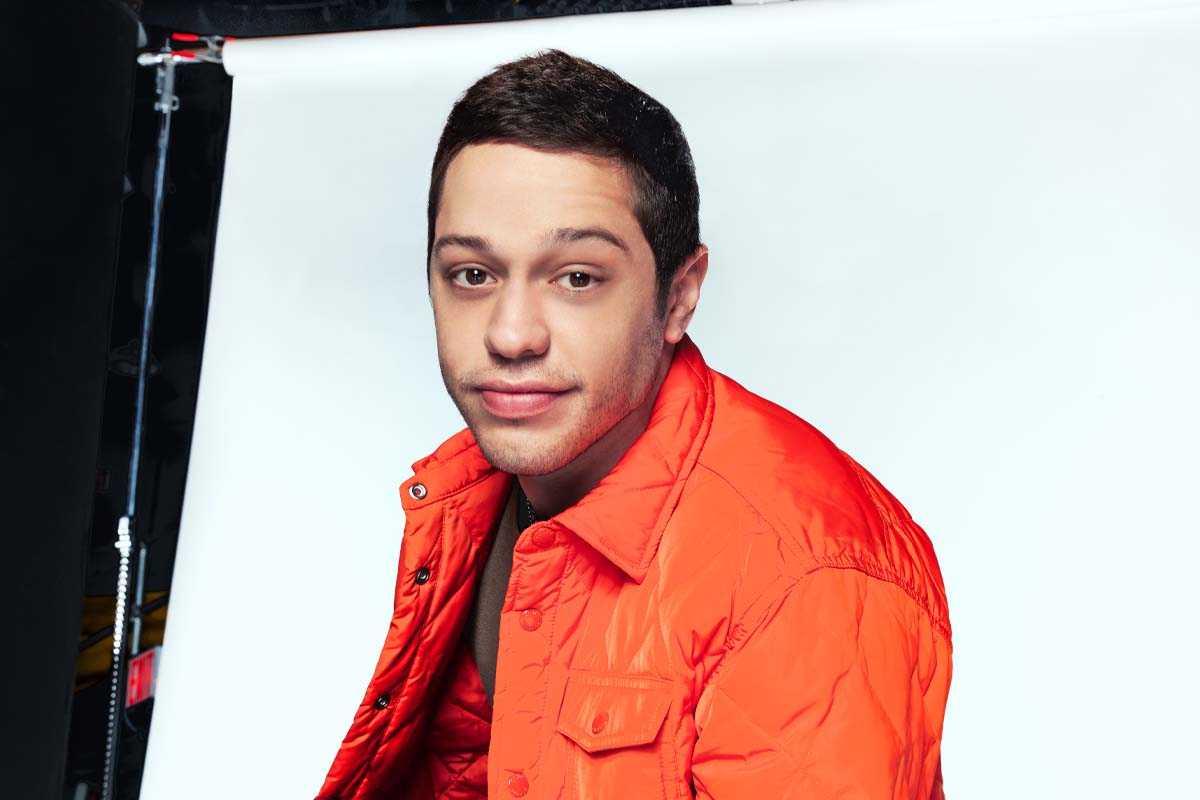
In the entertainment economy where each concert can produce dozens of viral clips, guest cameos are no longer just bonuses for the live audience — they are content moments built for the internet. Davidson's walk-on gave the night a second shareable beat: the fans who came for the mishap's feel-good ending stayed for the celebrity surprise, and the coverage folded both into a single story about a night that kept delivering.
The bigger picture: two audiences, one stage
The bigger takeaway from the O2 night is not just that a fan fell through a stage opening. It is that pop culture now thrives on immediacy, emotion and shareability — a single concert incident can become a headline because it reflects how celebrity, fandom and digital media intersect in real time. Major tours from global artists continue to dominate headlines not only for ticket sales but for the unpredictable moments that unfold onstage, as coverage from outlets like Billboard and Rolling Stone has consistently shown: tours now function as both performance spaces and real-time content engines.
The stage-safety question underneath it all is real, even when the outcome is happy. Fans brought onto a working stage — with its openings, lifts and moving pieces — are walking through a set that was designed for professionals. MGK handled this one with care, but every mishap like this is a reminder that the choreography of fan-on-stage moments has to account for what can go wrong. The grace of the response is worth celebrating; the conditions that made it necessary are worth examining.
And as major artists continue their global tours in 2026, expect more of these moments to shape entertainment coverage. The stars who navigate them best are often the ones who understand that every live event now unfolds before two audiences at once: the people in the arena, and the much larger crowd watching online afterward. MGK read both rooms at once — and the internet, which is not generous to celebrities in unscripted moments, noticed. Catch up on this week in music, or the weekend's chart stories.
Sources
- MGK O2 stage mishap: Miami Inquirer (Oct 4, 2026) — MGK Stage Mishap in London Highlights a Big Week in Pop Culture · Original reporting: Entertainment Weekly · Tour coverage context: Billboard, Rolling Stone