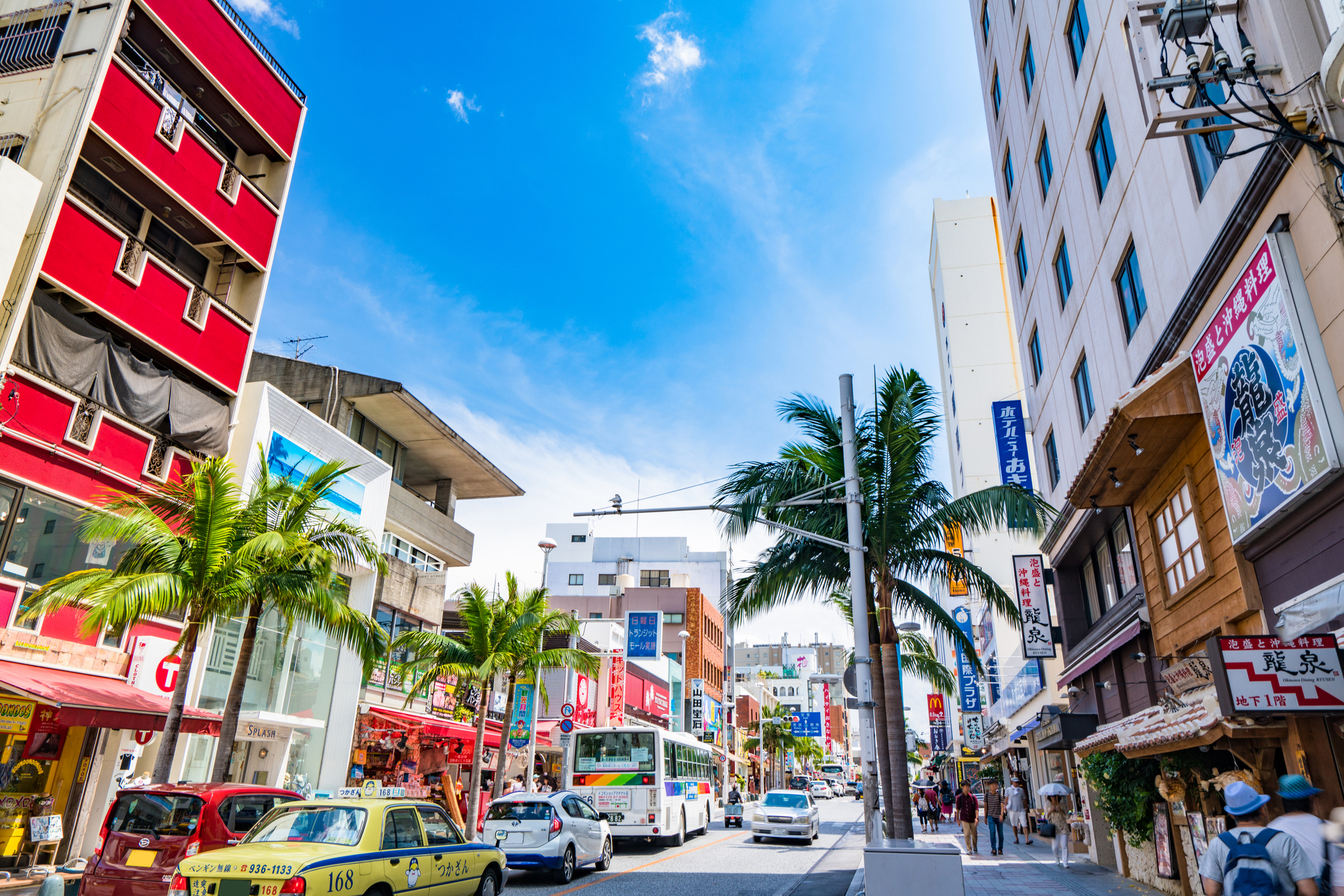
NAHA, OKINAWA — A 20-year-old U.S. Marine is being held in Japanese custody on suspicion of murder and robbery in the killing of Anna Yagi, 39 — and Japan has lodged a formal protest over the case. Prime Minister Sanae Takaichi lodged the protest personally, demanding maximum cooperation with the investigation. Lance Corporal Devin Jacob Ballard, assigned to the III Marine Expeditionary Force at Marine Corps Air Station Futenma, was arrested Sunday by Okinawa prefectural police in connection with Yagi's death. Ballard has denied the allegations, according to police, as reported by the Washington Post. He has not been convicted of any crime; everything below reflects what authorities allege — not a verdict.
WHAT POLICE SAY HAPPENED — According to reports citing Okinawa prefectural police, Anna Yagi's body was found in a Naha hotel room in the early hours of Saturday, Oct. 3 — discovered around 4:30 a.m. and pronounced dead at the scene. Police say she entered the hotel around 2:10 a.m. Saturday with the suspect. Surveillance footage reportedly showed a man leaving the hotel with her belongings, and her wallet and backpack — taken from the room — were later found abandoned near the hotel, according to the reports. Police arrested Ballard the following day, Oct. 4. He is being held in Japanese custody, and the III Marine Expeditionary Force has said it is cooperating with the investigation.
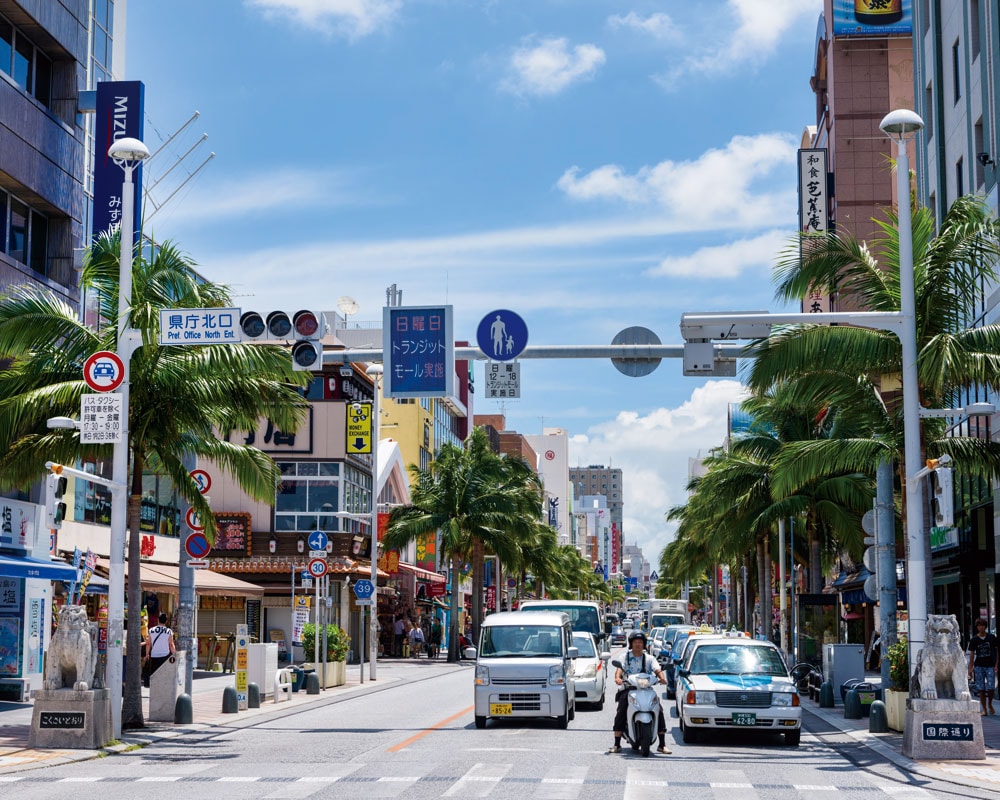
THE PROTEST — The diplomatic response was swift and unusually sharp. Prime Minister Sanae Takaichi lodged a strong protest with the United States, demanding maximum cooperation with the investigation, strict discipline for U.S. personnel and concrete measures to prevent a recurrence. Foreign Minister Toshimitsu Motegi summoned U.S. Ambassador George Glass. Defense Minister Shinjiro Koizumi condemned the alleged crime. For its part, the U.S. Embassy in Tokyo expressed condolences and said the United States is cooperating with Japanese authorities. The choreography — protest, summons, condemnation, condolence — is the standard grammar of a U.S.-Japan crisis, and it was fully deployed within hours.
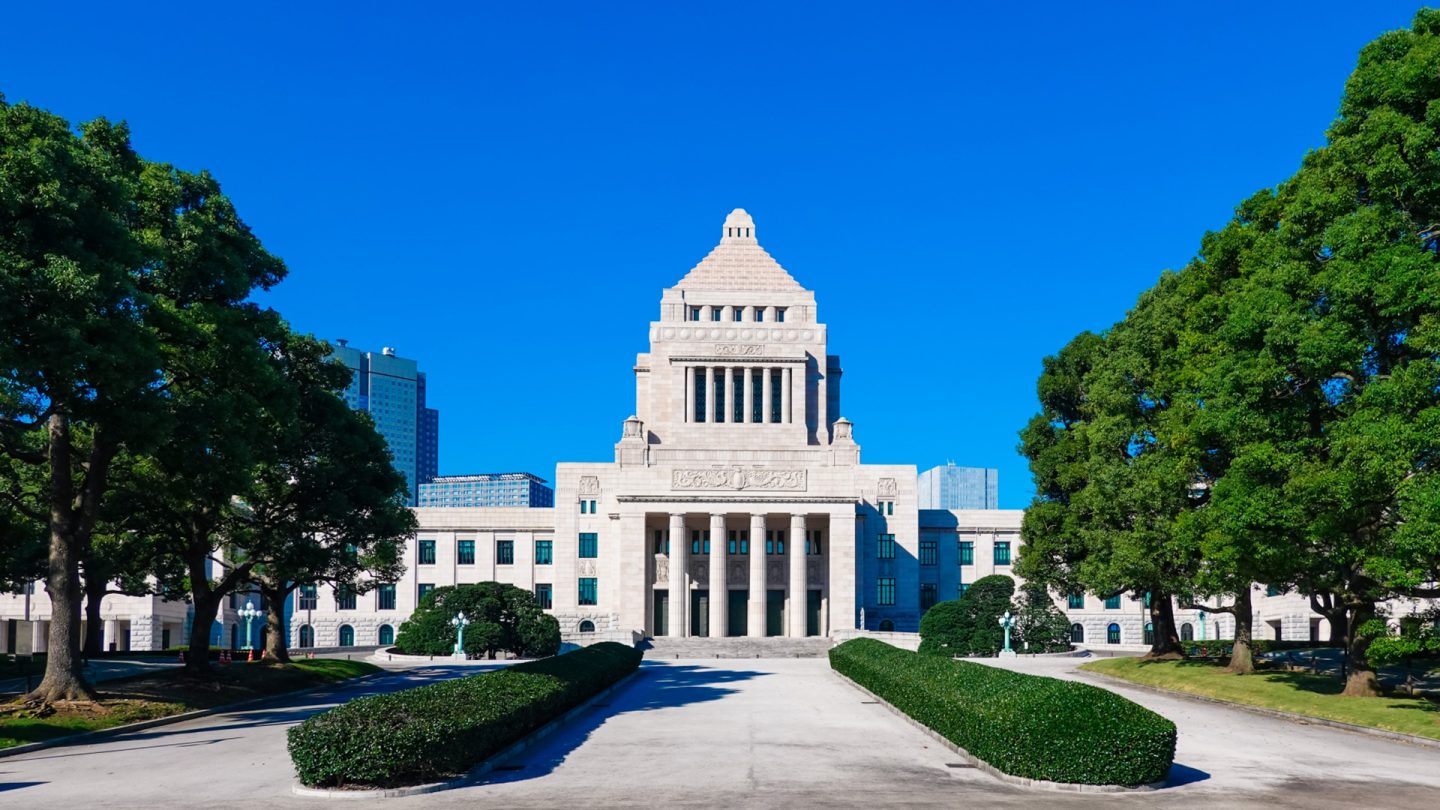
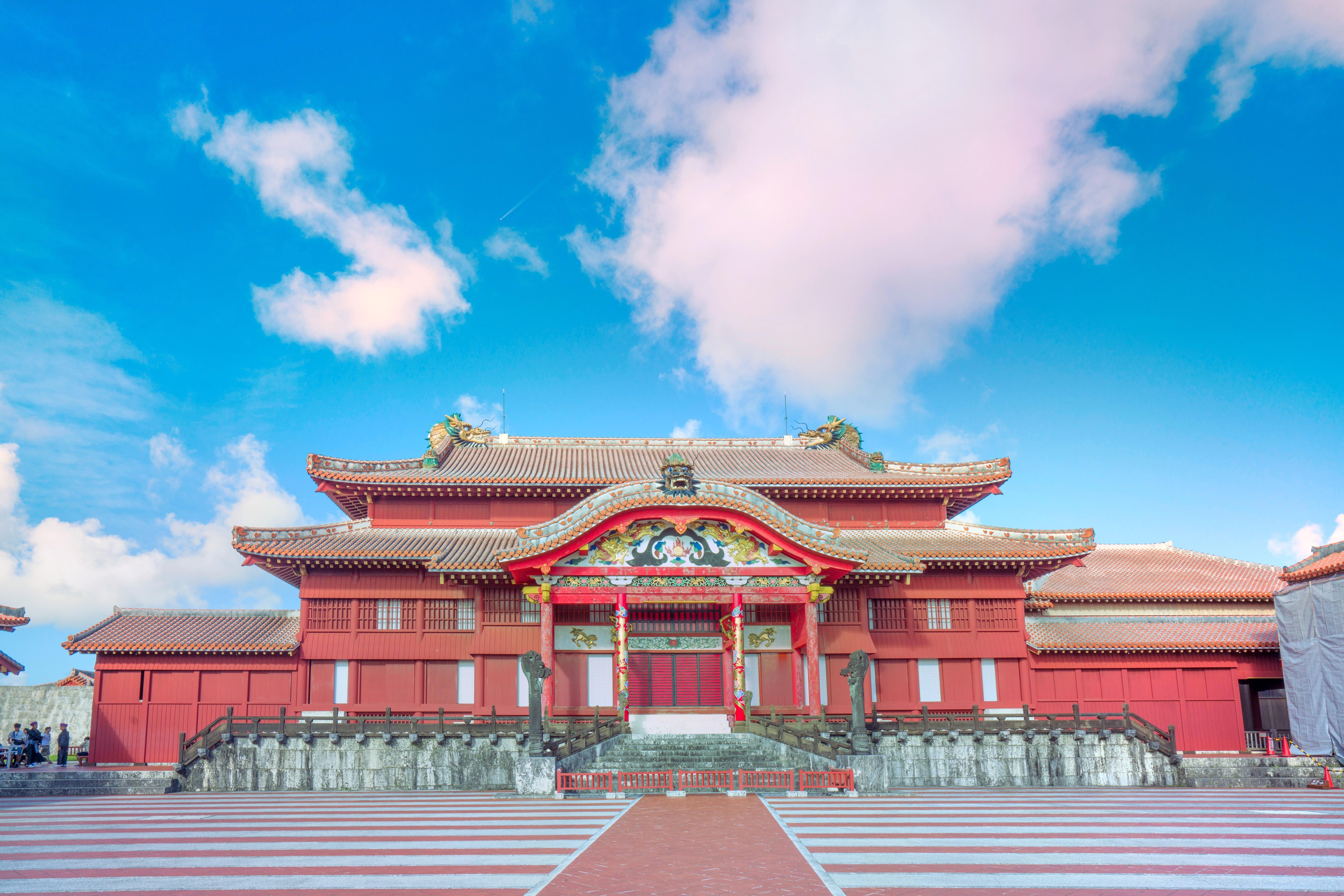
WHY OKINAWA REACTS THIS WAY — To understand why a single arrest draws the prime minister's personal intervention, you have to understand Okinawa. Most of the roughly 18,000 U.S. Marines stationed in Japan are based on this one small island prefecture, and the American footprint — bases, aircraft noise, and a long history of crimes involving service members — has stirred deep resentment for decades. The 1995 case, in which U.S. servicemen abducted and assaulted a schoolgirl, sparked some of the largest protests in Okinawa's modern history and reshaped the politics of the alliance. Every incident since lands on that scar tissue. Local anger is not abstract; it is cumulative, and Tokyo knows it.
THE FUTENMA PROBLEM — The case also lands directly on one of Takaichi's most sensitive files: the long-stalled effort to relocate Marine Corps Air Station Futenma — the base to which the accused Marine was assigned — to Henoko, a less populated stretch of Okinawa's coast. The relocation has been agreed in principle for years and fought over just as long, with local opposition, environmental concerns and construction delays turning it into one of the alliance's most stubborn irritants. A murder allegation against a Futenma-based Marine, in the first weeks of a new prime minister's tenure, is the kind of event that can freeze that file — or blow it open. Takaichi's demand for 'prevention measures' reads, in that light, as both crisis management and a warning about what's at stake.
THE ALLIANCE TEST — Washington's interest is straightforward: keep the incident from metastasizing into a broader referendum on the U.S. presence. The embassy's quick expression of condolences and its pledge of cooperation are designed to do exactly that — acknowledge the gravity, defer to Japanese law enforcement, and deny the story oxygen. But the speed of Tokyo's escalation — a prime-ministerial protest, an ambassador summoned, a defense minister's condemnation — signals that Japan intends to extract visible commitments, not just statements. The dynamic is familiar from past incidents, and so is the risk: each side performing resolve for a domestic audience while trying to keep the alliance itself out of the blast radius. The parallel pressure is visible elsewhere in the region's diplomacy — Washington's offer of assistance to Moscow after a plague-lab worker's death in Siberia shows the same instinct to manage a crisis through direct, leader-level engagement.
WHAT'S NEXT — The investigation continues under Japanese authorities, with the accused Marine in their custody and the U.S. military cooperating. Prosecutors will decide whether the suspicion hardens into charges — and until then, the presumption of innocence is not a courtesy but the entire framework. What is certain is that the diplomatic aftershocks will outlast the headlines: another entry in Okinawa's long ledger of grievance, another test of an alliance that depends on an island that never quite consented to host it. The next move belongs to the investigators. The consequences belong to everyone.
Reporting this story is based on
- US Marine arrested in Japan killing
USA Today — 2026-10-04 - US Marine Arrested in Connection with Murder of Japanese Woman in Okinawa
People — 2026-10-04 - Japan PM protests to US after Marine arrested on murder suspicion in Okinawa
BusinessWorld — 2026-10-04
