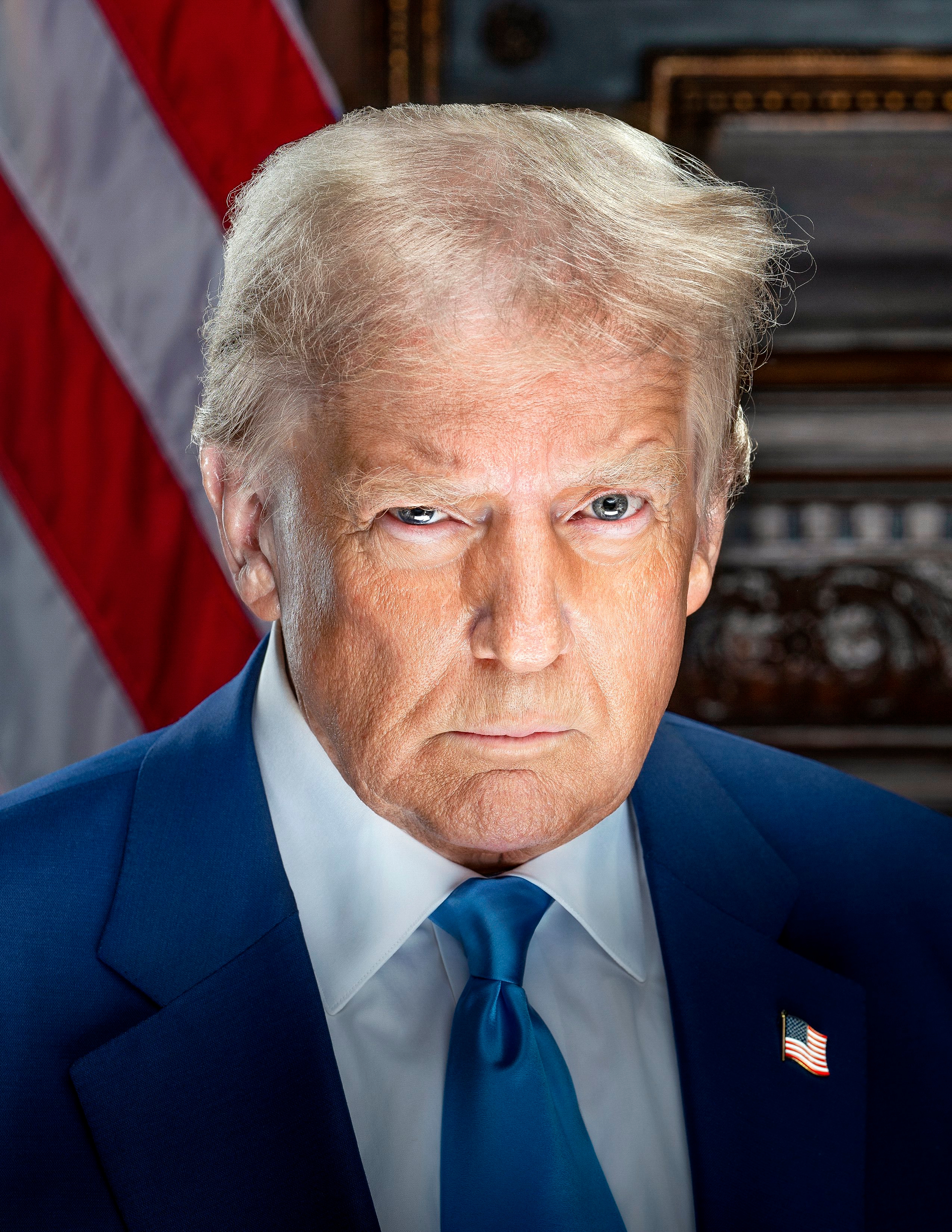
WASHINGTON — President Donald Trump said Monday that the United States will help Russia after a laboratory worker died at a plague research institute in Siberia, making the offer to reporters at the White House as he left for a campaign trip to Nebraska. “Well, I hate to see them having it,” Trump said. “It’s a rough disease.”
Calling the situation “a big problem for Russia,” Trump said the U.S. would do what it could to assist. “We’ll help,” he told reporters. “Anybody who has that kind of a problem, we’ll always help.” Asked about the risk of the disease reaching the United States, he said officials are reviewing the situation — “We’re looking at it very strongly,” USA Today reported.
The remarks were Trump’s first public comments on a case that has drawn growing public-health attention in recent days. The worker — identified by local media as Darya Shipilova, 28, an employee of the Irkutsk Anti-Plague Research Institute of Siberia and the Far East — fell ill and died in undisclosed circumstances. Russian authorities placed dozens of her contacts under medical observation, and on Monday the head of Russia’s health watchdog traveled to the Irkutsk region. Moscow says the situation is under control.
Trump’s language about the pathogen itself was characteristically colorful, in remarks the New York Post carried in full. “It’s a rough disease. You know, that’s a disease we used to be able to control, but somehow those microbes have got stronger and smarter, they’re like an army,” he said. “The germs have really become relatively stronger than they were, and things that used to work on pneumonia don’t work as well anymore. So we’ll help.” He also mused on the official diagnosis: “They called it pneumonia. Years ago, you could treat pneumonia easier. The microbes and the germs have gotten stronger, disproportionately. But we’ll help them.”
Here is the part that requires care, because the diagnosis is genuinely contested. Russian authorities have not confirmed plague. The country’s health and consumer protection agency, Rospotrebnadzor, describes the illness that killed the worker as “pneumonia of unknown origin.” The World Health Organization, citing available information, says the public health risk to the general population “appears to be low,” with new risk assessments to follow once more information is known. Maxim Modin, the mayor of the nearby town of Shelekhov, said Monday that the quarantined contacts have shown no signs of infection. One death, no second case, and official denials: that is the factual picture as of Monday.
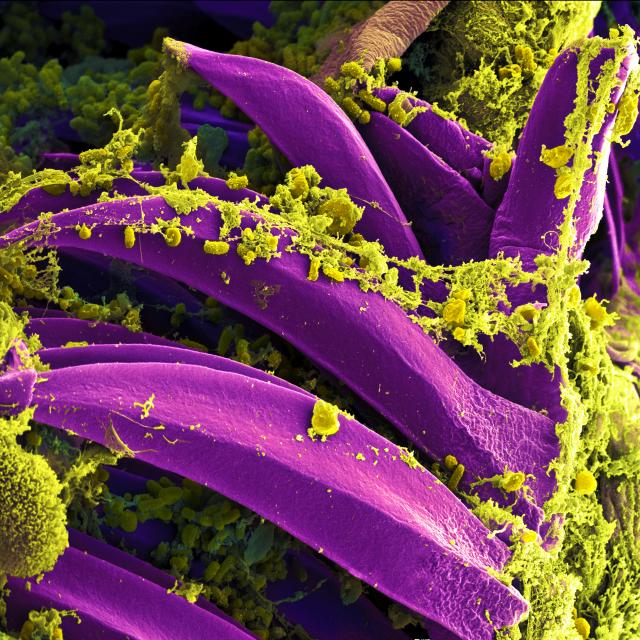
Some context helps explain why the case has drawn so much attention anyway. Plague is endemic to Siberia — Yersinia pestis is present among small wild mammals in its vast wilderness and their fleas — though it is rare for Russians to actually fall ill with it. The form of greatest concern is pneumonic plague, an infection of the lungs that, unlike other forms, can spread from person to person through respiratory droplets. If identified quickly it can be treated with common antibiotics; left untreated, it can be fatal within one to six days. That combination — a suspected case inside a plague research institute, and a pathogen that can spread through the air — is what has put public-health watchers on edge.
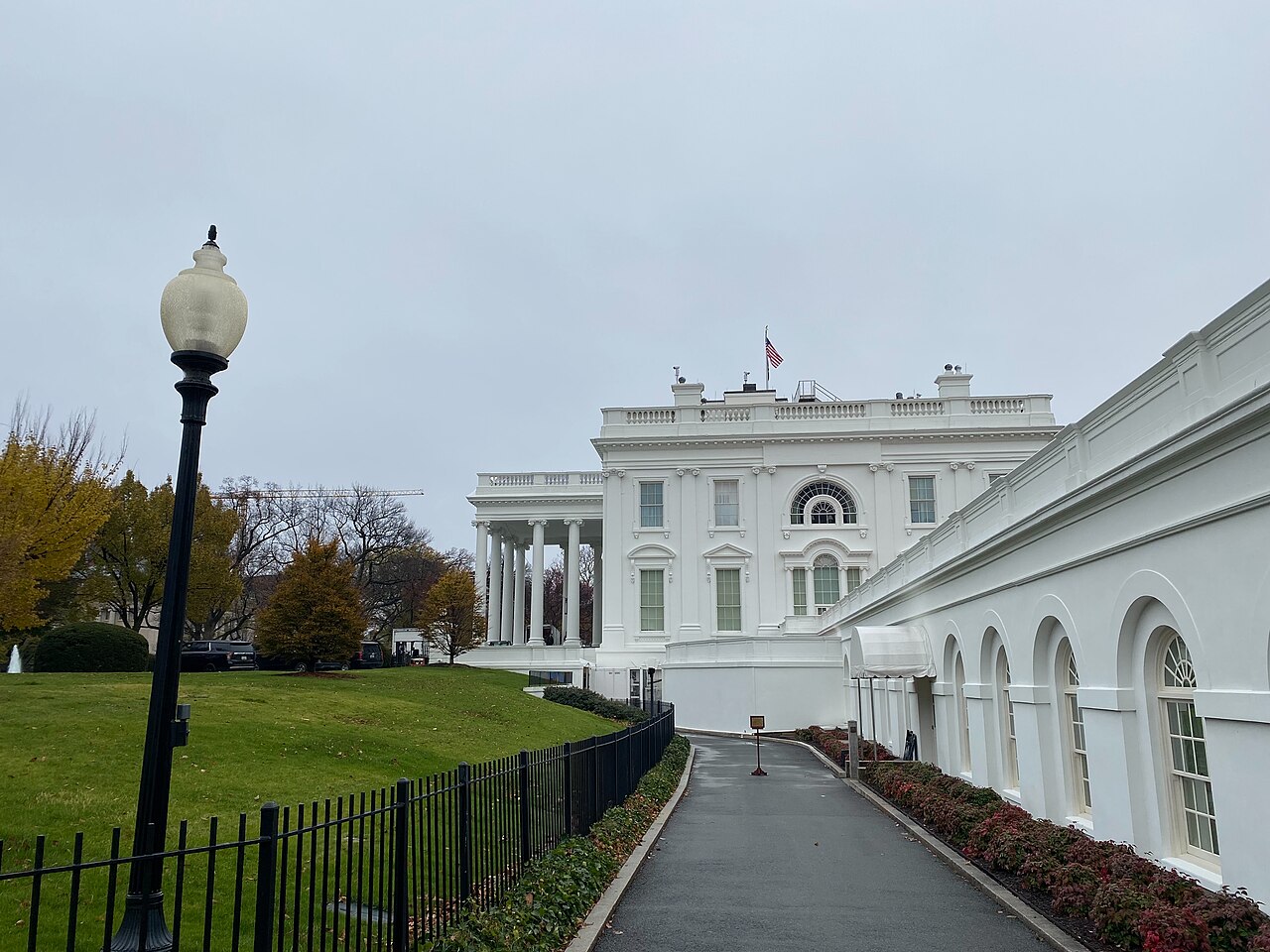
What “we’ll help” actually means is, as of Monday, undefined. Trump named no agency, no aid package, and no specific form of assistance — no American personnel dispatched, no supplies promised, no technical team described. He told reporters he had yet to speak with Russian President Vladimir Putin about the matter. The offer, in other words, is real in the sense that the president of the United States made it on camera; it is not yet a program, a shipment, or a plan.
The U.S. posture is being set more carefully by the State Department. Earlier Monday, Secretary of State Marco Rubio said Washington is closely watching and monitoring developments in Russia. “There’s very limited travel between the U.S. and Russia, obviously. But like anything else, something like that gets out, it could certainly spread,” Rubio said as he left Washington for Europe. “So we’re watching and monitoring it closely. I don’t think it’s cause for alarm but it is cause for focus and a cause just to keep an eye on it.” The State Department also publicly urged Moscow to “share accurate information quickly and openly” about the case.

The politics of the offer are hard to miss. Trump is volunteering American help to Moscow at a moment when the U.S. and Russia remain deeply at odds over the war in Ukraine — though, as Reuters noted, the president has long said he considers Putin someone he can work with. The diplomacy around Russia is already busy on other fronts: Putin recently pitched a $20 billion Lukoil sale to Trump’s envoys as part of the Ukraine talks. An offer of public-health assistance now becomes one more thread in a complicated bilateral relationship — and one that will be read in Moscow as a signal, whether or not any help ever ships.
The trip that occasioned the remarks matters too. Trump was departing for a pre-midterm campaign rally in Nebraska — the final-month campaign blitz is fully underway, with his renewed $5,000 check pledge and the $90 Medicare checks going out this month as the domestic counterpoints. A foreign-policy moment on the tarmac before a domestic rally is, by now, a familiar Trump production.
What happens next is straightforward to describe and impossible to predict. Watch three things: whether Moscow accepts or even acknowledges the offer; whether the official diagnosis moves from “pneumonia of unknown origin” to something more specific; and whether any of the quarantined contacts develop symptoms — the fact that none have, as of Monday, is the most reassuring data point in the whole story. The WHO is reassessing as information arrives, Rubio is watching, and the president has said America will help. Everything after that is, for now, wait and see.
Sources
- Trump says US will help Russia after Siberia plague institute death Reuters · Oct. 5, 2026
- Trump offers to help Russia combat pneumonic plague after worker's death USA Today · Oct. 5, 2026
- Trump calls reported plague outbreak 'big problem for Russia' New York Post · Oct. 5, 2026
- Dozens quarantined in Siberia after plague institute lab worker dies Reuters wire via WNCY · Oct. 5, 2026