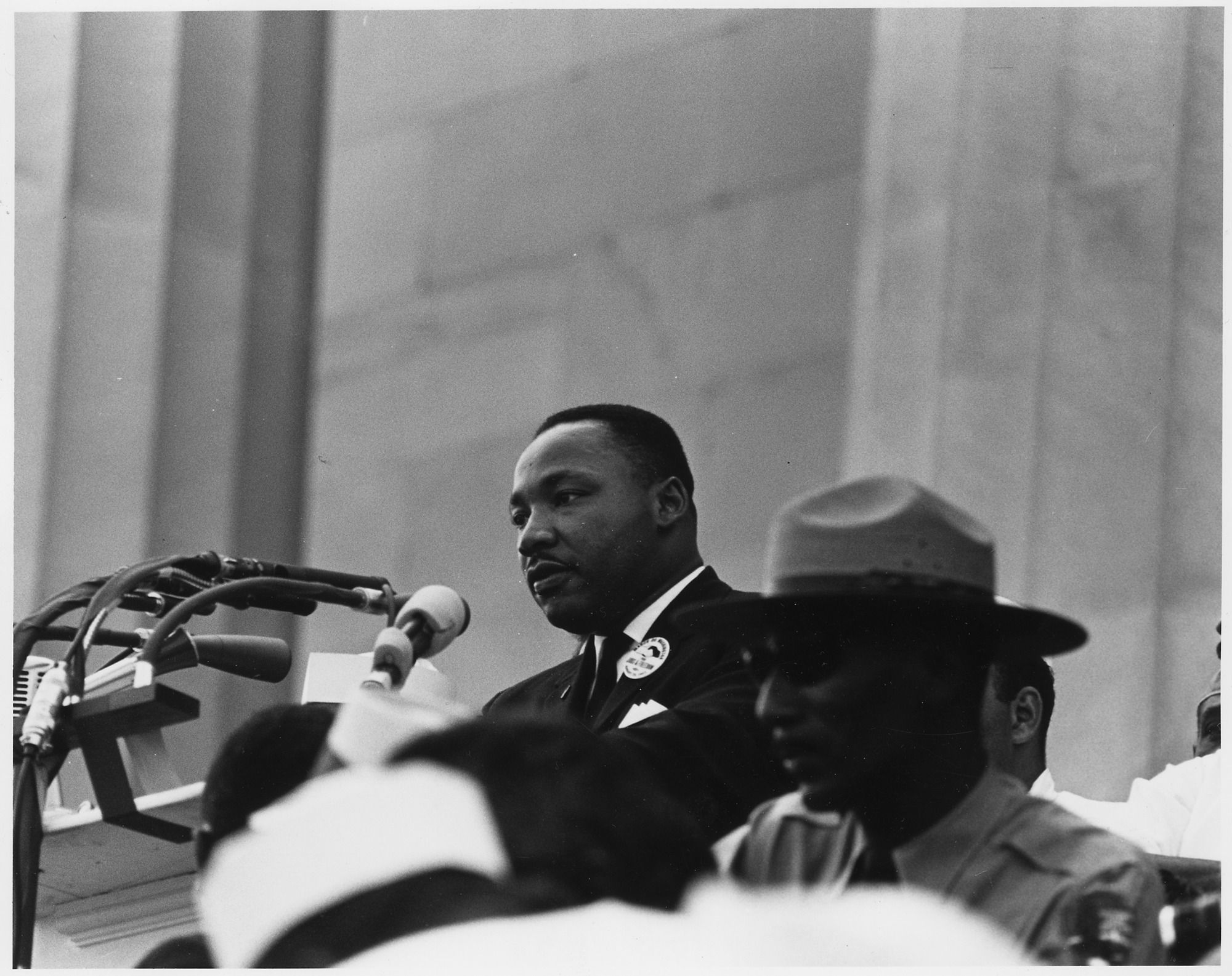

In the early hours of August 28, 1963, Martin Luther King Jr. was still writing.
He was in his room at the Willard Hotel in Washington, working over the speech he would give that afternoon from the steps of the Lincoln Memorial. He finished toward 4 a.m. The pages were yellow legal paper, the ink blue, the text crossed out and revised as he went. By Christie's account he was trying to hold the remarks to about five minutes.
Those seven pages are the only handwritten final draft of the "I Have a Dream" speech known to exist. For most of the six decades since, they sat in a desk drawer.
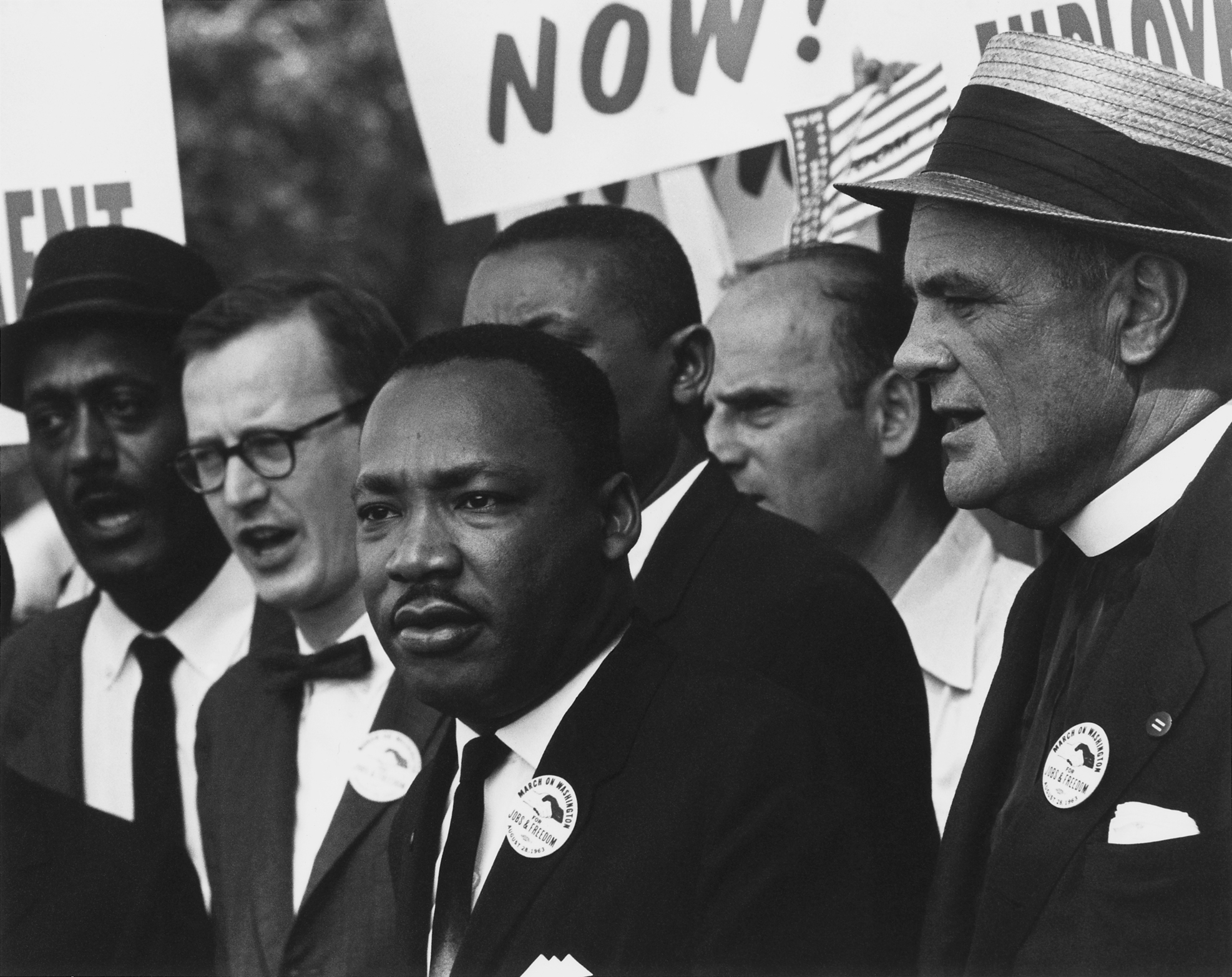
Christie's announced the manuscript on Monday and will offer it on January 22, 2027, in a single-lot New York sale titled "I Have a Dream: Dr. Martin Luther King Jr.'s Final Draft." The auction house expects the document to generate in excess of $10 million. There is no published estimate — Christie's will give one on request — and an expectation is not a price. Nothing has been sold yet.
Read the draft and one absence runs through it. The words "I have a dream" appear nowhere in the seven pages.
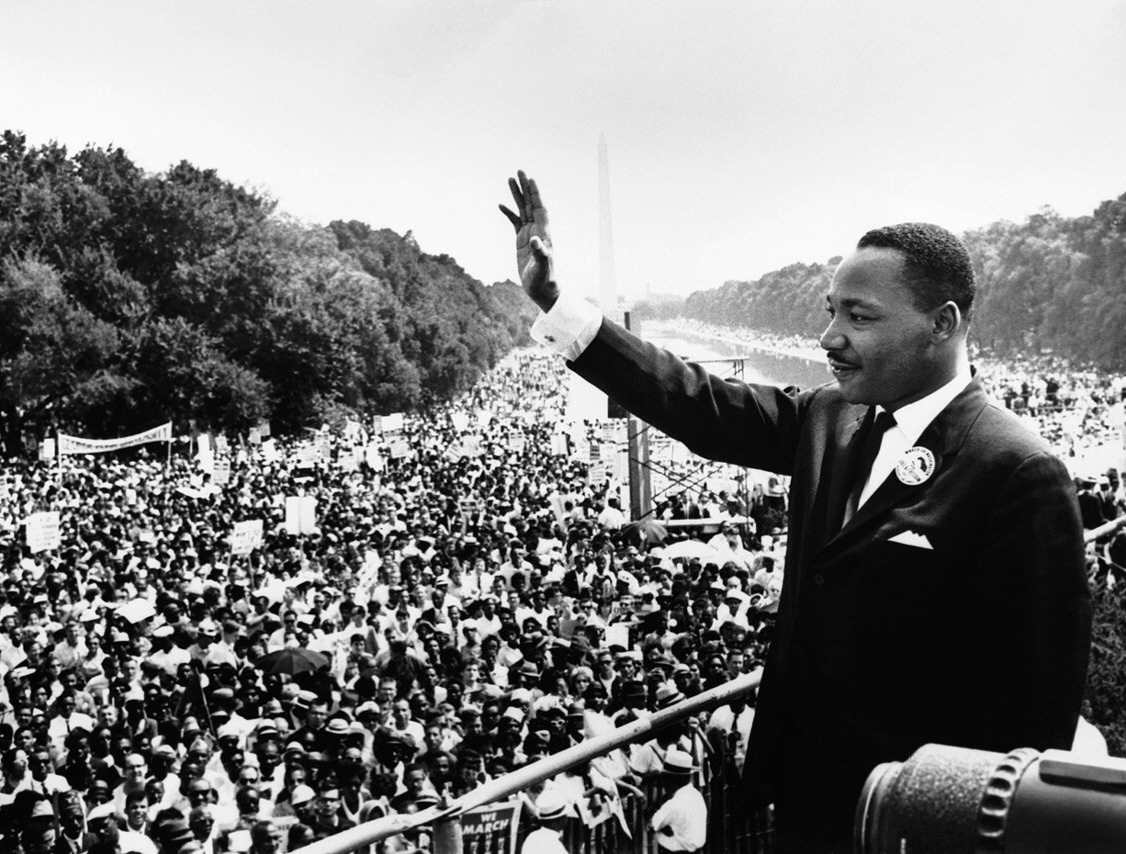
The speech King wrote that night opens where the delivered one did, with the Emancipation Proclamation — "Five score years ago" — and it closes with the old spiritual: "Free at last, free at last; thank God almighty, we are free at last." The passage the world knows by heart is missing because it was never part of the plan for that day. Midway through his prepared remarks, Mahalia Jackson, who had sung earlier in the program, called out from behind him: "Tell them about the dream, Martin."
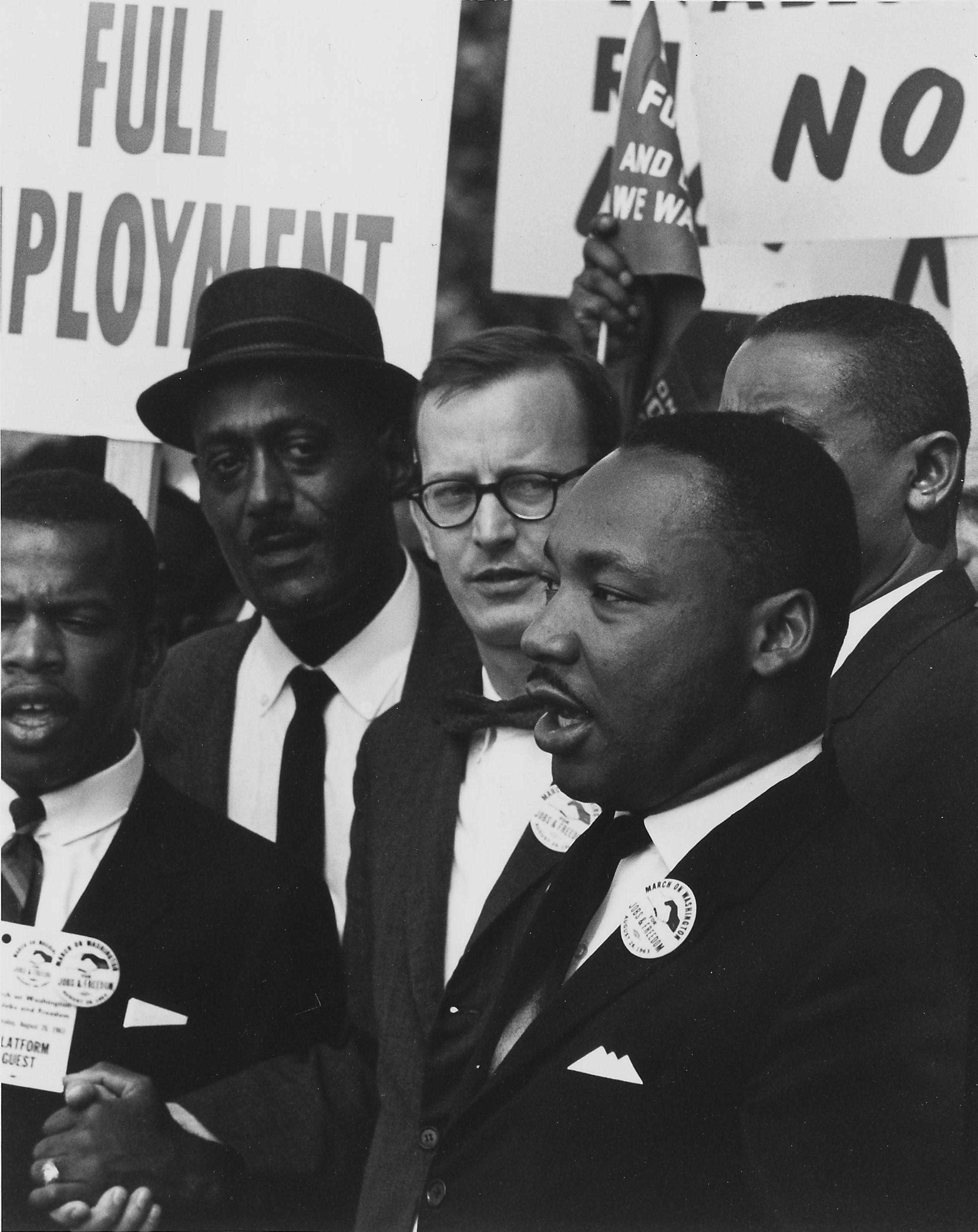
Clarence Jones, King's lawyer and adviser, stood a few feet away and watched King push the written text aside and take hold of the podium. King explained it himself three months later: the audience response was wonderful, and "all of a sudden this thing came to me that I'd used many times before.... 'I have a dream.'" Then, in his words: "I just turned aside from the manuscript altogether. I didn't come back to it."
The refrain had a history he could draw on without notes. Two months earlier, before a crowd of well over 100,000 at Cobo Hall in Detroit, King had built the back half of a speech around "I have a dream this afternoon." Stanford's King Papers Project has traced the language through years of his sermons. The written draft, meanwhile, carries his advisers' fingerprints — the speech's hardest economic line, about America defaulting on a promissory note to its citizens of color, began as a metaphor Jones suggested during the days of drafting. The dream was the part nobody wrote down.
The handwritten pages never reached an archive after the march. They were typed up that morning and sent to the press as the advance text, and the originals went home with Edward T. Clayton. He was the Southern Christian Leadership Conference's head of public relations and one of King's speechwriters, deep in the drafting sessions that produced the final text.
His widow found the pages by accident, decades later. Xernona Clayton — a civil rights leader herself, later the first Black woman in the South to host a prime-time television talk show — came across an envelope marked "speech" in her late husband's desk in the late 1990s. She knew it was important. She did not know it was the only handwritten final draft in existence. King was known to give things away, she said, and her husband "liked to hold on to things. He held on to everything." She put the envelope back in the drawer. It stayed there until she looked again in 2024.
This time she brought in a trustee and adviser, Eddie Bridgeman, and Christie's. The specialists confirmed what the envelope held.
"I'm just glad I looked in the drawer," she said.
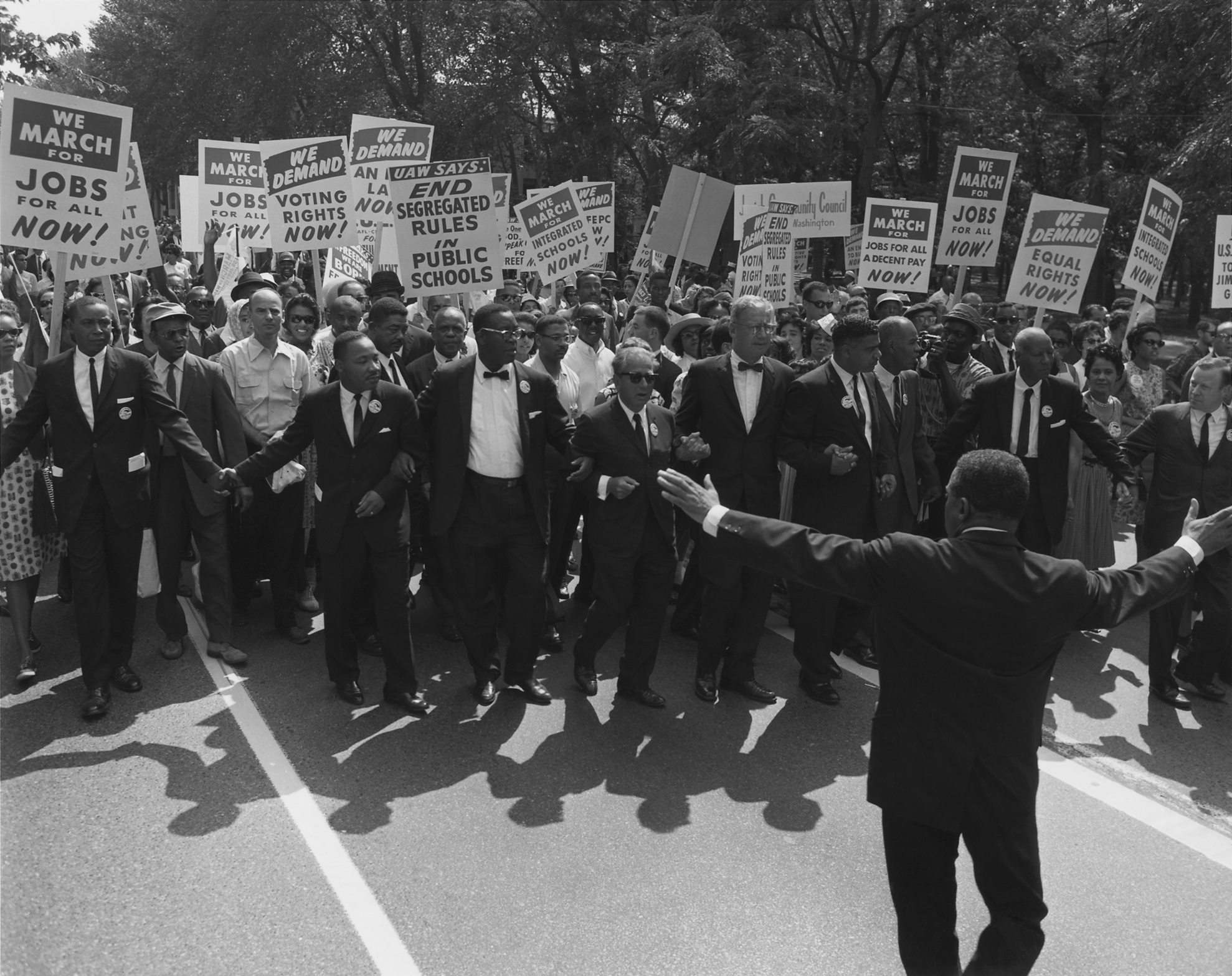
Peter Klarnet, Christie's manuscripts specialist, described his first look at the pages: "When I first saw these pages, and realized what they were, I was astounded. This is a treasure of American history. It gives you chills to look at it. Reading along, you're there in the moment with Dr. King, watching him compose it and making edits in real time."
The expectation attached to the sale has no precedent in the King market, and the size of the gap is worth sitting with. The auction record for a single King speech manuscript is $382,500, paid at Goldin Auctions in 2017 for his 1965 "We Shall Overcome" speech with his handwritten notes. A Birmingham jail logbook he signed brought $130,000 in 2021. The only King transaction anywhere near this money was not an auction result at all: in 2006 his heirs agreed to sell his entire personal archive through Sotheby's, and an Atlanta consortium paid $32 million to buy it first and keep the papers in the city. That archive — some 10,000 items, more than 7,000 of them in King's hand — is now at Morehouse College, his alma mater. The Christie's lot is one document.
Ms. Clayton is selling through the Still Marching Irrevocable Charitable Unitrust, a trust she established, and the proceeds will benefit charities including the Xernona Clayton Foundation and The King Center in Atlanta, the institution Coretta Scott King founded in 1968. King's son Martin Luther King III blessed the arrangement in the announcement: "It is poetic that the past will protect the future."
Before any of that, the public gets the pages. They will be displayed for the first time at the National Center for Civil and Human Rights in Atlanta from November 16 through November 22, with a Chicago showing to follow at a date still to be announced. Then they travel to Christie's at 20 Rockefeller Plaza, where the exhibition opens January 15 — King's birthday — and runs through January 21. Standing in front of his handwriting costs nothing. After the 22nd, where these seven pages live is a question only bidders get to answer.
Sources · 5 sources
- Christie's — announcement, "Only Handwritten Manuscript of Rev. Dr. Martin Luther King Jr's 'I Have A Dream' Speech to be Exhibited and Offered by Christie's New York" (press.christies.com, November 9, 2026): the document, the January 22, 2027 single-lot sale, the expectation of in excess of $10 million (no published estimate; estimate on request), the exhibitions, the seller and the beneficiary charities, and the Klarnet, Clayton and King III quotes
- The New York Times (Jennifer Schuessler, November 9, 2026); The Guardian (November 9, 2026); Hyperallergic (November 9, 2026) — corroborating coverage of the announcement and the rediscovery
- Stanford King Institute / King Papers Project — the improvisation in King's own words (November 29, 1963), the Detroit Cobo Hall delivery of June 23, 1963, and the promissory-note suggestion by Clarence Jones
- Goldin Auctions and the University of Memphis MLK50 project — the $382,500 record for a single King speech manuscript (2017) and the $130,000 Birmingham jail logbook (2021); the 2006 $32 million purchase of King's personal archive, now at Morehouse College
- Photo credits: all six photographs are public-domain U.S. federal works — Rowland Scherman / U.S. Information Agency, National Archives (NAID 542068, 542015, 542014) and U.S. Information Agency (march leadership), via Wikimedia Commons; U.S. Marine Corps photo 09611, via Wikimedia Commons; U.S. Information Agency (NAID 542029), via DocsTeach. Video: US National Archives (official YouTube channel) — "The March (1963, restored)," embedded, not downloaded; the Archives notes the King estate claims rights in King's speech and image, and any takedown will be honored immediately. A second Archives short, "The March on Washington in Photographs," was also embed-tested for this story