
At 6:30 Sunday morning, Pacific time, the Cincinnati Bengals and the Atlanta Falcons kick off at the Santiago Bernabéu in Madrid. Not an exhibition. Not a preseason dress rehearsal. A Week 9 game that counts, played in the home of Real Madrid, with the Falcons giving up a home date in Atlanta to be the home team in Spain.
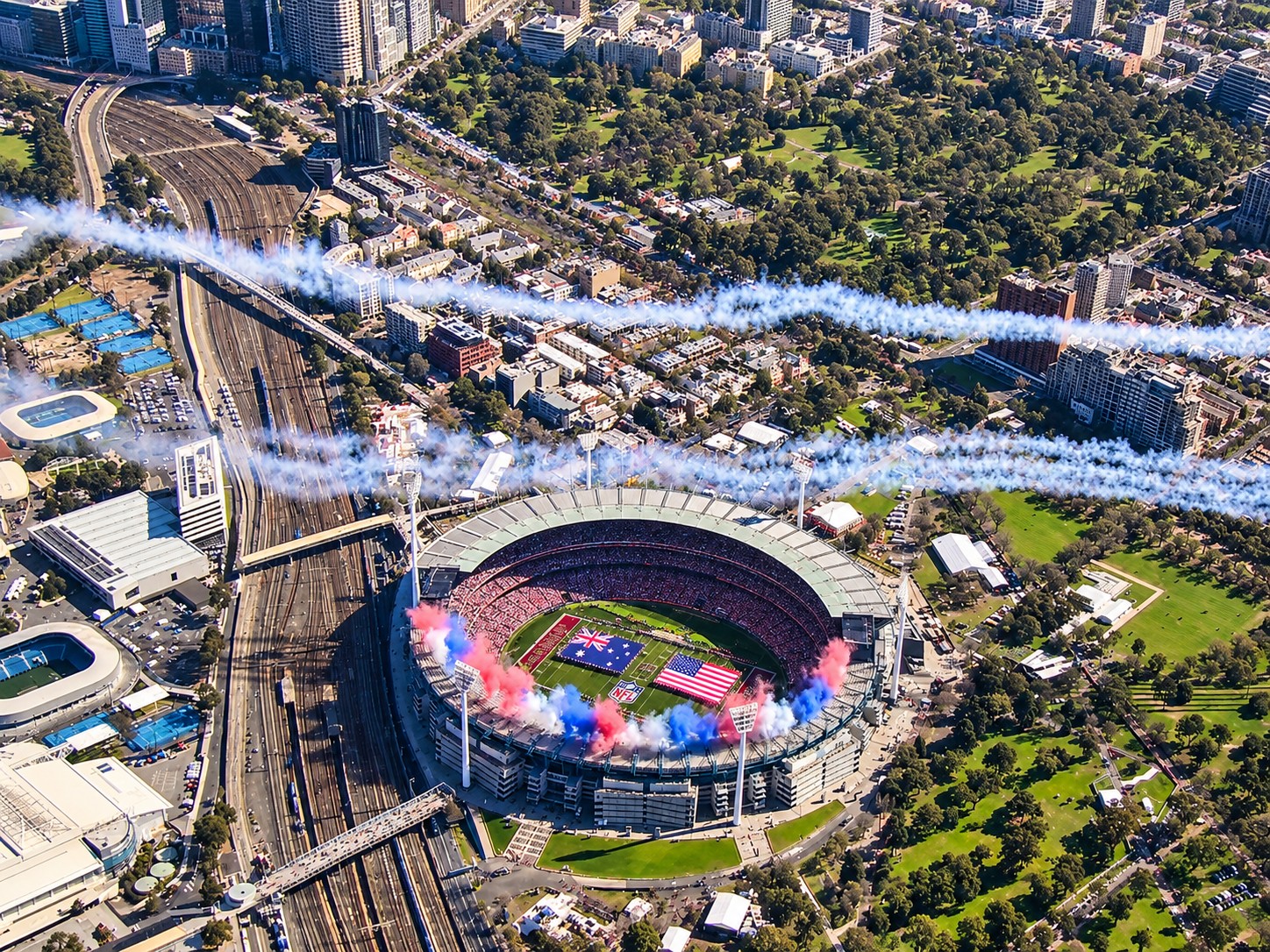
The game itself is three hours. Everything around it is a week-long operation with an eight-figure appetite, and it is the clearest window there is into what the NFL is really building. According to NFL Football Operations, the league plays a record nine international games this season across seven countries and eight stadiums — Melbourne, Rio de Janeiro, London, Paris, Madrid, Munich and Mexico City. Football is not visiting anymore. It is setting up shop.
Forty thousand pounds of football
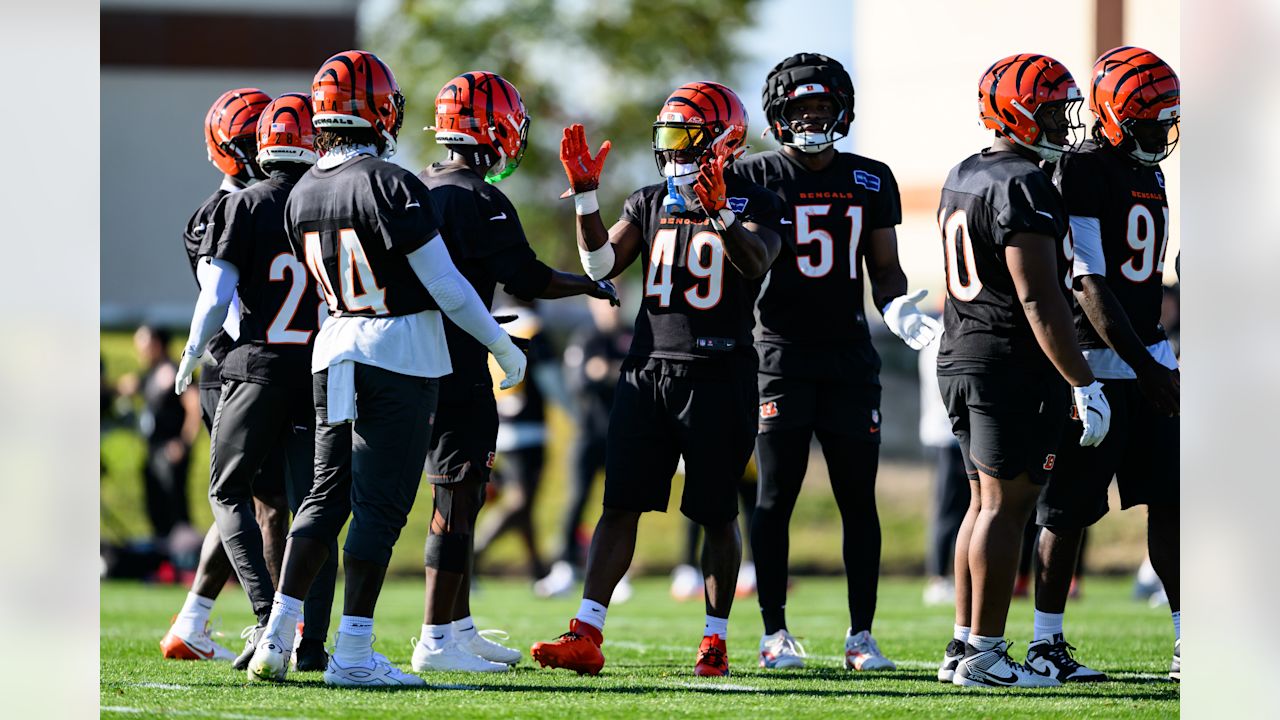
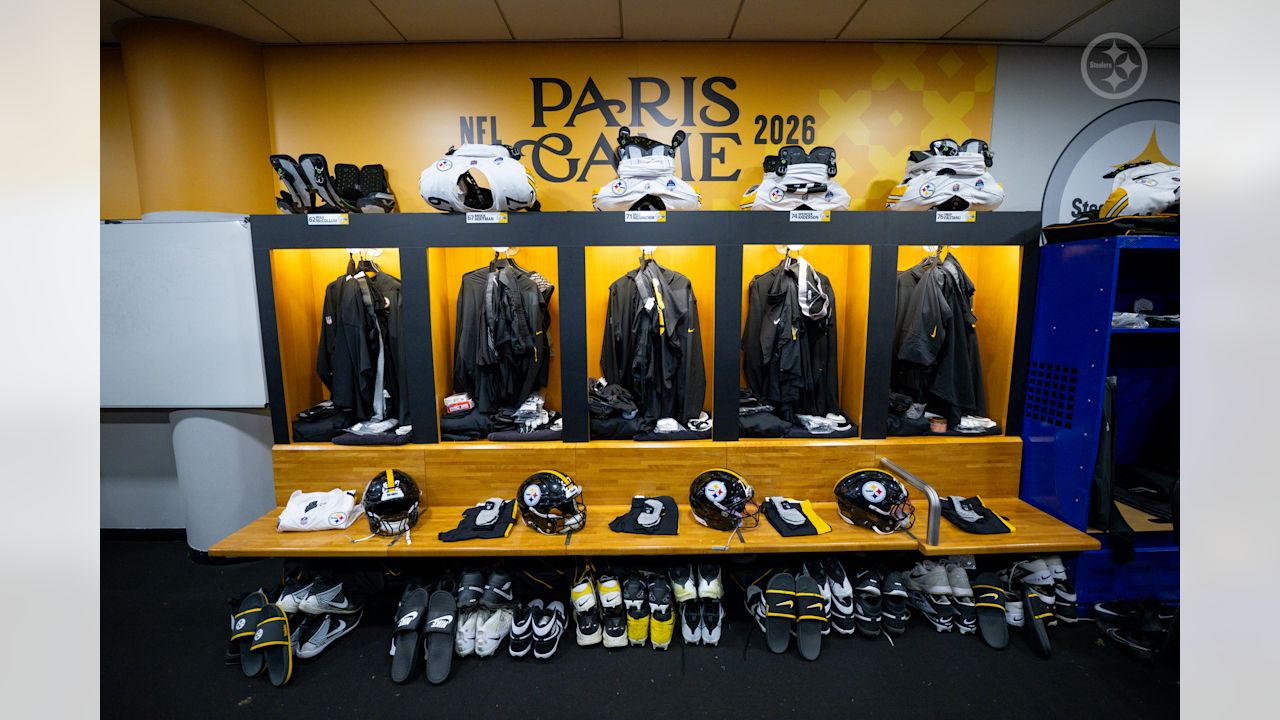
Start with the freight. "We're going to have 40,000 pounds of equipment per team," Joe Valentine, the NFL's manager of game and team operations, told ESPN. Helmets, pads, medical gear, video systems, cleats for grass the team has never played on — and a traveling party of 190 to 200 people per team: players, coaches, trainers, equipment staff, security, media crews. Cincinnati's own traveling party for this trip is 201 strong, per Bengals.com. Every one of them needs a passport, customs clearance, a hotel room, meals around the clock and a practice field that meets league standards.
The Bengals flew through the night on November 3 and woke up in Spain on the fourth, according to Cincinnati.com, with practices set for Thursday and Friday and a quiet Saturday before the game. Madrid runs six hours ahead of Cincinnati. Sleep staff, light plans, hydration schedules on the plane — teams treat the week like a science project, because the roster that adjusts fastest usually looks like the better team on Sunday. Joe Burrow plays his first overseas game this weekend, Reuters notes, and he is still looking for his first win out there: the Bengals are 0-1-1 all-time abroad, a tie and a loss, both at Wembley.


A jet that bills by the hour
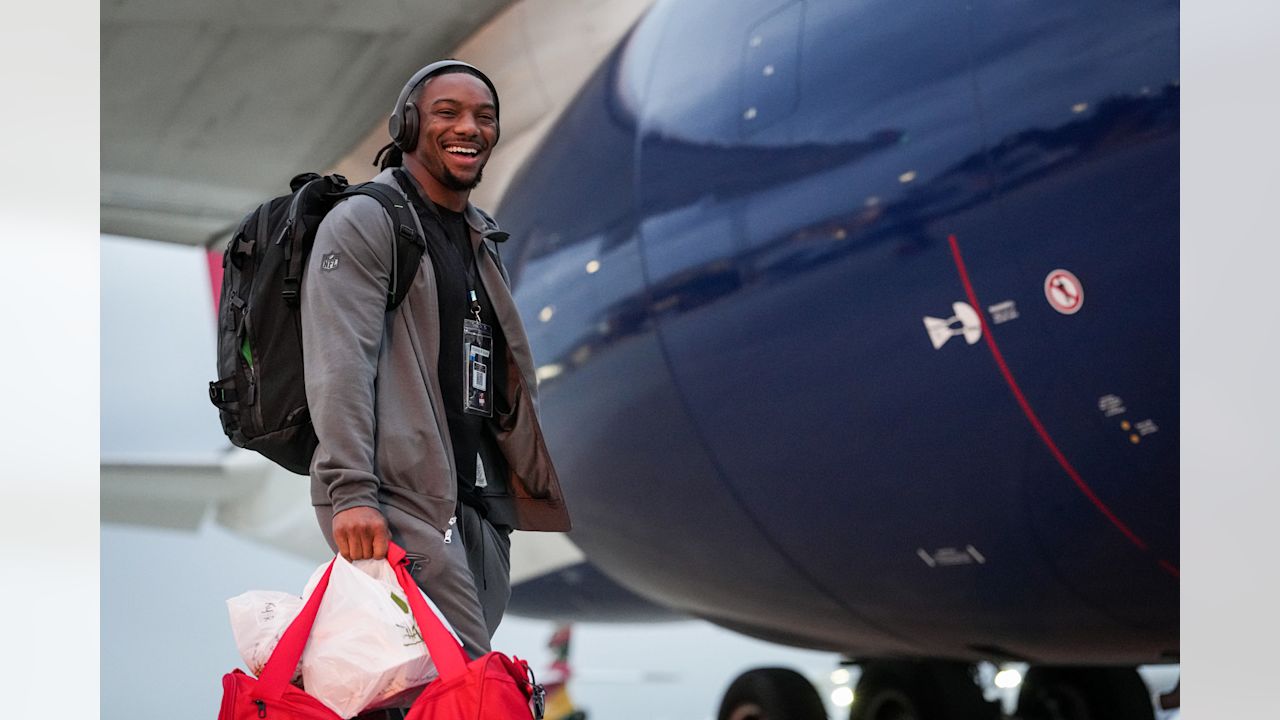
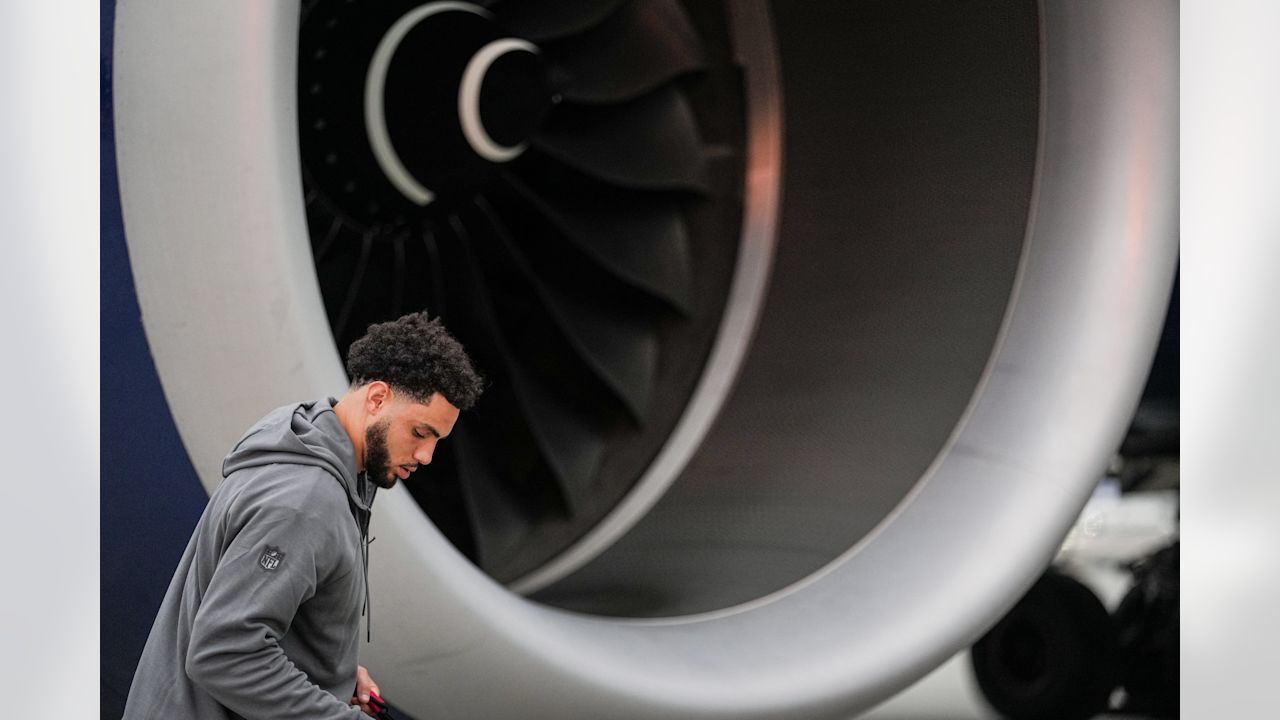
The charter is its own line item. Teams fly wide-body jets — 767s, 777s — and the planes go for roughly $20,000 to $30,000 an hour, per Joe Pompliano's reporting in Huddle Up. And the meter problem does not end at landing. The team stays the better part of a week: the plane either sits idle on a foreign tarmac or the airline works it elsewhere and brings it back for the Sunday flight home. A normal NFL road trip — fly Saturday, one hotel night, home by Monday — already runs a team $750,000 to $1 million. Going overseas adds several hundred thousand dollars more on top of that, with the league paying a stipend toward the difference.

Real Madrid's house, football's rules
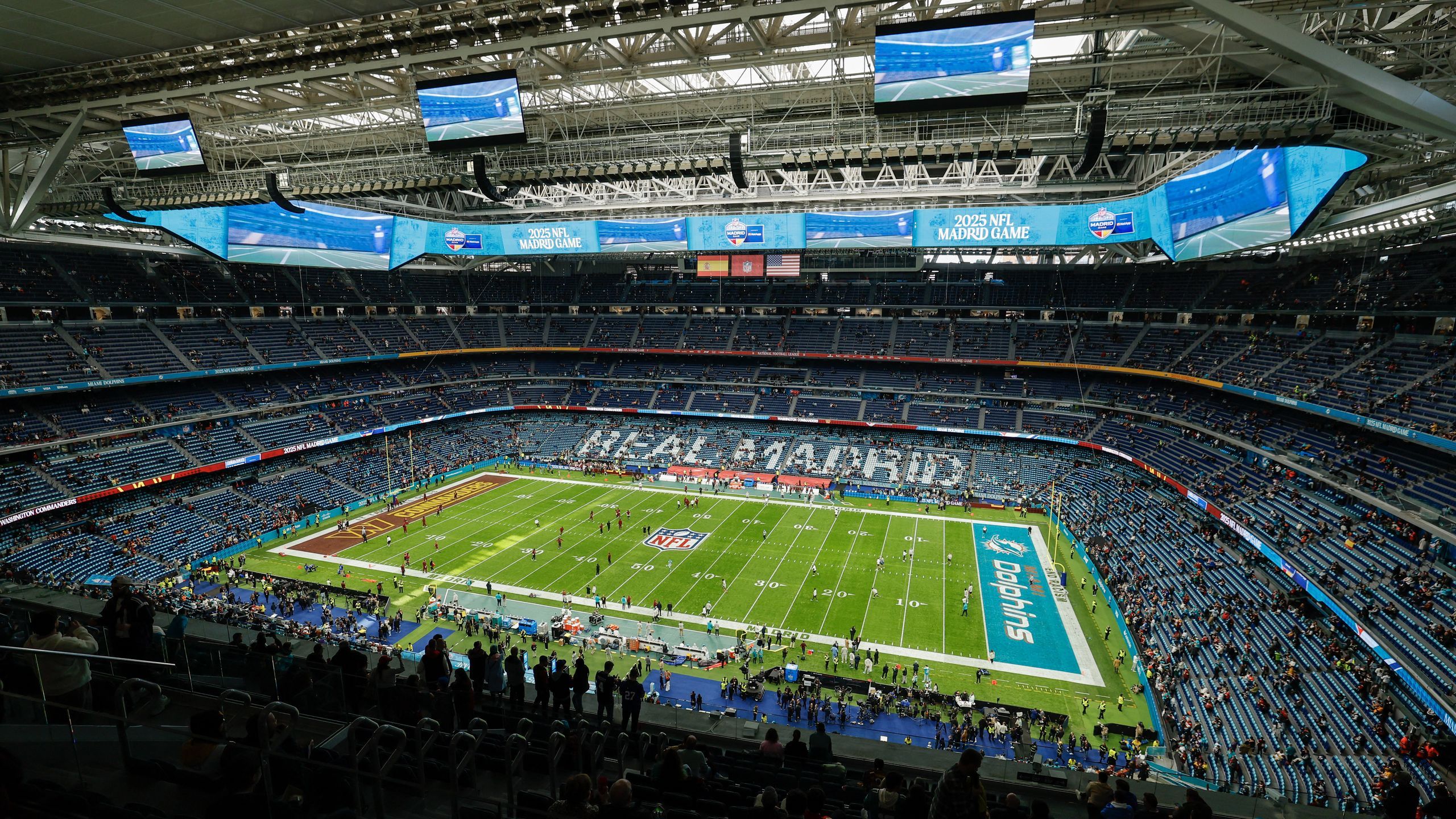
Then a soccer cathedral has to become a football stadium. The Bernabéu pitch gets re-measured and re-lined to NFL dimensions. Goalposts go up behind the goals. Benches, replay booths, coaches' headsets, the entire sideline operation gets built in a building that keeps almost none of it. Madrid has done this exactly once: last November, the Dolphins beat the Commanders 16–13 in overtime in the first regular-season NFL game ever played in Spain. Sunday, the Falcons — 3-5, and playing their sixth regular-season game outside the United States — get their turn in the building.

The home team gives up a Sunday
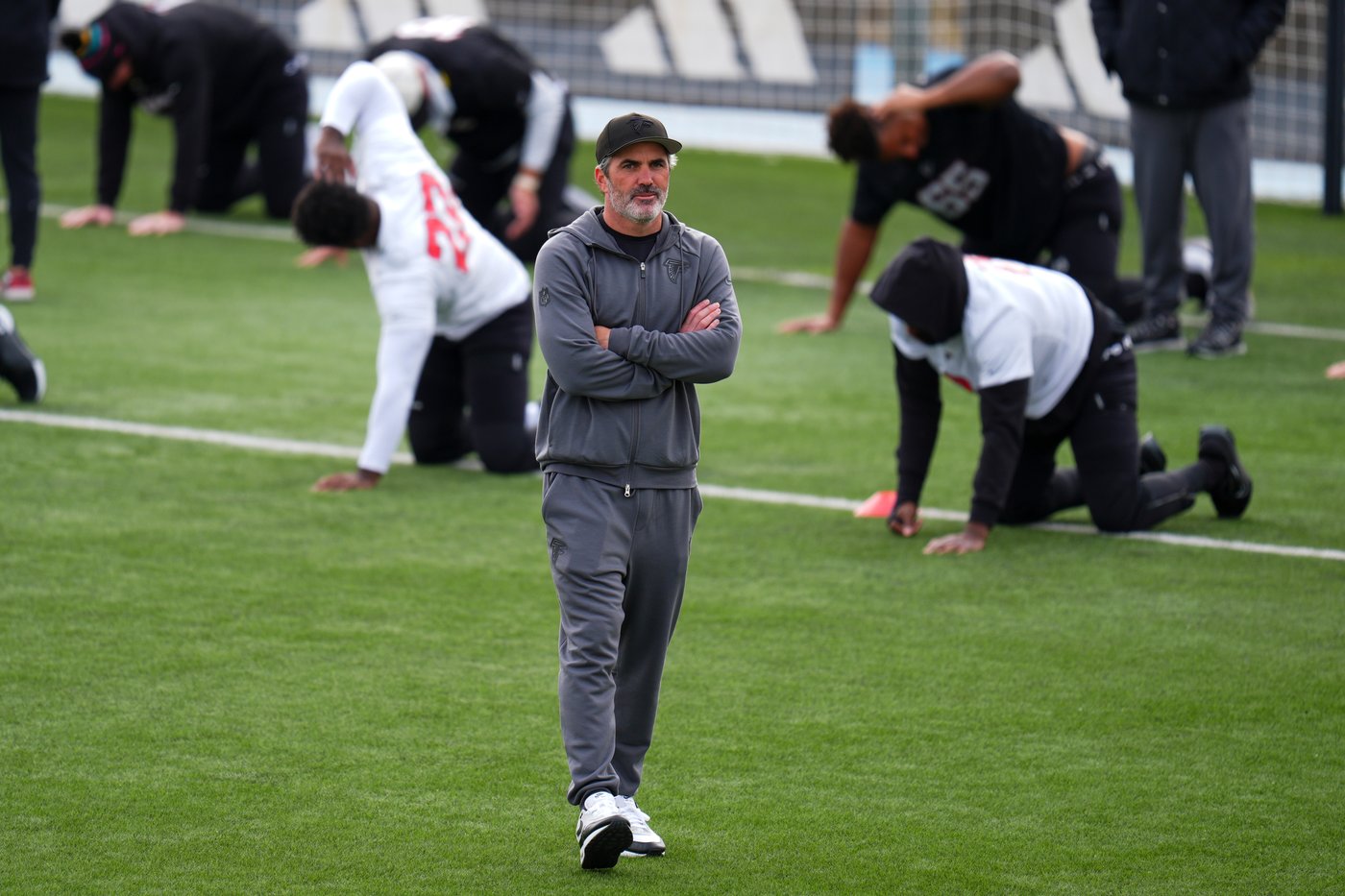
So who writes the checks? Start with the hosts. Cities pay for the privilege: hosting fees run around $10 million a game, per Pompliano's reporting, and the Victorian government in Australia is reportedly paying A$10 to A$15 million per game to bring the league to Melbourne, a figure The Age dug up and officials declined to confirm, via Reuters. The bet on their end is tourism — fans flying in, hotels full, a weekend of spending.
Then the money the game makes takes a ride of its own. Nearly all of it — tickets, suites, concessions, sponsorships, the hosting fee itself — goes into the league's national revenue pot and gets split evenly among all 32 teams, whether your team crossed an ocean or never left home. One team does it differently. The Jacksonville Jaguars keep their London money: every ticket, every suite, every food and merchandise dollar, a deal Pompliano reports is worth $35 to $50 million each time they play there.
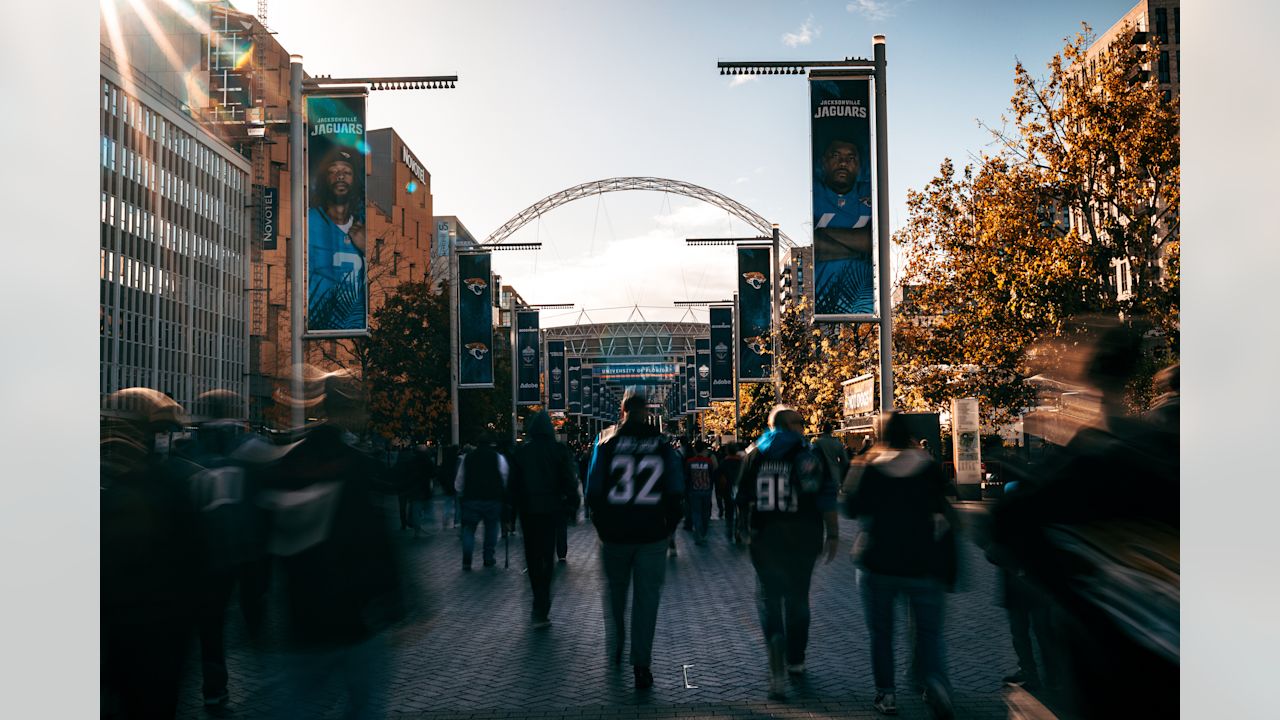
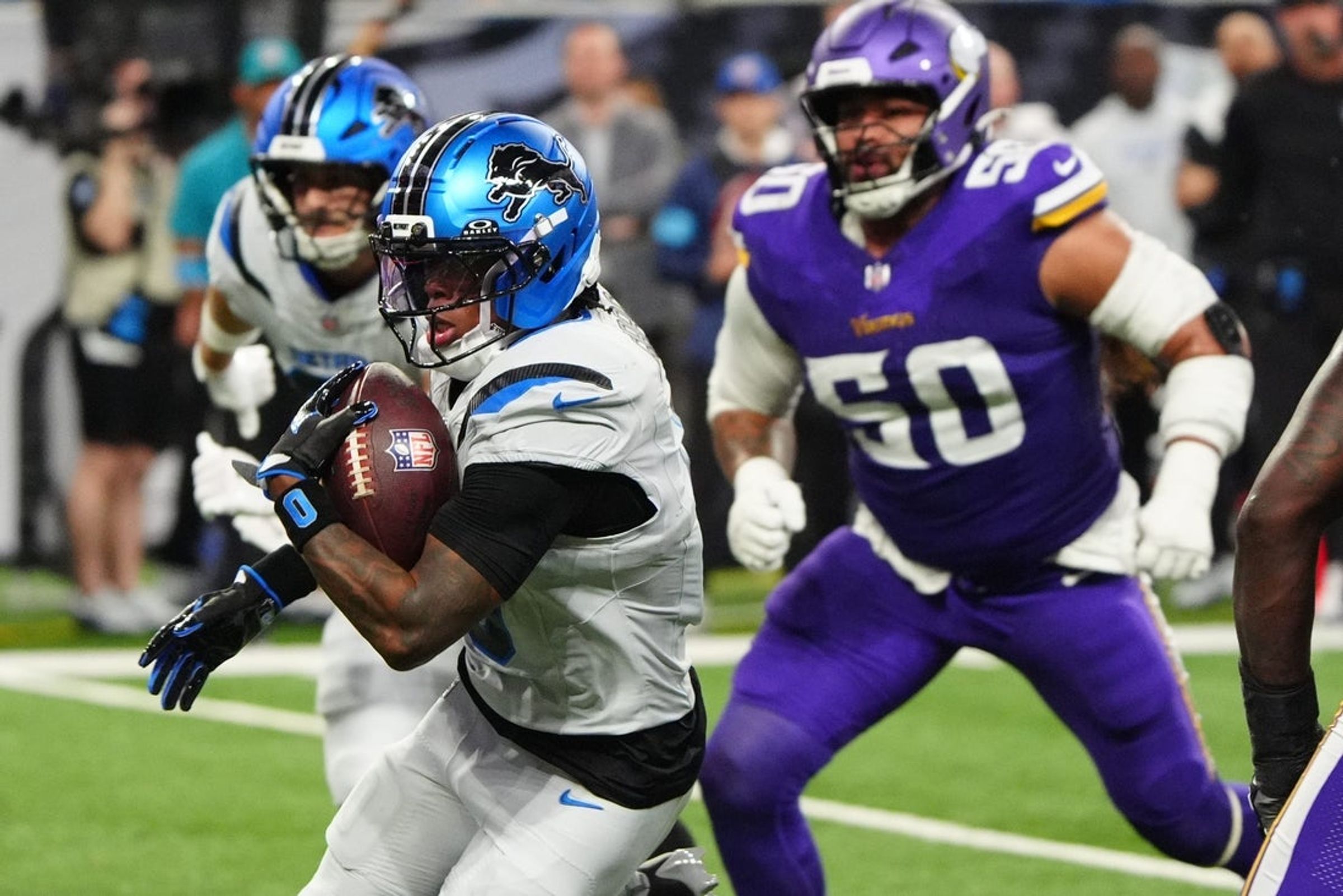
Everybody else trades a real home Sunday for an equal slice. The designated home team — Atlanta this week — gives up a home gate at its own stadium. Washington's Josh Harris said the quiet part out loud last month, standing in a London pub the day before his Commanders gave up a home game there: "It's not good. It's bad in a lot of ways," Harris said, via Sportico. "But I'm not so much focused on economics, honestly. I'm focused on being part of the NFL community and growing the game internationally."
Losing money on purpose
Because here is the honest part: the NFL has said its international games are not yet profitable, per Pompliano's reporting — the cost of staging them eats what they earn. The hosts do fine. Rio de Janeiro's city government studied its game in September — Cowboys and Ravens at the Maracanã, 72,792 in the building — and estimated $89.8 million in economic activity. But the league is not running Madrid for Madrid's money. It is buying the map. Nine games this year. Up to ten league-run games next year, the most the current labor deal allows — eleven total if Jacksonville's Wembley date lands on top. And Commissioner Roger Goodell has said the ambition out loud: 16 international games a season, one for every team in the league.
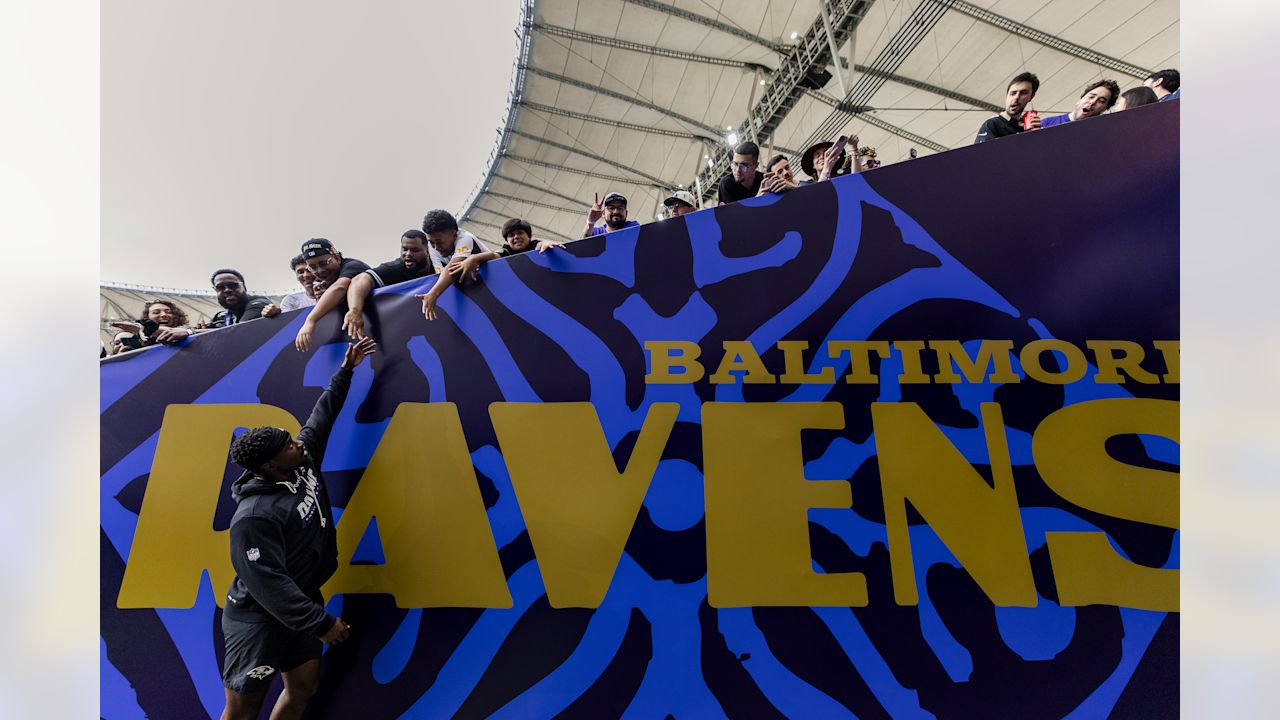
The runway is already set. Next Sunday it's the Patriots and Lions in Munich. The Sunday after, the Vikings and 49ers close the international slate in Mexico City, in primetime. The endgame is a generation of fans in Madrid, Munich and Melbourne who grew up on the shield — and a global TV package the league can sell the way it sells everything else.
So when the Falcons and Bengals line up Sunday morning in a soccer stadium 4,000 miles from home, understand what you are watching: the most expensive road trip in American sports, staged by a league that has run the numbers and decided it is a bargain.
Sources · 6 sources
- ESPN — NFL international game operations reporting (equipment and traveling-party figures)
- Huddle Up — Joe Pompliano's reporting on charter costs, hosting fees, the Jaguars' London deal and international-game economics
- Reuters — Bengals–Falcons Madrid game announcement; the Victorian government's reported Melbourne bid, via The Age
- Cincinnati.com — the Bengals' Madrid travel and practice week; the club's international history
- NFL Football Operations — the 2026 international slate: nine games, seven countries, eight stadiums
- Sportico — Josh Harris on the home team's overseas economics