LOS ANGELES — For most of the 4 minutes and 21 seconds captured by the camera aboard NewsChopper4, everything sounded normal. That is what federal investigators said Tuesday, releasing the first official account of the final minutes of the Sept. 15 helicopter crash in Chatsworth that killed three people. In the final 29 seconds of the recording, the engine and rotor sounds changed frequency — and then the warning horns began, intermittent and continuous, consistent with the helicopter’s rotor-rpm advisories. The National Transportation Safety Board’s preliminary report details those last seconds in clinical terms. It does not say what caused the crash.
The three people killed were reporter Eliana Moreno and pilot George Marciniw — who had flown together for three years, reporting for NBC4 Los Angeles and Telemundo 52 from a helicopter operated by Angel City Air — and 29-year-old Edy Gutierrez Mejia, who was on the ground. A fourth person on the ground was minorly injured, the report said.
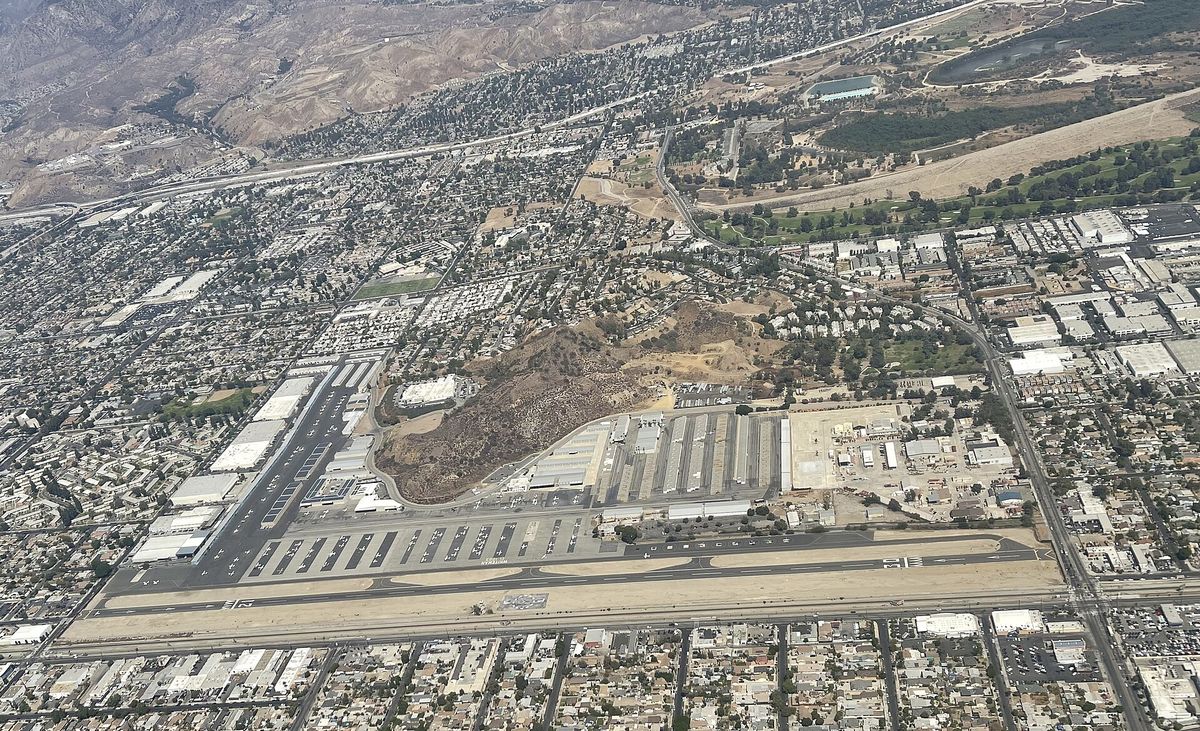
The crew’s assignment that evening was a fatal collision between a Los Angeles Metro bus and an SUV that had killed two people earlier in the day. NewsChopper4 departed Whiteman Airport in Pacoima at 5:24 p.m., flew about nine miles west to Chatsworth at an average altitude of 1,600 feet, and spent roughly an hour and 24 minutes maneuvering in the vicinity of the bus crash, gathering video.
The final minute is where the report tightens. During that last minute of flight, the helicopter was roughly 800 feet above the ground and had decelerated to about six knots of ground speed. At about 6:55 p.m., flight-tracking data showed the aircraft “began a rapid descent while turning right,” the NTSB report stated. The last recorded data point had it descending at a high rate, traveling about 38 knots directly above the crash site. Security cameras on nearby buildings recorded the helicopter descending rapidly before it struck a metal storage container between two commercial buildings. A post-crash fire quickly ensued.
What investigators found on the ground: a debris field extending about 30 feet from the wreckage, with all major components still attached to the fuselage or lying within that small area. The helicopter came to rest partially on its right side, heavily damaged by fire — the fuselage, in the report’s words, mostly reduced to ash and thermally damaged metal. The tailboom had separated but remained next to the fuselage; both the main and tail rotor assemblies were still attached at their mounting points. The wreckage has been moved to a facility for further examination.
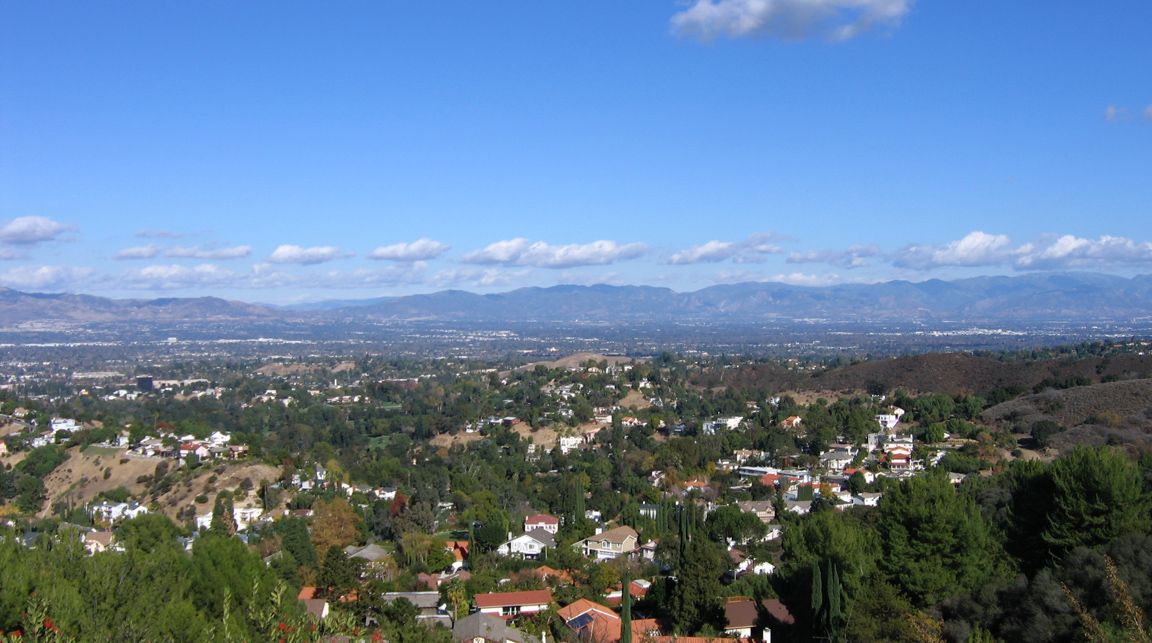
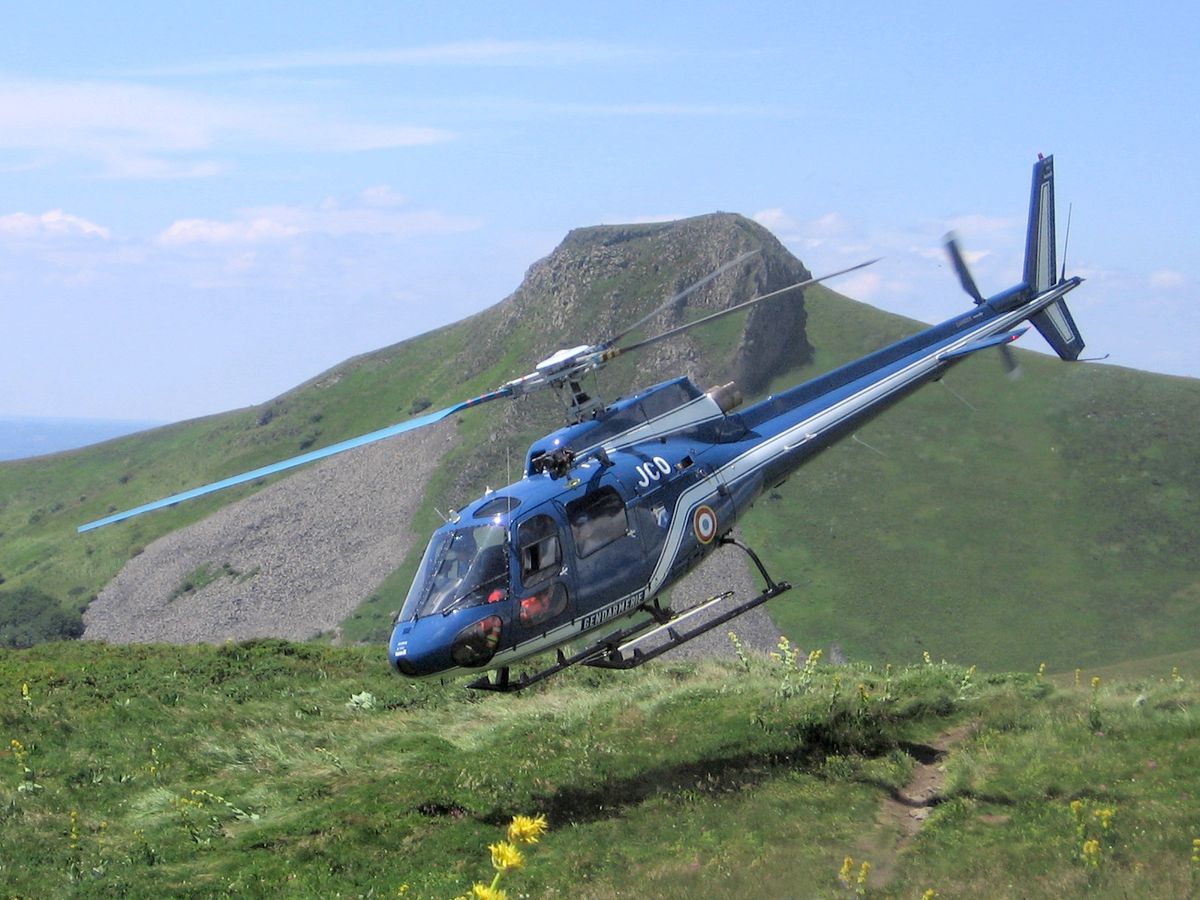
The report’s most telling detail may be the altitude. A helicopter that loses engine power can, in the right conditions, auto-rotate — gliding down on unpowered rotors to a controlled landing. But auto-rotation needs altitude to work, generally on the order of 1,000 feet or more, and it needs forward airspeed. NewsChopper4 was at roughly 800 feet and six knots when the trouble started. Whatever went wrong in those final 29 seconds, the crew’s margin was brutally thin. The report itself draws no such conclusion — it notes only what the data and the video show — but the numbers describe an aircraft with very few options.
For Los Angeles’s news community, the loss is personal in a way few stories are. Moreno and Marciniw were fixtures of the city’s aerial coverage — three years as a crew, a steady presence over the region’s breaking news. Colleagues at NBC4 learned what had happened while they were on the air that evening; anchor Colleen Williams told viewers the station had lost contact with its people and had just received confirmation that NewsChopper4 had gone down just before 7 o’clock in Chatsworth. “We knew we’d lost contact with our people out there,” Williams said, before the station took a few minutes to process and regroup.
The NTSB emphasized that a preliminary report is exactly that — a factual record of what investigators know so far, not a finding of probable cause. A final report, which will attempt to determine what brought the helicopter down, could take up to 18 months.
The preliminary report is a factual document, not a final determination. The full investigation will examine the wreckage now held at a secure facility — along with maintenance records, pilot records and the onboard video — before the board reaches any finding on probable cause. That process, investigators noted, could take up to 18 months.
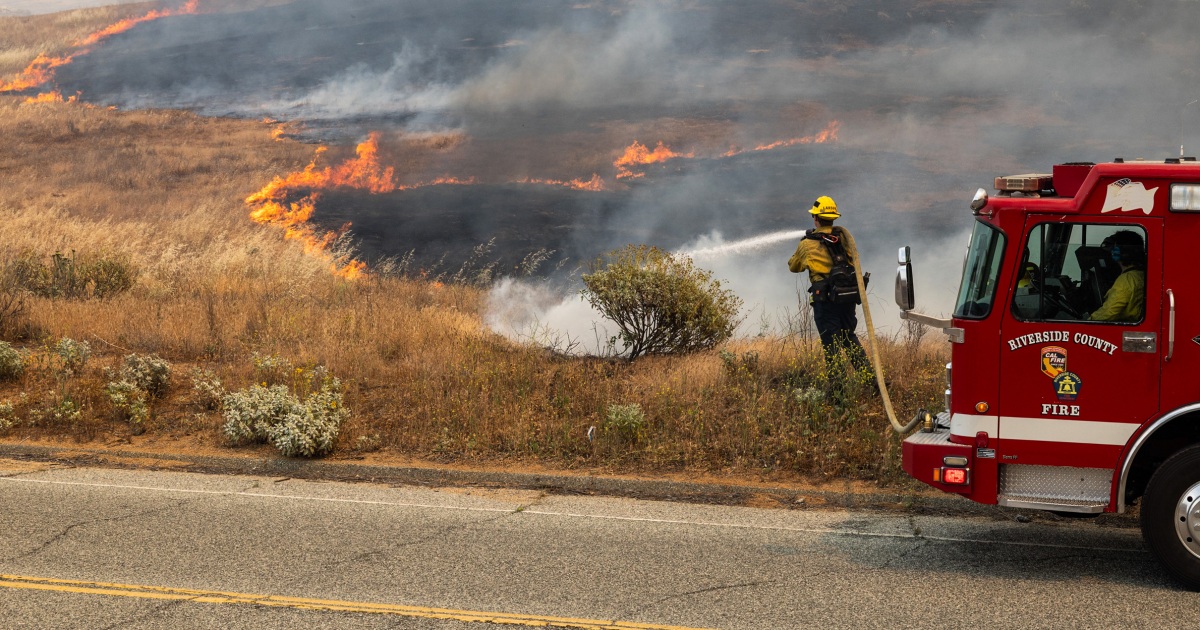
Until then, what the report leaves behind is a timeline: a routine assignment over a deadly bus crash, an hour and 24 minutes of normal operations, and 29 final seconds of changing frequencies and warning horns over Chatsworth — and three people who didn’t come home. Elsewhere in Southern California, crews were battling the Pico Fire near Lake Perris on Tuesday.
Key facts
Reporting this story is based on
- USA Today
NTSB: Warning horns sounded before deadly LA news helicopter crash - New York Post
NTSB releases report on horror LA NBC helicopter crash that killed reporter, pilot and tourist
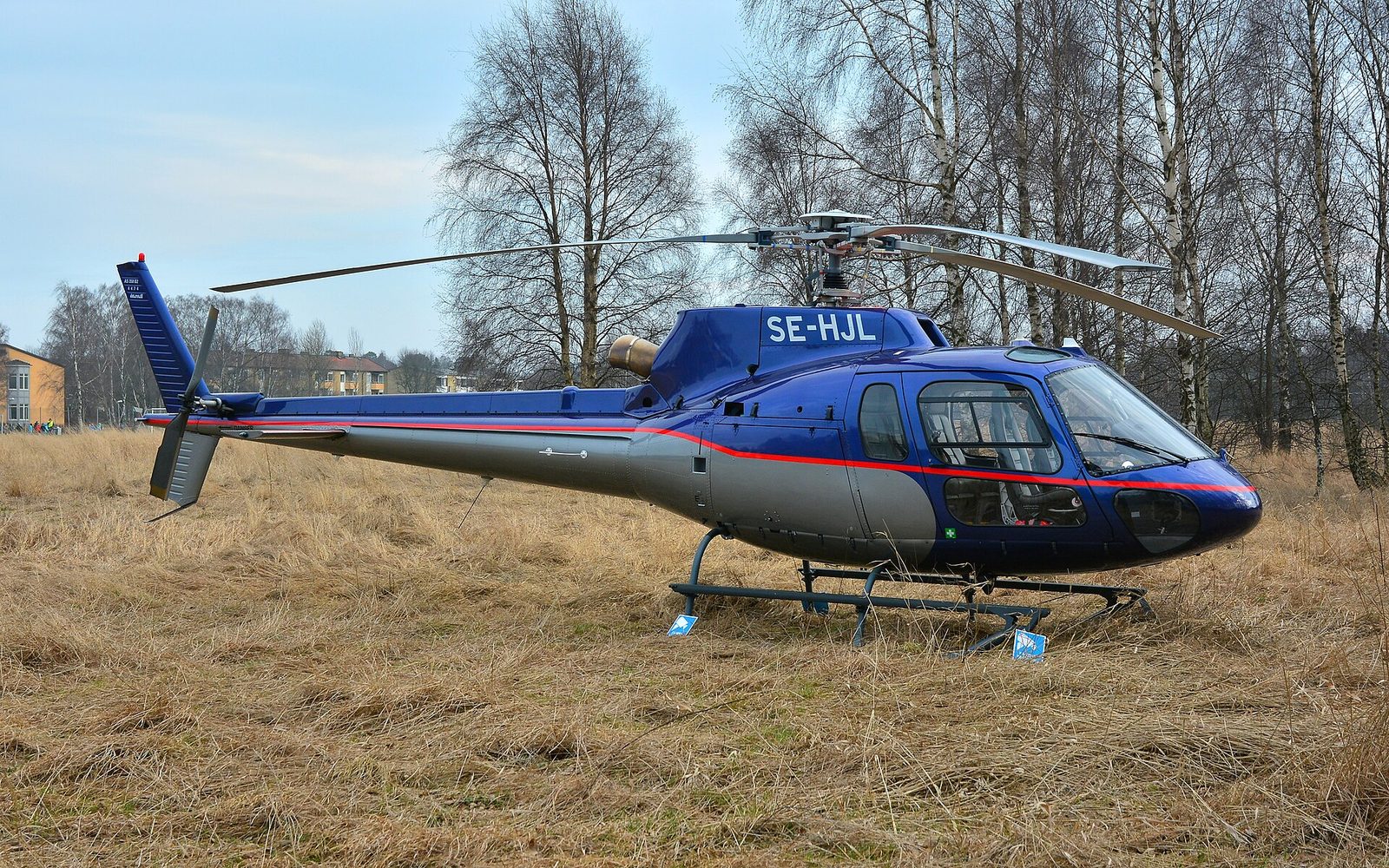
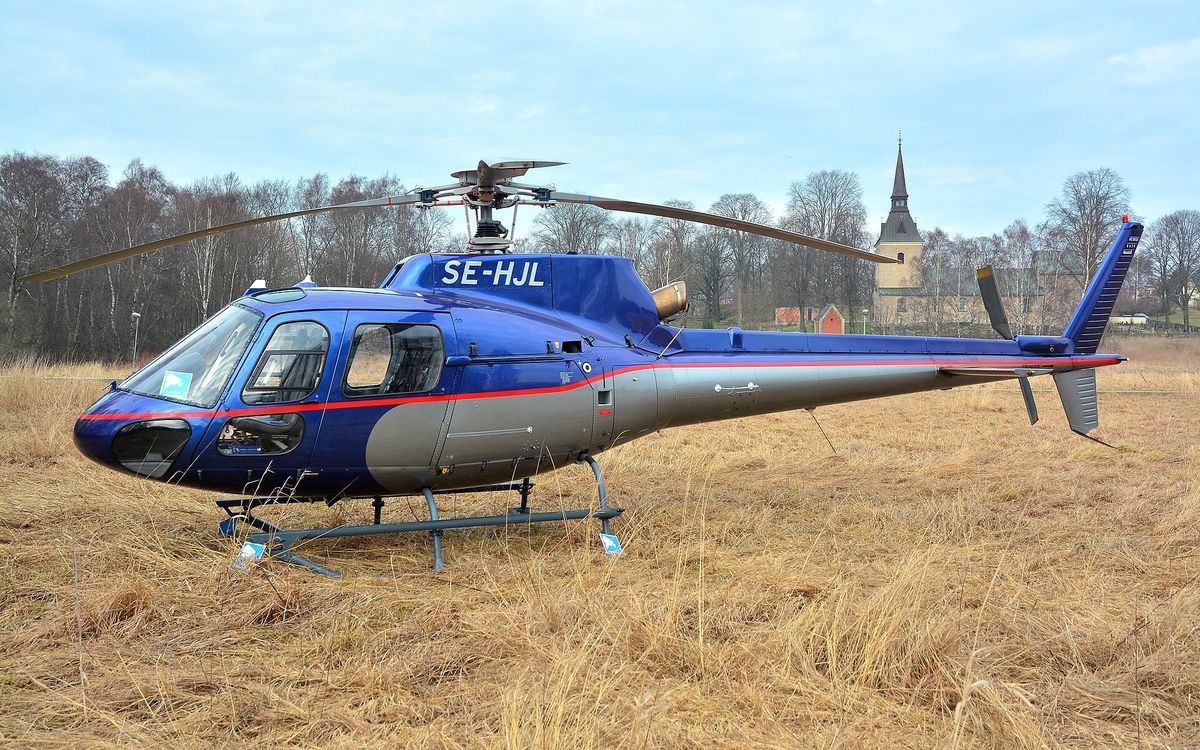
Flight timeline, video findings, and victim identifications verified against both outlets’ reporting on the NTSB preliminary report. Photography via Wikimedia Commons contributors as credited; all helicopter imagery is file photography, not the crash aircraft.