The Short Version
- A preliminary magnitude 7.6 earthquake struck Panama just before 1:56 p.m. ET Friday (about 12:56 p.m. local time), centered just under 9 miles southwest of Pitaloza Arriba in Herrera Province at a shallow depth of about 12.6 km.
- The USGS initially reported the quake as magnitude 8.0, then revised it down; CNN reported a preliminary 7.7. The number is still being revised as more seismic data comes in.
- The U.S. Tsunami Warning Center issued a tsunami threat: waves of 1 to 3 meters (3 to 9 feet) are possible along some Panama coasts, with less intense waves possible for Colombia, Costa Rica, Ecuador, Peru, Nicaragua, Guatemala, El Salvador, Honduras, Mexico, and Chile.
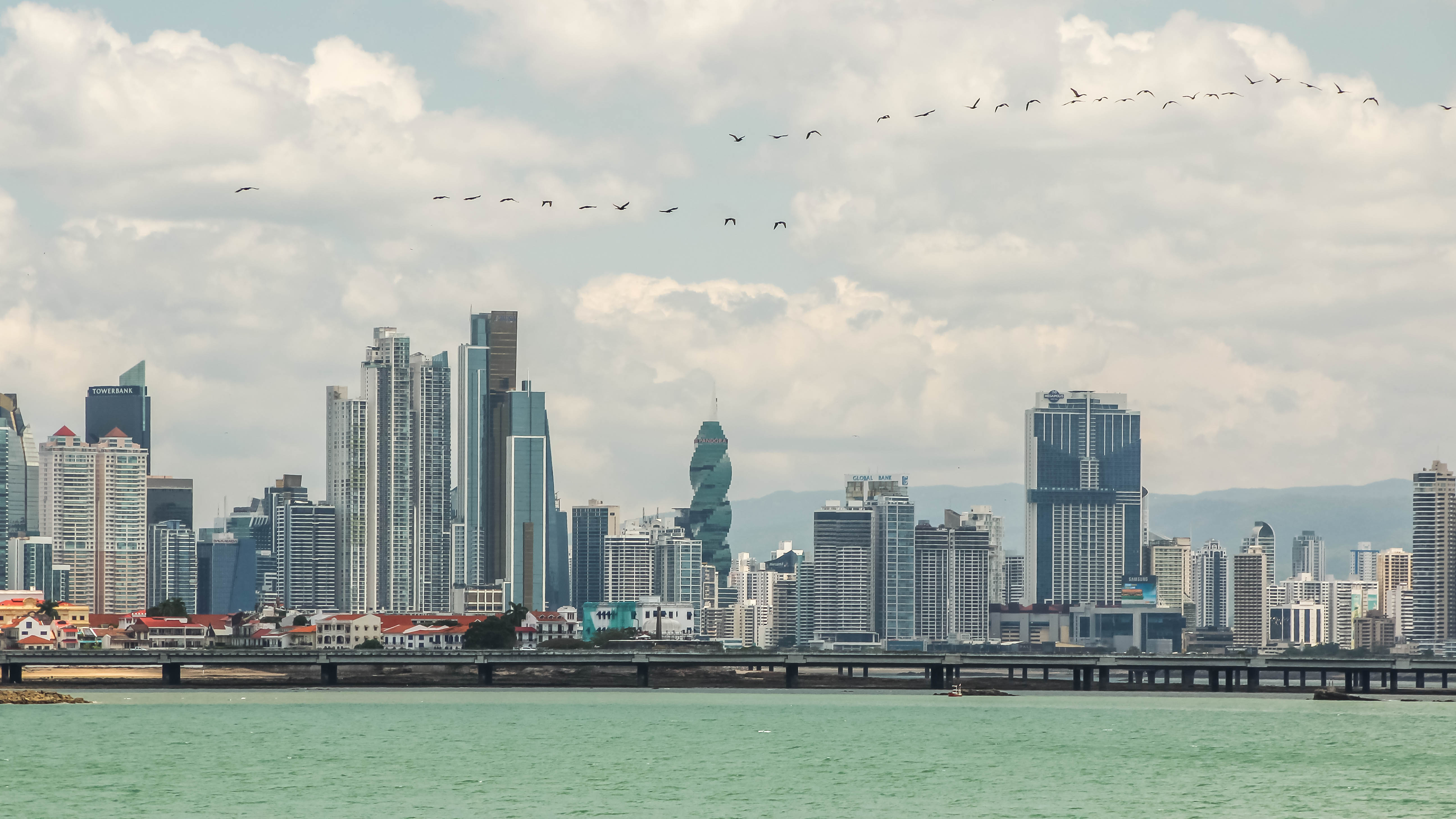
- The shaking was felt in Panama City — where buildings shook and people evacuated into the streets — and as far as San José, Costa Rica. Local media are reporting structural damage in parts of Panama; injuries and damage are still being assessed.
PANAMA CITY, Panama — A powerful earthquake rocked Panama on Friday afternoon, and as of this writing the story is still moving fast. The U.S. Geological Survey says the quake measured a preliminary magnitude 7.6, centered on the Pacific side of the country near Herrera Province — close enough to the coast, and shallow enough, that the U.S. Tsunami Warning Center immediately issued a tsunami threat for Panama's Pacific shoreline and put half the continent's Pacific coast on alert. If you're just catching up, here's what we know, what the number dance means, and what we don't know yet.
The magnitude dance — and why "preliminary" matters
First, the number. The USGS initially reported the quake as a magnitude 8.0, then revised it down to 7.6 as more seismic data arrived. CNN's latest reporting cites a preliminary magnitude of 7.7. This is normal in the first hours after a big quake — the initial readings come from the fastest available sensors and get refined as more stations report in — but it's worth saying plainly: the magnitude is still a preliminary figure. Don't get anchored to any one number yet.
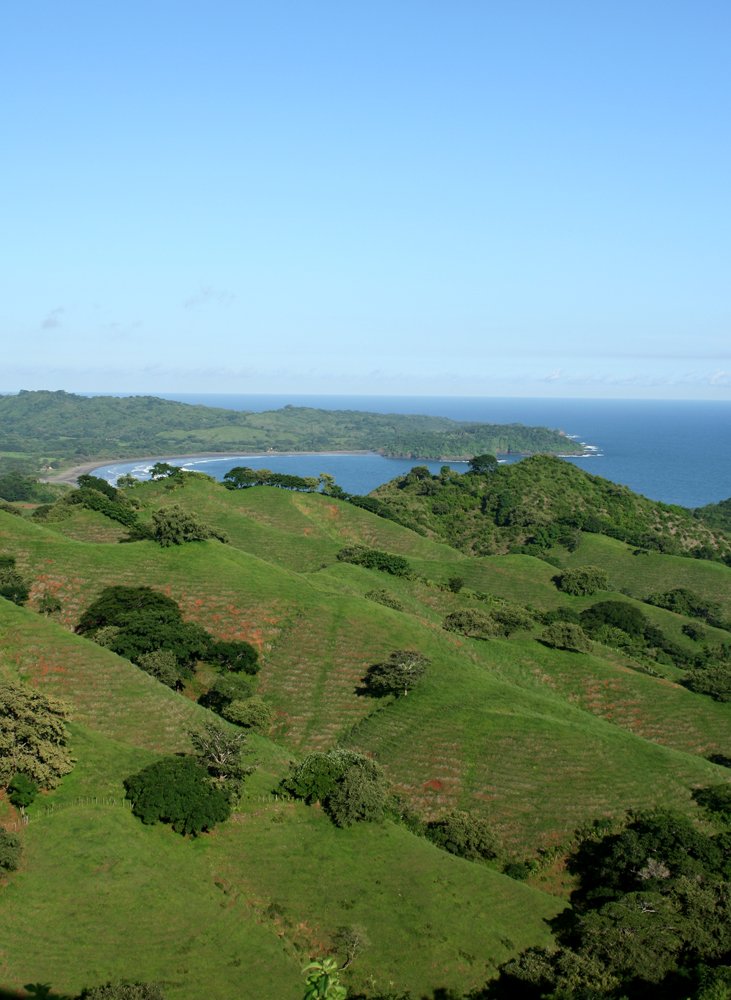
What hasn't changed between revisions is the geography. The epicenter was just under nine miles southwest of Pitaloza Arriba, a community in Herrera Province on Panama's Pacific side, and the quake struck at a shallow depth of about 12.6 kilometers. Shallow matters: a 7.6 at that depth does far more damage — and moves far more water — than the same magnitude buried deep in the crust. The Pacific coast of Central America sits right on top of the subduction zone where the Cocos Plate dives under the Caribbean Plate, which is why this stretch of coastline has produced big, tsunamigenic quakes for as long as people have been measuring them.

The tsunami threat: 1 to 3 meters, coast-wide alert
According to the U.S. Tsunami Warning Center, the quake triggered a formal tsunami threat. Waves reaching 1 to 3 meters — roughly 3 to 9 feet — are possible along some coasts of Panama, and the warning system's threat listing extends well beyond the country's borders. USA Today reported potential tsunami threats listed for Colombia, Costa Rica, Ecuador, Peru, Nicaragua, Guatemala, El Salvador, and Mexico; CNN's version of the list adds Chile and Honduras, noting those countries could see less intense waves.
For anyone on a Pacific beach in Central or South America this afternoon: a tsunami threat means get off the beach, get away from the shore, and get to high ground or inland until authorities give the all-clear. A 1-to-3-meter wave doesn't sound cinematic, but tsunami waves don't break like surf — they arrive as a fast, powerful surge of water that floods and drags. Do not go to the beach to watch it come in. This is the single most important practical thing in this story right now.
On the ground: shaking, evacuations, damage reports coming in
The quake was felt widely. In Panama City, buildings shook and people evacuated into the streets. The shaking carried across the border — Reuters reported the temblor was felt in San José, Costa Rica's capital, as well. CNN reported that local media are already describing structural damage in some parts of the country, and that several aftershocks have been reported near the epicenter. Aftershocks are the aftershadow of a big quake's rupture, and near the epicenter they can be strong enough to finish what the mainshock started — if you're in Herrera or the surrounding provinces, treat every aftershock seriously and stay out of damaged buildings.
Panama's president, José Raúl Mulino, has called for calm and instructed the minister of government to provide information on the earthquake's effects, according to CNN. That's the right early posture from a government — information, not reassurance theater — and the next few hours of official updates will matter enormously for the affected communities.
What we don't know yet — and one number to read carefully
Let's be direct about the limits of what anyone knows right now. USA Today reported that it was not immediately clear whether the quake caused any injuries or damage, and the full picture of casualties and structural damage is still being assessed. CNN noted that the USGS's automated impact estimate said some casualties are possible and extensive damage is probable — but that is an automated model estimate, not a count of actual victims. It would be wrong to report it as one. We will not invent casualty numbers, and neither should anyone else: the real accounting comes from rescue and survey teams on the ground in the hours ahead, and we'll update this story as those reports arrive.
Fox Weather noted the quake is the third-strongest earthquake of 2026, behind only a 7.8 in the Philippines on June 7 and a 7.8 in Indonesia on Aug. 14. And it lands in a region already battered this year: CNN reported that over the summer, Venezuela was hit by two powerful earthquakes that killed more than 6,400 people, while a tremor in Colombia left around 300 dead. Latin America is having a brutal seismic year, and Panama just joined the list.
While you're watching this story, another hemisphere-scale emergency is unfolding Friday: Hurricane Isaias is a Category 3 closing in on the Florida Panhandle, with landfall expected tonight. And for more on everything developing today, the Previously news desk is updating through the evening. This story will be updated as the situation develops.
Sources
- Massive earthquake strikes Panama at magnitude 7.6, tsunami threat issued USA Today · October 9, 2026 (Natalie Neysa Alund, with Reuters contributing)
- Powerful earthquake shakes Panama CNN · October 9, 2026
- Monster magnitude 8.0 rocks Panama Fox Weather · October 9, 2026 (updated 2:46 p.m. EDT)