
Sunday, 3:30 PM PT — More American women are being prescribed GLP-1 medications after giving birth — and a new study documents just how sharply that prescribing has risen, and which patients are driving the surge.
A 24-fold increase in seven years
Researchers at the USC Schaeffer Center for Health Policy & Economics examined private insurance claims data for just over 1 million births during a seven-year period. They found that the share of new mothers starting a GLP-1 prescription — drugs like Ozempic and Zepbound — within six months of giving birth increased from 0.08% in the first half of 2018 to 1.9% by the first quarter of 2025: a 24-fold increase.
The study, published Oct. 1 in JAMA, is among the first to document the surge in new postpartum prescriptions in the United States. It is the first to identify which clinical groups — women with diabetes, gestational diabetes, obesity, or no documented diagnosis — are driving the growth.
Women with type 2 diabetes had the highest rate of prescriptions. Among this group, the share starting a GLP-1 increased from 2.3% to 16.9% over the study period — or about 1 in 6. The share of those with gestational diabetes who started a GLP-1 also rose substantially, from 0.4% in mid-2021 to 2.7% in the first quarter of 2025. Gestational diabetes, which develops during pregnancy among women who previously did not have diabetes, affects about 5% to 9% of pregnancies and greatly increases the risk of developing type 2 diabetes later.
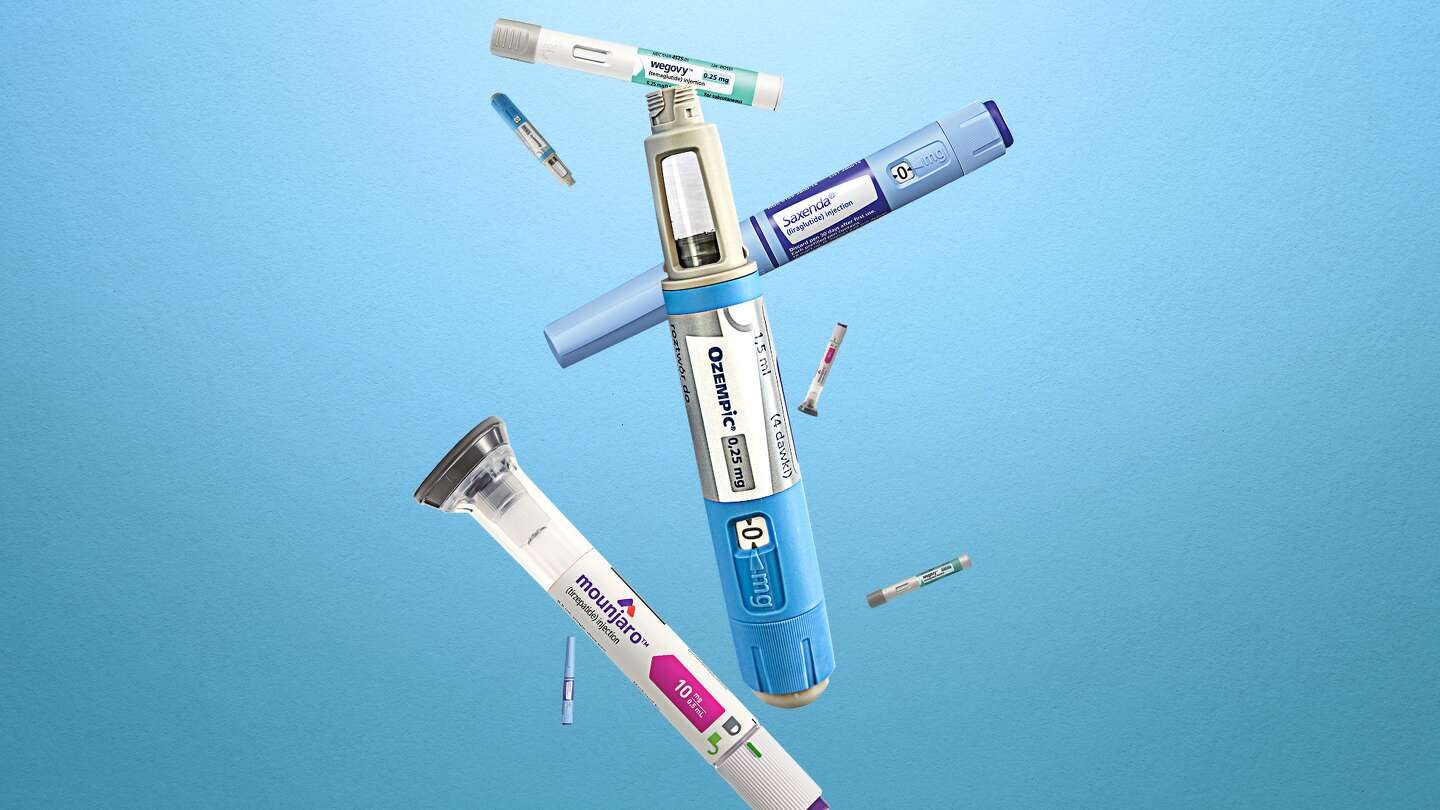
Fastest growth: women with obesity or overweight
Prescribing increased fastest in relative terms among women diagnosed as obese or overweight before pregnancy — from 0.4% in the second half of 2021 to 3.9% in the first quarter of 2025. Since the second half of 2024, that group has accounted for about 40% of new postpartum GLP-1 prescriptions, according to HealthDay’s coverage of the study.
Another 21% of the women who started a GLP-1 had no documented qualifying diagnosis before giving birth. However, most of these women received a diagnosis — usually obesity or overweight — before starting the medication, the researchers found.
The timing matters too. Patients are advised to stop using GLP-1 medications during pregnancy, and most postpartum women in the study who started one did so at least three months after giving birth — nearly 62% waited three to six months, according to HealthDay.

What the researchers say — and what they don’t know
The lead author frames the postpartum period as a critical window for addressing metabolic risk after pregnancy — and the study suggests doctors are increasingly treating it that way. But the researchers are explicit in the JAMA paper about what remains unknown. “Because evidence on GLP-1 exposure during breastfeeding remains limited, rising postpartum initiation warrants further study,” the study’s authors wrote.
Crucially, the study could not determine which of the women taking GLP-1s were breastfeeding. That gap is the one the authors want filled. The drugs are widely prescribed for type 2 diabetes and, in some formulations, for chronic weight management — but GLP-1 medications are not approved for postpartum weight loss, and the decision to start one after giving birth is a medical one that belongs between a patient and her doctor.
The findings reached a national audience this week when ABC News’ Dr. Darien Sutton discussed the study on Good Morning America, underscoring how quickly GLP-1 prescribing has moved from a diabetes story to a broader conversation about maternal health.
Why the postpartum window matters
The postpartum months are a well-documented inflection point for metabolic health. Women who develop gestational diabetes face a greatly elevated risk of progressing to type 2 diabetes in the years after delivery — which is part of why researchers at USC Schaeffer and Indiana University, the study’s author affiliations, are watching this population so closely. A GLP-1 prescription in the months after birth is often not a weight-loss decision at all: it is a diabetes drug being used for diabetes, or for the overweight and obesity diagnoses that raise the risk of developing it.
Still, the authors are careful not to overclaim. Private insurance claims capture what was prescribed and dispensed — not why each individual patient and doctor made the call, and not whether the medication was actually taken. The 24-fold figure describes prescribing, not outcomes.
What 1.9% looks like — and who the study misses
Percentages can make a 24-fold rise sound bigger — or smaller — than it is. In absolute terms, 1.9% of new mothers is nearly 1 in 50. Among women with type 2 diabetes, it is roughly 1 in 6. Those are not fringe numbers anymore; they describe a meaningful slice of postpartum care in the privately insured population the researchers studied.
That qualifier matters. The study drew on private insurance claims, which means its findings may not capture what’s happening among women on Medicaid or without coverage — populations where both diabetes risk and prescribing patterns can look very different. Claims data also capture what was prescribed and dispensed, not the full story of each decision: why a particular patient and doctor chose a GLP-1, or whether the medication was taken as directed. The 24-fold figure describes prescribing, not outcomes.
What the data do show, clearly, is momentum. Prescribing rose fastest among women diagnosed obese or overweight before pregnancy — and since the second half of 2024, that group has accounted for about 40% of new postpartum GLP-1 prescriptions, according to HealthDay’s coverage of the study. The authors’ message to the medical community is twofold: recognize the postpartum months as a real opportunity to address metabolic risk, and treat the breastfeeding evidence gap as urgent unfinished business.
The bottom line
This is a sober finding, not a trend to cheer or fear: postpartum GLP-1 prescribing has risen dramatically in the United States, the growth is concentrated among women with diabetes and obesity — the groups with the clearest metabolic risk — and the safety questions that matter most, especially around breastfeeding, are still open. The researchers’ ask is straightforward: keep prescribing carefully, and close the evidence gap.
Sources
- GLP-1 Prescriptions for New Mothers Have Increased Sharply USC Schaeffer Center for Health Policy & Economics · Oct 1, 2026
- Postpartum GLP-1 prescriptions rise sharply among U.S. women News-Medical · Oct 1, 2026
- GLP-1 prescriptions for new mothers have increased sharply Medical Xpress · Oct 2, 2026
- GLP-1 Drugs Ozempic, Zepbound Use Rises 24-Fold Among American Women After Childbirth Health and Me · Oct 2, 2026