The Short Version
- "They'll go to China." At a Saturday rally in Vandalia, Ohio, President Trump defended the data center buildout, saying China "will take every data center that we don't want" and tying the projects to the U.S. lead in AI.
- A bill, a promise, a 24-hour clock. Trump backed Sen. Jon Husted's Ratepayer Protection Act — meant to stop data centers from raising household electricity costs — and vowed to sign it "into law immediately within 24 hours" if Republicans prevail in the midterms.
- The bill is stalled. Husted brought the measure to the Senate floor days before the rally, where it failed to advance; Trump said nearly every Senate Democrat voted days earlier to block it.
- Voters are skeptical. A UMass Amherst national poll found just 11% of Americans would support an AI data center in their community, while 65% oppose — opposition that cuts across party lines.
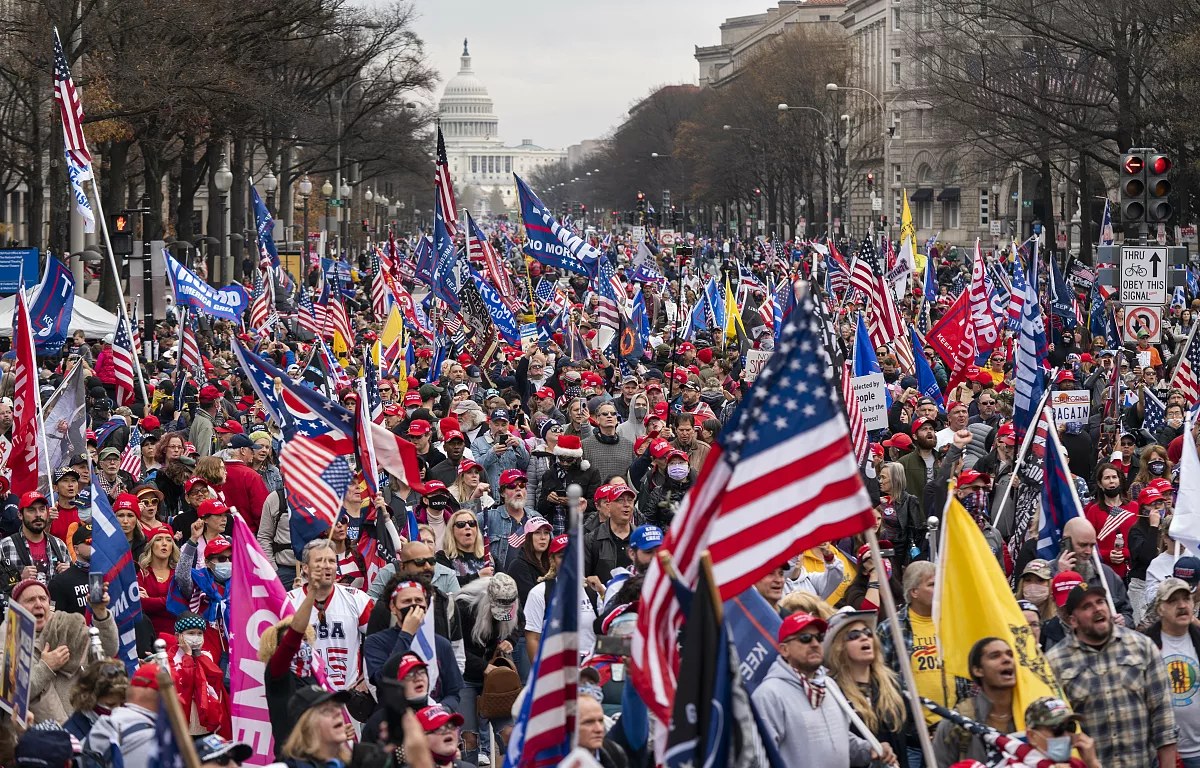
VANDALIA, Ohio — President Trump used a campaign rally outside Dayton on Saturday to plant his flag on one of the most politically combustible issues of the midterm season: the AI data center boom. To a crowd at Butler High School in Vandalia, he made two arguments at once — that the country needs the data centers, and that ordinary people should never pay for them.
"We want them," Trump told supporters. "There's so much money to be made for Ohio. You can't just turn them off. They'll go to China." The rally, held at the school's Butler-Vandalia Student Activity Center, was a get-out-the-vote push for Republican Senate candidate Jon Husted and gubernatorial candidate Vivek Ramaswamy, with former NFL coach Jon Gruden also on hand. Trump repeatedly told the battleground-state crowd to vote as though he himself were on the November 3 ballot: "Please pretend that I'm on the ballot, and you need to turn out for a midterm victory."
The China argument
Trump tied the data center boom directly to the global race over artificial intelligence, saying the United States is ahead of China in what he repeatedly called "superintelligence." He warned that blocking the projects wouldn't stop them from being built — it would just move them offshore. "There is so much money to be made for Ohio," he said, framing the facilities as an economic prize the country can't afford to forfeit.
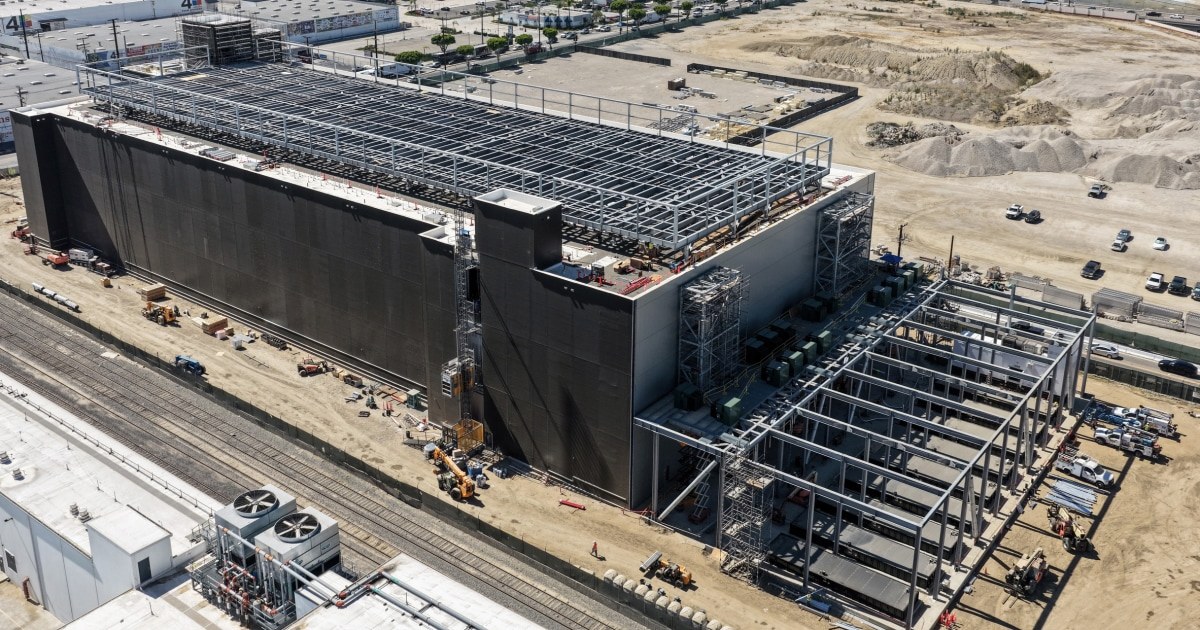
The warning landed in a state that has become a front line of the data center fight. Ohio hosts major campuses including Amazon Web Services' Vadata complex in the New Albany International Business Park and the COL4 AI-ready facility in Columbus — and it has also seen some of the sharpest local backlash in the country, as residents weigh the promised investment against rising utility bills and strained water supplies. The president has made AI dominance a signature theme; he said a "Super Intelligence Force" created earlier this month would coordinate the federal push. Previously reported the announcement when the force was named.
The bill: pay your own way
The second half of Trump's pitch was the concession to the skeptics. He threw his support behind Husted's Ratepayer Protection Act, legislation aimed at shielding consumers from the electricity costs associated with data centers. As Trump described it, the bill would "stop data centers from raising electricity costs and require them to pay their own way."
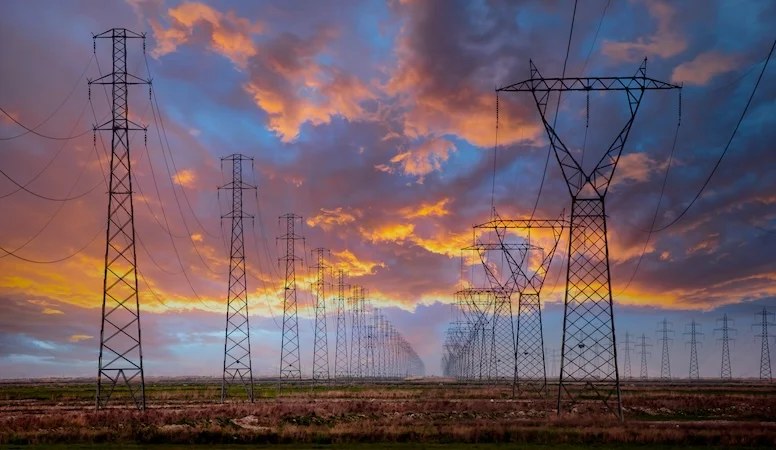
Here's what that means in practice, and here's the catch: data centers are among the hungriest electricity customers ever connected to the U.S. grid. Utilities may need to build new power plants, substations, and transmission lines to serve their massive loads — and the central political question is who absorbs those costs. If utilities spread them across the broader rate base, households and small businesses end up paying more for power they never used. The bill's premise is simple: the companies building the data centers should shoulder the infrastructure costs of serving them, not the neighbors.
Trump said nearly every Senate Democrat had voted days earlier to block the measure. Husted had brought the legislation to the Senate floor days before the rally, where it failed to advance. Trump's vow from the stage was explicit: "I will sign this Ratepayer Protection Act into law immediately," adding that it would happen "within 24 hours" if Republicans prevailed in the midterms.
The backlash is bipartisan
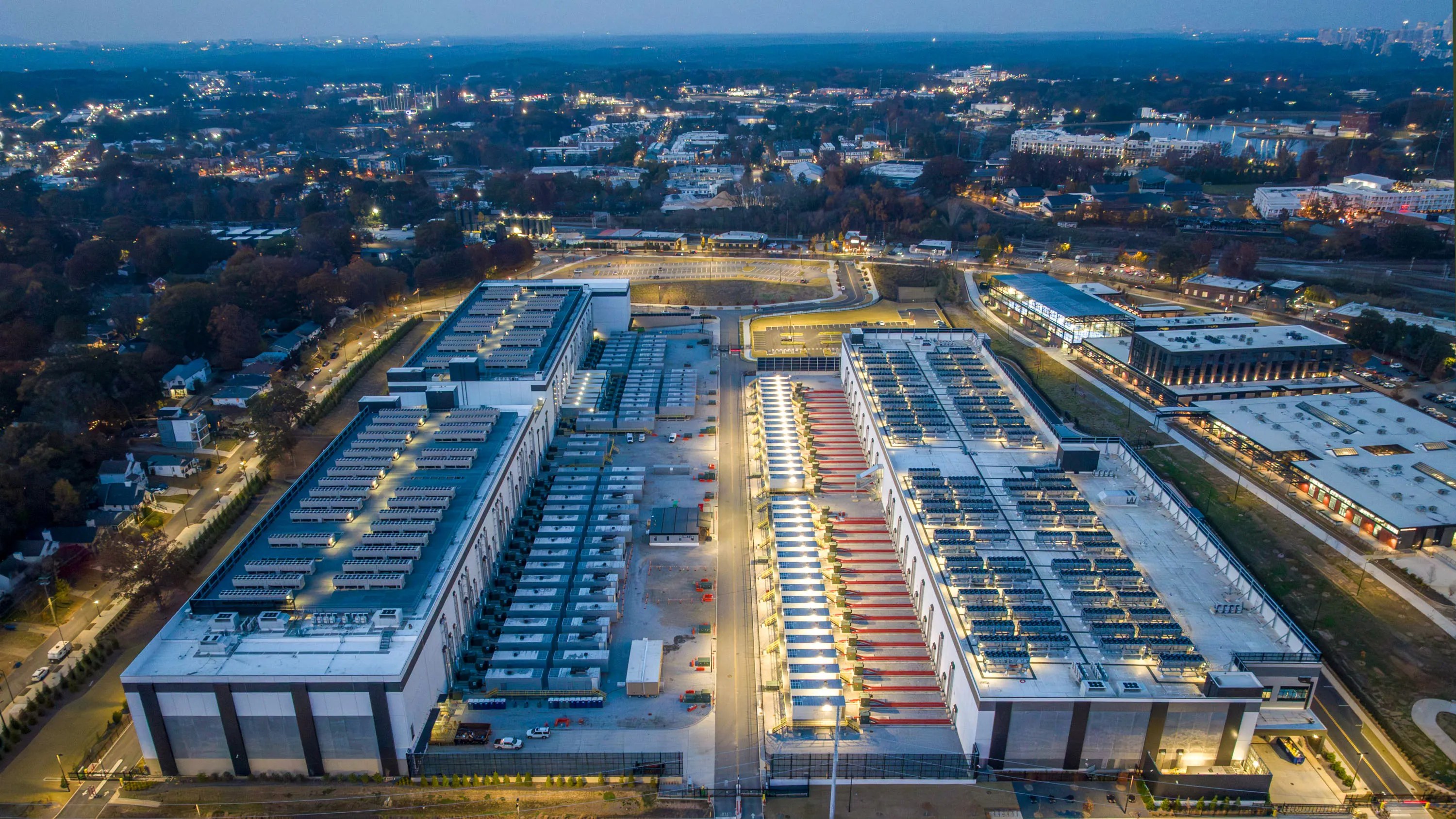
The surge in data center construction has triggered opposition from both parties — a rare point of agreement in a polarized election year. Communities are grappling with the enormous amounts of electricity, water, and land the facilities require. Water use, noise from cooling systems, and sprawling footprints have fueled resistance, particularly where projects sit near homes or rely on strained water supplies.

Critics have also questioned the generous state and local tax breaks used to lure the industry, noting that facilities costing billions of dollars to build can employ relatively few workers once construction finishes. The political pressure has already changed behavior: officials in several states have rethought the incentives and fast-track approvals once used to attract data center developers. Some states have paused tax breaks or permitting, while others have pushed special utility rates and requirements aimed at making developers shoulder more of the cost of serving their facilities.
The numbers behind the skepticism
The polling on this one is striking for how little it divides along party lines. A national University of Massachusetts Amherst poll found that just 11% of Americans would support the construction of an artificial intelligence data center in their local community, while 65% oppose it. Nearly half of the 1,000 respondents — 49% — said they strongly oppose local construction; just 5% strongly support it.
"In an increasingly polarized America, where generational, class, racial, and partisan groups often find themselves on opposite sides of our most pressing political, economic, and cultural debates, it is striking to find an issue on which Americans are largely in agreement," said Tatishe Nteta, provost professor of political science at UMass Amherst and director of the poll. "Opposition to AI data centers has emerged as one of these rare areas of consensus." The opposition cuts across the spectrum: 81% of Harris voters and 52% of Trump voters oppose local construction, as do 76% of Democrats and 52% of Republicans, according to the poll.
The Ohio pitch
Trump used much of the rally to make a broader economic case for the Republican ticket, declaring that Ohio is "booming" and crediting investments he tied to his trade and tariff policies. He pointed to a $400 million Stellantis investment in Toledo and an $850 million Electra aerospace investment near Springfield, and featured Bayer's plans for a $2.2 billion pharmaceutical manufacturing campus near Columbus, which the company says will support approximately 600 permanent jobs and 1,500 construction jobs.
"Your state is booming," Trump told the crowd. "Every state is booming." He praised GOP-backed tax provisions, including no tax on tips and overtime, and reiterated a proposal for $5,000 payments to adult Americans if Republicans retain the House and Senate. He also hailed stock market records, manufacturing growth, and employment while contrasting his administration's economic record with former President Joe Biden's. "Our nation is doing better now than ever before," he said.
What comes next
The Ohio stop followed rallies in Texas, Oklahoma, and Alabama this week, part of what the president said will be a 32-day swing ahead of the midterms. Whether the Ratepayer Protection Act moves at all depends first on the November 3 results — the bill failed to advance on the Senate floor this week, and Trump's 24-hour promise only kicks in if Republicans send it to his desk.
The underlying tension isn't going away either. The AI buildout is accelerating, the grid upgrades are real, and somebody has to pay for them. Trump's answer — build them here, make the companies pay, keep it away from the ratepayer — is now the Republican position heading into the midterms. The test will be whether a bill can turn a rally line into law. More political coverage from the Previously newsroom is updated through the day.
Key facts
Reporting this story is based on
- Trump defends data centers in Ohio, warns they'll go to China if US turns them away
New York Post — 2026-10-03 - Trump touts 'golden age' at Ohio rally, urges voters to deliver GOP midterm wins
We the People Convention (wire report) — 2026-10-03 - Just 1 in 9 Americans Support AI Data Center Construction in their Local Communities
University of Massachusetts Amherst — 2026
Rally details, quotes, and legislative status via the New York Post and wire reporting; polling via UMass Amherst, Oct. 2026.