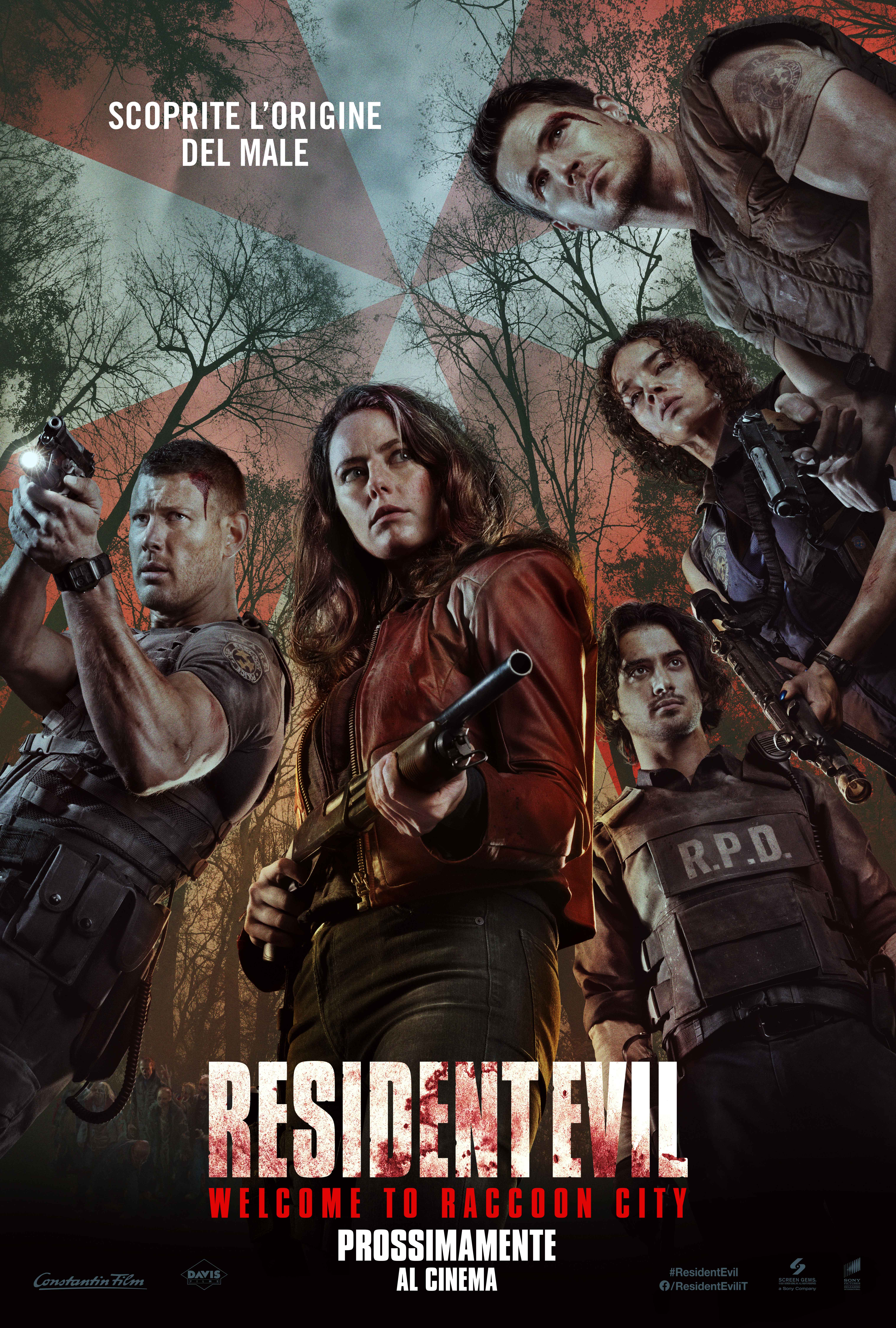

For more than two decades, the Resident Evil movies occupied a very specific place in Hollywood: critics mostly shrugged, gamers argued endlessly, and audiences around the world kept buying tickets anyway. Eight live-action films, nearly $1.5 billion in combined ticket sales, and a fan base loyal enough to follow the series through reboots, finales that were not really finales, and more trips back to Raccoon City than any sane city planner would approve. Now the series has a new champion, and for once, just about everybody seems to agree the crown went to the right film.
Zach Cregger's Resident Evil, released by Sony on September 18, has grossed $320.2 million worldwide, passing Resident Evil: The Final Chapter and its $312 million to become the highest-grossing film in franchise history. Sony confirmed the milestone, which was reported via Global Box Office on October 11 with Deadline figures following via Polygon on October 12. This is the eighth live-action film in the series and the second attempt at a reboot, which makes the achievement sweeter: reboots are where franchises usually go to politely die, not to set all-time records in their fourth weekend.
The signs were there from the very first days. The film opened with $60 million in North America — the best opening the franchise has ever had — and $108.3 million worldwide in its first weekend. It then did something no Resident Evil film had ever done: it crossed $100 million at the domestic box office, and it did it in just 10 days. Think about that for a second. Seven previous films, spanning the entire modern era of video game adaptations, and not one of them reached nine figures at home. Cregger's film did it before its second weekend was over. The current split stands at $138.5 million domestic and roughly $181.7 million international, against a reported production budget of about $75 million — a number that makes the profit math very comfortable for Sony.
That balance between home and away is, quietly, one of the most interesting parts of this story. The Final Chapter built its record on an extraordinary performance in China, where it earned about $159.5 million on its own — a huge share of its worldwide total from a single market. That is not a criticism; money is money, and that film's producers were right to celebrate it. But Cregger's film has spread its success much more evenly. It is the highest-grossing film in the series domestically by a clear margin, having outgrossed all seven of its predecessors at home, while still performing powerfully overseas. China contributed an opening there of roughly $40.6 to $40.8 million, strong without being the whole story. And this past weekend, Japan got its turn: the October 9-11 opening drew 356,338 viewers and 626.6 million yen in three days, the kind of reception that suggests the film still has fuel left in international markets that opened later.
There is also a personal milestone folded inside the franchise one. By passing $320 million, Resident Evil has overtaken Weapons, Cregger's own breakout horror hit at $270.1 million, as the biggest film of his career. Directors sometimes spend decades trying to repeat an early success. Cregger has now topped himself almost immediately, and he did it inside a studio franchise — the exact environment where distinctive filmmakers are supposedly sanded down into anonymity. Whatever else people argue about this film, nobody walking out of it thinks it was directed by a committee.
So what did he do differently? Start with the premise. Instead of retelling the story of a familiar game character — a strategy that tends to make gamers compare every frame to the cutscene in their memory and everyone else wonder why they should care — Cregger built the film around an original character: Bryan, played by Austin Abrams, a medical courier caught in Raccoon City on the night everything goes wrong, in a story set alongside the events of Resident Evil 2. That one decision freed the film in both directions. Fans get the city, the dread, and the iconography they love, placed at the center of the action rather than wheeled out as decoration. Newcomers get a human being to follow — a regular person with a job, a route, and absolutely no business surviving the night — instead of a lore exam.
Cregger has said his aim was to recreate the feeling of playing the original games rather than simply photographing their plots, and anyone who grew up with those games knows exactly what that feeling is. It is scarcity. It is counting your remaining rounds and deciding whether a dark hallway is worth the risk. It is the almost physical relief of reaching a save room, hearing the music soften, and putting your mark on the page at a typewriter. The games were never really about firepower; they were about managing fear with limited resources. A film that understands that understands Resident Evil better than one that simply adds more explosions, and the box office suggests audiences — gamers and civilians alike — could feel the difference.
Now for the honest caveat, because records deserve footnotes and this one has a real one. As Destructoid pointed out, these are unadjusted dollars. If you correct for inflation, The Final Chapter's total would sit at roughly $435 million in today's money, comfortably ahead of where Cregger's film stands. Ticket prices have risen, markets have changed, and a dollar earned in the mid-2010s bought more movie than a dollar earns now. So the accurate sentence is that Resident Evil holds the franchise's nominal record — the biggest raw number ever posted by one of these films — while the inflation-adjusted crown still belongs to its predecessor. We think both things can be true and the new film's achievement can still be enormous. It beat the record the industry actually tracks, in the currency the industry actually counts, while also setting the domestic marks that no adjustment is needed to appreciate: best opening, first $100 million at home, biggest domestic total in the series. Those are not accounting tricks. Those are audiences showing up.
The film also kept contributing this weekend at home, taking $8.4 million for third place in its fourth weekend — part of the same chart topped by Other Mommy, which we break down in our full weekend box office story. Holding a top-three spot a month into a run, in the middle of horror season, against new competition in its own genre, is the definition of legs.
What happens next is the fun part. A franchise that has just watched its most filmmaker-driven entry become its biggest hit has been given a very clear signal about what audiences want from it: respect the games' atmosphere, tell a human story inside the nightmare, and trust a director with a point of view. Whether Sony and Cregger continue Bryan's story or venture to another corner of this miserable, wonderful universe, the bar has been reset — by the film itself. Nearly $1.5 billion and eight films in, Resident Evil is not a legacy act coasting on nostalgia. It just had the biggest weekend-to-weekend run of its life. Raccoon City, somehow, is still open for business.
More on the games behind the films in our games coverage, and the rest of this weekend's entertainment news in the news section.