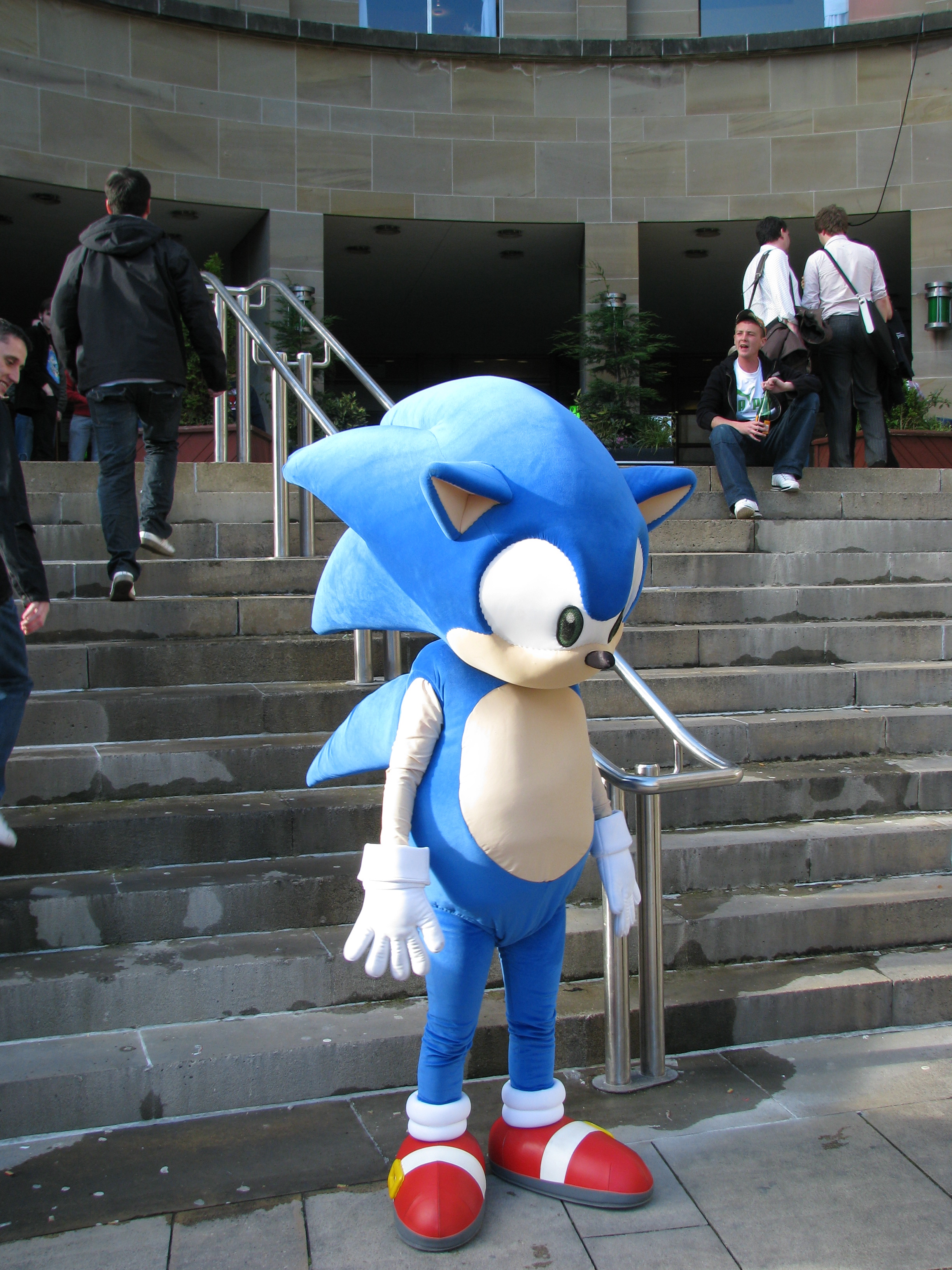
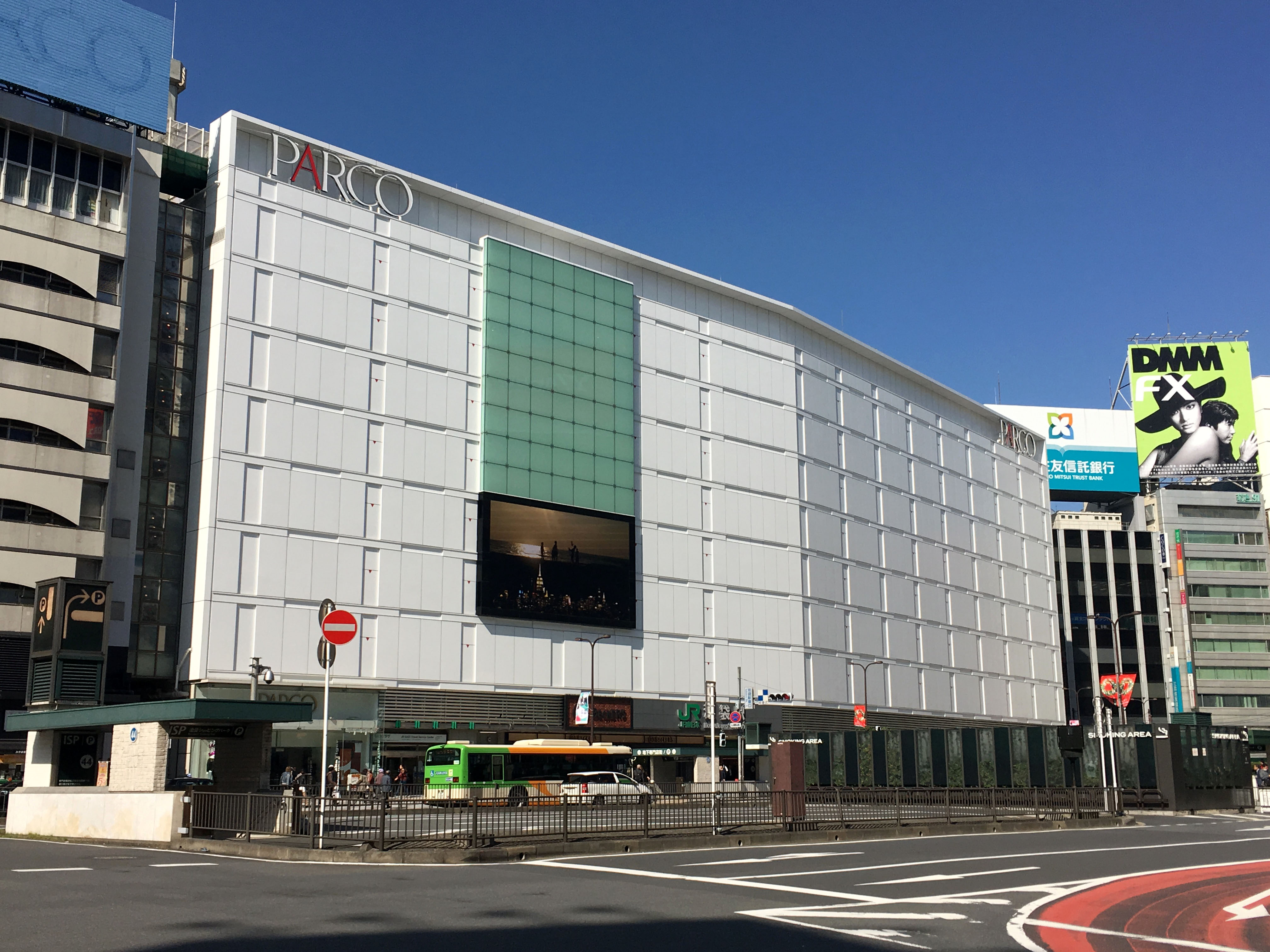
MONDAY, OCTOBER 5, 2026 — Sonic the Hedgehog is getting the museum treatment. Not a pop-up, not a merch table — a full retrospective exhibition tracing 35 years of the fastest character in video games, complete with development archives that have never been shown to the public. SONIC the Exhibition -ACROSS GENERATIONS- opens this Friday at PARCO FACTORY on the seventh floor of Ikebukuro PARCO in Tokyo, and honestly? It’s about time somebody put this history behind glass.
Here’s the part that should make longtime fans sit up: this isn’t a nostalgia wall of key art. SEGA says the show will put real development materials on display — scripts, setting documents, production materials used while the games were actually being built, plus music and sound sources from across the series. Some of those materials are being shown publicly for the first time. The exhibition frames Sonic’s history through five lenses — game, character, design, music, and art — and pairs the archival dig with behind-the-scenes stories of how the series developed. For a character whose entire mythology was assembled in the margins of design docs and sprite sheets, that’s the good stuff.
The vault, opened
The archive section is the headline draw, and it’s worth saying plainly why: game history is usually treated as disposable. The industry’s default posture toward its own past has been a mix of amnesia and copyright enforcement. So when a company like SEGA opens the file drawers — the scripts, the setting bibles, the production materials, the audio — it lands as something more than fan service. It’s an admission that this material has cultural value beyond the quarterly cycle. Visitors will be able to trace how Sonic’s games and characters developed from early concepts into their finished forms, according to reporting from Essential Japan, which covered the announcement in detail.
Series producer Takashi Iizuka described the exhibition, in Sonic City’s reporting on the show, as something aimed at both longtime fans and people who have only recently discovered Sonic — a framing that matters, because it’s exactly what this 35th anniversary has been doing all year. And creative director Kazuyuki Hoshino pointed to the range of artists involved, saying the collection brings together different interpretations of the character from across Sonic’s 35-year history. That’s not just marketing language; it’s the actual thesis of the show, which is built around the idea that Sonic belongs to everybody who grew up with him, not just the people who made him.
Sixteen artists, four eras
The other half of the exhibition is pure fan-to-fan relay. Creative studio R11R has brought together 16 artists with personal connections to the series — the list includes Yusuke Nakamura, Taku Inoue, TSCR, HUKANZEN, Yuki Kikuchi, STUDY Yusaku, Aoi Neon, Panasony™, Ryosuke Takeuchi, BRIDGE SHIP HOUSE, SIO (The TOMODACHI!), Tomowaka, move nao, Hakui Kiiroi, Yuki Imada, and Nirosuya-san — and organized their new work into four themes: 1990s, 2000s, 2010s, and NEXT RUN.
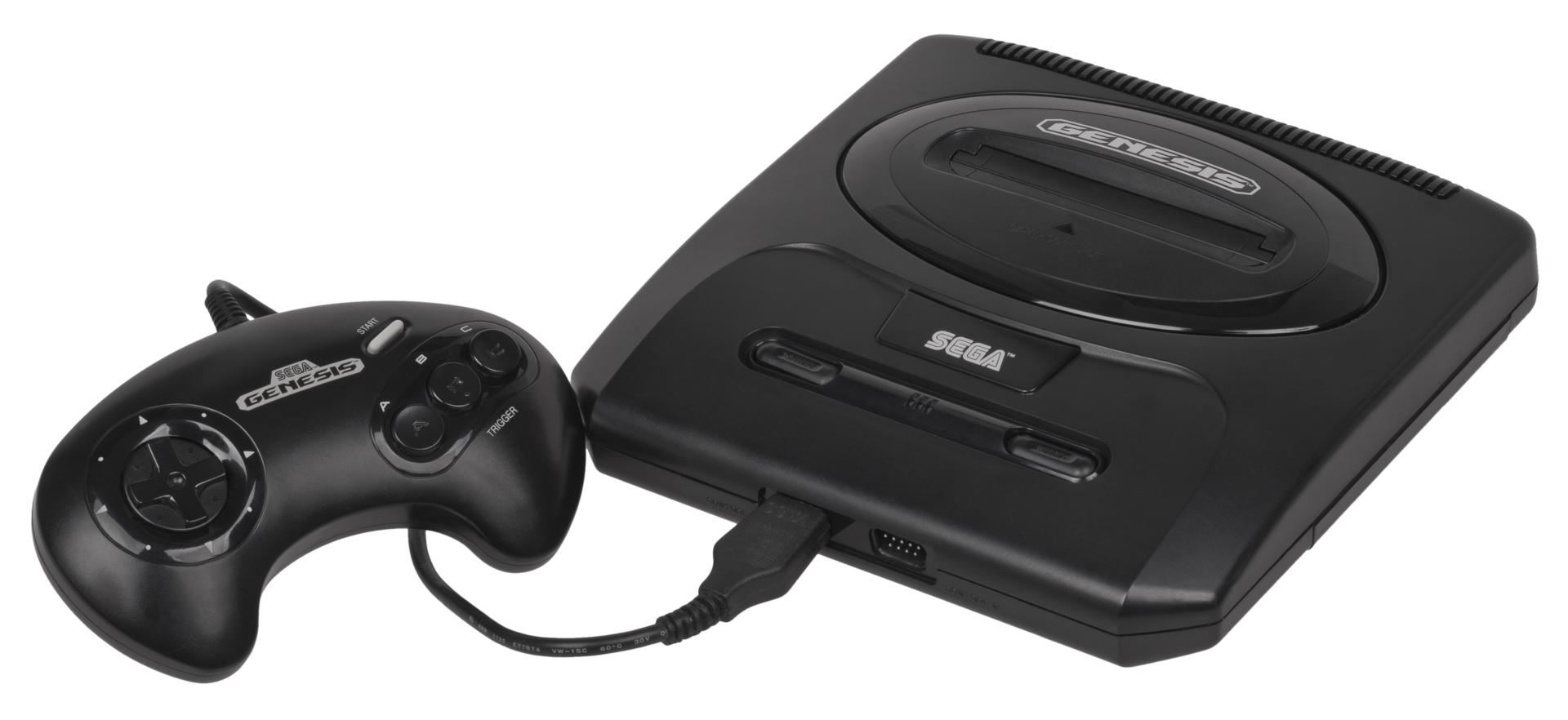
A few of the revealed pieces already tell you everything about the range. Yusuke Nakamura’s “Supersonic Speed of the 90s” draws on what Sonic artwork and the Mega Drive meant to him as a middle-schooler — the pure, unfiltered nostalgia era. TSCR’s “Stardust Speedway Bad Future” depicts Classic Sonic and Metal Sonic racing through the Sonic CD stage, a deep cut for the purists. Ryosuke Takeuchi’s “Sonic Colors in IKEBUKURO” drops Sonic, Tails, and the Wisps into the exhibition’s own neighborhood. Tomowaka’s “PLAY BACK” reaches for the online video, Vocaloid, and “utaite” culture of the 2010s, and move nao’s “SONIC – NEXT RUN” points the whole thing at the future. Some of the artists’ works will also be offered for sale, with further sales details still to be announced.

A year of speed
The exhibition arrives as the anchor of a sprawling anniversary year. SEGA has been celebrating Sonic’s 35th throughout 2026: a celebratory orchestral concert, the anniversary song “Speed Is My Life” — which later got a Japanese version performed by Hatsune Miku — and a global series of live concerts featuring compositions from across the series’ history. Earlier this year, a life-size conceptual artwork, the “SONIC THE HEDGEHOG DNA FIGURE” made with synthesized DNA, was displayed at SEGA STORE TOKYO. The pattern is hard to miss: this is the year the franchise stopped being shy about treating itself as heritage. The exhibition is the retrospective centerpiece, and it’s pitched as the one thing every anniversary should probably include — the receipts. A similar instinct drove the tenth-anniversary programming at ComplexCon this weekend: milestones are becoming full-scale productions, not just merch drops.
There’s also the unapologetically premium side of anniversary culture. Japanese porcelain brand YOYOYO will debut its Sonic Arita ware piece, “Infinite Blue” — a ¥1,000,000 (roughly $6,300) porcelain sculpture, limited to 50 pieces worldwide — at the exhibition, where five pieces will be sold first-come, first-served before a wider online lottery. A million-yen Sonic statue rendered in gosu cobalt blue, with traditional patterns symbolizing infinite power and unstoppable forward motion, is exactly the kind of artifact that tells you what this character is worth to the culture that raised him. Exhibitions do that: they convert affection into canon.
The practical stuff
General admission is ¥1,500 including tax (about $10), and children of elementary-school age and younger get in free. Paid visitors receive one random sticker using artwork from past Sonic games while supplies last, and registered PARCO Members can claim an additional sticker using the exhibition’s original visual. The venue lineup also includes the usual arsenal of exhibition merchandise — clear files, black and white T-shirts, trading can badges, artist-collaboration acrylic keychains and blocks — alongside selected official SEGA goods.
If you were hoping to be there for the opening weekend, the news is mixed: the timed-entry lottery covering October 9 through 11 closed on October 4 (entries were handled through eplus), and walk-in tickets only go on sale from October 12. Sonic himself is scheduled for special greeting appearances on October 17, 18, 24, and 25, with specific times still to be announced. The show was organized jointly by SEGA, Ikebukuro PARCO, R11R Inc., and kanon Inc., and was announced on September 29 via the official Japanese Sonic account. For context, our culture desk has been tracking how this fall’s big events are landing — see the festival circuit’s verdict and the ongoing milestone season in Avengers: Doomsday, where franchise anniversaries have become tentpole events in their own right.
Why it works
Here’s my genuine take: the thing that elevates this exhibition past a marketing activation is the archive. Anyone can commission new art — and to SEGA’s credit, they did that too, and the artist lineup is genuinely exciting. But the first-time-public materials are the ones doing real work. They say the development process itself is worth remembering, that the messy middle of making a game — the scripts, the setting docs, the production scraps — belongs in a museum as much as the finished cartridge. For an industry that still lets source code rot on magnetic tape, that’s a standard worth setting.
And the structure of the show gets it right. Five lenses for the archives, four eras for the artists, one character running through all of it — from a middle-schooler’s memory of the Mega Drive to a Vocaloid-soaked 2010s to whatever NEXT RUN turns out to be. Thirty-five years is long enough for Sonic to have been four or five different things to four or five different generations. The exhibition’s bet is that all of them are true at once. On Friday, the first visitors get to check.
For more on the culture stories landing this week, see our coverage of ComplexCon’s tenth anniversary and the 2026 festival circuit.
Sources
- SONIC the Exhibition Opens October 9 With Rare Development Archives and 16 Guest Artists Sonic City · Oct 5, 2026
- SEGA Announces New Sonic 35th Anniversary Exhibition Featuring Unseen Dev Material and New Art Essential Japan
- Sonic 35th anniversary exhibition opens in Tokyo this October with rare development materials on display The Daily Game · Sep 29, 2026
- Sonic 35th Anniversary Exhibition Heads to Tokyo in October GameTrader.SG
- Sonic 35th Anniversary Exhibition SONIC the Exhibition -ACROSS GENERATIONS- to Be Held! Starting October 9 at Ikebukuro PARCO Saiganak · Sep 29, 2026
- SEGA teams with porcelain brand YOYOYO for limited-edition Sonic Arita ware Brands Untapped