THURSDAY, OCTOBER 8, 2026 — For the third time in a row, a SpaceX Falcon 9 stayed bolted to its pad at Vandenberg Space Force Base instead of climbing into the California night. The mission — 21 data-transport satellites for the Space Development Agency — has now burned through three consecutive launch attempts without leaving the ground. SpaceX is targeting a launch window between 12:29 and 12:51 a.m. PT on Saturday, Oct. 10, and the company has offered no public explanation for any of the delays.
02 Three Attempts, Three Stand-Downs
The streak began Monday, Oct. 5, when the countdown was scrubbed in the final minute as the rocket entered its automated startup sequence — the kind of last-second auto-abort that means the system saw something it didn’t like. SpaceX said on X afterward that both the vehicle and the payload were healthy, which is the good-news version of telling everyone nothing: the rocket is fine, the satellites are fine, and we’re still not going.
On Oct. 6, the day’s launch opportunity was simply waived off. Then overnight, the attempt planned for the 12:54 a.m. PT window on Thursday morning was scrubbed as well — three straight overnight windows, three mornings of watchers along the Central Coast getting nothing but a called-off countdown.
Through all of it, SpaceX has provided no public reasons for any of the delays. That’s not unusual on its own — the company tends to treat scrub calls as operational detail rather than public drama — but three in a row with zero explanation is a lot of silence around a mission the Pentagon is counting on. Spaceflight Now, which has been running live coverage of the campaign, reported the mission is now targeting no earlier than Saturday, Oct. 10 — language that leaves room for the date to slip again. Previously covered the mission’s original launch plan earlier this week, before the scrubs started stacking up.
03 The Mission Still Waiting on the Pad
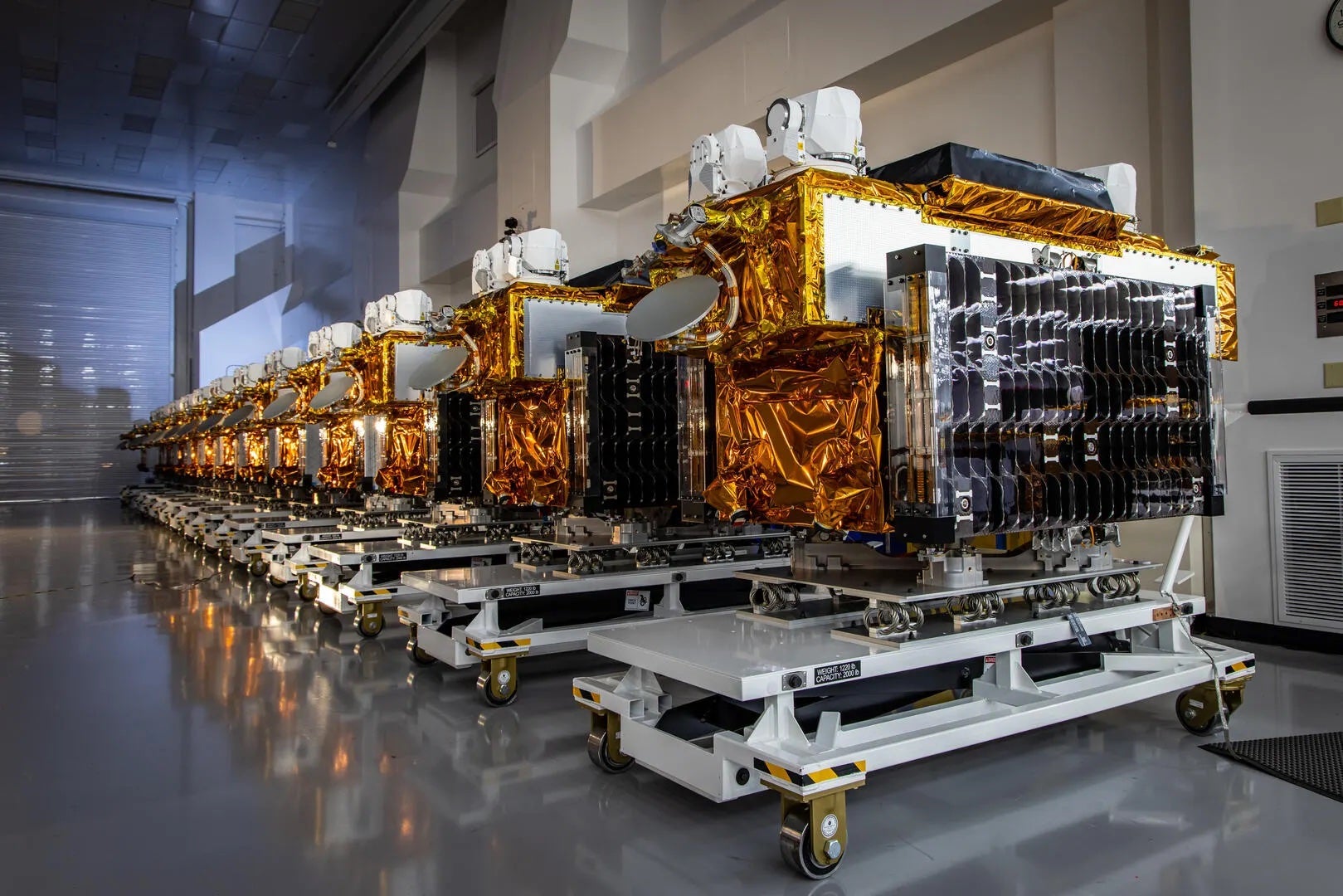
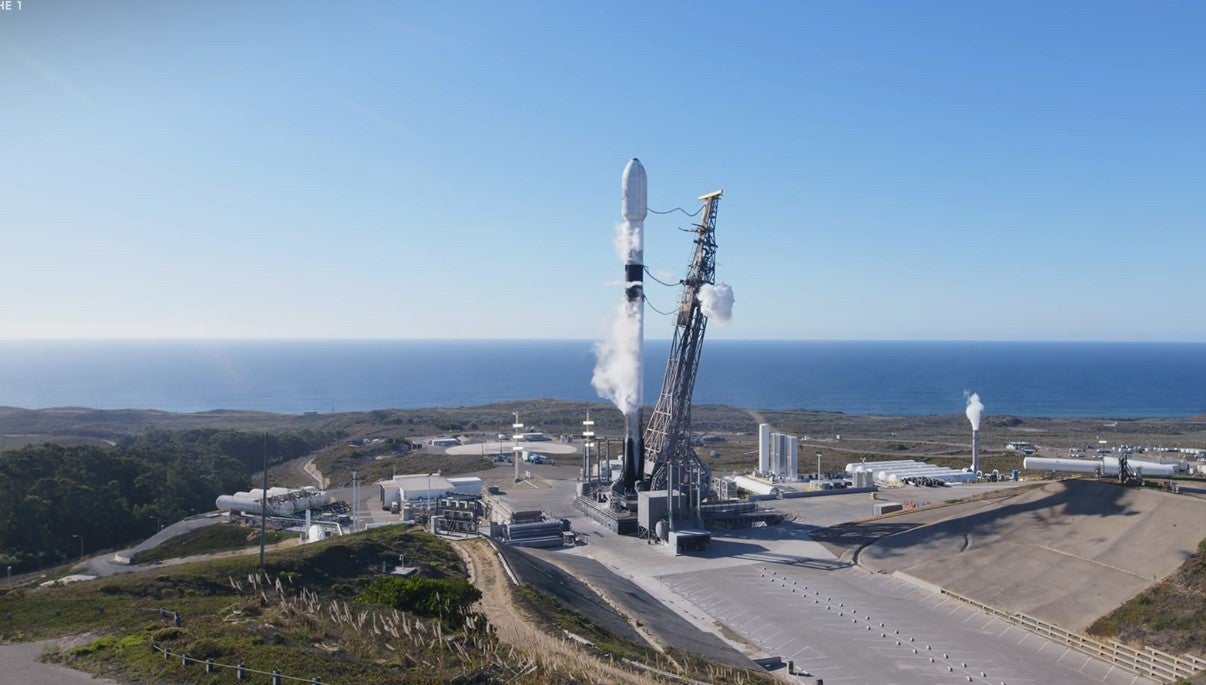
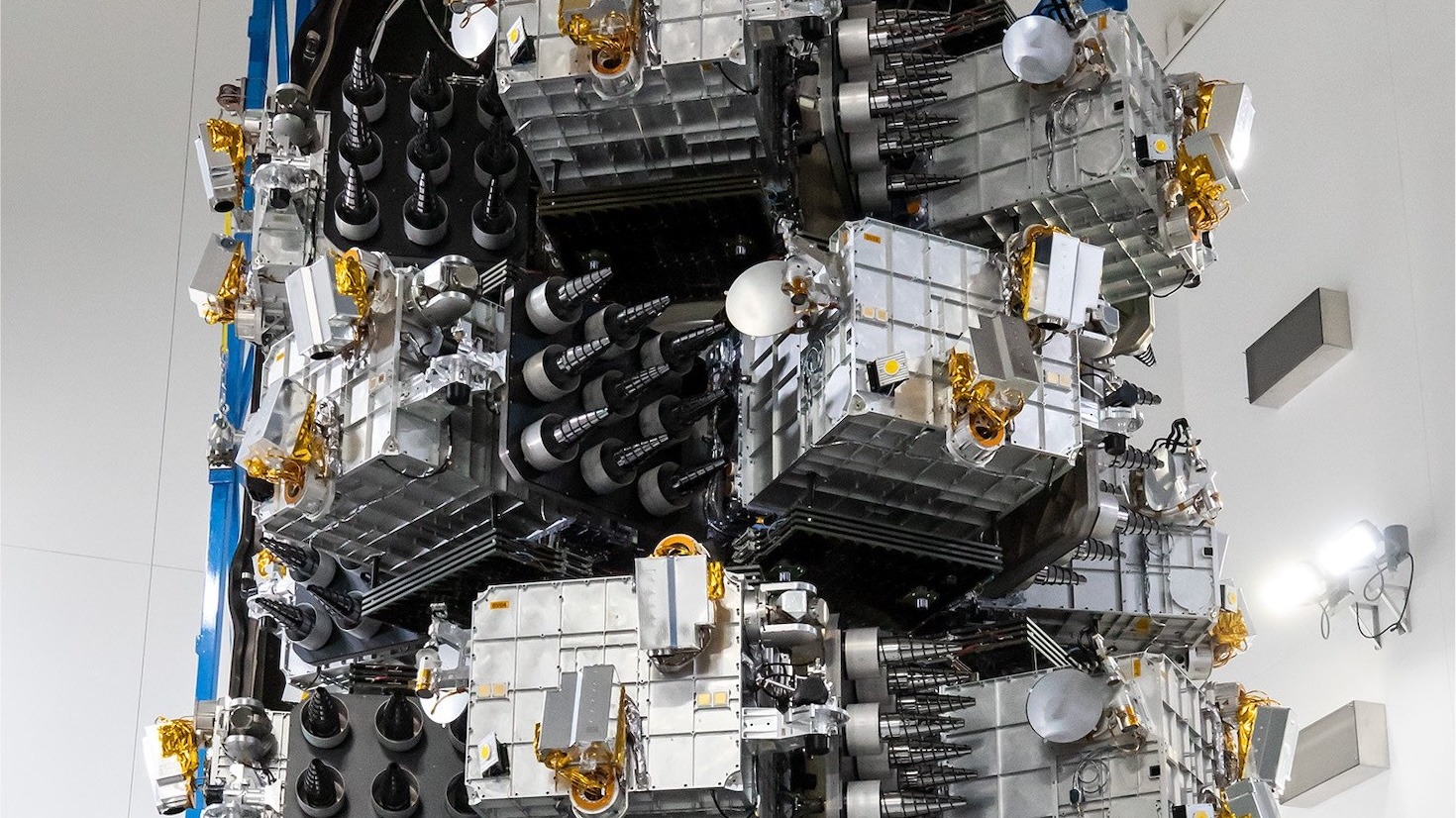
What’s sitting on the pad is the SDA Tranche 1 Transport Layer A mission — T1TL-A for short — a batch of 21 satellites bound for low-Earth orbit and the fourth mission in the Tranche 1 campaign. The Space Development Agency is building the Proliferated Warfighter Space Architecture, a sprawling constellation meant to give the U.S. military resilient global tactical communications and a missile-defense tracking layer by 2027. The idea is scale itself: hundreds of small satellites instead of a handful of big ones, so the loss of any single spacecraft barely dents the network. When this batch goes up, it will bring the number of Tranche 1 satellites SpaceX has delivered to 154.
That timing is doing a lot of work right now. But the architecture is, in a sense, built for exactly this kind of hiccup — launch delays are part of why you loft a constellation in pieces rather than betting everything on one perfect shot. A scrubbed countdown is an annoyance, not an existential threat, to a program designed around redundancy.
The stakes are real, though. The Transport Layer is the backbone of the constellation: the satellites that move data around the planet so warfighters, sensors, and missile-warning systems can talk to each other in near real time. Every delay is a delay in filling out the mesh — and the Pentagon’s 2027 timeline doesn’t get any longer just because the pad is quiet.
04 The Rocket, the Pad, and the Numbers
The rocket waiting at Space Launch Complex 4-East is a Falcon 9 whose first stage, B1103, is slated for its sixth flight. The booster has already carried the SDA’s T1TL-E mission, the NROL-179 national security payload, and three Starlink batches — a veteran by any reasonable standard. If the mission gets off the ground Saturday, the booster is expected to turn around and land back at Landing Zone 4, just up the coast from the pad — a return-to-launch-site touchdown that would be the 37th landing at LZ-4 and the 668th Falcon booster recovery overall.
The launch itself would be the 67th rocket flight of 2026 from Vandenberg, a base that has quietly become the pace-setter of American spaceflight. The record — 71 launches — was set just last year, in 2025, and this year is on track to give it a run even with weeks like this one.
It’s a busy week off the California coast all around: NASA’s SpaceX Crew-12 is heading home to a splashdown off California on Thursday morning, and between crew flights, national-security missions, and the steady drumbeat of Starlink, the West Coast range has become the busiest spaceport most Americans have never thought much about. SpaceX is having a loud week on the business side, too — a reported $40 billion SpaceX–Nvidia AI financing moved markets this week.
05 If You Want to Watch Saturday
If the Saturday window holds, the launch is worth staying up for — with the usual caveat that this mission has already taught everyone within earshot: these things slip.
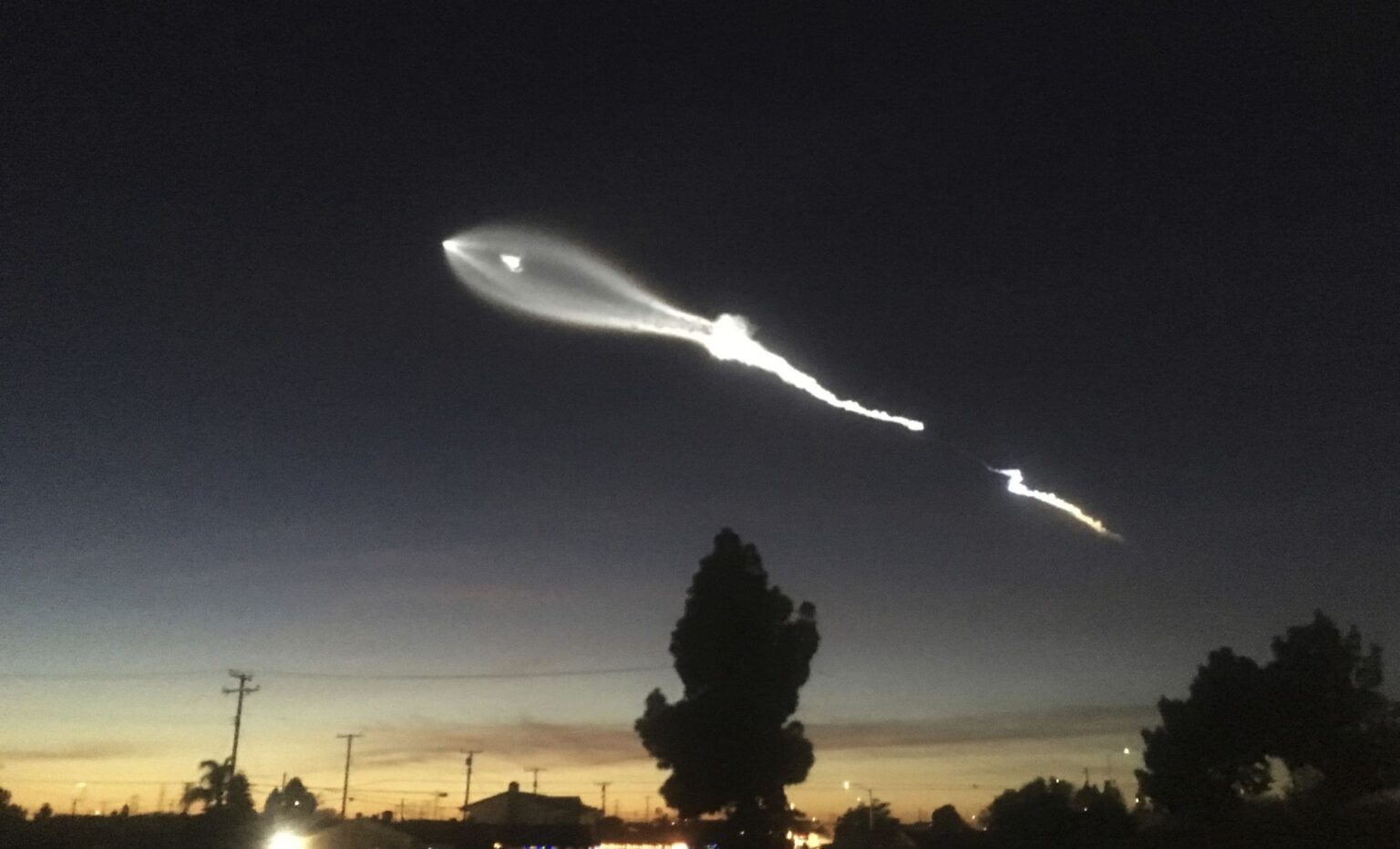
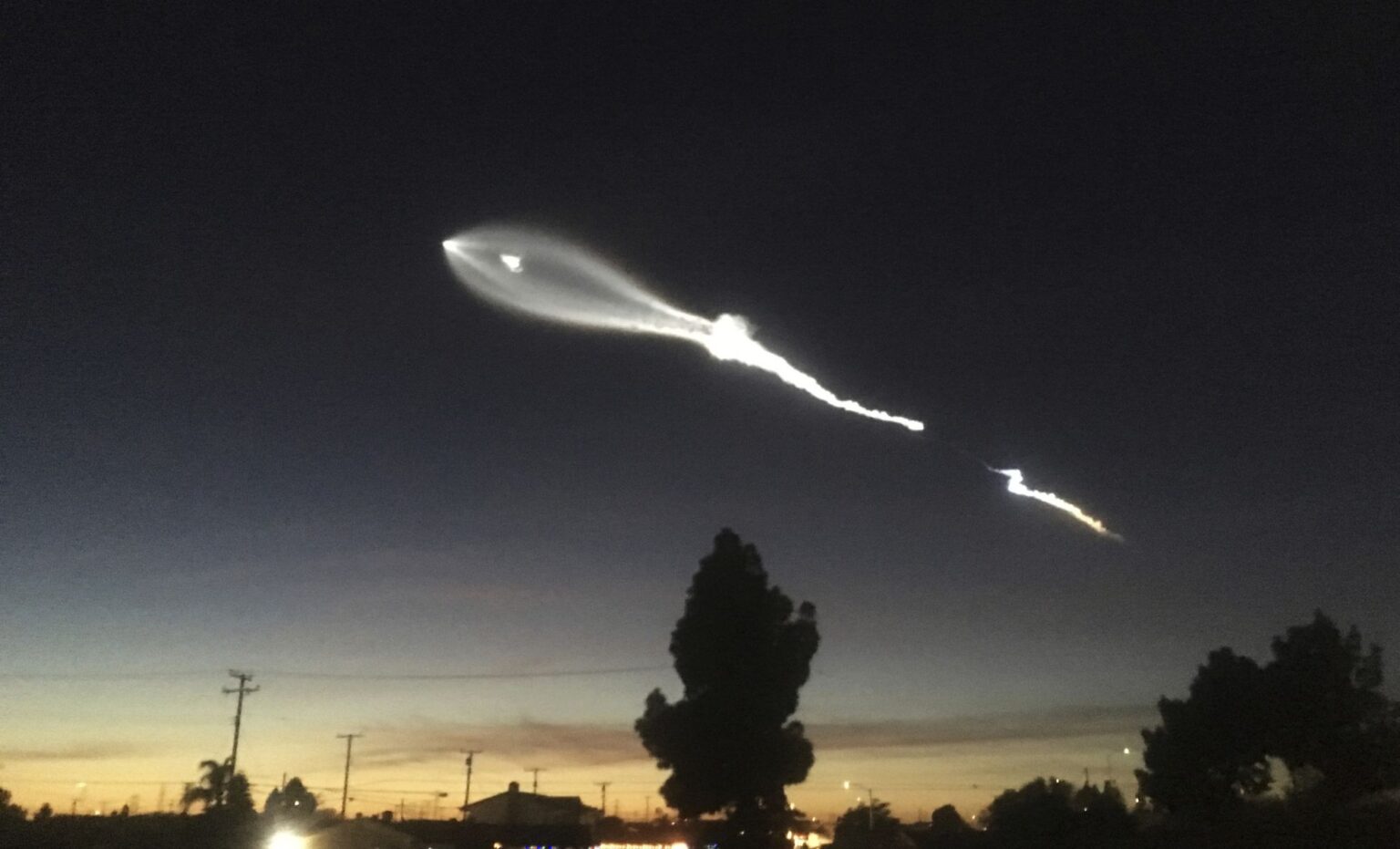
Overnight West Coast launches are among the best shows in rocketry for spectators. On a clear night, a Falcon 9 climbing out of Vandenberg can be seen across Southern California and into Arizona — a bright streak crawling across the sky, sometimes unfurling the luminous plume that social media briefly mistakes for something extraterrestrial. The window opens at 12:29 a.m. PT, which means setting an alarm or simply not sleeping. And if the scrub streak extends to four, well — that alarm becomes a donation to the cause of space enthusiasm.
The prudent move is to watch the usual channels late Friday night for any change of plans. SpaceX’s silence on the first three delays doesn’t inspire confidence that the fourth attempt will come with a running commentary — but the pad is ready, the rocket is healthy, and the satellites are going nowhere. Sometimes in spaceflight, the fourth time’s the charm.
Previously will keep following this one. If the rocket goes on Saturday, you’ll hear about it. If it doesn’t, you’ll hear about that too — eventually, with or without an explanation from SpaceX.
Sources
- Spaceflight Now — Live coverage: SpaceX to launch 21 data-transport satellites for the Space Development Agency: scrub sequence, retarget to no earlier than Saturday, Oct. 10, mission and booster details. Spaceflight Now · updated Oct. 2026
- VC Star — Track liftoff, scrubs for SpaceX California rocket launch today: scrub history, launch-alert window, Vandenberg details. VC Star · Oct. 7, 2026
- Palm Springs Desert Sun — SpaceX Vandenberg rocket launch: how to watch: viewing details, window timing, launch-alert info. Desert Sun · Oct. 7, 2026