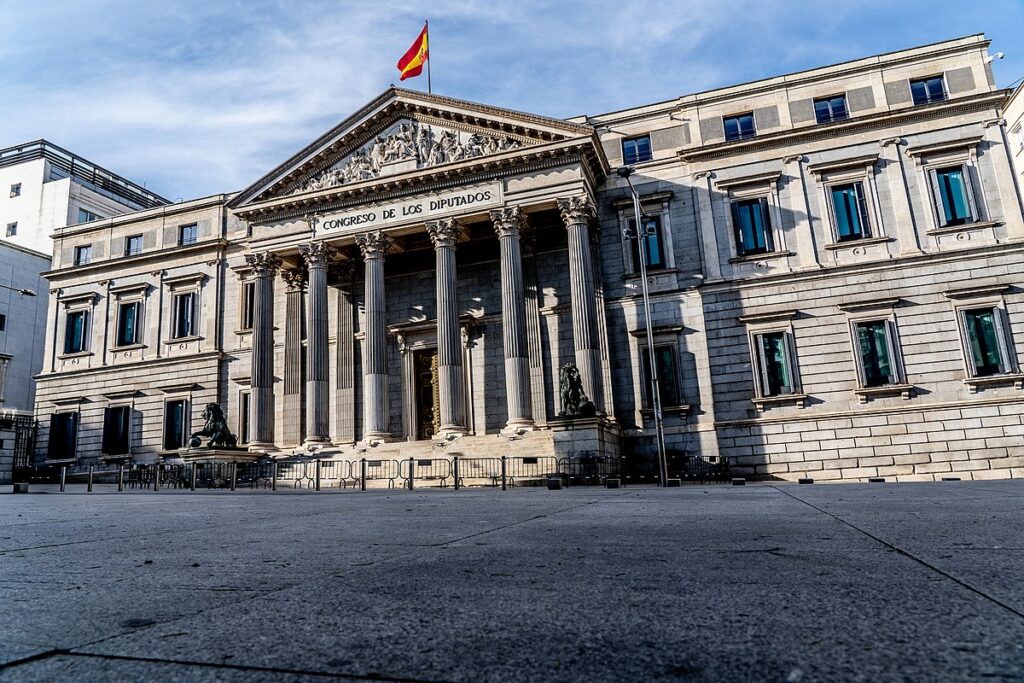
MADRID, OCTOBER 5, 2026 — Pedro Sánchez has spent eight years as Spain's prime minister — one of the longest runs of any sitting leader in Europe — and on Monday morning he decided that eight years wasn't quite enough of an ending. In a televised address from the Moncloa palace, his official residence, Sánchez announced a snap general election for November 29, cutting short a parliament that was supposed to run until 2027 and handing Spain's future to the voters after a bruising defeat over the country's housing crisis.
"The time has come, therefore, for the Spanish people to decide what future you want for yourselves and for your country," he said, before adding that he would convene an extraordinary Council of Ministers to dissolve Parliament and inform King Felipe VI of the decision.
The vote that broke the government
The immediate trigger came Friday, October 2, when Spain's Congress voted down two emergency housing decree-laws the government had pushed as its answer to a crisis spinning out of control. The measures would have strengthened protections against evictions and placed new restrictions on speculative home purchases — the kind of emergency legislation a government uses when it believes the moment can't wait for the normal lawmaking grind.
It died anyway. The deciding blow came from an unlikely corner: Junts, the right-wing Catalan separatist party, lined up with the conservative Popular Party (PP) and the far-right Vox to vote the decrees down. It's a reminder of how strange and brittle Spanish politics has become — a Catalan nationalist party making common cause with the Spanish right to sink a left-wing government's signature housing package.
Sánchez took the weekend to think about it — what his office described as a period of reflection — and came out of it having decided the parliament could no longer function. He said Spain needs "a much broader, progressive majority" to govern. The dissolution decree is expected Tuesday, which under Spain's electoral law starts the clock on a 54-day process ending with the November 29 vote.
The woman who became the symbol
You don't lose a parliament over abstract policy numbers. You lose it over a story that won't leave people's heads — and Spain got one on September 23, when television cameras captured the eviction of 87-year-old Maricarmen Abascal from her apartment in Madrid's Retiro neighborhood. She had lived in that flat for more than 70 years. Her rent had gone from €500 a month to €2,650.
That sentence does the work of a thousand policy papers. A woman who had called the same home since the Franco era, priced out in her old age on live television — she became, instantly, the face of everything that's broken about the Spanish housing market. Over the weekend, tens of thousands of people protested across the country, and hundreds set up camp in Madrid's Puerta del Sol, the square at the very center of the capital and of Spanish public life.

The irony is thick enough to cut: a government that campaigned on protecting ordinary Spaniards ended up presiding over a housing market so overheated that its own emergency fix couldn't survive a parliamentary vote. The decrees were Sánchez's last card, and when they fell, he didn't have another one to play.

What's actually at stake
Here's the part that should make Sánchez's strategists sweat. The most recent polling — an El País/Cadena SER survey with fieldwork by 40db in September — puts the conservative PP at 31.6 percent, ahead of Sánchez's Socialist Workers' Party (PSOE) at 27.4 percent, with Vox at 18.4 percent. That's not a mandate for anyone: it's the same fragmented map that's made Spain so hard to govern in the first place.
Sánchez, 54, has led the PSOE and the country since 2018, surviving more political near-death experiences than most leaders get in a lifetime. But this parliament never even managed to pass a budget — the most basic task a government has — which tells you everything about how paralyzed things had become. He'll now make his case to the country that voters should give him the "much broader, progressive majority" he says he needs. The polls suggest they'll be thinking about it.
And this isn't happening in a vacuum. Spain's economy has been one of the fastest-growing in the developed world, which gives Sánchez something real to campaign on. But his government is also carrying the weight of legal cases touching his party, his wife and his brother — they all deny wrongdoing — and economic good news has a way of feeling theoretical when your rent just jumped more than fivefold. Elsewhere on the world stage, the pressure isn't easing: G7 leaders agreed Friday to release up to 100 million barrels of crude and diesel from emergency reserves as fuel prices bite, and the region is watching a government offensive against Houthi forces.

Fifty-four days to decide
The timeline is now mechanical. The dissolution decree comes Tuesday, the 54-day electoral period begins, and on November 29 Spaniards will pick a new Congress and Senate. In European terms it's a short campaign — seven and a half weeks for a country to decide whether its longest-serving leader of this era deserves another run, or whether the housing crisis that broke his government will break his career with it.
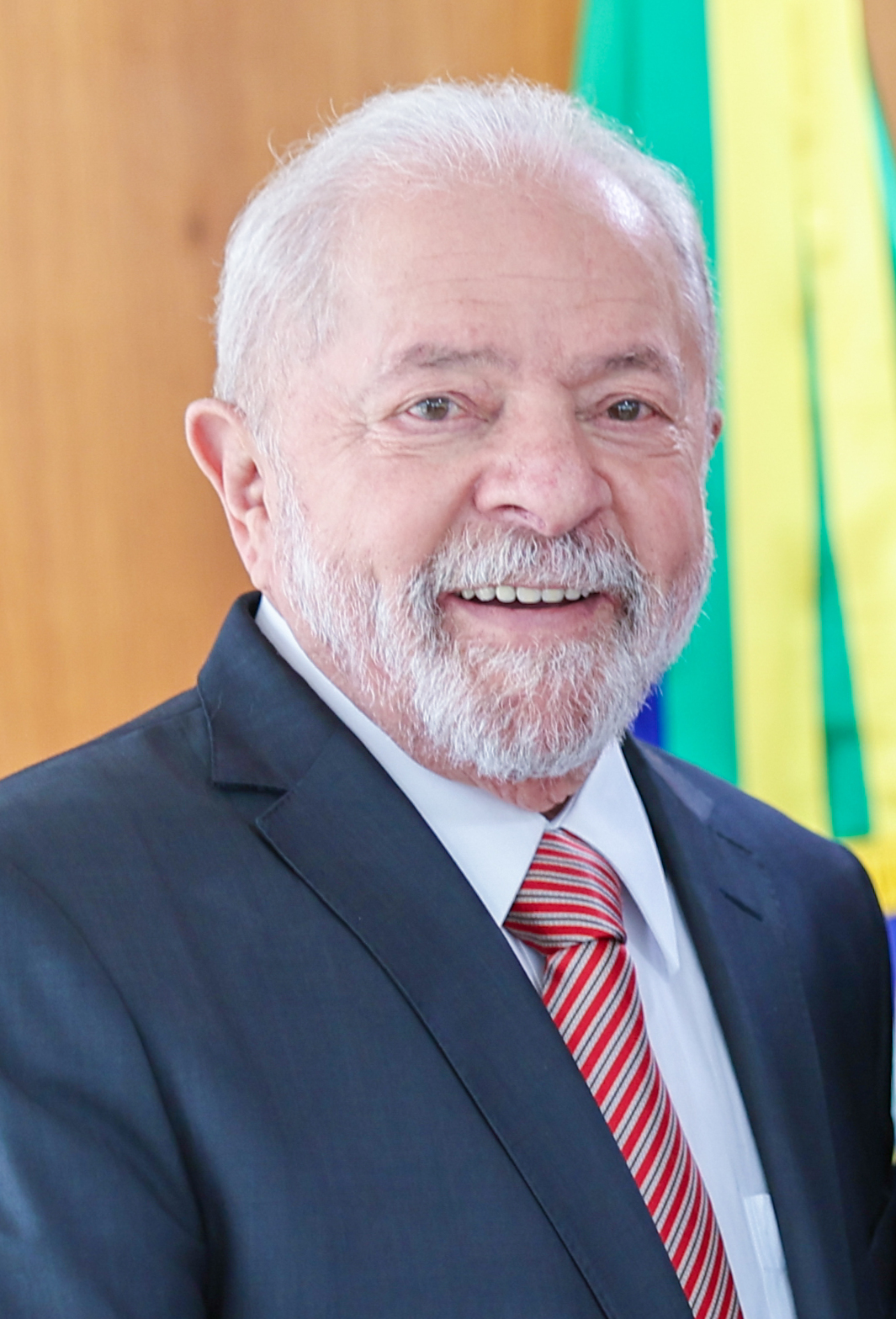
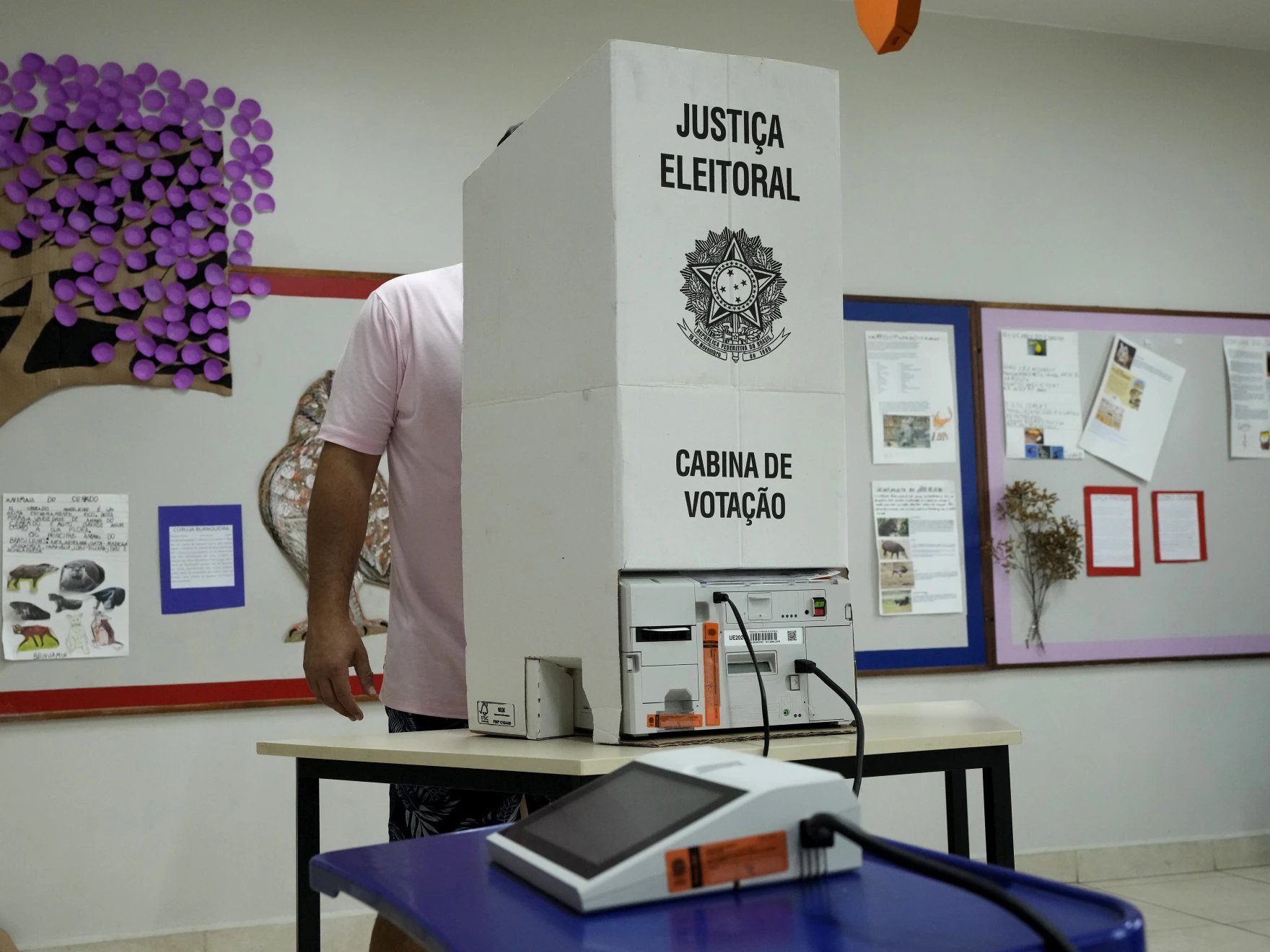
There's a broader pattern worth noticing. Just this weekend, Brazil voted in the first round of its presidential election and sent its own incumbent into a runoff — Sunday's top stories read like a ledger of democracies under strain. Spain is now adding its own chapter: a prime minister betting everything on the idea that the people, given the choice, will hand him the majority his parliament never could.
Whether that's confidence or desperation depends entirely on how November 29 turns out.
Sources
- The Times · Oct 5, 2026
- Reuters · Oct 5, 2026
- CNN · Oct 5, 2026
- AP / NPR · Oct 5, 2026
- Euronews · Oct 5, 2026
- El País / Cadena SER (40db fieldwork, September 2026) — poll data